

Acupressure for Nausea: Natural Motion & Pregnancy Relief

Acupressure for Nausea: Natural Relief for Motion Sickness, Pregnancy, and Digestive Upset
Last Updated Date: January 27, 2026

Nausea is a protective reflex driven by the nervous system, not just a stomach problem. It can arise from motion, hormonal changes, digestive disruption, medication side effects, or sensory imbalance. Because nausea is neurologically mediated, approaches that calm nerve signaling can be highly effective without suppressing normal body function.
Acupressure is a proven, non-drug method for relieving nausea by stimulating specific nerve-rich pressure points, especially the Pericardium 6 (PC6) point on the inner wrist. Applying firm pressure to PC6 for 1–3 minutes can rapidly reduce nausea caused by motion sickness, pregnancy, digestion, chemotherapy, and postoperative recovery. This technique works by modulating vagal nerve activity, stabilizing stomach rhythm, and reducing abnormal nausea signaling in the brain.
Key Takeaways
- PC6 (Neiguan) is the primary and most evidence-supported acupressure point for nausea
- Firm pressure for 1–3 minutes is sufficient to trigger relief
- Acupressure is effective for motion sickness, pregnancy nausea, digestive upset, and medical nausea
- Wristbands work by providing continuous stimulation to PC6
- Acupressure is safe when performed correctly and does not interfere with medications
Understanding Nausea and Its Common Causes

Acupressure is a manual therapy that applies sustained pressure to specific anatomical points where nerves, connective tissue, and vascular structures converge. While rooted in Traditional Chinese Medicine, its effects are now well explained through modern neurophysiology.
Nausea is regulated by the brainstem, vagus nerve, and gastrointestinal signaling pathways. When these systems receive conflicting or excessive input, nausea emerges as a protective response. Acupressure works by reducing abnormal nerve firing and restoring rhythmic stomach contractions.
Stimulation of specific pressure points influences:
- Vagal nerve tone
- Gastric electrical rhythm
- Brainstem nausea centers
- Stress hormone release
This is why acupressure can relieve nausea without altering digestion, consciousness, or blood chemistry.
The Primary Acupressure Point for Nausea: PC6 (Neiguan)
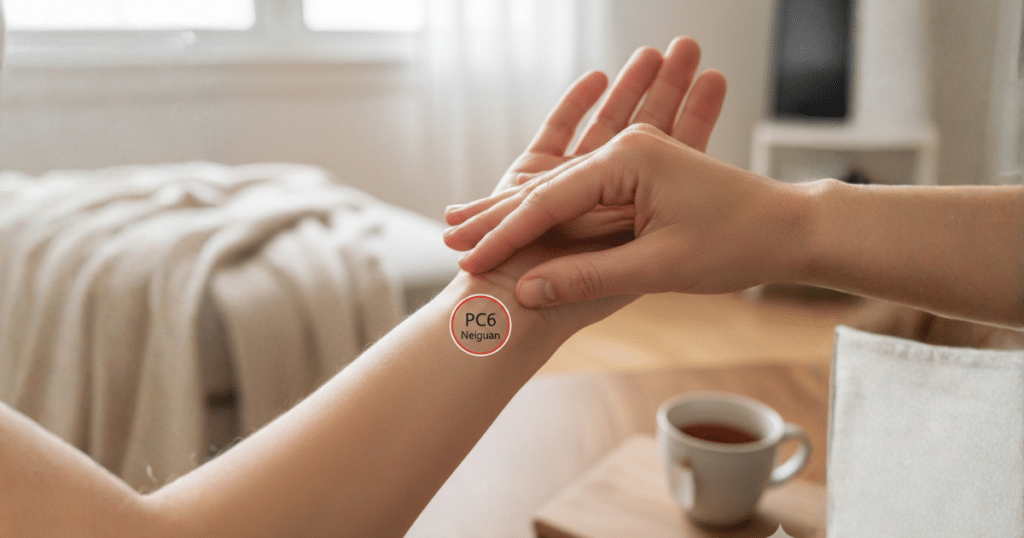
PC6, also known as Neiguan, is the most reliable acupressure point for nausea across all causes. It is consistently supported by clinical trials, meta-analyses, and hospital protocols.
PC6 influences nausea by:
- Modulating vagus nerve signaling
- Reducing abnormal gastric contractions
- Stabilizing autonomic nervous system output
- Decreasing brainstem nausea activation
Because PC6 directly interfaces with neurological nausea pathways, it is effective regardless of whether nausea originates from motion, hormones, digestion, or medication.
PC6 is considered the first-line acupressure point for nausea.
How to Locate and Stimulate PC6 Correctly
PC6 is located on the inner forearm.
To find PC6:
- Turn your palm upward.
- Measure three finger widths down from the wrist crease.
- Locate the soft groove between the two central tendons.
- The point lies directly between those tendons.
To apply acupressure:
- Use your thumb or index finger.
- Apply firm, steady pressure.
- Massage gently in small circles or hold constant pressure.
- Continue for 1–3 minutes.
- Repeat on both wrists.
The sensation should feel mildly tender or achy, never sharp or painful.
Relief often begins within minutes.
Secondary Acupressure Points and When to Use Them
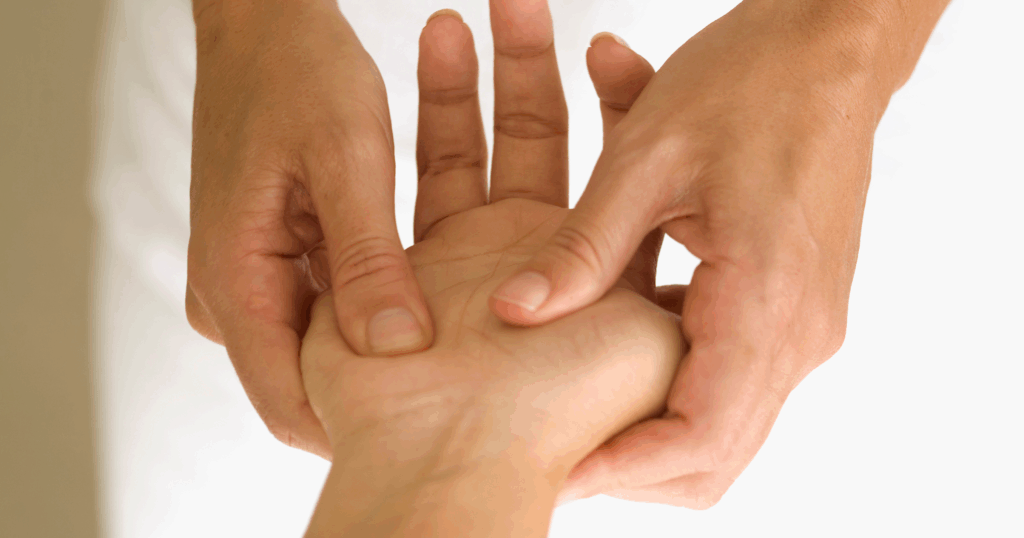
Stomach 36 (ST36)
ST36 supports digestive function and is helpful when nausea is associated with:
ST36 improves stomach motility and overall digestive resilience. It is best used alongside PC6, not as a replacement.
Why Other Points Are Not First-Line
Some acupressure points are occasionally mentioned for nausea but lack consistent evidence or pose safety concerns in pregnancy. These points may be used by trained practitioners but are not recommended for routine self-care.
For most people, PC6 alone is sufficient.
Acupressure for Specific Types of Nausea
Motion Sickness
Motion sickness results from sensory conflict between the inner ear and visual system. PC6 reduces this conflict by stabilizing autonomic signaling to the stomach.
Best practice:
- Stimulate PC6 10–15 minutes before travel
- Repeat during motion exposure
- Combine with visual horizon fixation and steady breathing
This approach is effective for cars, boats, airplanes, and virtual motion exposure.
Pregnancy-Related Nausea
Pregnancy nausea is driven by hormonal changes and heightened nervous system sensitivity. PC6 is safe and effective when applied correctly.
Clinical studies show PC6:
- Reduces nausea frequency
- Decreases vomiting episodes
- Improves daily functioning
Acupressure wristbands are commonly used during pregnancy for continuous relief. Severe cases such as hyperemesis gravidarum require medical oversight.
Digestive Nausea
Digestive nausea often arises from delayed stomach emptying or irritation. PC6 calms stomach signaling, while ST36 supports digestive coordination.
Use acupressure:
- After meals
- During bloating or reflux-associated nausea
- Alongside hydration and gentle movement
Chemotherapy and Postoperative Nausea
PC6 is widely used in hospital settings to reduce nausea associated with anesthesia and chemotherapy.
Studies show acupressure can:
- Match or enhance anti-nausea medication effects
- Reduce medication side effects
- Improve patient comfort
Acupressure is used as a complementary therapy, not a replacement for prescribed treatment.
Acupressure Wristbands: How and Why They Work
Acupressure wristbands apply constant pressure to PC6 using a small plastic stud.
They are effective because:
- Continuous stimulation reinforces nerve modulation
- No technique is required
- Pressure remains consistent during movement or sleep
Wristbands are especially useful for:
- Travel
- Pregnancy
- Postoperative recovery
They should be snug but not restrictive.
Safety Guidelines and Pregnancy Considerations
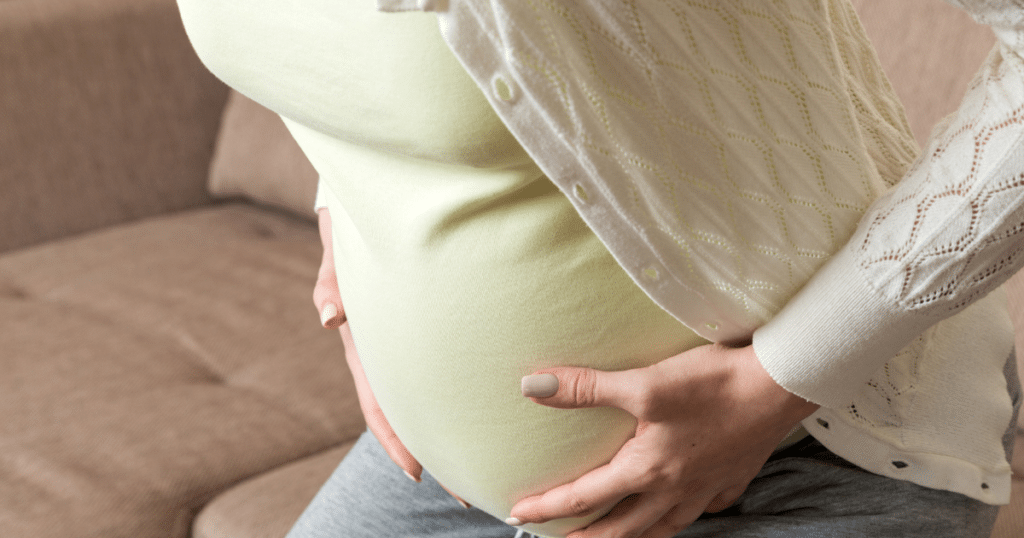
Acupressure is safe for most people when performed correctly.
Avoid acupressure if:
- Skin is broken or infected
- There is local swelling or injury
- Pressure causes sharp pain
During pregnancy:
- PC6 is considered safe
- Avoid strong stimulation of points traditionally associated with uterine contraction
- Consult a healthcare professional if unsure
Acupressure does not interfere with medications.
Evidence and Research on Acupressure for Nausea
A robust body of clinical research, including recent meta-analyses, shows that acupressure, especially at P6, can reduce the severity of nausea caused by chemotherapy, pregnancy, and other conditions. While it may not replace medications in all cases, it significantly lessens nausea intensity with very high patient acceptance and no serious side effects.
That said, variations in study designs warrant ongoing investigation to optimize protocols and identify which patient groups benefit most. Dividing attention between traditional practice and scientific evidence helps ensure acupressure continues to be refined as a safe and effective method for managing nausea.
Why Acupressure Is a Valuable Tool for You
Aside from its clinical merits, we at ACA Acupuncture & Wellness value acupressure because it empowers people to take control of their healing. It helps us reconnect with the body’s natural rhythms and signals, fostering calm amid discomfort. Incorporating acupressure into your routine can transform how you respond to nausea and support your overall wellbeing.
We invite our community to explore these techniques with gentle curiosity and seek our guidance if questions arise. Together, we can create a more comfortable, balanced life free from the weight of nausea.
Source:
Gong, Jie, et al. “Effect of Acupressure in Nausea and Vomiting Treatment during Pregnancy: A Meta-Analysis.” EXPLORE, vol. 20, no. 1, 29 July 2023, www.sciencedirect.com/science/article/abs/pii/S1550830723001684, https://doi.org/10.1016/j.explore.2023.06.015.
The Pericardium 6 (P6) point, also called Nei Kuan, is the most well-known acupressure point for relieving motion sickness. It is located on the inner wrist, about three finger widths below the crease, between two tendons. Applying firm, steady pressure to this point can reduce nausea by calming stomach activity and nervous system responses.
Alleviating nausea from motion sickness can be done by applying pressure to the P6 point on your wrist before and during travel. Combined with deep, slow breathing and focusing on the horizon to help balance inner ear signals, acupressure reduces queasiness effectively. Wearing acupressure wristbands that target P6 can provide continuous relief hands-free.
Certain acupressure points such as Large Intestine 4 (LI4), located between the thumb and index finger, should be avoided during pregnancy because they may stimulate uterine contractions. Pressure points like Spleen 6 (SP6) are often also cautioned against due to their strong effects on the uterus. Always consult a healthcare professional or acupressure practitioner before using acupressure if pregnant to ensure safety.
Applying firm pressure to the P6 point on the wrist is a safe and effective way to relieve pregnancy-related nausea quickly. Using acupressure wristbands designed for pregnancy nausea or performing self-acupressure several times a day can reduce queasiness and vomiting. Staying hydrated, resting, and avoiding strong odors alongside acupressure improves results.
Sitting upright or reclining slightly with support can help reduce nausea by preventing acid reflux and promoting better digestion. Avoid lying completely flat after eating, and keep your head elevated when resting to reduce stomach upset. Gentle movement, like slow walking or sitting by a window for fresh air, can also ease nausea feelings.
To stimulate the P6 acupressure point, use your thumb to press the inner wrist about three finger widths below the wrist crease between the two tendons. Your thumb is ideal because it applies firm and controlled pressure effectively. The index or middle finger can assist by supporting the wrist from underneath during the massage.
Testimonials

Cart (0)
Your cart is currently empty.



Cart (0)
Your cart is currently empty.