

Acupuncture for Costochondritis: Natural Remeies for Chest Pain Relief
Key Takeaways
- Acupuncture targets both inflammation and muscle tension in costochondritis
- Many patients notice relief within 1 to 3 sessions
- Treatment improves breathing mechanics and rib mobility
- Combining acupuncture with posture correction enhances recovery
- A proper diagnosis is essential before beginning treatment
What Is Costochondritis?
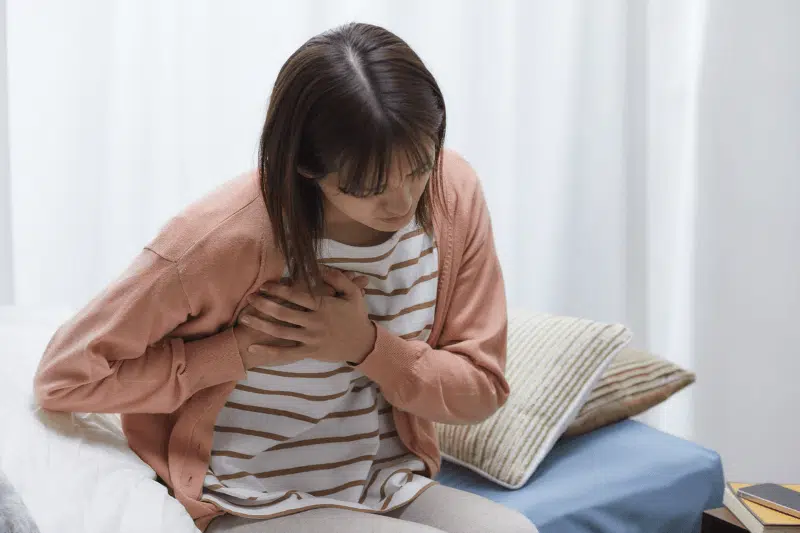
Costochondritis is inflammation of the cartilage where the ribs connect to the sternum. This irritation can create sharp, aching, or pressure-like pain in the chest, often near the breastbone. The discomfort may become more noticeable during deep breathing, coughing, twisting, or certain arm movements. In some cases, even light pressure on the affected area can trigger tenderness. Although the condition is not usually dangerous, it can still be disruptive and distressing.
Because the pain occurs in the chest, costochondritis is often mistaken for a heart or lung problem. That overlap is one reason a proper medical evaluation is so important, especially when symptoms first appear. Once serious causes of chest pain have been ruled out, costochondritis can be identified as a musculoskeletal issue involving the chest wall rather than an internal organ condition. The pain may stay localized or feel more intense when posture, muscle tension, or repeated strain continues to irritate the area. Understanding this distinction helps guide safer diagnosis and more appropriate treatment.
Understanding the Structure of the Chest Wall
The chest wall is a complex structure composed of:
- Ribs that protect internal organs
- Intercostal muscles that assist with breathing
- Costosternal joints that allow flexibility and expansion
These components work together to support respiration and upper body movement. When inflammation affects the cartilage within this system, even small movements such as reaching, twisting, or breathing deeply can become painful.
Over time, the body may compensate by tightening surrounding muscles, which further restricts mobility and prolongs discomfort.
Common Causes and Risk Factors
Costochondritis does not always have a single clear cause. Instead, it often develops from cumulative stress placed on the chest wall.
Common contributing factors include:
- Repetitive upper body strain from lifting or exercise
- Chronic coughing or respiratory infections
- Poor posture, especially prolonged sitting or forward head positioning
- Physical trauma or minor injuries
- Muscle imbalances in the chest and upper back
In many cases, it is a combination of mechanical strain and inflammation that leads to persistent symptoms.
Common Symptoms and Pain Patterns
Symptoms can vary in intensity, but they often become more noticeable during everyday movements that expand or strain the chest.
Costochondritis pain is typically:
- Sharp, aching, or pressure-like
- Localized near the sternum, often on one side
- Worse with deep breathing, coughing, or movement
- Tender when pressed directly
Some individuals may also experience restricted breathing due to discomfort, leading to shallow respiration and increased tension in surrounding muscles.
When Chest Pain Is Not Costochondritis

Because chest pain can sometimes signal a medical emergency, it should never be self-diagnosed without proper evaluation.
Not all chest pain is musculoskeletal. It is essential to rule out serious conditions before assuming costochondritis.
Seek immediate medical attention if symptoms include:
- Pain radiating to the arm, jaw, or back
- Shortness of breath unrelated to movement
- Dizziness or fainting
- Sudden onset of severe chest pressure
Once serious causes are excluded, conservative treatments like acupuncture can be safely explored.
Why Conventional Treatments Often Fall Short
Standard approaches to costochondritis typically focus on symptom management rather than addressing the underlying dysfunction.
NSAIDs and Pain Masking vs Healing
Anti-inflammatory medications may temporarily reduce pain, but they do not correct:
- Muscle tension
- Restricted rib movement
- Postural imbalances
This can lead to recurring symptoms once medication is discontinued.
Limitations of Rest Alone
Rest is often recommended, but inactivity alone does not restore proper movement patterns. Without improving circulation and mobility, stiffness can persist, and recovery may stall.
How Acupuncture Works for Costochondritis

Acupuncture addresses costochondritis through a combination of neurological, muscular, and circulatory effects. This multi-layered approach is what differentiates it from conventional treatments.
Neurophysiological Effects
Acupuncture stimulates the nervous system, triggering the release of endorphins and other neurotransmitters that regulate pain perception.
This process:
- Reduces sensitivity in affected areas
- Interrupts pain signaling pathways
- Promotes a more balanced nervous system response
As a result, patients often experience both immediate and cumulative pain relief.
Anti-Inflammatory Mechanisms
Research suggests that acupuncture can influence inflammatory markers in the body. By improving local circulation and modulating immune responses, it creates an environment more conducive to healing.
This is particularly important in costochondritis, where inflammation within cartilage can persist without proper intervention.
Myofascial Release
Tight intercostal muscles and surrounding tissues can restrict rib movement and maintain pain cycles.
Acupuncture works at a deeper level than manual therapy by:
- Releasing muscle tension
- Reducing trigger point activity
- Restoring natural movement patterns
This helps relieve the mechanical stress contributing to ongoing irritation.
Traditional Chinese Medicine Perspective
From a Traditional Chinese Medicine standpoint, costochondritis is often associated with:
- Qi stagnation in the chest
- Blood stasis causing localized pain
- Imbalances related to stress or emotional tension
Treatment focuses on restoring smooth energy flow, which improves both physical symptoms and overall balance within the body.
Benefits of Acupuncture for Chest Pain Relief
Acupuncture offers a range of benefits that extend beyond symptom reduction.
- Faster reduction of acute pain
- Improved breathing capacity
- Decreased inflammation
- Enhanced rib and chest mobility
- Reduced muscle guarding and tension
Many patients also report improved relaxation and reduced stress, which can further support recovery.
Acupuncture Points Commonly Used
Treatment typically involves a combination of local and distal points to address both the site of pain and underlying imbalances.
Local Points
Ashi points are placed directly over tender areas to:
- Reduce localized inflammation
- Improve circulation
- Release muscle tension
Distal Points
Distal points help regulate systemic function and support overall healing.
- LI4 for pain relief and circulation
- PC6 for chest discomfort and breathing regulation
- LV3 for reducing tension and stress
Electroacupuncture
In some cases, electrical stimulation is applied to enhance the effects of acupuncture.
This can:
- Increase muscle relaxation
- Improve nerve signaling
- Accelerate recovery in chronic cases
What to Expect During an Acupuncture Session
Understanding the process can help reduce uncertainty for first-time patients.
Initial Assessment
The practitioner evaluates:
- Posture and alignment
- Breathing patterns
- Areas of tenderness and restriction
This allows for a targeted and individualized treatment plan.
Treatment Process
Fine, sterile needles are inserted with minimal discomfort. Patients may feel:
- A mild ache
- Warmth or heaviness
- A sense of relaxation
Sessions typically last 20 to 40 minutes.
Recovery Timeline
- Acute cases may improve within a few sessions
- Chronic cases may require consistent treatment over several weeks
- Progress is often gradual but cumulative
Natural Remedies For Costochondritis That Complement Acupuncture

A well-rounded recovery plan often works best when acupuncture is supported by simple daily self-care strategies.
Combining acupuncture with supportive strategies enhances long-term outcomes.
Heat and Cold Therapy
Using temperature-based therapy at the right time can help calm pain and make the chest feel less restricted.
- Cold therapy reduces inflammation during acute flare-ups
- Heat therapy relaxes muscles and improves circulation
Stretching and Mobility
Targeted movement can help restore flexibility without placing excess strain on the chest wall.
Gentle exercises that open the chest and improve posture can:
- Restore rib movement
- Reduce stiffness
- Prevent recurrence
Postural Correction
Improving posture can reduce ongoing mechanical stress that keeps the area irritated.
Poor posture places continuous strain on the chest wall. Small adjustments, such as:
- Sitting upright
- Using ergonomic support
- Avoiding prolonged slouching
can significantly reduce symptoms over time.
Breathwork
Breathing techniques can ease tension patterns that often develop when chest pain makes breathing feel guarded or shallow.
Diaphragmatic breathing helps:
- Reduce pressure on inflamed joints
- Improve oxygen flow
- Relax surrounding muscles
Anti-Inflammatory Support
Nutritional support may help create a better internal environment for healing and recovery.
Nutrients such as:
- Magnesium
- Vitamin D
- Omega-3 fatty acids
can support tissue repair and reduce inflammation when combined with treatment.
Treat Costochondritis Naturally: Lifestyle Factors That Influence Recovery
Healing is not limited to treatment sessions. Daily habits play a critical role in how quickly the body recovers.
- Poor posture increases mechanical strain
- Chronic stress leads to muscle tension and restricted breathing
- Inadequate sleep slows tissue repair
Addressing these factors creates a more stable foundation for long-term improvement.
How Long Does It Take for Acupuncture to Work?
Most patients begin to notice changes within the first few sessions.
- Early improvements often include reduced pain and improved mobility
- Continued treatment supports deeper healing and stability
- Recovery time depends on severity, duration, and lifestyle factors
Consistency is key, especially in cases where symptoms have been present for an extended period.
Risks, Safety, and When to Avoid Acupuncture
Acupuncture is generally safe when performed by a licensed practitioner. However, certain precautions should be taken.
- Always seek medical evaluation for chest pain before treatment
- Inform your practitioner of any underlying conditions
- Avoid treatment if there are infections or open wounds in the area
When performed correctly, complications are rare, and the treatment is well tolerated.
Comparing Acupuncture vs Other Treatments
While conventional treatments focus primarily on symptom relief, acupuncture offers a broader therapeutic approach.
Medication:
- Provides temporary relief
- Does not address movement or muscle tension
Physical Therapy:
- Improves mobility and strength
- May not fully address inflammation or systemic factors
Acupuncture:
- Reduces inflammation
- Releases muscle tension
- Regulates nervous system activity
- Supports long-term healing
This combination of effects makes acupuncture particularly effective for conditions like costochondritis, where multiple factors contribute to pain.
A More Complete Approach to Chest Pain Relief
Costochondritis can be frustrating because of its persistence and the way it can interfere with daily life. Even though it is not usually dangerous, the discomfort can limit movement, affect breathing patterns, and make ordinary routines feel more difficult.
At ACA Acupuncture and Wellness, a holistic approach is used to look beyond short-term symptom relief. Acupuncture is combined with individualized care that may include lifestyle guidance, posture support, and strategies to ease muscle tension and inflammation, helping the body heal in a more efficient and sustainable way. When paired with mobility work and supportive daily habits, this comprehensive approach can play an important role in restoring comfort and function.
Sources:
Alexander, R. (2022). Acupuncture treatment of costochondritis, a case series. Rheumatology Advances in Practice, 6(Suppl 1), rkac067.015.
Lin, K., & Tung, C. (2017). Integrating acupuncture for the management of costochondritis in adolescents. Medical Acupuncture, 29(5), 327–330.
Yes, acupuncture may help when costochondritis develops after repetitive strain from workouts, weightlifting, or chest-focused exercises. It can reduce inflammation, ease tight chest wall muscles, and support better recovery in the rib and sternum area. For best results, treatment should also be paired with temporary activity modification and proper movement mechanics.
Acupuncture is usually not considered painful, although some people feel a mild ache, tingling, warmth, or heaviness during treatment. These sensations are often brief and are commonly associated with the body’s response to the needles. Most patients find the session relaxing, especially once muscle tension begins to release.
The best sleeping position is usually one that keeps pressure off the chest and supports a neutral upper-body posture. Many people feel more comfortable sleeping on their back or on the unaffected side with supportive pillows to reduce strain on the rib cage. Avoiding positions that compress the chest can help minimize overnight irritation and morning stiffness.
Yes, costochondritis can return if the underlying triggers are still present, such as poor posture, repetitive strain, chronic coughing, or ongoing muscle tension. Acupuncture can help break the pain cycle and support healing, but recurrence is more likely if daily habits are not addressed. Long-term improvement usually depends on combining treatment with posture correction, mobility work, and lifestyle changes.
Doctors usually diagnose costochondritis through a physical exam, symptom review, and by ruling out more serious causes of chest pain. Tenderness along the sternum or rib joints is often one of the clearest signs. In some cases, additional testing may be used to exclude heart, lung, or other medical conditions before confirming a musculoskeletal cause.
Acupuncture can often be helpful during a flare-up because it may calm inflammation, reduce pain sensitivity, and relax surrounding muscle tension. However, it is still important to make sure the pain has been properly evaluated first, especially if symptoms are new or severe. Once serious causes have been ruled out, early treatment may help prevent the flare from becoming more persistent.
Testimonials

Cart (0)
Your cart is currently empty.


Cart (0)
Your cart is currently empty.