

Acupuncture for GERD (Gastroesophageal Reflux Disease): Natural Support for Digestive Balance and Symptom Relief
Key Takeaways
- Acupuncture may help regulate digestive function, reflux frequency, and nervous system balance naturally.
- GERD often involves stress, inflammation, motility dysfunction, and lower esophageal sphincter weakness, not just excess stomach acid.
- Many reflux symptoms worsen during periods of chronic stress, anxiety, poor sleep, or irregular eating habits.
- Acupuncture is commonly used alongside lifestyle adjustments, nutrition changes, and conventional medical care.
- Long-term GERD management usually requires addressing both digestive mechanics and whole-body health patterns.
What Is GERD (Gastroesophageal Reflux Disease)?
GERD, or gastroesophageal reflux disease, is a chronic condition where stomach contents repeatedly flow backward into the esophagus. This reflux exposes the esophageal lining to stomach acid and digestive enzymes, creating irritation, inflammation, and discomfort over time.
Occasional acid reflux is common. GERD develops when reflux becomes frequent, persistent, or severe enough to affect quality of life or damage the esophagus.
Understanding Chronic Acid Reflux
The lower esophageal sphincter (LES) acts as a muscular valve between the esophagus and stomach. Under normal conditions, it opens to allow food into the stomach and then closes tightly afterward.
When the LES weakens, relaxes improperly, or experiences increased abdominal pressure, stomach acid can travel upward into the esophagus. Repeated exposure may lead to:
- Chronic heartburn
- Inflammation
- Tissue sensitivity
- Esophagitis
- Difficulty swallowing
- Chronic throat irritation
GERD is increasingly understood as both a digestive and nervous system disorder because stress signaling, autonomic imbalance, and gut-brain communication can strongly influence symptom severity.
Common GERD Symptoms
Symptoms vary widely between individuals. Some people experience classic heartburn, while others develop throat, respiratory, or sleep-related symptoms.
Common GERD symptoms include:
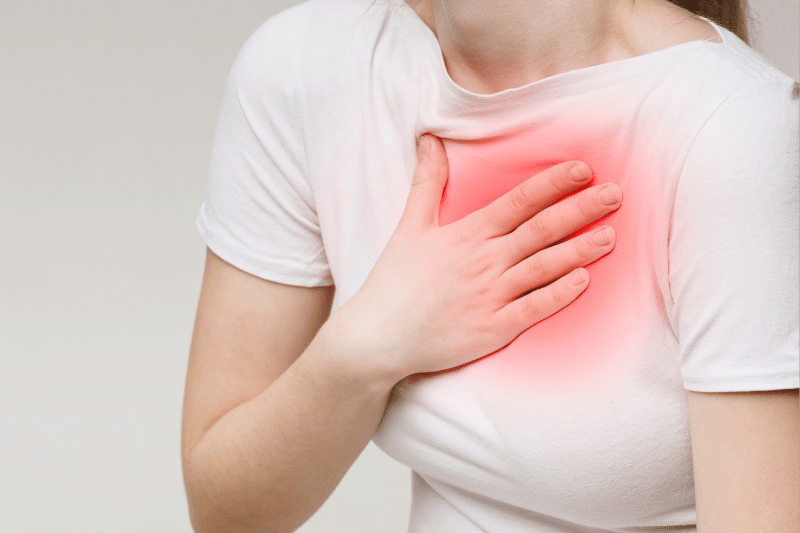
- Burning chest discomfort
- Acid regurgitation
- Sour taste in the mouth
- Chronic coughing
- Hoarseness
- Excessive throat clearing
- Difficulty swallowing
- Bloating
- Chest tightness
- Sleep disruption
- Sensation of food sticking in the throat
Some patients experience “silent reflux,” where throat irritation and coughing occur without obvious heartburn.
Why GERD Has Become More Common in Modern Life
Modern lifestyle patterns appear closely connected to rising GERD rates globally.
Several contributing factors include:
- Ultra-processed diets
- Chronic stress
- Sedentary behavior
- Obesity
- Sleep deprivation
- High caffeine intake
- Alcohol consumption
- Late-night eating
- Poor posture
- Increased anxiety disorders
Long work hours, irregular meal timing, and constant nervous system stimulation may also contribute to digestive dysregulation and reflux sensitivity.
Can Acupuncture Help GERD?
Acupuncture is increasingly studied as a complementary therapy for GERD because it may influence multiple reflux-related mechanisms simultaneously, including digestive motility, inflammation, nervous system activity, and esophageal sensitivity.
What Research Currently Suggests
Emerging research suggests acupuncture may help:
- Reduce reflux episodes
- Improve heartburn symptoms
- Increase lower esophageal sphincter pressure
- Improve gastric emptying
- Decrease esophageal hypersensitivity
- Support stress regulation
Some studies have found that acupuncture combined with conventional medication may improve regurgitation and symptom control more effectively than medication alone.
Researchers are particularly interested in acupuncture’s effects on the autonomic nervous system, vagus nerve activity, and gastrointestinal coordination.
How Acupuncture Works for Digestive Disorders
Acupuncture involves inserting extremely thin needles into specific points on the body to stimulate neurological, muscular, vascular, and biochemical responses.
Modern theories suggest acupuncture may influence:
- Vagus nerve signaling
- Endorphin release
- Muscle relaxation
- Inflammatory mediators
- Blood circulation
- Stress hormone regulation
- Gastrointestinal motility
- Pain perception pathways
Digestive disorders are strongly connected to the gut-brain axis. Because acupuncture may help calm sympathetic nervous system overactivation, many patients report reduced digestive tension and symptom intensity during treatment periods.
Why Many GERD Patients Seek Integrative Care
Many individuals with GERD explore integrative therapies because symptoms often persist despite medication use.
Common reasons include:
- Recurring reflux despite PPIs
- Concerns about long-term medication dependency
- Stress-triggered flare-ups
- Functional digestive symptoms
- Interest in holistic wellness
- Desire to improve sleep and nervous system regulation
For some patients, reflux symptoms are closely tied to emotional stress, muscular tension, poor sleep quality, or irregular digestion patterns that medication alone may not fully address.
How Acupuncture May Support the Root Causes of GERD

GERD rarely develops from one isolated factor. Acupuncture is often valued because it approaches digestive dysfunction as a systems-based condition.
Lower Esophageal Sphincter Dysfunction
The LES plays a critical role in preventing acid reflux.
Some research suggests acupuncture may help regulate neuromuscular coordination affecting LES pressure and esophageal function. Improved muscular regulation may reduce reflux frequency in certain individuals.
Delayed Gastric Emptying
When food remains in the stomach too long, pressure can increase inside the abdomen, making reflux more likely.
Acupuncture may support gastric motility by influencing digestive nerve signaling and smooth muscle activity.
Improved stomach emptying may help reduce:
- Fullness
- Bloating
- Pressure
- Regurgitation
Chronic Stress and the Gut-Brain Axis
Stress significantly affects digestion.
During chronic stress, the body shifts into sympathetic “fight-or-flight” dominance, which may:
- Slow digestion
- Increase muscular tension
- Heighten acid sensitivity
- Disrupt motility
- Worsen inflammation
- Increase reflux perception
Acupuncture is commonly used to support parasympathetic nervous system activity, helping the body shift toward a calmer digestive state.
Inflammation and Esophageal Irritation
Chronic reflux may inflame the esophageal lining, contributing to pain and tissue sensitivity.
Acupuncture may influence inflammatory signaling pathways associated with chronic irritation and pain perception. Some patients report reduced burning sensations and throat discomfort over time.
Diaphragm Tension and Abdominal Pressure
The diaphragm plays a major role in breathing and reflux mechanics.
Poor posture, shallow breathing, abdominal tension, and chronic stress may increase pressure around the stomach and LES region.
Acupuncture may help reduce muscular tension patterns that contribute to digestive compression and dysfunctional breathing mechanics.
Traditional Chinese Medicine (TCM) Perspective on GERD
Traditional Chinese Medicine interprets GERD differently from conventional Western medicine. Rather than focusing exclusively on acid production, TCM views reflux as a pattern of energetic imbalance involving multiple organ systems.
GERD Is Viewed as an Imbalance Pattern
Several TCM patterns are commonly associated with reflux symptoms, including:
- Liver Qi stagnation
- Stomach heat
- Spleen Qi deficiency
- Damp accumulation
- Rebellious stomach Qi
These patterns are identified based on symptoms, tongue appearance, pulse quality, digestion, emotional health, sleep, and overall constitution.
Emotional Stress and Digestive Fire
In TCM theory, emotional stress may disrupt the smooth movement of Liver Qi, causing digestive energy to move upward improperly.
This may contribute to:
- Burping
- Acid reflux
- Chest tightness
- Irritability
- Bloating
- Appetite changes
This perspective closely parallels modern understanding of stress-related digestive dysfunction and the gut-brain axis.
Why TCM Treatments Are Individualized
Two patients with GERD may receive completely different acupuncture treatments depending on their presentation.
One patient may primarily experience:
- Heat
- Burning
- Irritability
- Constipation
Another may present with:
- Fatigue
- Weak digestion
- Loose stools
- Anxiety
- Bloating
TCM treatment plans are tailored to the individual pattern rather than only the diagnosis label itself.
Acupuncture Points Commonly Used for GERD Support
Acupuncturists select points based on symptom patterns, constitution, and associated conditions.
| Acupuncture Point | Common Use for GERD Support | May Help Support |
| ST36 (Zusanli) | Digestion, stomach function, energy levels, and gastrointestinal coordination | Digestive strengthening, motility support, fatigue reduction, immune regulation |
| PC6 (Neiguan) | Upper digestive symptoms and nervous system regulation | Nausea reduction, chest tightness, stress regulation, vagal tone, upper GI relaxation |
| CV12 (Zhongwan) | Stomach regulation and abdominal harmony | Fullness, reflux, bloating, epigastric discomfort |
| LV3 (Taichong) | Stress-related digestive patterns | Emotional regulation, tension reduction, Qi movement, nervous system calming |
| Additional points | Selected based on symptoms, constitution, and associated conditions | Sleep quality, anxiety, diaphragm tension, chest discomfort, IBS symptoms, headaches, fatigue |
What an Acupuncture Session for GERD Usually Looks Like
Acupuncture treatment for GERD is typically calm, individualized, and focused on whole-body regulation.
Initial Consultation and Symptom Assessment
The practitioner may ask about:
- Heartburn frequency
- Trigger foods
- Stress levels
- Sleep quality
- Bowel habits
- Appetite
- Energy levels
- Emotional health
- Medication history
This broader assessment helps identify contributing patterns beyond acid reflux alone.
During the Treatment
Thin sterile needles are placed at selected acupuncture points.
Many patients describe sensations such as:
- Heaviness
- Warmth
- Tingling
- Relaxation
- Mild pressure
Sessions commonly last between 20 and 40 minutes.
Many individuals report feeling deeply relaxed afterward, particularly when stress strongly contributes to symptoms.
How Many Sessions Are Usually Recommended
Treatment frequency depends on symptom severity, chronicity, and overall health.
Some patients begin with:
- One to two sessions weekly
- Several weeks of consistent care
- Periodic maintenance sessions afterward
Chronic digestive conditions often respond gradually rather than instantly.
Acupuncture vs GERD Medication: How They Differ
Acupuncture and medication work through very different mechanisms.
What Proton Pump Inhibitors (PPIs) Do
PPIs reduce stomach acid production to decrease irritation and symptom severity.
These medications can be highly effective for:
- Acute heartburn
- Esophagitis
- Ulcer healing
- Severe reflux episodes
Potential Concerns With Long-Term PPI Use
Some individuals seek additional support because of concerns surrounding prolonged PPI use, including:
- Nutrient absorption issues
- Rebound acid production
- Persistent symptoms
- Gut microbiome concerns
Patients should never stop medication abruptly without medical guidance.
Why Some Patients Combine Both Approaches
Many integrative care plans combine:
- Medical evaluation
- Medication management
- Acupuncture
- Nutrition changes
- Stress reduction
- Sleep improvement
- Weight management
This broader strategy may help address both symptom control and underlying lifestyle contributors.
Lifestyle Factors That Strongly Influence GERD

Lifestyle habits significantly affect reflux severity.
Foods That Commonly Trigger Reflux
Common triggers include:
- Alcohol
- Fried foods
- Chocolate
- Tomato products
- Citrus
- Mint
- Carbonated beverages
- Excess caffeine
- Spicy foods
Triggers vary substantially between individuals.
Meal Timing and Portion Size
Large meals increase stomach pressure and reflux risk.
Helpful strategies often include:
- Eating smaller meals
- Avoiding late-night eating
- Eating slowly
- Remaining upright after meals
Sleep Position and GERD
Nighttime reflux can severely disrupt sleep quality.
Some patients benefit from:
- Elevating the head of the bed
- Sleeping on the left side
- Avoiding food before bedtime
Stress Management and Nervous System Health
Stress management is often overlooked in reflux care despite its major physiological impact.
Helpful practices may include:
- Meditation
- Breathwork
- Walking
- Nervous system regulation exercises
- Better sleep routines
- Mindful eating
Conditions Commonly Associated With GERD
GERD often overlaps with other digestive, metabolic, and nervous system conditions. These related issues can worsen reflux symptoms or make long-term digestive balance more difficult to restore.
Hiatal Hernia
A hiatal hernia can weaken the natural barrier between the stomach and esophagus, making acid reflux more likely. When part of the stomach pushes upward through the diaphragm, reflux symptoms may become more frequent or harder to control.
Anxiety and Chronic Stress
Anxiety and chronic stress can heighten digestive sensitivity and disrupt normal stomach function. Many people notice that reflux symptoms worsen during emotionally demanding periods, poor sleep, or ongoing nervous system tension.
Obesity and Metabolic Dysfunction
Excess abdominal pressure can push stomach contents upward and increase the likelihood of reflux. Metabolic dysfunction may also contribute to inflammation, slower digestion, and more persistent GERD symptoms.
IBS and Functional Digestive Disorders
GERD can overlap with functional digestive disorders such as IBS, especially when gut motility and sensitivity are disrupted. Patients may experience reflux alongside bloating, constipation, diarrhea, abdominal discomfort, or food-triggered symptoms.
Chronic Inflammation and Poor Sleep
Poor sleep can increase inflammation, pain sensitivity, and digestive stress. When nighttime reflux interrupts rest, the cycle may continue because fatigue and inflammation can make symptoms feel worse the next day.
Who May Benefit Most From Acupuncture for GERD?
Acupuncture may be particularly helpful for individuals experiencing:
- Chronic reflux symptoms
- Stress-related digestive flare-ups
- Functional digestive disorders
- Persistent bloating
- Nervous system dysregulation
- Sleep disruption
- Medication-resistant symptoms
- Whole-body stress patterns
Many patients appreciate that acupuncture addresses both physical and emotional components of chronic digestive conditions.
When GERD Requires Medical Evaluation
GERD symptoms should never be self-diagnosed indefinitely.
Warning Signs That Should Never Be Ignored
Seek medical evaluation for:
- Difficulty swallowing
- Unexplained weight loss
- Vomiting blood
- Severe chest pain
- Persistent vomiting
- Black stools
- Progressive symptoms
Importance of Proper Diagnosis
Medical evaluation may involve:
- Endoscopy
- Barrett’s esophagus screening
- Imaging
- Esophageal testing
- Differential diagnosis
Acupuncture should complement, not replace, appropriate medical care when serious conditions are possible.
Conclusion

GERD is far more complex than excess stomach acid alone. Nervous system imbalance, digestive motility dysfunction, inflammation, stress physiology, posture, breathing patterns, and lifestyle habits can all influence reflux severity.
Acupuncture offers a systems-based approach that may help regulate digestion, calm reflux-related irritation, improve stress resilience, and support whole-body balance. While it is not a replacement for appropriate medical care, many individuals find that combining acupuncture with nutrition changes, sleep optimization, stress reduction, and conventional evaluation creates a more comprehensive path toward long-term digestive relief.
For patients seeking a more integrative approach to chronic reflux, acupuncture continues to emerge as a promising complementary therapy focused not only on symptom suppression, but on restoring digestive balance itself.
At ACA Acupuncture and Wellness, we take a holistic approach to digestive health through personalized care that may include acupuncture, cupping, moxibustion, ear seeding, and supportive warming therapies such as our thermal therapy room. These therapies are designed to support whole-body balance, relaxation, circulation, and digestive function.
Contact us today to learn how our holistic therapies may support your GERD care plan.
Sources:
Tang, Y., Zhao, Y., Lin, Y., Zhu, Y., Huang, J., Shen, H., Zou, D., & Yao, W. (2023). Acupuncture improved the function of the lower esophageal sphincter and esophageal motility in Chinese patients with refractory gastroesophageal reflux disease symptoms: A randomized trial. Gastroenterology Research and Practice, 2023, 4645715.
Li, D., Li, Z., & Liu, D. (2019). Acupuncture for refractory gastro-oesophageal reflux disease: A systematic review and meta-analysis protocol. BMJ Open, 9(8), e030713.
Some patients notice symptom relief quickly, while others improve gradually over multiple sessions. Chronic GERD often requires ongoing lifestyle and digestive support.
Many patients begin noticing changes within several sessions, though long-standing reflux patterns may take longer to improve.
Acupuncture is generally considered safe when performed by a licensed practitioner using sterile needles and appropriate medical screening.
Some patients use acupuncture alongside medication, while others pursue integrative approaches under medical supervision. Medication decisions should always involve a qualified healthcare provider.
Yes. Stress can alter digestive motility, increase muscular tension, heighten pain sensitivity, and worsen reflux perception through the gut-brain axis.
Some patients report improvements in nighttime reflux symptoms, particularly when stress, tension, poor sleep, or delayed digestion contribute to flare-ups.
Testimonials

Cart (0)
Your cart is currently empty.



Cart (0)
Your cart is currently empty.