

Acupuncture for Stroke Recovery: How TCM Supports Rehabilitation, Mobility, and Healing
Key Takeaways
- Acupuncture may support stroke rehabilitation when used alongside conventional medical care and therapy.
- It is often considered for post-stroke mobility issues, spasticity, pain, fatigue, sleep disruption, and stress.
- Scalp acupuncture, electroacupuncture, and body acupuncture may be used depending on the patient’s symptoms and safety needs.
- Stroke recovery can take weeks, months, or years, and treatment should be individualized.
- Anyone recovering from stroke should consult a physician or neurologist before adding acupuncture to their care plan.
What Is Stroke Recovery?
Stroke recovery is the process of restoring function, adapting to changes, preventing complications, and improving quality of life after a stroke. Rehabilitation often begins in the hospital within 24 to 48 hours when the patient is medically stable, and recovery can continue for months or years depending on the severity of the stroke.
A stroke happens when blood flow to part of the brain is interrupted or when bleeding occurs in or around the brain. The effects depend on the area of the brain involved, the size of the injury, how quickly treatment begins, and the patient’s overall health.
Common post-stroke challenges may include:
- Weakness or paralysis on one side of the body
- Muscle stiffness or spasticity
- Poor balance or changes in walking
- Shoulder pain or arm pain
- Numbness or altered sensation
- Difficulty speaking or understanding language
- Swallowing difficulty
- Fatigue
- Memory or attention changes
- Anxiety, frustration, or mood changes
Stroke remains a major health issue in the United States. The CDC reports that more than 795,000 people in the United States have a stroke each year, and stroke is a major cause of serious long-term disability.
Can Acupuncture Help With Stroke Recovery?
Acupuncture is best understood as a complementary therapy for stroke recovery, not a stand-alone treatment. It may help support rehabilitation by addressing pain, muscle tightness, motor function, circulation, sleep, stress, and overall regulation of the nervous system.
Research on acupuncture for stroke recovery is still developing. Some modern studies and reviews suggest potential benefits for post-stroke motor dysfunction, spasticity, swallowing difficulty, and activities of daily living, especially when acupuncture is combined with standard rehabilitation. At the same time, older reviews have found mixed evidence, which is why acupuncture should be presented as supportive care rather than a guaranteed treatment.
For patients and caregivers, the most realistic way to think about acupuncture is this: it may help create better conditions for recovery, but it does not replace emergency stroke treatment, medical monitoring, physical therapy, occupational therapy, speech therapy, or prescribed medications.
How TCM Understands Stroke Recovery
In Traditional Chinese Medicine, stroke recovery is often viewed through patterns involving Qi, Blood, Wind, Phlegm, Blood stasis, deficiency, and imbalance between Yin and Yang. These terms may sound different from conventional medical language, but they are used to describe patterns of movement, circulation, weakness, stiffness, sensation, and internal regulation.
In practical terms, acupuncturists may look at questions such as:
- Is the patient experiencing more weakness, stiffness, pain, numbness, or fatigue?
- Is one side of the body more affected?
- Are there changes in speech, swallowing, mood, or sleep?
- Is the patient in early recovery, outpatient rehabilitation, or chronic stroke recovery?
- What medical conditions, medications, or safety concerns need to be considered?
A TCM treatment plan may focus on supporting circulation, relaxing excessive muscle tension, encouraging smoother movement, calming the nervous system, and strengthening areas of deficiency. The exact approach depends on the patient’s presentation.
How Acupuncture May Support the Nervous System After Stroke
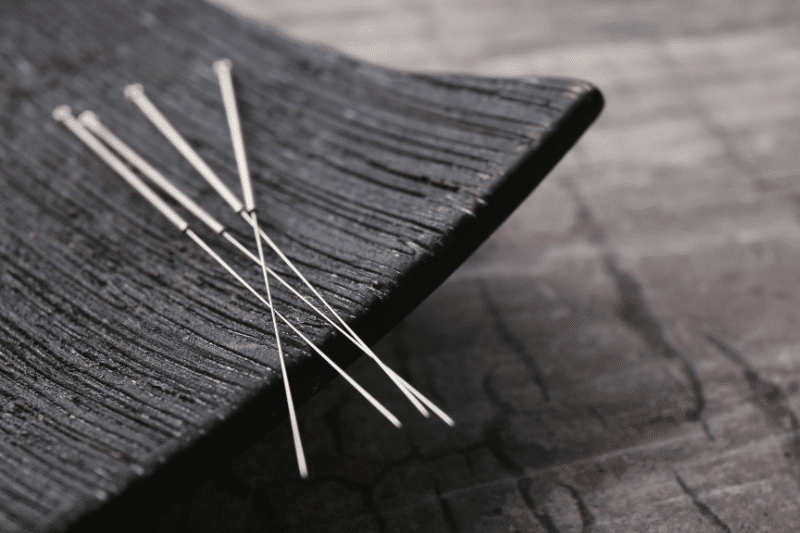
Acupuncture may support post-stroke recovery through several possible mechanisms, including stimulation of the nervous system, modulation of pain signaling, local circulation changes, and effects on muscles and connective tissue. Johns Hopkins Medicine notes that acupuncture points are believed to stimulate the central nervous system and influence biochemical changes in the muscles, spinal cord, and brain.
For stroke rehabilitation, this matters because recovery depends heavily on neuroplasticity. Neuroplasticity is the brain and nervous system’s ability to reorganize, form new pathways, and adapt after injury. Physical therapy, occupational therapy, speech therapy, and repeated functional practice are central to this process. Acupuncture may be used as a supportive therapy to help the body tolerate, respond to, and participate in that rehabilitation work.
Potential supportive effects may include:
- Reduced pain that interferes with therapy
- Improved relaxation in tight or overactive muscles
- Better awareness of affected limbs
- Support for circulation and tissue comfort
- Calming of stress responses
- Improved sleep quality
- Greater comfort during movement practice
Acupuncture for Mobility and Motor Function
Mobility recovery after stroke often depends on repeated, structured rehabilitation. Patients may need to relearn how to stand, shift weight, walk, use the affected hand, coordinate the arm and leg, or perform daily tasks.
Acupuncture may be considered as part of a broader plan for:
- Hemiparesis, or weakness on one side of the body
- Arm and hand function
- Leg strength and coordination
- Gait support
- Balance and postural control
- Muscle activation
- Sensory awareness
A patient recovering from stroke may have difficulty lifting the foot, opening the hand, stabilizing the shoulder, or coordinating steps. Acupuncture does not replace the active training required for these skills, but it may help reduce barriers such as pain, stiffness, fatigue, and poor body awareness.
In stroke recovery support, it can be helpful to think in functional terms. The question is not only, “What symptom is present?” The question is also, “What does this symptom prevent the patient from doing?” That may include walking to the bathroom, holding utensils, getting dressed, reaching overhead, sleeping comfortably, or completing therapy exercises.
Acupuncture for Spasticity and Muscle Tightness
Spasticity is abnormal muscle tightness or increased muscle tone after a neurological injury. After stroke, it may affect the shoulder, elbow, wrist, fingers, hip, knee, ankle, or toes. It can make movement feel stiff, resistant, painful, or difficult to control.
Acupuncture may support spasticity care by helping calm overactive muscle patterns, reduce discomfort, and support range of motion. This can be especially helpful when stiffness interferes with therapy, hygiene, dressing, walking, or hand use.
Common post-stroke spasticity patterns may include:
- A clenched hand
- Bent elbow posture
- Tight shoulder and chest muscles
- Stiff hip or knee
- Foot drop or ankle tightness
- Toe curling
- Painful resistance during stretching
Treatment must be gentle and carefully adapted. A patient with spasticity may also have weakness, altered sensation, balance problems, or fragile joints. Our acupuncturists consider positioning, comfort, and safety throughout the visit.
Acupuncture for Post-Stroke Shoulder Pain
Shoulder pain is common after stroke and can significantly limit rehabilitation. When the shoulder is weak, unstable, stiff, or poorly supported, pain may develop during transfers, dressing, stretching, sleep, or therapy exercises.
Acupuncture may help post-stroke shoulder pain by supporting local circulation, reducing muscle tension, calming pain signaling, and improving comfort around the shoulder girdle. In some cases, treatment may focus not only on the shoulder itself, but also the neck, upper back, arm, hand, and overall nervous system regulation.
This is important because pain can create a cycle. The more pain a patient feels, the less they may want to move. The less they move, the more stiffness and weakness can develop. Supportive care that improves comfort may help patients stay more engaged in rehabilitation.
Scalp Acupuncture for Stroke Rehabilitation
Scalp acupuncture is a specialized acupuncture approach often discussed in neurological rehabilitation. It involves needling specific zones of the scalp that correspond to functional areas such as movement, sensation, balance, or speech.
In stroke recovery, scalp acupuncture may be considered for:
- Motor weakness
- Sensory changes
- Balance issues
- Speech-related concerns
- Coordination problems
Some clinicians combine scalp acupuncture with gentle movement or rehabilitation exercises. The idea is to stimulate neurological pathways while the patient practices functional activity. This type of care should be individualized and coordinated with the patient’s rehabilitation goals.
Electroacupuncture for Stroke Recovery
Electroacupuncture uses small clips attached to acupuncture needles to deliver mild electrical stimulation. The sensation is usually gentle and controlled. In stroke recovery, electroacupuncture may be considered for muscle activation, motor support, pain, or spasticity-related concerns.
It is not appropriate for every patient. People with pacemakers, implanted electrical devices, seizure concerns, certain heart conditions, or complex medical histories should receive medical clearance before electroacupuncture is used. Patients on blood thinners or those with fragile skin also need careful evaluation before any needling treatment.
When appropriate, electroacupuncture may be used as part of a broader plan that includes physical therapy, occupational therapy, and home exercises.
Acupuncture for Speech, Swallowing, and Facial Function
Stroke can affect speech, language, swallowing, facial movement, and oral coordination. These symptoms should always be evaluated by qualified medical providers, especially speech-language pathologists.
Acupuncture may be considered as supportive care for:
- Facial weakness
- Jaw tension
- Tongue coordination concerns
- Swallowing support
- Speech-related rehabilitation
- Sensory changes in the face or mouth
Swallowing difficulty, also called dysphagia, can be serious because it may increase the risk of choking, dehydration, poor nutrition, or aspiration. Acupuncture should never replace swallowing evaluation, dietary modifications, speech therapy, or medical recommendations.
Acupuncture for Fatigue, Sleep, Mood, and Stress After Stroke
Stroke recovery is not only physical. Many patients experience fatigue, poor sleep, emotional changes, frustration, anxiety, or loss of confidence. These issues can affect therapy participation and day-to-day quality of life.
Acupuncture is commonly used to support nervous system regulation and may help patients feel calmer, more settled, and more physically comfortable. From a TCM perspective, post-stroke fatigue, restlessness, poor sleep, and emotional strain may reflect patterns involving Qi deficiency, Blood deficiency, stagnation, or internal imbalance.
For stroke recovery, this calming effect can matter. A patient who sleeps better, feels less pain, and experiences less stress may have more energy for therapy, movement practice, and daily routines.
When Should Acupuncture Begin After a Stroke?
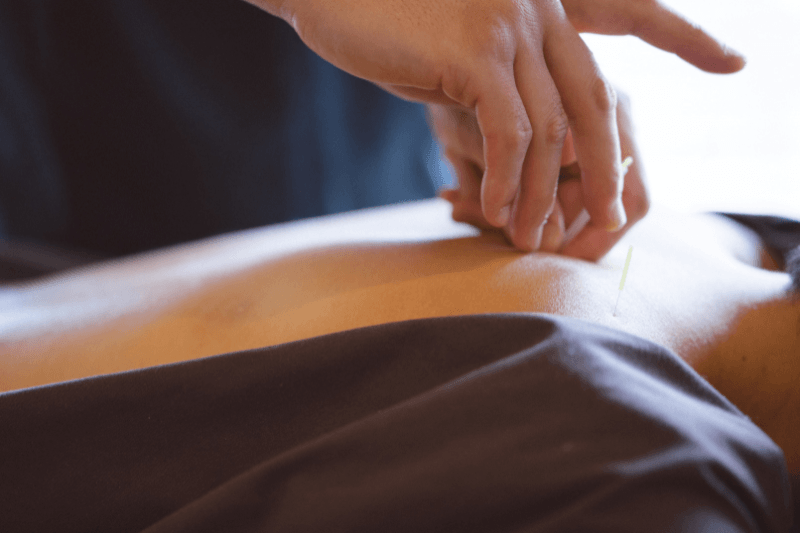
Acupuncture should only begin after the patient is medically stable and cleared for complementary care. Stroke is a medical emergency, and acute symptoms require immediate emergency treatment.
Rehabilitation often begins in the hospital within a day or two when appropriate, and therapy may continue after discharge through inpatient rehabilitation, outpatient therapy, or home-based care. Acupuncture is often considered after hospital discharge or once the patient’s medical team confirms that it is safe.
Timing depends on:
- Type of stroke
- Severity of symptoms
- Blood pressure stability
- Medication use
- Bleeding risk
- Mobility and transfer ability
- Cognitive status
- Presence of swallowing issues
- Overall medical condition
Acupuncture may also be considered months or years after a stroke. Chronic recovery can still involve goals such as pain reduction, stiffness management, better sleep, improved comfort, and support for ongoing rehabilitation.
What to Expect During a Stroke Recovery Acupuncture Visit at ACA
Post-stroke acupuncture care usually begins with a detailed intake. The acupuncturist reviews the patient’s health history, stroke timeline, current symptoms, medications, rehabilitation plan, and safety considerations.
A visit may include discussion of:
- Stroke date and type, if known
- Affected side of the body
- Mobility limitations
- Pain, stiffness, numbness, or weakness
- Speech or swallowing concerns
- Sleep, fatigue, mood, and stress
- Current physical, occupational, or speech therapy
- Medications, including blood thinners
- Blood pressure or cardiovascular concerns
- Fall risk or transfer needs
Treatment may include body acupuncture, scalp acupuncture, ear acupuncture, electroacupuncture when appropriate, or other TCM therapies. Positioning is adapted for comfort and safety. Some patients may lie on a treatment table, while others may need side-lying, supported positioning, or seated treatment.
Patients often ask how many sessions are needed. The answer depends on the stage of recovery, symptom severity, overall health, and treatment goals. Some patients begin with more frequent visits and then adjust as symptoms change. Progress is reassessed over time.
What Other TCM Therapies May Be Considered?
Acupuncture is only one part of Traditional Chinese Medicine. Depending on the patient’s condition and safety needs, our acupuncturists may also consider:
Chinese Herbal Medicine
Chinese herbal medicine may be used cautiously and only when appropriate. This is especially important after stroke because many patients take blood thinners, blood pressure medications, cholesterol medications, diabetes medications, or other prescriptions. Herbs should be reviewed carefully for possible interactions.
Cupping
Cupping may help with muscle tension in some patients, but it is not appropriate for everyone after stroke. Patients with blood thinners, fragile skin, bruising risk, poor sensation, or certain medical conditions may not be good candidates.
Moxibustion
Moxibustion uses gentle heat near acupuncture points. It may be considered for certain deficiency or cold patterns in TCM, but heat sensitivity, sensation changes, and skin safety must be considered.
Ear Seeding
Ear seeding may provide gentle, non-needle stimulation between visits. They may be used for stress, sleep, relaxation, or symptom support.
Tuina Massage
Tuina massage is a form of Chinese medical bodywork. For stroke recovery, it must be gentle and adapted to the patient’s strength, sensation, and mobility.
Food Therapy and Lifestyle Guidance
TCM food therapy may support digestion, energy, and general recovery. For stroke patients, nutrition guidance should also align with medical recommendations for blood pressure, cholesterol, blood sugar, and cardiovascular risk.
Safety: Who Should Talk to a Doctor First?
Stroke recovery requires careful medical coordination. Patients should speak with a physician, neurologist, or rehabilitation specialist before starting acupuncture, especially if they have complex medical needs.
Medical clearance is especially important for patients with:
- Recent stroke
- Unstable blood pressure
- New or worsening neurological symptoms
- Blood thinner use
- Bleeding disorders
- Seizure history
- Pacemaker or implanted electrical device
- Severe heart disease
- High fall risk
- Skin infection or open wounds
- Severe cognitive confusion
- Difficulty communicating pain or discomfort
Acupuncture is generally considered low risk when performed by a licensed professional, but stroke patients often need extra caution because of medication use, mobility changes, sensation changes, and cardiovascular concerns.
How Acupuncture Fits Into a Full Stroke Rehabilitation Plan
The strongest stroke recovery plans are usually collaborative. Acupuncture may fit into a care team that includes:
- Neurologist
- Primary care physician
- Physiatrist
- Physical therapist
- Occupational therapist
- Speech-language pathologist
- Cardiologist when needed
- Mental health professional
- Nutrition support
- Family or caregiver support
Stroke rehabilitation often focuses on helping patients rebuild strength, improve movement, relearn daily skills, support communication, and manage complications that may affect independence. Acupuncture should support that process, not compete with it.
For example, a physical therapist may work on gait training, balance, and leg strength. An occupational therapist may help with dressing, hand use, and daily tasks. A speech-language pathologist may support swallowing, speech, or cognition. Acupuncture may help by reducing pain, calming muscle tension, supporting sleep, and improving comfort so the patient can participate more consistently in the rehabilitation process.
How Many Acupuncture Sessions Are Needed After Stroke?
The number of sessions depends on the patient’s condition, goals, and response. A patient with recent stroke, significant spasticity, and multiple symptoms may need a different plan than someone years into recovery who mainly wants help with shoulder pain or sleep.
A care plan may consider:
- How recently the stroke occurred
- Severity of weakness or spasticity
- Pain level
- Mobility goals
- Current therapy schedule
- Fatigue and stamina
- Medication use
- Safety factors
- Response after each session
Some patients may start with weekly or more frequent care for a period of time, then reduce frequency as symptoms improve or goals change. Others may use acupuncture periodically for symptom management and long-term support.
How to Choose an Acupuncturist for Stroke Recovery
Choosing the right acupuncturist matters, especially after a major neurological event. Patients should look for a licensed acupuncturist who understands safety screening, neurological symptoms, rehabilitation goals, and the importance of coordinated care.
A good acupuncturist should:
- Ask about the stroke timeline and diagnosis
- Review medications and medical history
- Understand red flags that require medical care
- Adapt treatment for mobility and comfort
- Avoid unrealistic promises
- Explain the treatment plan clearly
- Coordinate with the patient’s broader care when needed
- Support rehabilitation rather than replace it
Stroke recovery can be emotional and physically demanding, so treatment should feel supportive, realistic, and respectful of the patient’s pace.
A Supportive, Integrative Path for Stroke Rehabilitation
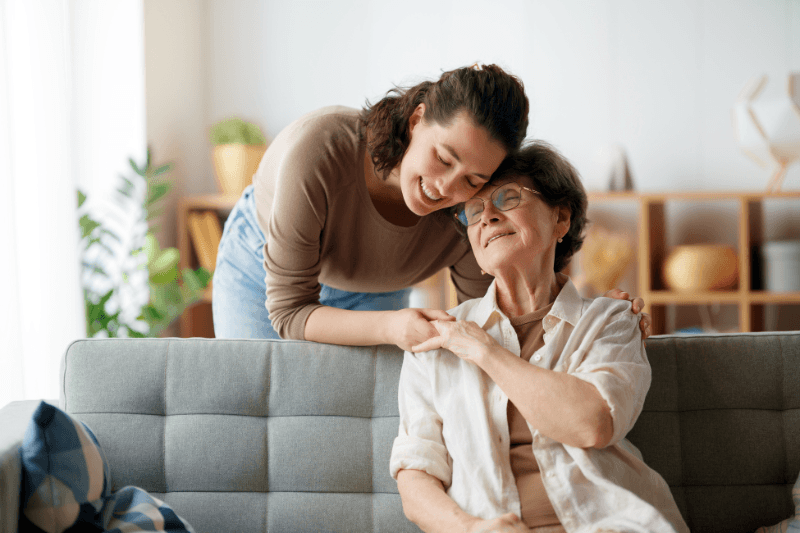
Stroke recovery requires patience, structure, and the right support team. Acupuncture may be one way to support the body during that process, especially when pain, stiffness, stress, poor sleep, or muscle tension make rehabilitation harder.
At ACA Acupuncture & Wellness, our acupuncturists use a personalized TCM approach to support post-stroke recovery goals while respecting the importance of medical care and rehabilitation. Depending on your needs, acupuncture may be combined with related therapies such as Chinese herbal medicine, cupping, moxibustion, ear seeding, reflexology, Tuina massage, or thermal therapy when appropriate.
If you or a loved one is recovering from a stroke, speak with your physician or neurologist first. Once acupuncture is considered safe for your situation, our team can help create a supportive care plan focused on comfort, mobility, nervous system balance, and whole-body healing.
Sources:
Centers for Disease Control and Prevention. (2024, May 15). Treatment and intervention for stroke.
Ke, C., Zhao, X., Wang, J., Liu, Y., & Zhang, H. (2025). Acupuncture and stroke motor rehabilitation: A decade of clinical research. Frontiers in Neurology.
National Institute of Neurological Disorders and Stroke. (n.d.). Stroke recovery. National Institutes of Health.
Acupuncture does not reverse stroke damage. It may support recovery by helping with symptoms such as pain, stiffness, muscle tension, sleep disruption, and nervous system regulation. Stroke rehabilitation should still be guided by medical and rehabilitation professionals.
Acupuncture may be safe for some stroke survivors when performed by a licensed professional and medically cleared. Safety depends on the patient’s stroke history, medications, blood pressure, bleeding risk, mobility, and overall health.
Acupuncture may support motor rehabilitation in some patients, especially when combined with physical and occupational therapy. It should not be described as a cure for paralysis. The goal is to support function, comfort, and participation in rehabilitation.
Acupuncture may help reduce discomfort and muscle tightness associated with post-stroke spasticity. It is often most useful when combined with stretching, physical therapy, occupational therapy, positioning, and medical management.
Acupuncture may be considered as supportive care for swallowing difficulty, but dysphagia must be evaluated and managed by medical providers and speech-language pathologists. Swallowing problems can be serious and should not be self-treated.
Acupuncture should begin only after the patient is medically stable and cleared by a healthcare provider. Many patients consider acupuncture after hospital discharge or during outpatient rehabilitation, depending on their condition.
Testimonials

Cart (0)
Your cart is currently empty.

Cart (0)
Your cart is currently empty.