

Chinese Medicine for Fertility: Traditional Healing for Modern Parenthood
Key Takeaways
- Chinese Medicine supports fertility by regulating hormones, circulation, and nervous system balance
- Acupuncture and herbal medicine are used together based on individualized diagnosis
- Treatment can improve egg quality, uterine lining, and sperm parameters
- Chinese Medicine is commonly used alongside IVF and IUI
- Safety depends on working with a licensed, fertility-trained practitioner
How Chinese Medicine Supports Fertility

Chinese Medicine improves fertility by addressing three core physiological drivers: hormonal regulation, blood flow to reproductive organs, and stress-related nervous system imbalance.
Hormonal Regulation
Acupuncture influences the hypothalamic-pituitary-ovarian axis, which governs ovulation, menstrual timing, and hormone signaling. By calming sympathetic nervous system overactivity and supporting parasympathetic tone, acupuncture helps normalize cycle length, ovulation timing, and luteal phase stability.
Blood Flow and Uterine Health
Adequate blood flow to the uterus and ovaries is essential for follicle development, endometrial thickness, and implantation. Acupuncture improves pelvic circulation, while herbal formulas address blood deficiency or blood stagnation that may impair uterine receptivity.
Nervous System and Stress Balance
Chronic stress disrupts ovulation and sperm production through cortisol and inflammatory pathways. Chinese Medicine directly targets stress-related patterns, reducing anxiety, improving sleep, and creating a hormonal environment more conducive to conception.
Core Fertility Systems in Chinese Medicine
Chinese Medicine views fertility as the coordinated function of several organ systems rather than a single reproductive mechanism.
Kidney System and Reproductive Essence
The Kidneys store Jing, also called reproductive essence. Jing determines egg quality, sperm quality, ovarian reserve, and long-term reproductive capacity. Kidney deficiency patterns are common in advanced maternal age, diminished ovarian reserve, and chronic infertility.
Liver System and Cycle Regulation
The Liver governs the smooth flow of Qi and Blood. When Liver Qi stagnates, ovulation may be delayed, cycles become irregular, and PMS symptoms intensify. Emotional stress is a primary contributor to Liver imbalance.
Spleen System and Nutrient Assimilation
The Spleen converts food into Qi and Blood. Weak digestion leads to poor blood nourishment of the uterus and ovaries. Spleen deficiency is often associated with luteal phase defects, fatigue, and early pregnancy loss.
Common Fertility Patterns in Chinese Medicine

Rather than diagnosing infertility by condition alone, Chinese Medicine identifies patterns that explain why conception is impaired.
Kidney Deficiency
- Associated with low ovarian reserve, poor egg quality, low sperm count
- Symptoms include fatigue, low libido, irregular cycles, cold sensations
- Treatment focuses on nourishing essence and stabilizing hormones
Liver Qi Stagnation
- Common in stress-related infertility and unexplained infertility
- Symptoms include cycle irregularity, breast tenderness, irritability
- Treatment restores smooth hormonal and circulatory flow
Blood Stasis
- Impairs implantation and uterine receptivity
- Symptoms include painful periods, clotting, dark menstrual blood
- Treatment improves circulation to the uterus
Dampness and Damp-Heat
- Often associated with PCOS and metabolic imbalance
- Symptoms include discharge, bloating, irregular ovulation
- Treatment improves digestion and hormonal signaling
Chinese Herbal Medicine for Fertility
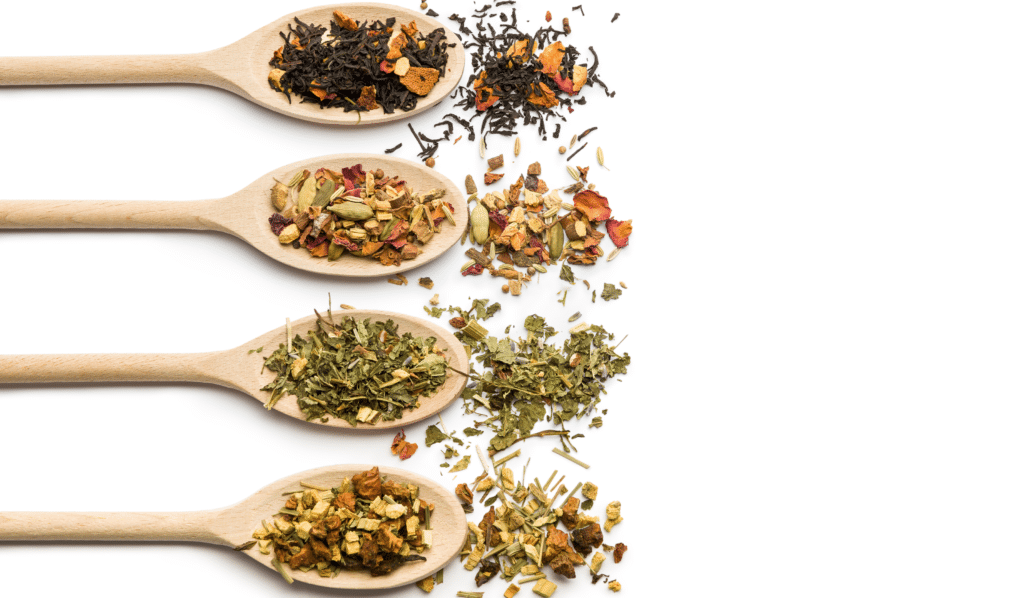
Chinese herbal medicine is prescribed in formulas, not as single herbs. Each formula is customized based on cycle phase and diagnostic pattern.
How Herbal Formulas Work
Formulas are adjusted throughout the menstrual cycle to support follicular development, ovulation, implantation, or menstrual regulation. Herbs are selected to nourish blood, strengthen Kidney essence, regulate hormones, and improve circulation.
Safety and Customization
Herbal formulas must be prescribed by a licensed practitioner trained in fertility care. Self-prescribing can interfere with medications or disrupt cycle timing. During IVF, herbs are often paused during stimulation and resumed post-transfer if appropriate.
Acupuncture for Fertility
Acupuncture is one of the most researched Chinese Medicine modalities for fertility support.
Natural Conception
Regular acupuncture improves cycle regularity, ovulation consistency, and uterine blood flow. Many patients begin to see cycle improvements within two to three months.
IVF and Assisted Reproductive Technology
Acupuncture is commonly used before and after embryo transfer to improve implantation rates. Research suggests improved live birth rates when acupuncture is integrated with IVF protocols.
Mechanisms of Action
- Improves ovarian and uterine blood flow
- Regulates hormone signaling
- Reduces stress-induced cortisol elevation
Chinese Medicine for Male Fertility
Chinese Medicine treats male fertility as equally important to conception outcomes.
Key Focus Areas
- Sperm count, motility, and morphology
- Testosterone regulation
- Oxidative stress reduction
Common Male Patterns
Kidney Yang deficiency, Kidney Yin deficiency, and Damp-Heat accumulation are commonly associated with poor semen parameters. Treatment strengthens essence, improves circulation, and protects sperm integrity.
Outcomes
Men often see measurable improvements in semen analysis after three months of consistent treatment, which aligns with the sperm development cycle.
Integrating Chinese Medicine with IVF and ART
Chinese Medicine is frequently used as adjunct care during IVF, IUI, and ICSI.
Phase-Based Support
- Pre-cycle preparation improves egg and sperm quality
- During stimulation, acupuncture supports circulation and stress regulation
- Post-transfer care focuses on uterine stability and nervous system balance
Communication with Medical Teams
Patients should inform their reproductive endocrinologist about herbal use. A qualified Chinese Medicine practitioner will coordinate care safely and appropriately.
Safety, Regulation, and Practitioner Selection
Chinese Medicine for fertility is safe when practiced by licensed professionals trained in reproductive health.
What to Look For
- State licensure
- Fertility-focused clinical experience
- Understanding of IVF protocols
- Willingness to collaborate with medical providers
Herbs should be discontinued or adjusted during pregnancy unless specifically indicated and supervised.
What to Expect from Chinese Medicine Fertility Care

Fertility treatment in Chinese Medicine is gradual and cycle-based.
Typical Timeline
- Cycle regulation and symptom improvement within 1 to 3 months
- Egg and sperm quality support over 3 to 6 months
- IVF preparation often begins 8 to 12 weeks before stimulation
Treatment Structure
Care includes acupuncture sessions, herbal prescriptions, dietary guidance, and stress regulation strategies. Plans are adjusted monthly based on response.
Who Chinese Medicine for Fertility Is Best Suited For
Chinese Medicine is well suited for individuals seeking natural fertility support, those with unexplained infertility, people preparing for IVF, and couples addressing both female and male reproductive factors. It is especially valuable for those who want a personalized, systems-based approach that addresses root causes rather than symptoms alone.
By restoring internal balance, regulating hormones, and supporting reproductive physiology, Chinese Medicine provides a comprehensive path toward healthier conception and long-term reproductive wellness.
Embracing a Holistic Path to Parenthood

Every fertility journey is different, but a holistic, personalized approach like Chinese Medicine provides a path that honors both science and spirit. It’s not only about trying to conceive, it’s about creating the right internal environment for life to thrive, now and into the future.
At ACA Acupuncture and Wellness, we’re here to support you at every step of your fertility journey. Our practitioners create personalized treatment plans that blend traditional wisdom with modern care.
Sources:
Shen, X. (2023). Successful live births after Chinese herbal medicine treatment on a patient of advanced maternal age with severe diminished ovarian reserve: A case report. Case Reports in Women’s Health, 38, e00406.
Liao, Y.-H., Lin, J.-G., Lin, C.-C., Tsai, C.-C., Lai, H.-L., & Li, T.-C. (2020). Traditional Chinese medicine treatment associated with female infertility in Taiwan: A population-based case-control study. Evidence-Based Complementary and Alternative Medicine, 2020, Article 8852528.
Ried, K. (2015). Chinese herbal medicine for female infertility: An updated meta-analysis. Complementary Therapies in Medicine, 23(1), 116–128.
Acupuncture plays an essential role in Chinese Medicine fertility treatment by supporting reproductive health on multiple levels. By stimulating specific points along the body’s meridians, acupuncture enhances blood flow to the ovaries and uterus, helping nourish the reproductive organs and support healthy follicle development and endometrial lining. Improved circulation encourages optimal conditions for conception.
Acupuncture also helps regulate hormone levels by influencing the hypothalamic-pituitary-ovarian axis, which is vital for ovulation and menstrual balance. Beyond physical benefits, acupuncture calms the nervous system, reduces stress, and eases anxiety that may interfere with conception. When combined with other therapies, acupuncture creates a more receptive environment for natural conception and can complement assisted reproductive treatments like IVF.
Chinese Medicine is commonly used alongside IVF to enhance preparation and support better outcomes. Treatments aim to strengthen the body before the IVF cycle begins, focusing on improving egg quality, regulating hormones, and creating an optimal uterine environment for implantation. Acupuncture helps increase blood flow to the ovaries and uterus, while herbal support (when appropriate) and lifestyle recommendations address overall balance and emotional wellbeing.
Chinese Medicine can also help reduce side effects from fertility medications, such as bloating and mood changes, while managing stress throughout the IVF process. Working in harmony with your medical care team, Chinese Medicine prepares your body to respond more effectively to IVF protocols and supports a healthy pregnancy outcome.
When practiced by a qualified and licensed practitioner, the use of Chinese Medicine during pregnancy is safe and can provide valuable support, especially in the early stages. Treatments are carefully selected to suit the specific needs of pregnancy, focusing on stabilizing and nurturing the mother’s health while supporting fetal development.
During the first trimester, Chinese Medicine often aims to strengthen Kidney energy, promote healthy blood flow to the uterus, and ease common symptoms like nausea, fatigue, or emotional fluctuations. As pregnancy progresses, treatments continue to focus on maintaining balance, reducing stress, and preparing the body for a healthy delivery. It’s important to work closely with an experienced practitioner who understands how to safely support pregnancy at every stage.
Yes, Chinese Medicine is used effectively to treat male infertility through a personalized and holistic approach. Treatments focus on strengthening the Kidneys, which are considered the root of reproductive vitality, and improving overall balance within the body.
By promoting healthy circulation to the reproductive organs, supporting hormone regulation, and nourishing Jing (essential life essence), Chinese Medicine enhances sperm count, motility, and quality. Acupuncture and tailored lifestyle guidance play an important role in this process, helping to reduce stress and promote overall wellbeing. Together, these therapies create a more supportive environment for male reproductive health and increase the chances of successful conception.
In Chinese Medicine, the effect of stress on fertility is considered significant. Emotional stress can stagnate the flow of Qi (energy) and Blood, particularly affecting the Liver, which plays a vital role in hormone regulation and reproductive function.
When Liver Qi becomes stagnant, it can interfere with ovulation, menstrual health, and even sperm production. Chronic stress may also contribute to hormonal imbalances that disrupt natural fertility rhythms. Chinese Medicine addresses stress holistically, using approaches such as acupuncture, lifestyle adjustments, breathing techniques, and dietary guidance to restore the smooth flow of energy and promote calm within the body.
Beyond fertility, emotional stress is also understood to influence the later stages of pregnancy. Specific techniques in Chinese Medicine are used to gently encourage the body’s natural readiness for labor. These methods focus on supporting relaxation, improving circulation to the pelvis, and creating a balanced internal environment that allows labor to progress when the body is prepared.
By managing stress effectively throughout the reproductive journey, Chinese Medicine helps create a healthier, more balanced environment for fertility, pregnancy, and the natural onset of labor.
Chinese Medicine explains unexplained infertility as a reflection of subtle imbalances in the body’s internal systems that may not be detectable through conventional medical testing. While blood tests and scans might appear normal, TCM looks deeper into energetic patterns involving Qi flow, Blood quality, and the strength of the Kidneys and Liver.
Factors such as emotional wellbeing, digestion, and environmental influences are also considered. Chinese Medicine treatment for unexplained infertility focuses on uncovering these hidden patterns and applying personalized therapies to restore balance. By addressing both physical and energetic health, Chinese Medicine offers hope and meaningful support for couples experiencing unexplained fertility challenges.
Testimonials

Cart (0)
Your cart is currently empty.


Cart (0)
Your cart is currently empty.