

Natural Remedies for Chronic Cough: Understanding TCM Lung Qi Imbalances
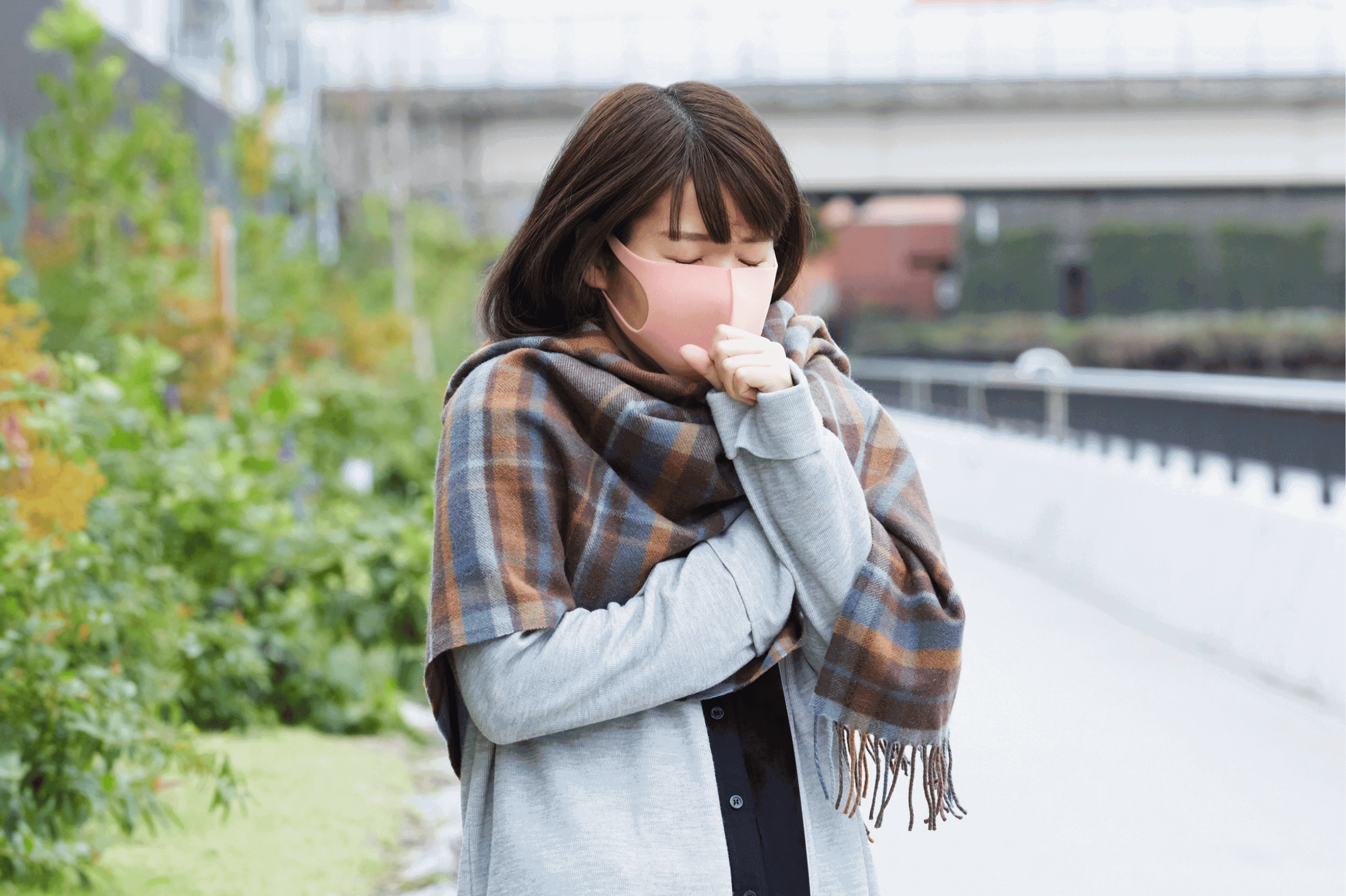
Key Takeaways
- Chronic cough in TCM is classified by functional pattern, not diagnosis alone
- Lung Qi imbalances may involve the Spleen, Liver, or Kidneys
- Heat, Cold, and Deficiency patterns require distinct herbal strategies
- Acupuncture points such as CV-22, BL-13, and ST-36 regulate respiratory function
- Diet and lifestyle adjustments significantly influence recovery speed
What Is Chronic Cough from a Western and TCM Perspective?

Western Medical Definition
In conventional medicine, chronic cough is defined as a cough lasting longer than eight weeks. Common causes include:
- Post-viral airway inflammation
- Gastroesophageal reflux disease
- Asthma
- Allergic rhinitis
- Postnasal drip
Diagnostic imaging and pulmonary testing often rule out infection or malignancy. Yet many individuals continue coughing despite normal chest X-rays and standard treatment. When inhalers and acid blockers fail, frustration grows.
TCM Definition of Chronic Cough
In Traditional Chinese Medicine, the Lungs govern Qi and respiration. They control the dispersing and descending of Qi, regulate fluids, and support Wei Qi, the body’s defensive immune layer. Chronic cough develops when this system becomes disrupted.
External pathogenic factors include Wind, Cold, Heat, Dampness, and Dryness. Internal organ imbalances may also weaken Lung function over time.
Why Chronic Cough Persists
Persistent cough may stem from:
- Unresolved exterior pathogens lingering in the Lung system
- Residual heat damages lung fluids
- Lung Qi or Lung Yin deficiency
- Phlegm accumulation from Spleen dysfunction
Rather than suppressing cough, TCM restores proper movement of Qi.
Understanding Lung Qi and Its Role in Respiratory Health
Lung Qi governs breathing, immune defense, and fluid regulation; when it becomes obstructed, deficient, or overheated, chronic cough develops.
What Is Lung Qi?
Lung Qi is a functional concept describing the energy that powers respiration and immune defense. It has two primary movements:
- Dispersing outward to protect the body
- Descending downward to regulate breathing
The Lungs also influence the skin and pores, explaining why individuals prone to chronic cough often report easy sweating or frequent colds.
Lung Qi Dysfunction Mechanisms
Chronic cough arises when:
- The descending function fails and Qi rebels upward
- Phlegm obstructs the airways
- Lung fluids dry out
- Qi becomes weak and unable to anchor respiration
Each mechanism requires a different therapeutic approach.
Major TCM Patterns Behind Chronic Cough

1. Heat in the Lungs
Heat in the Lungs produces a dry or productive cough with thick yellow phlegm, sore throat, and irritability.
Common causes include smoking, pollution exposure, and unresolved infection. Signs may include a red tongue and rapid pulse.
Herbal strategies often include:
- Chuan Bei Mu to clear Heat and transform phlegm
- Sang Ye to disperse Lung Heat
- Gan Cao to soothe the throat
Dietary adjustments emphasize cooling and moistening foods. Dairy can worsen phlegm by contributing to Damp accumulation.
2. Cold in the Lungs
Cold in the Lungs causes cough with clear mucus, chills, chest tightness, and aversion to cold air. This pattern may follow Wind-Cold invasion, especially in individuals with weak Wei Qi.
Warming herbs include:
- Fresh ginger
- Zi Su Ye
- Appropriate Ma Huang alternatives under supervision
Warming soups and avoidance of raw foods support recovery.
3. Lung Qi Deficiency
Lung Qi Deficiency presents as a weak, chronic cough with fatigue, shortness of breath, and frequent colds. Contributing factors include overwork, chronic illness, aging, and postpartum weakness.
Herbs such as Huang Qi and gentle Ren Shen alternatives strengthen defensive Qi. Gan Cao harmonizes formulas. Acupuncture at ST-36 enhances systemic resilience and immune regulation.
4. Lung Yin Deficiency
This pattern presents as a dry cough with little or no phlegm, night sweats, and throat dryness. Individuals may have a thinner body type.
Herbs such as Mai Men Dong and Sha Shen replenish Lung fluids. Modern parallels include post-viral dryness and some cases of long COVID-related cough.
5. Phlegm-Damp Accumulation
Patients report heavy chest sensation and thick sputum. This pattern often links to Spleen Qi deficiency and dietary excess of greasy or sweet foods. Addressing digestion becomes as important as treating the Lung.
Internal Organ Contributions to Chronic Cough
Spleen Qi Deficiency and Damp Production
The Spleen is responsible for transforming and transporting fluids throughout the body. When it becomes weak, Dampness accumulates and forms phlegm, which can lodge in the Lungs and contribute to chronic cough.
Liver Qi Stagnation and Stress-Triggered Cough
Emotional stress can disrupt the smooth flow of Liver Qi. When Liver Qi stagnates, it may overact on the Lungs and trigger coughing or a sensation of throat tightness.
Kidney Deficiency and Long-Term Respiratory Weakness
The Kidneys help anchor and grasp Qi during inhalation. In long-standing or age-related cases, Kidney weakness can impair deep breathing and perpetuate chronic cough.
Natural Herbal Remedies in TCM for Chronic Cough
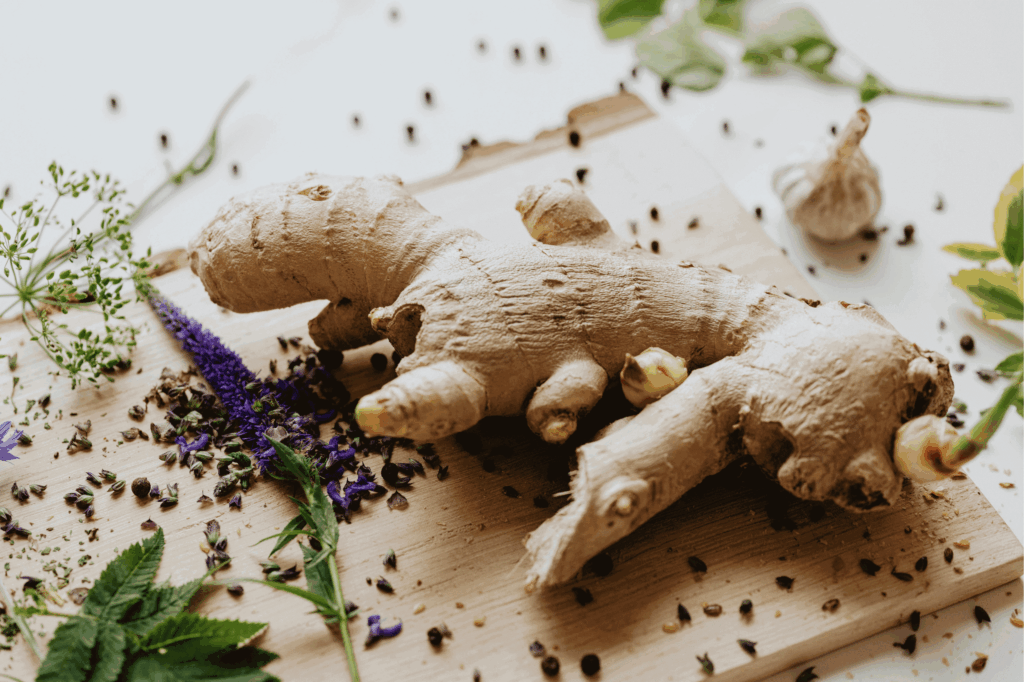
TCM herbal therapy for chronic cough combines moistening, clearing, tonifying, or warming herbs based on the patient’s pattern rather than using a single universal formula.
- Licorice Root (Gan Cao): Traditionally classified as sweet and neutral. It soothes the throat and harmonizes formulas. Modern research highlights anti-inflammatory and demulcent properties.
- Chuan Bei Mu: Clears Heat and transforms phlegm. Used for thick sputum and dry cough.
- Mullein: Commonly used in Western herbalism for lung congestion. Contains saponins that support expectoration.
- Marshmallow Root: Rich in mucilage, helpful for soothing inflamed mucosa.
- Ginger: Warming and dispersing. Enhances circulation in Cold patterns.
- Chinese Pear and Snow Fungus: Moistening foods traditionally used for Lung dryness.
- Huang Qi: Tonifies Qi and strengthens immune defense.
- Mai Men Dong: Nourishes Lung Yin and replenishes fluids.
Safety is essential. Self-prescribing without pattern identification may worsen symptoms. For example, warming herbs can aggravate Heat conditions.
Research and Clinical Evidence Supporting Natural Remedies for Chronic Cough

Emerging research supports the role of natural products in managing chronic cough, particularly when conventional therapies provide incomplete relief. A peer-reviewed review published in Chronic Respiratory Disease evaluated natural products used for chronic cough and found that certain herbal compounds demonstrate antitussive, anti-inflammatory, and immunomodulatory effects that may benefit persistent respiratory symptoms.
Shergis et al. (2015) examined available clinical and preclinical evidence on natural therapies and concluded that several botanical interventions show promise in reducing cough frequency and improving respiratory comfort, though further high-quality trials are needed to strengthen the evidence base.
Importantly, the review emphasizes that chronic cough is multifactorial and often resistant to single-modality treatment. This aligns with Traditional Chinese Medicine’s systems-based model, which considers immune regulation, inflammation, airway sensitivity, and internal organ balance when developing a treatment strategy.
Acupuncture for Chronic Cough
Acupuncture regulates Lung Qi, clears phlegm, reduces inflammation, and restores proper respiratory rhythm.
Common points include:
- CV-22 to open the throat
- BL-13 to strengthen Lung function
- ST-36 to tonify Qi
- LU-7 to regulate descending function
- KI-3 to support Kidney grasping of Qi
Modern studies suggest acupuncture influences neuroimmune modulation and vagus nerve activity, supporting anti-inflammatory pathways.
Diet and Lifestyle Therapy in TCM
Foods That Worsen Chronic Cough
- Dairy in Damp patterns
- Fried and greasy foods
- Excess sugar
- Cold raw foods in Cold patterns
Lung-Nourishing Foods
- Warm soups
- Steamed pears
- Lightly cooked vegetables
Warm Fluids and Hydration
Warm water and herbal teas maintain fluid balance without chilling digestion.
Qigong and Breath Training
Gentle breathing exercises improve Lung capacity and Qi circulation.
Environmental Factors
Reducing exposure to smoke, dust, and dry indoor air supports recovery.
When to Seek Professional Evaluation
Red flag symptoms include:
- Hemoptysis
- Unexplained weight loss
- Persistent fever
- Severe shortness of breath
Integrative collaboration with pulmonology ensures safety while addressing functional imbalance.
Why Pattern Differentiation Matters More Than Symptom Suppression
Suppressing cough temporarily quiets the symptom. Correcting the underlying pattern restores physiological harmony. Chronic cough resolves when Lung Qi descends properly, fluids are balanced, and internal organs support respiratory function.
At ACA Acupuncture and Wellness, our acupuncturists emphasize individualized treatment plans grounded in precise pattern identification. Sustainable recovery requires addressing the root, not silencing the signal.
Souce:
Shergis, J. L., Wu, L., May, B. H., Zhang, A. L., Guo, X., Lu, C., & Xue, C. C. (2015). Natural products for chronic cough. Chronic Respiratory Disease, 12(3), 204–211.
A chronic cough lasting more than eight weeks can be caused by asthma, allergies, postnasal drip, GERD, post-viral inflammation, or chronic airway irritation. In Traditional Chinese Medicine, it may also result from Lung Qi imbalance, phlegm accumulation, or organ deficiencies.
Effective treatment depends on identifying and correcting the underlying cause rather than suppressing the symptom alone. Integrative approaches may include medical evaluation, acupuncture, herbal therapy, dietary changes, and breathing exercises.
Yes, allergies can trigger chronic cough due to persistent airway inflammation and postnasal drip. Ongoing exposure to allergens can keep the cough reflex activated even without infection.
Natural remedies may include herbal therapies, warm fluids, dietary adjustments, and acupuncture tailored to the underlying pattern. Supporting immune function and reducing phlegm or dryness are key components of recovery.
CV-22, located at the center of the upper chest just above the sternum notch, is commonly used to relieve cough and open the throat. LU-7 on the wrist is also used to regulate Lung Qi and reduce coughing episodes.
Dairy, fried foods, excess sugar, and cold raw foods can worsen phlegm or constrict the airways in susceptible individuals. Spicy foods may aggravate cough in Heat patterns.
Testimonials

Cart (0)
Your cart is currently empty.



Cart (0)
Your cart is currently empty.