

The Role of the Liver in Chinese Medicine: Regulating Qi, Emotions, and Detoxification
Key Takeaways
- Liver Qi flow supports smooth energy movement and helps prevent emotional and physical stagnation.
- Liver blood balance nourishes the eyes, tendons, and reproductive health for overall vitality.
- Liver–emotion connection shows how stress and frustration can directly disrupt liver harmony.
- Liver detox function in TCM focuses on gentle energetic cleansing rather than aggressive purification.
- Liver–digestive link highlights how disrupted liver Qi can trigger bloating, irregular appetite, and digestive tension.
The Liver’s Fundamental Role in TCM
The Concept of Qi and the Liver’s Responsibility
Qi, often described as the vital life force permeating every inch of the human body, is central to TCM philosophy. The liver’s unique responsibility lies in regulating the smooth and unimpeded flow of Qi throughout the body’s channels. When Qi flows freely, energy, blood, and fluids circulate harmoniously, fostering balance and vitality. However, when liver Qi stagnates, whether due to stress, poor diet, or emotional upheaval, this vital flow becomes obstructed, inviting a cascade of symptoms such as irritability, digestive disturbances, and even menstrual irregularities.
This stagnation does not simply cause discomfort; it symbolizes a deeper energetic disruption. Over time, unaddressed liver Qi stagnation may transform into liver heat or fire, amplifying emotional turbulence and physical health challenges, urging us to listen to the subtleties of our energy’s movement.
Liver and Blood Regulation
The liver’s profound role in storing and regulating blood is another jewel of TCM wisdom. Unlike the Western concept limited to hemoglobin and circulation, liver blood in TCM nurtures muscles, tendons, and reproductive functions. This nurturing is especially critical for menstrual health, where a deficiency in liver blood can result in light or absent periods, dizziness, and dry skin.
Women, in particular, may notice how emotional stress or physical strain impacts their menstrual cycles, symptoms rooted in liver blood imbalance. Recognizing these connections encourages proactive care, using nourishment and rest to replenish this vital resource.
Emotional Regulation and the Liver
In TCM, the liver is as much an emotional organ as it is physical. It is closely linked to the dynamic spectrum of anger, frustration, and stress. When the liver’s energy flows smoothly, emotions remain balanced, fostering resilience and adaptability. But when liver function falters, emotions can spiral, leading to irritability or even depression.
This intimate relationship teaches us that emotional well-being is inseparable from physical health. Supporting the liver, therefore, becomes a pathway to emotional freedom, highlighting the necessity of holistic treatments that address both body and mind.
Liver’s Role in Detoxification and Physiology
While modern medicine defines detoxification mainly as chemical processing by enzymes, TCM envisions the liver as an energetic purifier, cleansing the blood and harmonizing systemic functions. This detoxifying role emphasizes gentle balancing rather than aggressive flushing. The liver’s ability to transform and eliminate “internal dampness” and pathogenic factors, such as heat or wind, makes it a pillar of vitality, especially during seasonal changes or illness.
Liver Health and Digestive Harmony
TCM describes the digestive system as a harmonious collaboration between the spleen, stomach, and liver Qi. When liver Qi flows without obstruction, it allows the spleen and stomach to perform efficient digestion and absorption. Any frustration to liver Qi can disrupt this balance, manifesting as bloating, indigestion, or inconsistent appetite. Such symptoms often reveal underlying liver dysfunction far in advance of serious disease.
The Liver’s Influence on Eye Health and Vision
A distinctive aspect of liver function in TCM is its strong connection to the eyes. The liver’s blood nourishes the eyes, supporting clear vision and eye vitality. Problems like dry eyes, blurred vision, or sensitivity to light may indicate liver blood deficiency or stagnation. Exploring this link further reminds us that eye health is not isolated but reflective of deeper organ energetics.
The Liver and the Tendons: Movement and Flexibility
Less commonly discussed, the liver’s influence over tendons and ligaments underscores its importance in movement and flexibility. Liver blood sustains these tissues, granting them resilience and strength. In TCM, stiff joints, muscle cramps, or tendon injuries often hint at liver blood deficiency or impaired liver function, further demonstrating how vital the liver is for physical agility and balance.
Common Liver Imbalances in Chinese Medicine

Liver Qi Stagnation: Causes, Symptoms, and Treatments
Liver Qi stagnation often develops due to emotional stress, an imbalanced diet, or insufficient movement. It can appear through a variety of signs, such as:
- Mood swings or irritability
- Digestive discomfort, bloating, or irregular appetite
- Menstrual irregularities or PMS symptoms
TCM approaches commonly involve gentle Qi-moving herbs, acupuncture sessions that support smoother energetic flow, and movement or breathing practices designed to ease emotional tension and promote physical relaxation.
Liver Blood Deficiency and Its Implications
This condition often develops due to prolonged stress, trauma, or inadequate nutrition. Common signs may include:
- Pale or dull complexion
- Dry eyes or visual fatigue
- Low energy or overall tiredness
Gentle restorative herbs, blood-nourishing foods, and mindful lifestyle adjustments work together to replenish liver blood and support long-term vitality.
Liver Heat and Liver Fire Syndromes
When stagnation persists, it may generate heat or fire within the liver, leading to symptoms that signal internal imbalance. These may include:
- Headaches or migraines
- Red or irritated eyes
- Sudden anger, frustration, or emotional outbursts
- A bitter taste in the mouth
Cooling herbs and calming acupuncture points are typically used to ease this fiery pattern by soothing liver Yang and restoring internal harmony.
Liver Wind and Its Manifestations
Liver wind is considered a more advanced imbalance and is often connected to neurological symptoms. These may include:
- Dizziness or vertigo
- Tremors or involuntary shaking
- Muscle spasms or sudden movements
This pattern highlights the liver’s essential role in supporting neurological stability and reinforces the importance of timely care and intervention.
Diagnostic Methods for Liver Issues in TCM
Pulse Diagnosis and Liver Health Indicators
Pulse diagnosis remains a powerful TCM method for identifying liver imbalances by examining the quality, depth, and rhythm of the pulse. Our practitioners often focus on wiry or uneven pulse qualities that reflect disruptions in liver Qi or deficiencies in liver blood. These subtle variations help guide accurate diagnosis and targeted treatment.
Tongue Diagnosis Specific to the Liver
The tongue serves as a mirror reflecting the overall state of liver health in TCM. Changes in its color, coating, or shape can reveal signs of heat, stagnation, or blood deficiency. These visual indicators help our practitioners assess internal imbalances with clarity and precision.
Symptom Analysis and Emotional Patterns
TCM diagnosis integrates close observation of both physical symptoms and emotional patterns to understand the liver’s internal state. This approach helps our practitioners identify how imbalances subtly influence the body and mind together. It reinforces the idea that liver disharmony often reveals itself through a blend of physical changes and emotional shifts.
Therapeutic Approaches to Support Liver Function
Herbal Medicine for Liver Regulation
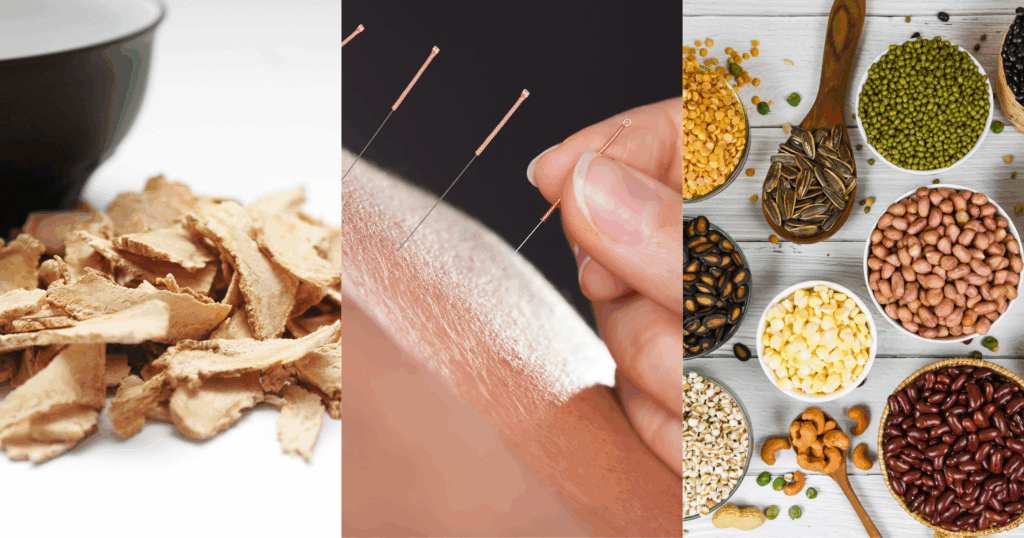
Herbs like Bupleurum (Chai Hu), Peony (Bai Shao), and Dang Gui are often used to soothe liver Qi and nourish the blood. They help support emotional balance and smooth energetic flow. Additional detoxifying herbs with modern relevance include:
- Dandelion for gentle cleansing
- Milk thistle for liver protection
Together, these herbal options bridge traditional TCM principles with contemporary herbal therapy.
Acupuncture Points to Regulate the Liver
Strategic acupuncture points such as Liver 3 (Taichong) help ease liver Qi stagnation and support emotional steadiness. Additional acupuncture points also play important roles, including:
- Liver 14 (Qimen): regulates Qi in the chest and supports emotional flow
- Gallbladder 34 (Yanglingquan): relaxes tendons and promotes smooth movement
- Liver 8 (Ququan): nourishes liver blood and supports flexibility
Together, these points enhance energetic circulation, relieve physical discomfort, and calm emotional tension.
Lifestyle and Dietary Recommendations
Embracing foods like leafy greens, beets, and sour fruits nourishes the liver’s blood and supports gentle detoxification. Additional supportive options include:
- Whole grains and legumes to strengthen digestion and provide sustained energy
- Sour and mildly bitter foods to promote healthy liver Qi movement
Movement practices like Qi Gong and Tai Chi further enhance liver Qi circulation and encourage emotional balance, helping the body and mind settle into daily harmony.
Integrating Modern Insights with TCM Liver Understanding
Scientific Research on the Liver’s Emotional and Detox Roles
Emerging studies confirm deep connections between liver function, emotional health, and detoxification pathways, strengthening many long‑standing TCM observations. Researchers note that emotional states such as frustration, anger, or prolonged stress may influence physiological liver activity, further supporting TCM’s mind‑body framework. Modern discussions often reference the work of scholars such as Karchmer, who explored how the liver is linked to emotional expression in contemporary Chinese medicine. These findings highlight how emotions can shape internal balance in ways both measurable and energetic.
Holistic Approaches to Liver Health Combining TCM and Western Medicine
Combining acupuncture and herbal therapies with conventional hepatology provides patients with a more complete approach to liver wellness. This integrative model addresses both emotional and physiological aspects of liver imbalance, helping patients achieve steadier long‑term results. Acupuncture supports smoother liver Qi flow while Western diagnostics help identify biochemical patterns requiring targeted treatment. Herbal medicine can complement pharmaceutical interventions by nourishing blood, easing tension, or clearing heat. Together, these blended strategies create a multidimensional pathway toward restored liver health and improved emotional resilience.
Supporting Liver Health for Lasting Wellness
At ACA Acupuncture & Wellness, we recognize that supporting the liver is essential for restoring balance across both body and mind. Our practitioners focus on harmonizing liver Qi, nourishing liver blood, and easing emotional tension so patients can experience steady, long-term wellbeing. Through acupuncture, herbal guidance, and thoughtful lifestyle support, we help individuals reconnect with their natural rhythm and move toward deeper harmony. Whether someone is seeking emotional clarity, digestive balance, or renewed vitality, our team is dedicated to offering care that honors the liver’s central role in whole-body health.
Source:
Karchmer, E. I. (2013). The Excitations and Suppressions of the Times: Locating the emotions in the liver in modern Chinese medicine. Culture Medicine and Psychiatry, 37(1), 8–29. https://doi.org/10.1007/s11013-012-9289-4
In Traditional Chinese Medicine, anger is the primary emotion associated with the liver. When anger is expressed healthily, it allows other emotions like joy and sadness to surface naturally. However, when anger is suppressed or becomes excessive, it can lead to liver Qi stagnation, causing frustration, resentment, and emotional imbalance that disrupts physical and mental health.
Liver Qi refers to the vital energy that flows through the liver’s network and is responsible for ensuring the smooth circulation of Qi, blood, and bodily fluids throughout the body. The liver regulates this flow to maintain harmony and balance. When liver Qi becomes stagnant or obstructed, it results in physical symptoms like bloating, menstrual irregularities, and emotional issues such as irritability and stress.
Spiritually, the liver in Chinese medicine is connected to qualities such as courage, decisiveness, and the ability to plan and move forward in life. The liver governs the smooth expression of these traits, and when its energy is balanced, it promotes patience, kindness, and emotional flexibility. Imbalances may manifest as hesitation, frustration, or difficulty managing emotions.
Beyond anger, emotions like frustration, resentment, and repressed rage can damage the liver’s function. These suppressed or prolonged negative emotions create energy blockages or heat in the liver, impairing its ability to regulate Qi and blood. Such emotional disturbances can worsen liver-related physical symptoms and weaken overall vitality.
Fixing liver Qi stagnation involves restoring smooth energy flow through methods such as acupuncture, herbal medicine, and lifestyle adjustments. Key strategies include stress reduction practices like meditation and breathwork, consuming liver-supporting foods, and engaging in gentle exercises such as Qi Gong or Tai Chi. Herbal formulas targeting liver Qi can soothe stagnation and promote emotional release.
In TCM, the liver’s detoxification is supported by herbs known for their cleansing and blood-nourishing properties such as dandelion, milk thistle, and chrysanthemum. A diet rich in leafy greens and sour fruits also aids the liver’s detox function. Regular acupuncture and lifestyle practices that enhance liver Qi flow help optimize the body’s natural detox pathways while balancing emotional health.
Testimonials

Cart (0)
Your cart is currently empty.


Cart (0)
Your cart is currently empty.