

What Is an Acupressure Mat? Benefits, How They Work, and More
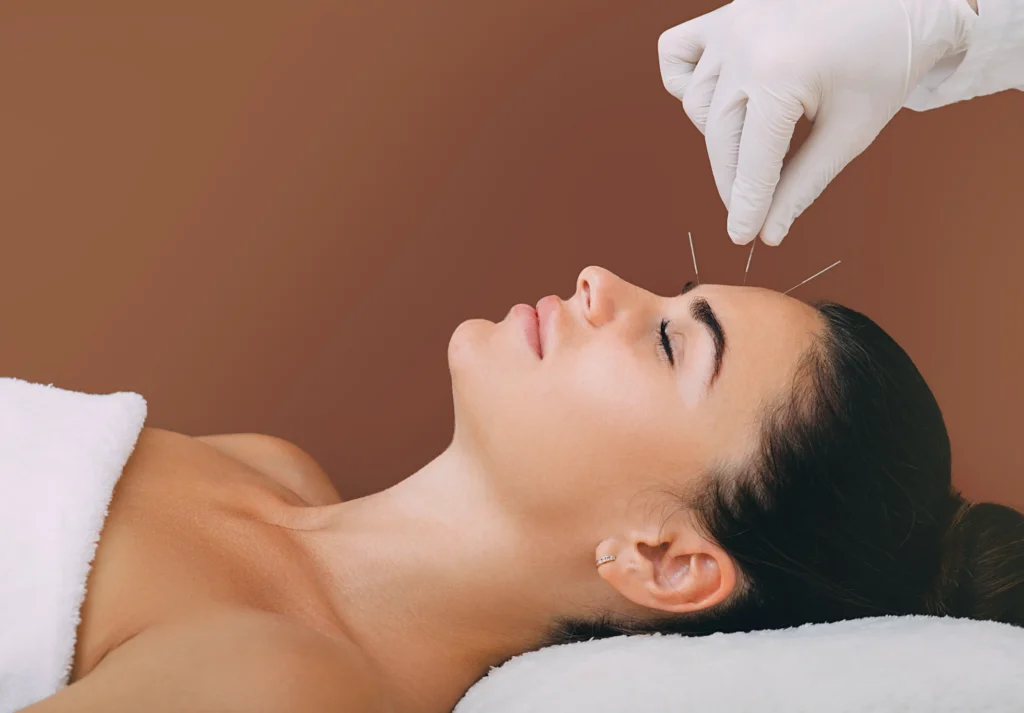
We’ve all experienced those days when stress seems to settle into our bodies, creating tension that no amount of stretching or shifting can release. The subtle aches in your back, the tightness in your shoulders, or even that restless feeling in your feet can build up, leaving you craving relief. In moments like these, you might find yourself wishing for a simple way to reset, something that doesn’t require an appointment or a lot of effort but still makes a difference.
That’s where the beauty of holistic self-care comes in—practices that fit seamlessly into your daily life, helping you feel better without overcomplicating things. Among these, certain tools stand out for their ability to soothe both body and mind. Imagine having a method to melt away tension, improve circulation, and promote relaxation, all while simply lying down. It’s not just about unwinding—it’s about giving your body what it needs to thrive, and that’s where an acupressure mat can redefine your wellness routine.
Key Takeaways
-
Acupressure mats promote full-body relaxation by stimulating specific pressure points, helping relieve tension, reduce stress, and improve circulation.
-
Using an acupressure mat may support pain relief for common issues like backaches, neck stiffness, and tight muscles, making it ideal for daily use.
-
Regular use of acupressure mats can enhance sleep quality by calming the nervous system and promoting a more restful state before bedtime.
-
Acupressure mats offer a non-invasive self-care option that fits into busy routines, providing relaxation benefits without appointments or medications.
-
Stimulating the body’s pressure points may improve blood flow and energy levels, offering natural support for recovery, focus, and overall well-being.
What Is an Acupressure Mat?
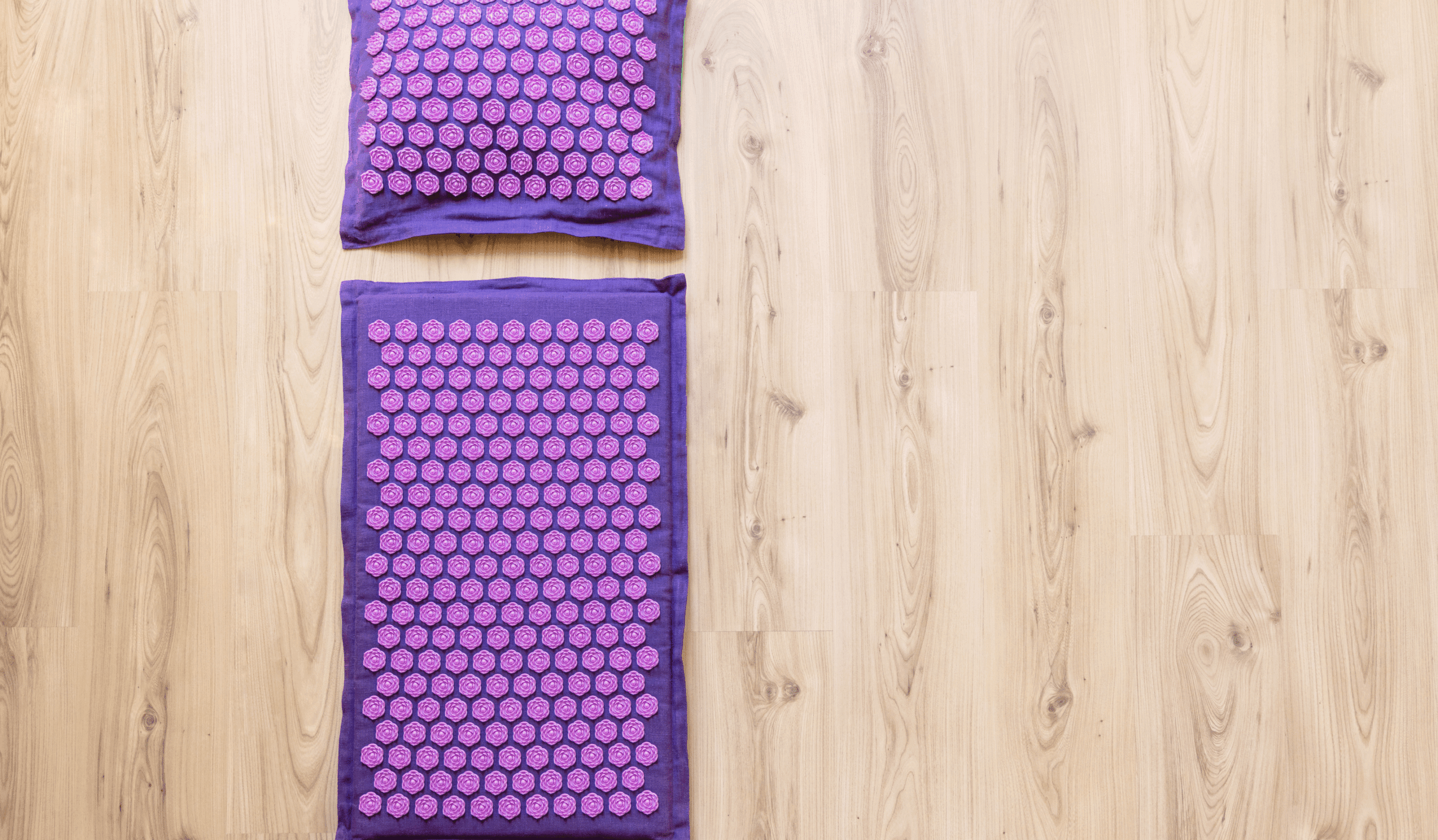
Acupressure mats are designed to mimic the principles of acupressure, a traditional practice rooted in ancient Chinese medicine. These mats are typically covered with hundreds of small, spike-like nodes that stimulate specific points on your body when you lie, sit, or stand on them. While they may look intimidating at first, their effects are anything but harsh—they help release tension, improve circulation, and promote overall relaxation.
Originating as a modern adaptation of ancient practices, acupressure mats have evolved to become a convenient wellness tool for people seeking accessible self-care options.
Who Are Acupressure Mats For?
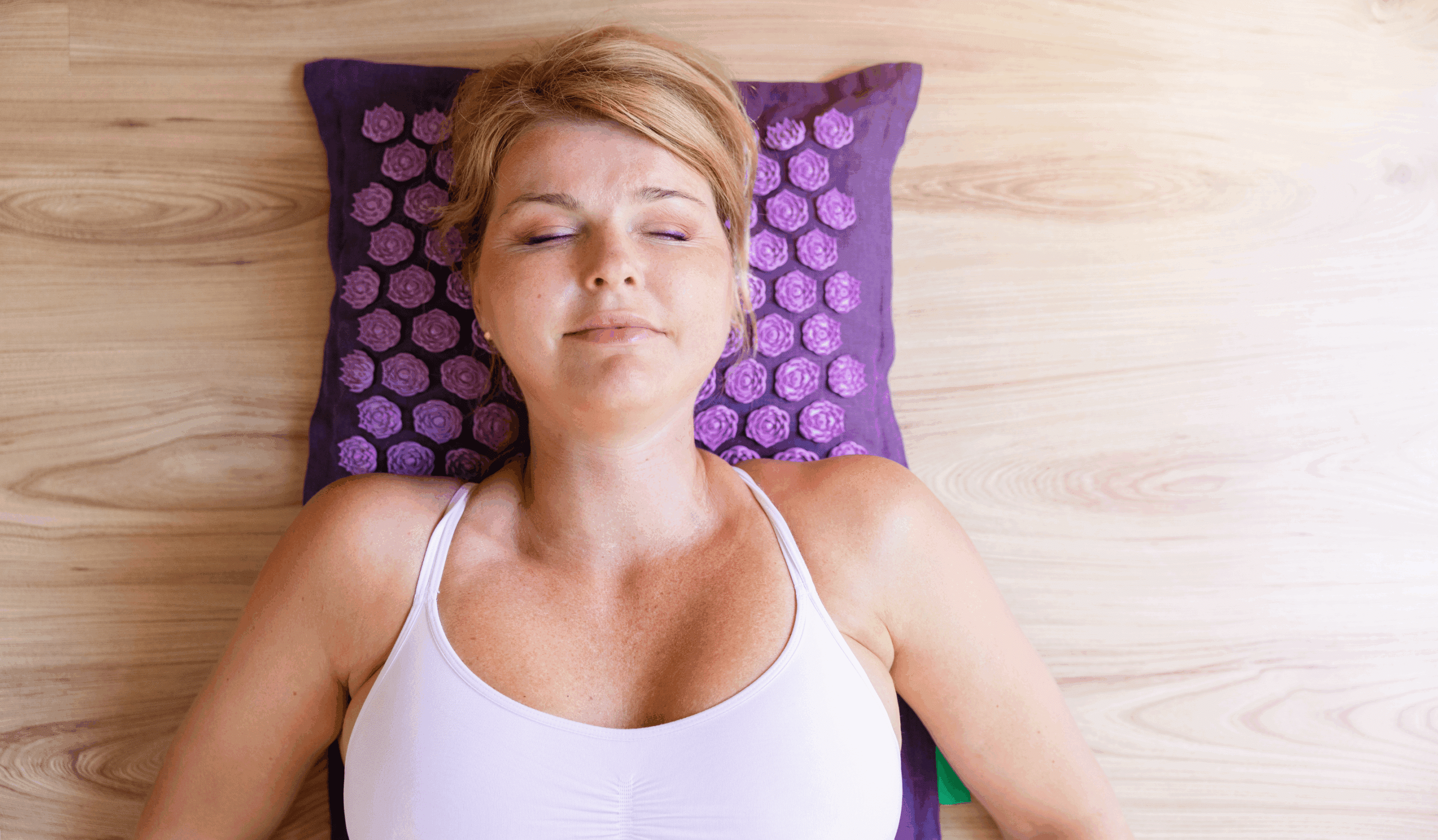
Acupressure mats are versatile wellness tools that cater to a wide variety of individuals, addressing both physical and mental health needs. Whether you’re managing daily stress, recovering from physical exertion, or simply looking for ways to enhance your overall well-being, these mats offer practical benefits for a diverse range of people.
Busy Professionals:
Long hours at a desk or on your feet can leave you with tense muscles and aches. Acupressure mats are ideal for relieving neck, back, and shoulder strain caused by poor posture or stress. A quick session after work can help release built-up tension and promote relaxation.
Fitness Enthusiasts and Athletes:
After rigorous workouts or training sessions, acupressure mats aid in muscle recovery by improving circulation, reducing soreness, and loosening tight muscles. They’re also beneficial for targeting specific areas like calves, feet, and lower back after strenuous activity.
Anyone Seeking Relaxation:
For those dealing with chronic stress or insomnia, acupressure mats can help quiet the mind and ease the body into a state of relaxation. Regular use before bedtime has been shown to improve sleep quality, making it a favorite for those battling restlessness.
People with Chronic Pain:
Individuals with ongoing pain conditions such as lower back pain, sciatica, or tension headaches can find relief through the gentle stimulation of acupressure mats. By targeting pressure points, these mats help manage discomfort and enhance mobility over time.
People with Circulation Issues:
Standing on or lying down on an acupressure mat can stimulate blood flow, making it a beneficial tool for individuals looking to improve circulation in their legs, feet, or other areas affected by poor blood flow.
Older Adults:
Seniors experiencing stiffness, mild joint pain, or general fatigue can benefit from the gentle stimulation provided by acupressure mats. They offer a non-invasive way to support relaxation and flexibility without requiring strenuous activity.
Postpartum Recovery:
New mothers dealing with tension or body aches after childbirth may find relief using an acupressure mat, which can help relax muscles and promote overall well-being during recovery.
Individuals Practicing Meditation or Yoga:
Acupressure mats are great for enhancing mindfulness practices. They can be used during yoga or meditation to deepen relaxation and create a grounding experience.
While acupressure mats are safe for most, it’s important for individuals with certain conditions—such as open wounds, skin sensitivities, bleeding disorders, or severe chronic illnesses—to consult a healthcare provider before use. Proper usage and understanding of your body’s needs are essential to enjoying the full range of benefits these mats offer.
What Can Acupressure Mats Relieve?
Acupressure mats are designed to address a range of physical and mental health concerns, offering a practical and holistic approach to improving well-being. By stimulating specific pressure points, they provide targeted relief while promoting overall balance in the body and mind.
Physical Ailments
Pain Relief:
Acupressure mats are highly effective in easing chronic pain, including back pain, neck stiffness, and shoulder tension. They also help with posture-related discomfort, especially for individuals who spend long hours sitting or standing.
Muscle Recovery:
For athletes or those with physically demanding lifestyles, acupressure mats aid in relaxing sore and tight muscles. They are particularly beneficial for relieving tension in areas like the lower back, legs, and feet after strenuous activity.
Headache and Migraine Relief:
Regular use of acupressure mats has been reported to help reduce the frequency and intensity of tension headaches and migraines by relaxing the neck and scalp muscles.
Joint Stiffness:
Individuals with mild joint discomfort, such as in the knees or hips, may find relief through improved circulation and reduced muscle tension around the affected areas.
Support for Digestion:
Lying on the mat can stimulate pressure points related to digestion, which may help alleviate bloating and promote a healthy gut.
Mental Well-being
Stress Reduction:
The gentle stimulation of pressure points helps reduce cortisol levels, promoting a sense of calm and relaxation. It’s an excellent tool for unwinding after a long day or during moments of high stress.
Improved Sleep:
Many users find that using the mat before bedtime helps improve sleep quality by calming the nervous system and relaxing the body. It’s especially helpful for those struggling with insomnia or restlessness.
Enhanced Focus and Clarity:
Regular use can support mental clarity and focus by promoting relaxation and balancing energy levels, making it easier to tackle tasks with a clear mind.
Energy Flow and Circulation
Improved Blood Circulation:
The stimulation from acupressure mats encourages blood flow to targeted areas, which supports healing, reduces inflammation, and enhances overall energy levels.
Energy Pathways:
Based on traditional acupressure principles, these mats help restore balance to the body’s energy flow, leaving users feeling refreshed and recharged.
Additional Benefits
Lymphatic Drainage:
The gentle pressure applied by the mat can help stimulate the lymphatic system, supporting detoxification and reducing swelling or fluid retention.
Immune System Support:
By promoting relaxation and reducing stress, acupressure mats indirectly support immune health, as chronic stress is a known suppressor of the immune system.
Relief for Plantar Fasciitis:
Standing on the mat helps alleviate foot pain and improve flexibility, making it a great option for individuals with plantar fasciitis or general foot fatigue.
Reduction in Menstrual Discomfort:
For some, lying on an acupressure mat during their menstrual cycle can help ease cramps and muscle tension in the lower back and abdomen.
While acupressure mats are not a cure-all, their ability to address multiple aspects of physical and mental well-being makes them a valuable addition to any self-care routine. When used consistently and as part of a broader wellness plan, they can significantly enhance quality of life.
How Acupressure Mats Work
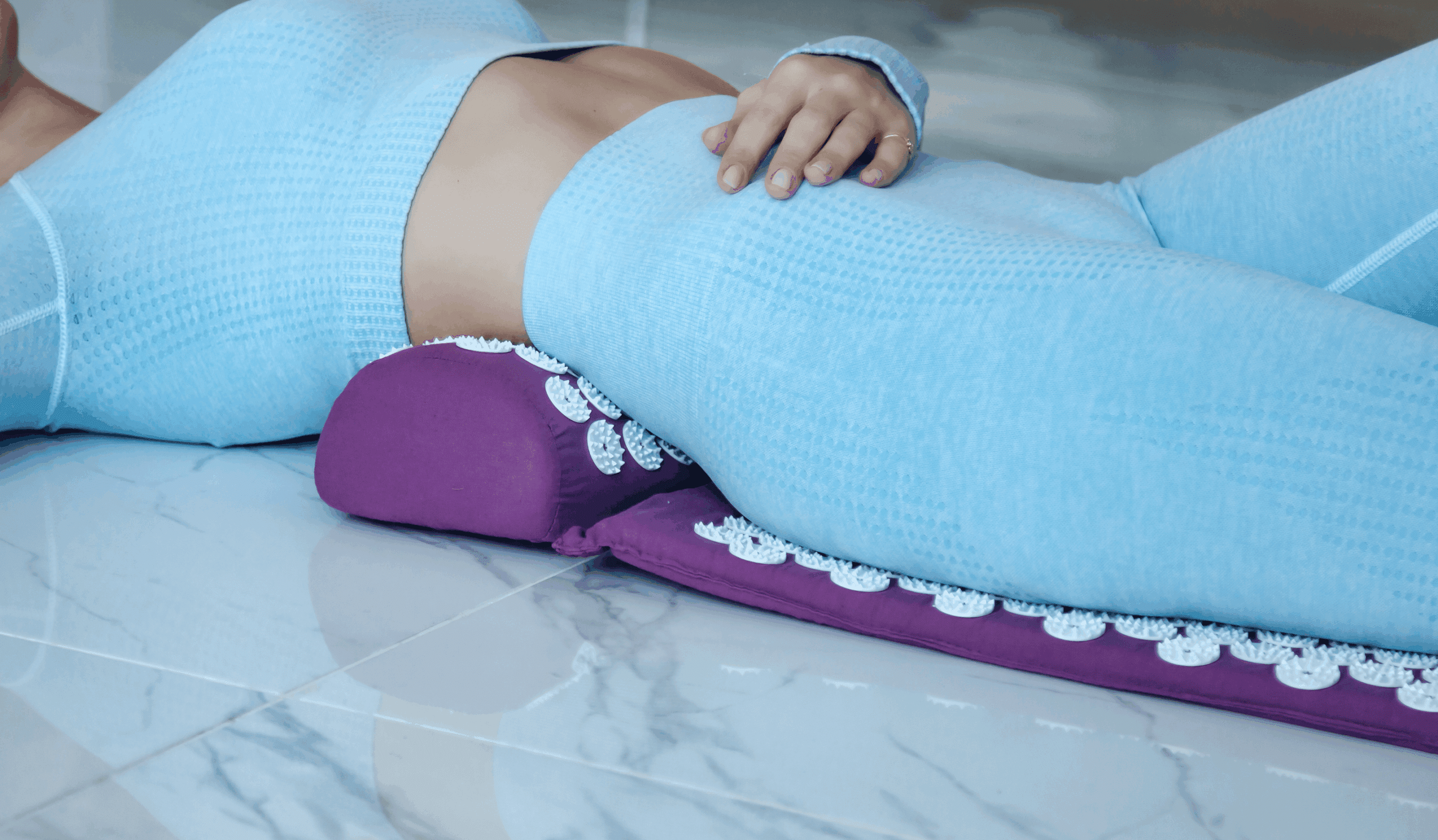
Acupressure mats are designed to stimulate pressure points along the body, offering effects that are conceptually similar to acupuncture but without the use of needles. The small spikes on the mat apply gentle pressure to the skin, which may promote relaxation and alleviate tension in the muscles. Research suggests that this stimulation can improve blood circulation and support the release of endorphins, the body’s natural pain relievers. While users often report reductions in pain and stress, scientific studies show mixed results, indicating that the perceived benefits may stem primarily from subjective feelings of relaxation rather than measurable changes in the nervous system.
Different Needs Call for Diverse Positions
One of the standout features of acupressure mats is their versatility. Here’s how different positions can target specific needs:
- Full-body Relaxation: Lie flat to relieve tension in the back and shoulders.
- Neck and Shoulder Tension: Place the mat under your neck to ease upper body strain.
- Foot Stimulation: Stand on the mat to activate pressure points in your feet, ideal for plantar fasciitis or general fatigue.
- Lower Back Relief: Sit on the mat to alleviate discomfort in the hips or lumbar area.
By experimenting with positions, you can tailor the mat’s benefits to your unique needs.
Comprehensive Benefits of Acupressure Mats
The benefits of acupressure mats extend beyond just physical relief:
- Pain Reduction: Alleviate chronic pain, including backaches, neck pain, and tension headaches.
- Stress Relief: Calm the mind and reduce anxiety through deep relaxation.
- Improved Sleep: Regular use can lead to better, more restorative sleep.
- Increased Energy: Stimulate circulation and energy flow, leaving you feeling refreshed.
Incorporating Acupressure Mats into Your Wellness Routine
To maximize the benefits of your acupressure mat, consider integrating it into your daily or weekly routine. Use it during meditation to deepen your practice, or pair it with heat therapy for enhanced relaxation. Even just a few minutes a day can yield significant results.
For beginners, start with short sessions (5–10 minutes) while wearing a light shirt or placing a thin towel over the mat. As you grow accustomed to the sensation, you can increase the duration and intensity for deeper benefits.
Other Holistic Approaches to Complement Acupressure Mats
While acupressure mats are powerful tools for promoting relaxation and pain relief, combining them with other holistic therapies can create a more comprehensive approach to wellness. These complementary practices not only amplify the benefits of the mat but also address a broader spectrum of physical and mental health needs.
Acupuncture:
Acupressure mats provide surface-level stimulation, but professional acupuncture takes it a step further by targeting specific pressure points with precision. This ancient practice can help address deeper imbalances in the body, improving issues such as chronic pain, stress, and energy flow. Incorporating acupuncture sessions alongside your acupressure mat routine can provide a synergistic effect for more profound results.
Herbal Remedies:
Natural herbal medicine and teas can enhance the calming effects of acupressure mats. Herbs like chamomile, valerian root, or ashwagandha are well-known for managing stress and improving sleep. Additionally, adaptogenic herbs like ginseng or rhodiola can boost energy and resilience to daily stressors, making them an excellent complement to acupressure therapy.
Massage Therapy:
Professional massage offers targeted relief for specific muscle groups and tension areas, working in harmony with the overall relaxation promoted by an acupressure mat. Using the mat before or after a massage session can help prepare the muscles for deeper manipulation or prolong the relaxation achieved during the massage.
Yoga and Breathwork:
Integrating your acupressure mat into yoga or meditation routines can elevate both practices. Using the mat during poses, particularly those that involve lying down or sitting, can stimulate pressure points while promoting mindfulness. Breathwork exercises, such as diaphragmatic breathing, can be performed while on the mat to deepen relaxation and enhance energy flow.
Aromatherapy:
Enhance your acupressure mat sessions with essential oils like lavender, eucalyptus, or peppermint. These oils can be diffused in the room or applied topically (diluted) to create a multisensory experience that supports relaxation, focus, or invigoration depending on your needs.
Reflexology:
For those specifically targeting foot health or improving circulation, combining acupressure mat use with reflexology techniques can be highly beneficial. Reflexology focuses on specific zones in the feet that correspond to different parts of the body, offering an additional layer of stimulation and relief.
Hydrotherapy:
Before or after using your acupressure mat, consider a warm bath or shower to relax the muscles and prepare the body for deeper pressure point stimulation. Adding Epsom salts to the bath can further support muscle relaxation and detoxification.
By blending these complementary therapies into your routine, you create a well-rounded wellness strategy that addresses both immediate relief and long-term health goals. Each approach enhances the other, supporting a healthier, more balanced lifestyle.
Selecting the Right Acupressure Mat
Not all acupressure mats are created equal. When choosing one, consider the following factors:
- Material and Durability: Opt for high-quality, eco-friendly materials.
- Spike Density: Higher density provides more intense stimulation, while lower density is better for beginners.
- Portability: Compact mats are ideal if you plan to use them on the go.
Researching and investing in a reliable mat ensures a better experience and long-term durability.
Safety and Precautions
While acupressure mats are generally safe, there are a few things to keep in mind:
- Start slow and listen to your body—initial discomfort is normal but should never feel painful.
- Avoid using the mat on open wounds or irritated skin.
- Pregnant individuals and those with medical conditions should consult their doctor before use.
By following these guidelines, you can safely enjoy the many benefits acupressure mats offer.
Embracing Holistic Wellness with Acupressure Mats
Acupressure mats offer a gateway to natural and effective self-care, but their true potential is unlocked when combined with complementary therapies. Whether it’s through the precise techniques of acupuncture, the soothing benefits of massage, or the restorative effects of yoga and herbal remedies, these approaches work together to nurture your body and mind. By integrating these practices into your routine, you can create a balanced and holistic wellness plan that addresses your unique needs and promotes long-term health and relaxation.
For additional support with your holistic journey, our practitioners at ACA Acupuncture and Wellness are here to guide you in achieving your health goals.
Sources:
Kühn, S., Kauffeld, S., & Hille, K. (2023). “Effects of Acupressure Mats on Stress and Well-Being: A Randomized Controlled Trial.” Applied Psychology: Health and Well-Being.
FAQs
What does an acupressure mat actually do?
An acupressure mat works by stimulating specific pressure points across the body through hundreds of small, non-penetrative spikes. This stimulation promotes increased blood circulation and may trigger the release of endorphins, the body’s natural pain-relieving chemicals. The gentle pressure can help relax tense muscles, alleviate pain, and create a sense of relaxation. While its effects are often compared to acupuncture, acupressure mats do not involve needles and are non-invasive. They are primarily used for reducing stress, relieving muscle tension, and improving overall well-being.
How long should you lay on an acupressure mat?
The ideal duration depends on your level of comfort and experience. Beginners may start with short sessions of 5–10 minutes while wearing a light shirt or placing a thin cloth over the mat to reduce intensity. As you become accustomed to the sensation, sessions can be extended to 20–40 minutes. For targeted pain relief or deep relaxation, some users choose to lie on the mat for up to an hour. It’s best to listen to your body and adjust the duration based on how you feel during and after each session.
What are the side effects of acupressure mats?
Acupressure mats are generally safe, but some users may experience mild side effects, particularly during their initial use. These can include:
- Temporary Skin Redness or Marks: The spikes may leave imprints or redness on the skin, which typically fades within a few minutes.
- Initial Discomfort: Beginners might find the sensation slightly painful or uncomfortable until they adjust.
- Lightheadedness or Dizziness: Rarely, some people may feel lightheaded due to changes in blood circulation.
- Skin Irritation: Individuals with sensitive skin may develop mild irritation after prolonged use.
These effects are typically short-lived and can be minimized by starting with shorter sessions or placing a layer of cloth over the mat.
Who should not use acupressure mats?
While acupressure mats are safe for most individuals, there are specific groups for whom caution is advised:
- People with Skin Conditions: Those with open wounds, eczema, psoriasis, or other skin issues may experience irritation or worsening of symptoms.
- Individuals with Bleeding Disorders: Conditions like hemophilia or those on blood-thinning medications increase the risk of bruising.
- Pregnant Individuals: Certain pressure points could potentially stimulate uterine contractions; it’s best to consult a healthcare provider.
- Those with Severe Chronic Conditions: People with advanced diabetes, heart conditions, or neuropathy should seek medical advice before use.
- Hypersensitive Individuals: Those with an extremely low pain tolerance or heightened skin sensitivity may find the mat too uncomfortable.
If in doubt, consulting a healthcare professional is recommended before incorporating an acupressure mat into your routine.
Why use an acupressure mat?
Using an acupressure mat can be a simple, cost-effective way to promote relaxation, alleviate pain, and improve overall well-being. It’s a non-invasive tool that provides benefits similar to massage or acupuncture without requiring an appointment or special equipment. Acupressure mats are versatile, easy to use, and suitable for integrating into daily routines. They can help reduce stress, improve sleep quality, and support muscle recovery after physical activity. For many, they’re a convenient way to practice self-care at home.
What is an acupressure mat good for?
Acupressure mats are good for addressing both physical and mental wellness concerns. Physically, they help alleviate back pain, neck stiffness, muscle tension, and joint discomfort. They also improve blood circulation and stimulate the release of endorphins, providing natural pain relief. Mentally, they promote relaxation, reduce stress, and improve sleep quality. Additionally, they are beneficial for muscle recovery, enhancing energy flow, and supporting overall balance in the body. Whether you’re seeking relief from chronic discomfort or looking to unwind after a busy day, acupressure mats offer a practical and effective solution.

Cart (0)
Your cart is currently empty.



Cart (0)
Your cart is currently empty.