

How to Master Meditation with Acupuncture: A Holistic Guide to Mind-Body Healing Through Alternative Medicine
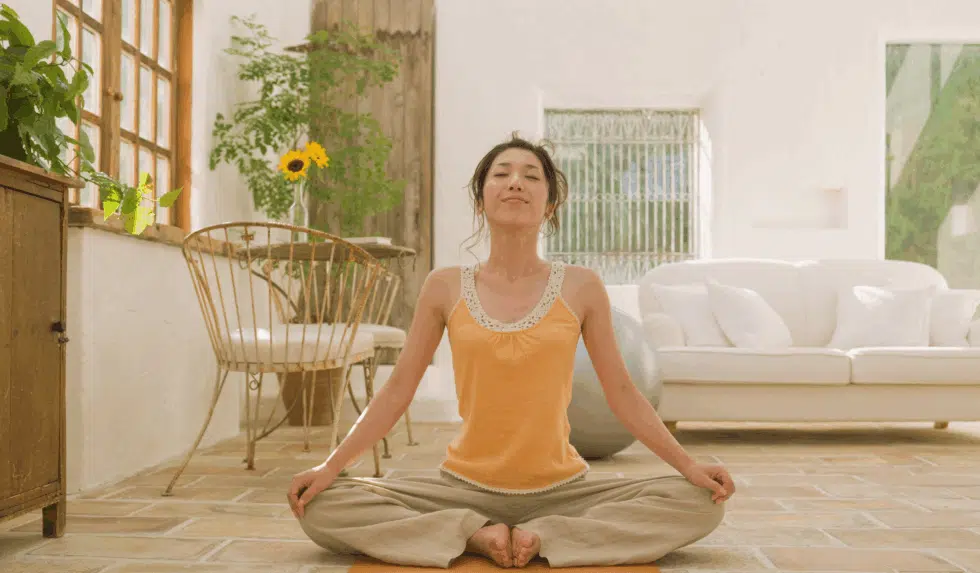
More people are turning to alternative medicine in search of lasting emotional and physical healing. Acupuncture and meditation are increasingly embraced for their ability to regulate the nervous system, restore inner balance, and support mental clarity without the use of pharmaceuticals.
Combining these therapies creates a calming, focused experience that supports emotional resilience and deep relaxation. To master meditation with acupuncture, begin by preparing your body and mind with breathwork or gentle intention setting, stay present with internal sensations during the session, and allow the body to integrate the experience through mindful stillness afterward. This approach encourages true mind-body connection and a more sustainable path to wellness.
Key Takeaways:
- Acupuncture and meditation work together to regulate the nervous system, activate the parasympathetic response, and ease physical and emotional stress.
- Meditation deepens the effects of acupuncture by enhancing body awareness, reducing mental chatter, and helping individuals remain present throughout treatment.
- Used together, acupuncture and meditation offer a holistic, drug-free approach to mental health, supporting conditions like anxiety, PTSD, ADHD, and insomnia.
- The synergy of acupuncture and meditation promotes energy flow and emotional release, aligning Qi while cultivating mindful stillness and self-awareness.
- Scientific studies support the combined use of acupuncture and meditation for lowering cortisol, activating the vagus nerve, and improving long-term emotional resilience.
What Happens When You Combine Acupuncture and Meditation for Stress and Focus?
Combining acupuncture and meditation creates a profound shift in how the body and mind respond to stress. Each modality supports the nervous system, but together they amplify relaxation, enhance focus, and encourage emotional regulation through multiple pathways—neurological, energetic, and psychological.
How Acupuncture Modulates Brain Activity and Nervous System Balance

Acupuncture, as a core practice in alternative medicine, helps regulate the autonomic nervous system by activating the parasympathetic response. This shift supports relaxation and mental clarity, making it an ideal foundation for meditative practice.
Benefits include:
- Calming an overactive fight-or-flight response
- Reducing heart rate and blood pressure
- Stimulating serotonin and endorphin release
- Enhancing the body’s ability to enter a state of rest and repair
Key points like Yintang and Shenmen are commonly used to quiet the mind, reduce anxiety, and prepare the body for stillness.
Enhancing Meditative States Through Acupoint Stimulation
When meditation is practiced during acupuncture, the stimulation of specific acupoints deepens inward awareness. This somatic focus helps individuals remain present and grounded throughout the session.
This combination supports:
- Faster entry into a meditative state
- Greater sensitivity to internal sensations
- Reduced mental chatter and external distraction
Many people describe the experience as a unique form of clarity and presence that is difficult to access through either modality alone.
Qi Alignment and Energy Harmonization During Stillness
Acupuncture restores the natural flow of Qi, or life energy, throughout the body. Meditation helps bring conscious attention to that flow, allowing individuals to sense imbalances and observe how energy reorganizes itself in real time.
Together, they promote:
- Energetic alignment across the mind and body
- Emotional release through mindful stillness
- A deeper sense of connection to internal rhythms
This process supports not only emotional healing but also the development of intuitive awareness.
Scientific Synergy: Vagus Nerve Activation, Cortisol Reduction, and Neuroplasticity
Both acupuncture and meditation are backed by emerging neuroscience and integrative health research. Their effects on stress physiology are well documented and highly complementary.
When used together, they may:
- Activate the vagus nerve to enhance calm and digestion
- Lower cortisol and inflammation associated with chronic stress
- Support neuroplasticity for rewiring emotional and cognitive patterns
This dual approach provides both immediate relief and long-term nervous system regulation, making it especially useful for those navigating anxiety, burnout, or trauma recovery.
Is Acupuncture a Form of Meditation? Where They Intersect in Holistic Healing
While acupuncture and meditation are distinct practices, they share a deep energetic and physiological overlap. Both cultivate inner stillness, regulate emotional states, and restore balance through body-mind awareness. In holistic care, they are often used in tandem to enhance healing and deepen self-connection.
Shared Traits in Breathwork, Body Awareness, and Energy Stillness

At the core of both practices is the invitation to slow down and listen inward. Acupuncture and meditation encourage:
- Conscious breath regulation
- Heightened awareness of bodily sensations
- Deep stillness and non-reactivity
- Energetic recalibration without external stimulation
Whether one is sitting in silent meditation or lying still with needles in place, the therapeutic aim remains the same—cultivating a grounded, present state of awareness that allows healing to unfold.
Differences Between Self-Led and Practitioner-Guided Modalities
The primary distinction lies in how each experience is facilitated:
- Meditation is usually self-led or guided through audio, focusing on internal observation and mindfulness.
- Acupuncture is a hands-on treatment administered by a licensed practitioner, using specific acupoints to stimulate the body’s innate healing mechanisms.
Despite this difference, many people enter meditative states during acupuncture sessions—especially when paired with slow breathing, visualization, or soothing music. In this way, acupuncture becomes a gateway to meditation for those who struggle with traditional sitting practices.
How Combining Both Supports Alternative Mental Health Care
The integration of acupuncture and meditation offers a drug-free, holistic strategy for mental health support. Their synergy can help:
- Ease symptoms of anxiety and depression
- Regulate emotional reactivity and overwhelm
- Provide a somatic alternative to talk therapy
- Address root imbalances in the nervous and energetic systems
This combination aligns well with alternative mental health care models that prioritize emotional integration, energetic flow, and sustainable lifestyle change over quick pharmaceutical fixes.
Use of Mindfulness-Based Acupuncture in Clinical Integrative Medicine
In many integrative medicine settings, mindfulness-based acupuncture is now offered as a therapeutic model that combines guided meditation with traditional needling. During treatment, individuals are encouraged to:
- Focus on their breath or bodily sensations
- Use mental imagery or mantras for emotional support
- Observe energetic shifts without judgment
This clinical approach has shown promise for individuals with PTSD, chronic pain, trauma histories, and high-stress lifestyles. It also bridges Eastern modalities with Western mental health practices, creating a more inclusive path to healing.
The Benefits of Practicing Meditation with Acupuncture

When combined, acupuncture and meditation offer a rich spectrum of physical, emotional, and neurological benefits. This integrative approach calms the nervous system, increases emotional resilience, and supports long-term healing without pharmaceutical intervention.
Immediate Effects During a Session
The first noticeable benefit of practicing meditation with acupuncture is how quickly the body and mind settle into a relaxed state. Within minutes of treatment, many individuals experience:
- Deep relaxation without medication
Acupuncture initiates a parasympathetic response, allowing the body to release tension and drop into rest mode.
- Relief from mental chatter and emotional overwhelm
Meditation during acupuncture promotes stillness and quiet observation, helping to soften racing thoughts and reactive emotions.
- A calm, centered nervous system
The physical stillness of acupuncture needles combined with meditative awareness creates a powerful container for somatic rest and emotional release.
This immediate relief is especially helpful for people dealing with high-stress environments, anxiety, or nervous system dysregulation.
Long-Term Mind-Body Benefits
With consistent practice, acupuncture and meditation together create lasting shifts in how the body processes stress and maintains balance. Over time, this holistic combination can:
- Reduce anxiety and emotional reactivity
Regular sessions train the nervous system to remain calm and less easily triggered.
- Improve sleep quality and hormone regulation
Acupuncture supports melatonin and serotonin balance, while meditation improves circadian rhythm stability.
- Increase focus, emotional clarity, and resilience
Together, these practices enhance daily mental clarity, patience, and the ability to respond rather than react.
Long-term integration of these modalities encourages a more stable baseline of emotional and physical health.
Symptom-Specific Use Cases in Holistic Care
This drug-free approach is particularly valuable for individuals seeking complementary or alternative care for persistent emotional and psychological conditions.
- Addiction recovery and trauma therapy
Meditation helps with emotional processing, while acupuncture supports detoxification and nervous system repair.
- Support for ADHD, PTSD, grief, and insomnia
Acupuncture points tailored to cognitive and emotional regulation can reduce restlessness, hypervigilance, and mental fog.
- Adjunct to talk therapy and integrative psychiatry
Acupuncture enhances body-based processing, creating deeper openings for therapeutic breakthroughs without reliance on pharmaceuticals.
Using Acupuncture and Meditation for Common Mental Health Symptoms
The dual action of acupuncture and meditation makes them an effective strategy for addressing a range of mental health challenges without medication.
- Reduces anxiety and panic-related symptoms
By calming the vagus nerve and guiding the mind inward, this pairing eases racing thoughts and physiological symptoms like heart palpitations.
- Supports sleep and chronic fatigue recovery
Targeted acupuncture points regulate sleep hormones and restore energy flow, while meditation improves rest and emotional processing.
- Relieves muscle tension and cognitive fatigue
Needling helps release stored tension in the body, and meditation teaches awareness of these patterns to prevent them from recurring.
- Ideal for burnout, emotional dysregulation, and trauma recovery
Together, they offer a sustainable, gentle path toward healing that doesn’t rely on suppressive medications.
At ACA Acupuncture and Wellness, we support a holistic approach to healing that honors the connection between mind and body. Acupuncture, alongside mindfulness practices like meditation, offers a natural way to regulate the nervous system, ease emotional tension, and support long-term well-being.
If you’re exploring gentle, drug-free options for stress or emotional health, we welcome you to visit us and discover how acupuncture can support your healing journey.
Sources:
Hull, A., Reinhard, M., McCarron, K., Allen, N., Jecmen, M. C., Akhter, J., Duncan, A., & Soltes, K. (2014). Acupuncture and meditation for military veterans: First steps of quality management and future program development. Global Advances in Health and Medicine, 3(4), 27–31.
Yeo, J. J., Lee, J. W., Kim, K. S., & Hyun, M. K. (2022). Effectiveness of acupuncture, mind and body practices, and natural products for insomnia: An overview of systematic reviews. Journal of Pharmacopuncture, 25(3), 186–198.

Cart (0)
Your cart is currently empty.



Cart (0)
Your cart is currently empty.