

10 Gut-Friendly Tips to Recover After Thanksgiving Dinner: Reduce Bloating and Reset Your Digestion Naturally
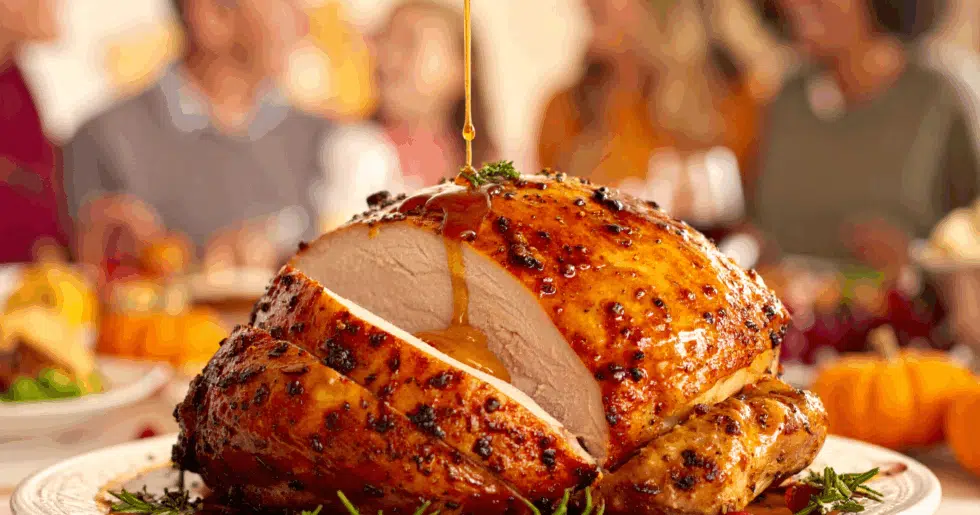
Thanksgiving is a beautiful time for connection, gratitude, and indulgence, but the hearty dishes and generous portions can leave many people wondering how to reduce bloating and digestive discomfort afterward. Feeling overly full, gassy, or sluggish is common after a big holiday meal. After the feast, tuning back into your body’s natural rhythms becomes essential for feeling balanced and energized again. Simple, gut-friendly practices paired with mindful habits help reduce bloating and restore digestive harmony, allowing you to feel lighter and refreshed from within.
1. Hydrate Strategically to Aid Digestion
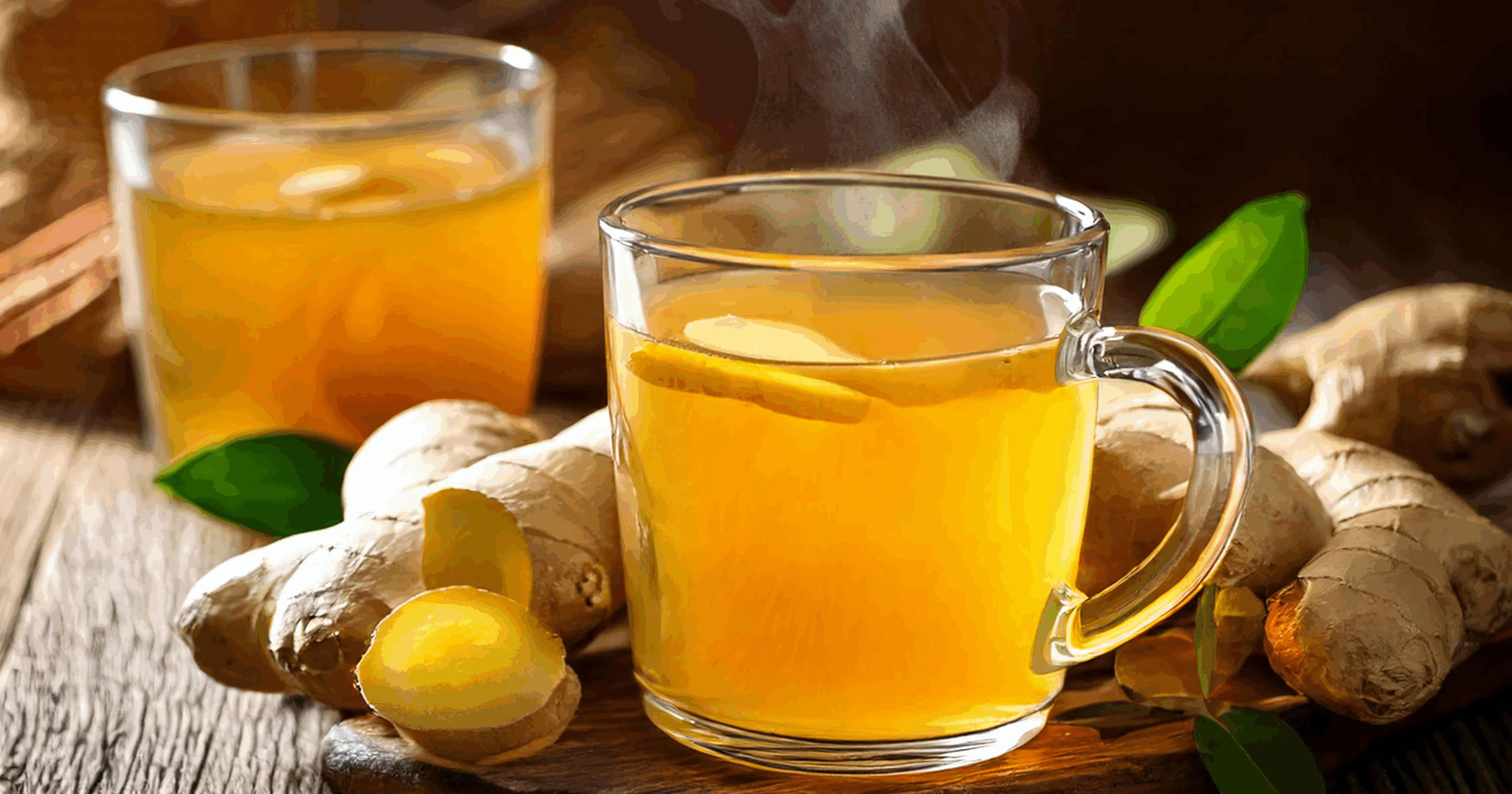
Hydration plays a key role in how to reduce bloating fast after a heavy meal. Drinking enough fluids helps break down food and move waste through the digestive system, but sugary drinks and alcohol can worsen bloating and gas.
Opt instead for room-temperature water or naturally calming herbal teas like ginger or chamomile. These teas stimulate gastric juices gently and ease inflammation, supporting smooth digestion. Consider adding a pinch of sea salt or a squeeze of lemon to your water to replenish essential electrolytes, especially if alcohol was part of the celebration. Avoid gulping down large volumes of water at once; spread hydration throughout the day to prevent overwhelming an already burdened stomach.
2. Incorporate Gentle Movement to Stimulate Your Gut
 yoga
yoga
Heavy workouts right after a big meal can strain your digestive system, diverting blood flow away from the gut. Instead, focus on mindful movement that feels restorative, such as slow walking for 15-30 minutes or stretching routines designed to ease abdominal discomfort. These movements awaken your parasympathetic nervous system, helping your body enter “rest and digest” mode.
3. Choose Probiotic-Rich Foods to Rebalance Your Microbiome
Your gut microbiome acts like a bustling community, supporting digestion, immunity, and even mood regulation. Overeating or consuming too many processed foods during Thanksgiving can disrupt this delicate balance.
To support digestion and incorporate foods that reduce bloating, consider adding probiotic-rich foods into your post-feast routine:
- Kimchi – supports gut flora diversity and offers natural anti-inflammatory benefits.
- Sauerkraut – boosts beneficial bacteria and aids smoother digestion.
- Miso – provides fermented goodness that helps rebalance gut microbes.
- Kefir – delivers a high concentration of probiotics in an easily digestible form.
These foods to reduce bloating work best when introduced gradually, helping the gut adapt while supporting better digestion.
4. Eat Digestive-Boosting Foods High in Fiber
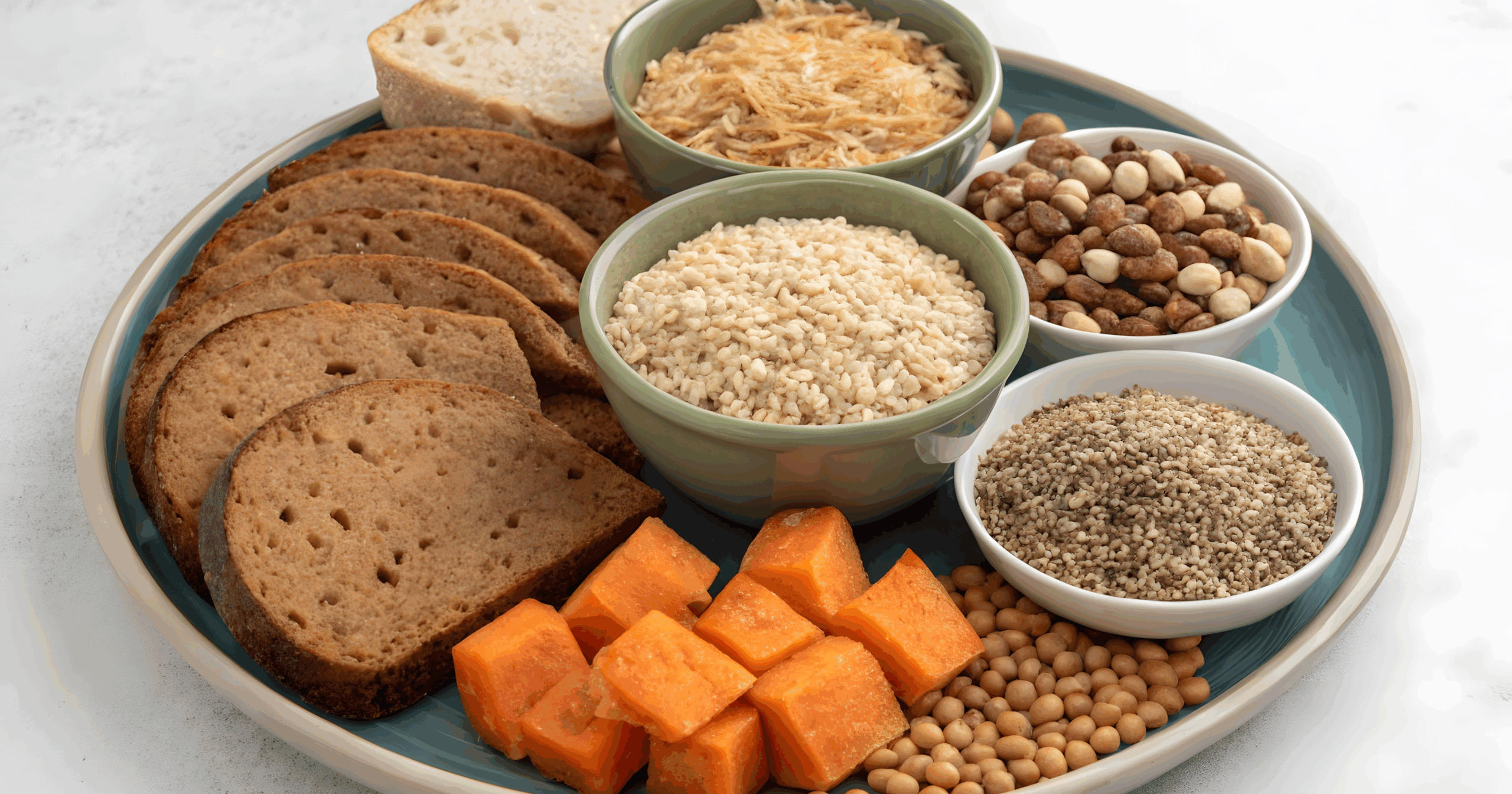
Fiber is key to moving food efficiently through your digestive tract, but not all fibers function the same way. Soluble fiber dissolves in water and forms a gel that soothes inflamed gut linings, while insoluble fiber adds bulk to stool and supports regularity.
To support digestion and reduce bloating, consider including:
- Soluble fiber sources such as oats, apples, and carrots to calm and hydrate the gut.
- Insoluble fiber sources like whole grains, nuts, and leafy greens to encourage healthy motility.
After Thanksgiving, aim to increase fiber gradually to avoid gas or cramping. Preparing soups or stews with fiber-rich vegetables can be especially gentle and effective, while also helping nourish your gut bacteria and prevent constipation.
5. Use Digestive Enzymes or Natural Bitters for Gastric Support
Sometimes the body’s enzyme supply can be overwhelmed after a heavy meal, making it harder for your system to break down fats, proteins, and carbohydrates efficiently. Incorporating supportive tools can help ease this digestive burden.
Consider using digestive enzymes or natural bitters to give your stomach a gentle boost:
- Digestive enzymes can help your body process heavy foods more effectively.
- Dandelion root bitters encourage healthy bile flow.
- Gentian bitters stimulate digestive secretions.
- Lemon peel bitters can support smoother digestion.
These natural aids can prepare your digestive system even before food arrives and may reduce bloating and discomfort when taken at the start of meals. Always choose reputable brands and consult a healthcare provider if you have chronic digestive conditions.
6. Avoid Common Digestive Stressors Post-Feast
Post-Thanksgiving days can tempt you to continue poor habits, but it’s critical to steer clear of inflaming your gut further. Alcohol and caffeine can irritate the stomach lining and dehydrate you, while greasy or fried foods slow down digestion profoundly.
The truth is, stress on the digestive system after a feast can linger longer than you expect. Overeating itself disturbs gut motility and increases intestinal permeability, sometimes referred to as “leaky gut.” Being mindful about what you avoid in these days after Thanksgiving allows your body the space it needs to heal and rebalance.
7. Practice Mindful Eating and Intuitive Portions Moving Forward
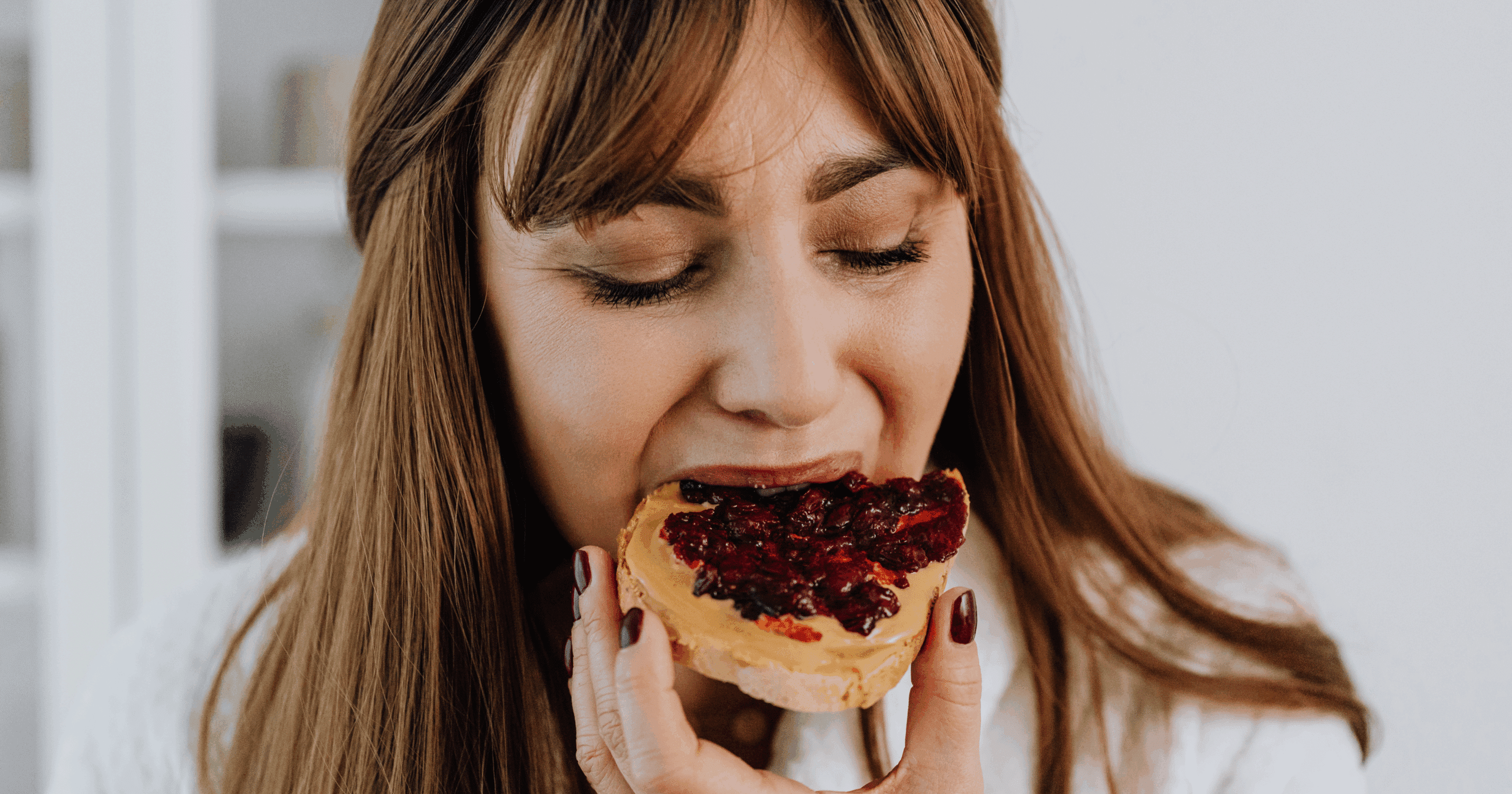
Mindful eating is one of the most effective healthy gut tips. Slow down, chew thoroughly, and honor your body’s hunger and fullness cues. Taking time to savor your food not only improves nutrient absorption by giving enzymes more time to work but also calms the nervous system.
Planning smaller, balanced meals following a large feast helps your gut reset without overwhelming it. This approach fosters a sustainable healthy relationship with food beyond the holidays.
8. Support Your Liver and Detox Processes Naturally
An often-ignored partner in digestion is the liver, responsible for processing toxins and metabolizing fats. Overindulgence during Thanksgiving places extra pressure on this vital organ, which can slow digestion and contribute to bloating.
To support liver health during recovery, consider incorporating:
- Beetroot – helps promote natural detoxification.
- Leafy greens – encourage bile flow and support digestion.
- Milk thistle – a well-known herb that may protect and strengthen liver function.
Simple lifestyle habits also play a key role. Prioritizing quality sleep and allowing your body proper rest gives both the liver and digestive system the time they need to repair and rebalance.
9. Manage Stress to Prevent Gut Discomfort
 meditation
10. Plan Gut-Friendly Meals to Rebuild Healthy Digestion Post-Holiday
Once you feel ready to normalize your diet, focus on meals that are nutrient-dense, easy to digest, and minimally processed. These kinds of meals help your system reset without overwhelming your gut.
Incorporate gut-friendly options such as:
- Soups and stews – warm, gentle on digestion, and rich in nutrients.
- Stewed vegetables – easy to break down and supportive of regularity.
- Lean proteins – provide steady energy without burdening digestion.
- Whole grains – support gut motility and fiber intake.
Introducing bone broth, rich in collagen and amino acids, can also soothe the gut lining and accelerate healing. Combining meals with fiber, probiotics, and anti-inflammatory ingredients helps strengthen your digestive resilience for the months ahead.
Summary Table: Post-Thanksgiving Gut Recovery Tips
Observing these signs can help you identify patterns, understand food triggers, and make decisions that support better gut health. Maintaining a food and symptom journal doesn’t just increase mindfulness; it reveals invaluable data to guide your ongoing gut care. If discomfort persists despite your best efforts, reach out to professionals who can evaluate underlying issues with specialized testing and treatments. At ACA Acupuncture & Wellness, we combine ancient wisdom with modern practices to support your gut health holistically. Our acupuncture treatments and herbal therapies can regulate digestive function, reduce inflammation, and relieve chronic symptoms like bloating and abdominal discomfort. Understanding that gut health is deeply connected to emotional and physical balance, we tailor care plans addressing your unique needs. Whether post-holiday recovery or ongoing digestive wellness, we’re here to empower you on your path to thriving. Source: Khanna, S. (2020). Mayo clinic on digestive health: how to prevent and treat common stomach and gut problems. Rosetta Books. Bloating after a large meal often improves with gentle movement, hydration, and time. Light walking helps stimulate digestion and relieve pressure in the abdomen. Drinking warm water or herbal tea can also support digestive comfort. Quick relief often comes from slow movement and calming the nervous system. Stretching, deep breathing, or sitting upright can help trapped gas pass more easily. Avoid lying flat right after eating, as this may worsen discomfort. Natural approaches can be effective when bloating appears suddenly. Warm fluids, gentle abdominal movement, and avoiding fizzy drinks can help ease pressure. Eating slowly at your next meal can also prevent symptoms from returning. Digestive comfort is often supported by balanced meals, stress management, and regular eating patterns. Foods that are easier to digest and habits that support gut motility help reduce gas buildup. Consistency matters more than quick fixes. Easily digestible foods like cooked vegetables, yogurt, oats, and fermented foods are often well tolerated. These foods support gut balance and smoother digestion. Introducing them gradually helps prevent additional discomfort. Long-term digestive health benefits from regular meals, mindful eating, and adequate hydration. Managing stress and avoiding overeating also play an important role. Small daily habits can make a noticeable difference over time.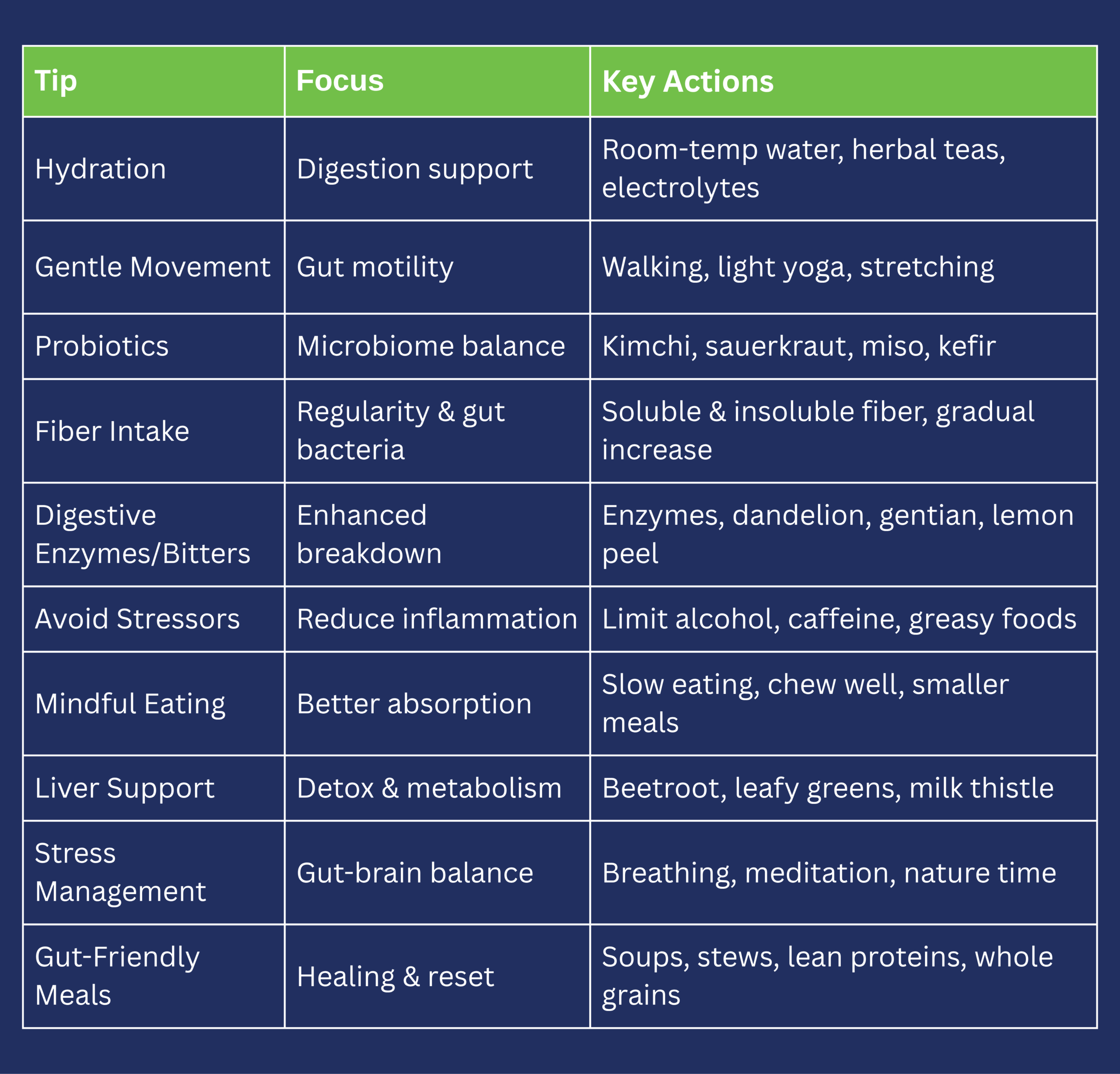 Bloating patterns – helps reveal which foods or habits may be triggering discomfort.
How ACA Acupuncture & Wellness Supports Your Digestive Health Journey
Frequently Asked Questions
1. How to reduce bloating after a heavy meal?
2. How do I reduce bloating quickly when I feel uncomfortable?
3. How to reduce bloating immediately without medication?
4. What reduces bloating and gas naturally?
5. What foods reduce bloating and support digestion?
6. What are simple healthy gut tips to prevent bloating long term?

Cart (0)
Your cart is currently empty.



Cart (0)
Your cart is currently empty.