

Physical Therapy NYC | Elite PT in NYC
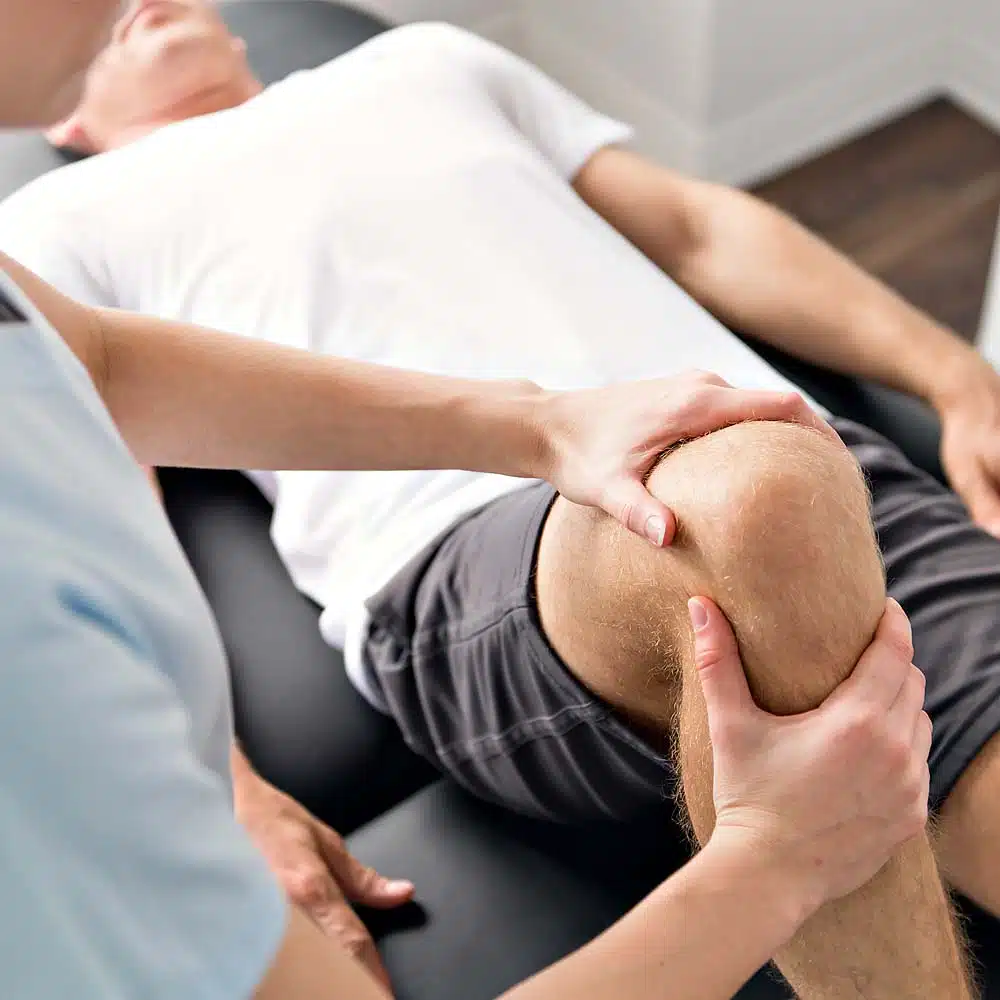
Physiotherapy treatment is a healthcare specialty that evaluates, assesses, and treats individuals with pain and movement limitations. Physical therapists treat and teach patients how to prevent or manage their condition to achieve long-term health benefits.
Request An Appointment

Who benefits from physiotherapy treatment at ACA?
Our physiotherapy treatment specialists can help people who have an injury or illness that results in pain, physical impairment, or limited normal movement/loss of function. They specialize in Manual Therapy and Functional Training in treating musculoskeletal injuries, neurological disorders, and other health conditions.

Conditions that physical therapy treat.
Pelvic floor, vestibular, orthopedic problems
Plantar fasciitis
Rehabilitation
Back, neck, shoulder, elbow, wrist, hand, leg, knee, hip, ankle, and foot pain
Radiculopathy, sciatica, herniated disc, numbness and tingling in the upper and lower extremities, bell’s palsy, post-stroke recovery, Osteoarthritis
Rheumatoid arthritis
Post-surgical treatment of the shoulders, elbows, wrists, hands, back, knees, hips, legs, and feet
Muscle strain/ joint sprains and other sports injuries
Post-surgical care (after total knee or hip replacement, shoulder repair, etc.)
Neck and back stiffness, scoliosis
Muscle/joint pain
Muscle soreness/weakness
Tendinitis/ tendinosis
Rotator cuff tear, meniscus tear recovery after rotator cuff/meniscus repair
Carpal Tunnel Syndrome
Herniated discs, sciatica, and more
Plantar fasciitis
Rehabilitation
Back, neck, shoulder, elbow, wrist, hand, leg, knee, hip, ankle, and foot pain
Radiculopathy, sciatica, herniated disc, numbness and tingling in the upper and lower extremities, bell’s palsy, post-stroke recovery, Osteoarthritis
Rheumatoid arthritis
Post-surgical treatment of the shoulders, elbows, wrists, hands, back, knees, hips, legs, and feet
Muscle strain/ joint sprains and other sports injuries
Post-surgical care (after total knee or hip replacement, shoulder repair, etc.)
Neck and back stiffness, scoliosis
Muscle/joint pain
Muscle soreness/weakness
Tendinitis/ tendinosis
Rotator cuff tear, meniscus tear recovery after rotator cuff/meniscus repair
Carpal Tunnel Syndrome
Herniated discs, sciatica, and more

How effective is physical therapy?
Several authoritative studies show that physical therapy effectively treats different conditions, such as reducing pain and improving the motion of the joint. High-quality physical therapy works better than anything else for all types of musculoskeletal pain in the long term.
Frequently Asked Questions
Can physical therapy help with chronic pain?
Chronic pain conditions, such as back pain or arthritis, often benefit from physical therapy. By strengthening muscles, improving joint flexibility, and using techniques like manual therapy or electrical stimulation, physical therapy helps reduce pain and improve overall function.
What is physical therapy and how does it work?
Physical therapy is a healthcare discipline that helps restore mobility, strength, and function through exercises, manual therapy, and education. It works by targeting specific muscle groups or joints affected by injury or illness, using tailored treatment plans to promote healing, improve flexibility, and prevent further injury.
What are the four main types of physical therapy?
Physical therapy is typically divided into four main types: orthopedic, geriatric, neurological, and pediatric. Orthopedic therapy focuses on musculoskeletal injuries, while geriatric therapy addresses age-related conditions. Neurological therapy assists those with disorders like stroke or Parkinson’s, and pediatric therapy helps children with developmental and physical issues.
What is the most common need for physical therapy?
The most common reason for seeking physical therapy is the recovery from an injury or surgery. It’s frequently used to help individuals regain strength, flexibility, and mobility after fractures, joint replacements, or soft tissue injuries like sprains and strains.
Is physical therapy painful?
Physical therapy typically involves some discomfort, especially when working through issues like knee pain or shoulder pain, but it should not be overly painful. The goal is to promote healing and strengthening, and any mild discomfort usually indicates progress. Physical therapists carefully tailor exercises and therapy services to your pain tolerance, ensuring the care plan addresses your specific needs without causing excessive pain. Whether you’re recovering from an injury or managing chronic discomfort, physical therapy is designed to improve your condition gradually and safely.
Can physical therapy help with post-surgical recovery?
After surgery, physical therapy is critical for regaining mobility and preventing complications. It can help reduce stiffness, improve muscle strength, and restore normal movement patterns, promoting faster and more effective recovery.
How does physical therapy help with injury prevention?
Injury prevention is achieved through strengthening muscles, improving balance, and increasing flexibility. By addressing muscle imbalances or poor movement patterns, physical therapy helps reduce the risk of future injuries, especially in athletes or individuals recovering from previous injuries.
How does physical therapy improve mobility and flexibility?
Physical therapy improves mobility and flexibility by focusing on targeted exercises and manual techniques that stretch tight muscles and strengthen weak areas. A physical therapist will design a personalized care plan that includes exercises to increase joint range of motion and muscle elasticity, ultimately helping patients move more freely and with less pain. In places like New York City, PT is a popular way to address mobility issues, as it offers a comprehensive approach to managing discomfort and improving overall movement. With consistent care, patients can experience lasting improvements in their flexibility and mobility.

Cart (0)
Your cart is currently empty.



Cart (0)
Your cart is currently empty.