

How Traditional Chinese Medicine Addresses Heat-Related Illness (Hyperthermia) This Summer Season

[et_pb_section fb_built=”1″ _builder_version=”4.20.2″ custom_margin=”0px||||false|false” custom_padding=”0px|||||” global_colors_info=”{}”][et_pb_row _builder_version=”4.24.0″ _module_preset=”default” min_height=”2128.4px” custom_padding=”27px||0px|||” global_colors_info=”{}”][et_pb_column type=”4_4″ _builder_version=”4.20.2″ _module_preset=”default” global_colors_info=”{}”][et_pb_text _builder_version=”4.26.0″ _module_preset=”default” custom_margin=”8px|40px|8px|20px|true|false” custom_padding=”||||false|false” hover_enabled=”0″ global_colors_info=”{}” sticky_enabled=”0″]

When the temperature climbs and humidity thickens the air, your body faces more than just discomfort—it battles to stay cool. If it fails, the result can be a heat-related illness, ranging from mild fatigue to dangerous conditions like heat exhaustion or heatstroke. Dizziness, rapid heartbeat, profuse sweating, and mental fog aren’t just symptoms—they’re signs your internal balance is under stress. While hydration and rest are essential, Traditional Chinese Medicine (TCM) offers additional support by addressing the deeper energetic disruptions behind the heat.
Rather than treating heat solely as a temperature issue, TCM understands it as a disturbance in your body’s internal harmony. It considers how summer-heat enters and affects organs, fluids, and energy pathways. Herbal medicine, acupuncture, dietary guidance, and lifestyle alignment are all used to release excess heat, nourish depleted systems, and restore equilibrium. With extreme weather becoming more frequent, understanding how TCM can help prevent and manage hyperthermia isn’t just helpful—it’s necessary.
Key Takeaways
-
Traditional Chinese Medicine views hyperthermia as an internal imbalance of Heat and Qi, not just a temperature issue.
-
Herbal remedies and acupuncture in TCM work together to cool the body, restore fluids, and regulate energy flow.
-
Common symptoms like dizziness or thirst reflect deeper organ-level imbalances TCM can specifically target.
-
TCM dietary therapy supports prevention by focusing on cooling, hydrating foods that nourish Yin and clear internal Heat.
-
Personalized seasonal care in TCM helps vulnerable groups like children and seniors build resilience against extreme heat.
What Is Hyperthermia?
Hyperthermia is a condition where your core body temperature rises uncontrollably. It’s not a fever—it’s a breakdown in your natural ability to regulate heat. In TCM, this is often seen as a pattern of excess Yang, internal Heat buildup, or fluid depletion that disrupts the body’s ability to maintain homeostasis.
- Excess Yang energy can stir agitation, flushing, and fever-like sensations.
- External summer-heat invasion dries out fluids and obstructs Qi circulation, leading to collapse or mental fog.
- Yin deficiency weakens your cooling mechanisms, making it harder to recover once overheated.
- Disruption of the Heart and Spleen may affect mood, appetite, and clarity, especially when heat disturbs the spirit (Shen).
Types of Heat Illness
Understanding where you fall on the spectrum is key:
- Heat rash signals blocked sweat and surface-level Heat.
- Heat cramps indicate fluid and electrolyte imbalance.
- Heat exhaustion shows that the body is overheating but still compensating.
- Heatstroke means the system is failing—temperature rises dangerously, and mental status may shift.
TCM interprets these stages as progressive levels of internal Heat and Qi disruption, each requiring a tailored approach.
Recognizing TCM Patterns Behind Heat Illness

Common Symptoms and Energetic Imbalances
- Flushed skin and heavy sweating – Indicates that excess heat is trapped in the Yangming channels, especially in the Stomach and Large Intestine meridians, pushing heat toward the surface.
- Dry mouth and intense thirst – Suggests that heat is damaging fluids, especially if accompanied by scanty urination and a dry tongue.
- Dizziness, fatigue, and fainting – Often arise from the collapse of Qi and depletion of Body Fluids, preventing proper circulation and cooling.
- Irritability, anxiety, or mental restlessness – Signs that heat is disturbing the Heart and Shen, affecting mood, concentration, and sleep.
- Delirium or loss of consciousness – In more severe stages, heat can penetrate the Pericardium and cloud the mind, requiring urgent care to open the sensory orifices.
Understanding these patterns helps guide individualized herbal or acupuncture treatment protocols.
What Causes Heat Illness?
A few key factors often combine:
- Staying too long in direct sun or enclosed, hot environments
- Physical exertion without breaks
- Inadequate hydration
- Wearing restrictive or non-breathable clothing
- Consuming hot-natured foods or alcohol during peak heat hours
From a TCM standpoint, this is about both external invasion (climate, activity) and internal weakness (Yin, Qi, or organ function).
Cooling the Body with Chinese Herbal Medicine
TCM herbal remedies are carefully chosen to address both the excess heat and the fluid loss that characterize hyperthermia. Rather than suppressing symptoms, herbs work to regulate internal balance.
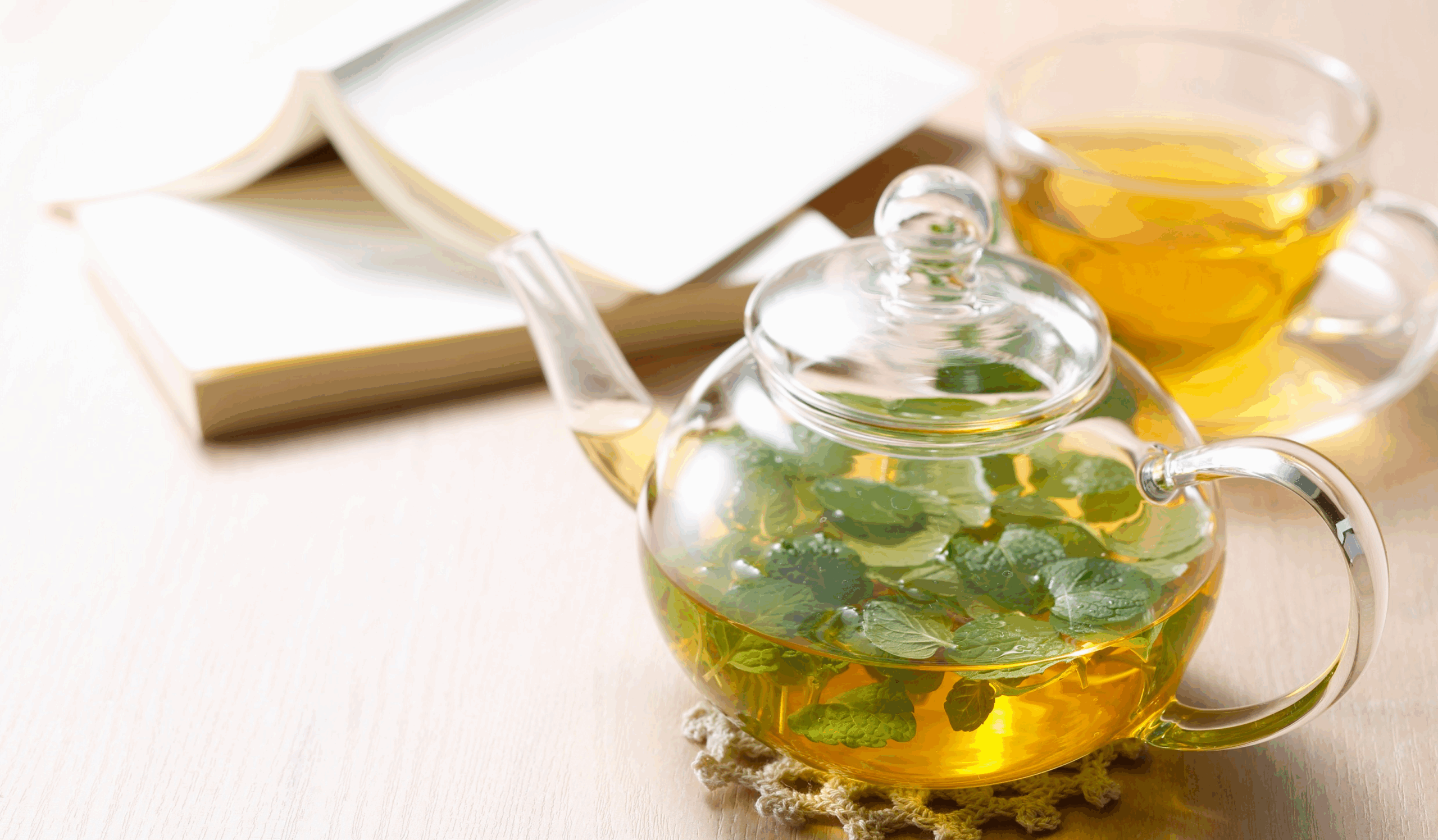
Key Cooling Herbs for Summer-Heat
- Jin Yin Hua (Honeysuckle) – Clears heat from the Qi level and resolves toxicity. Ideal for fevers, sore throat, and inflammatory signs tied to heat invasion.
- Lian Qiao (Forsythia Fruit) – Disperses clumped heat, especially when there are red rashes or skin eruptions due to internal fire.
- Lu Gen (Reed Rhizome) – Replenishes fluids, soothes thirst, and is often used for lung heat and dryness from high temperatures.
- Hua Shi (Talcum Powder) – Promotes urination to release damp-heat from the lower burner and reduce internal steam-like sensations.
- Xiang Ru (Aromatic Madder Herb) – Known as the “summer Ma Huang,” it promotes sweating to release exterior summer-heat, particularly in humid environments.
Common Herbal Formulas Used
- Qing Re Jie Du Tang – Used for high fever, sore throat, and strong internal heat with toxic buildup.
- Liu Yi San (Six to One Powder) – A gentle formula combining Hua Shi and Gan Cao (Licorice Root) to release summer-heat and aid hydration.
- Bai Hu Tang (White Tiger Decoction) – One of the strongest formulas for clearing Qi-level heat, reducing thirst, and cooling the body rapidly.
These formulas are adjusted according to symptom severity, constitution, and heat pattern.
Acupuncture for Heat Regulation and Internal Balance
Acupuncture can help regulate the body’s cooling mechanisms by promoting circulation, releasing heat, and stabilizing internal systems.
Acupuncture Points Commonly Used
- LI11 (Quchi) – A powerful heat-clearing point used for high fever, skin rashes, and inflammation. It helps reduce systemic heat.
- GV14 (Dazhui) – Clears heat from the entire Yang meridian system, helping to lower fever and stimulate the body’s internal thermostat.
- PC6 (Neiguan) – Supports Heart function and relieves symptoms like nausea, anxiety, and chest tightness that arise during heat exhaustion.
- ST36 (Zusanli) – Strengthens overall Qi and helps with fatigue, poor appetite, and recovery post-heat exposure.
- SP6 (Sanyinjiao) – Nourishes Yin and helps rebuild fluids that have been lost through sweating or dehydration.
When used in combination, these points calm the body, support organ function, and restore energy.
Dietary Therapy to Nourish Yin and Clear Heat
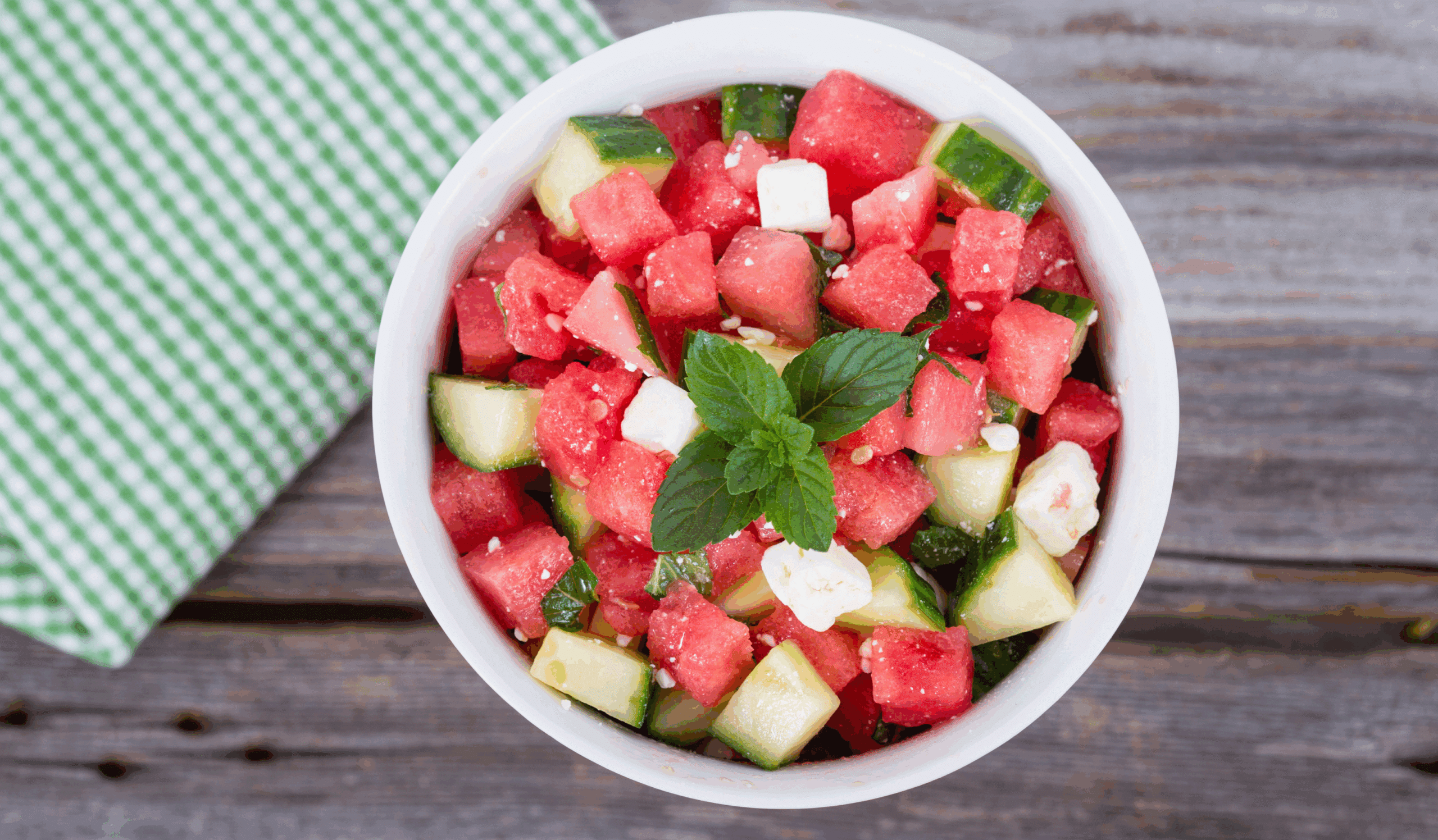
Food is seen as a daily form of medicine in TCM. During summer, meals should focus on hydrating, cooling, and easy-to-digest ingredients.
Recommended Foods for Hot Weather
- Watermelon – Rich in fluids and cooling in nature, it clears summer-heat and relieves thirst and irritability.
- Cucumber – Moistens the lungs and clears heat; ideal for combating dryness and mild fevers.
- Mung beans – Used in soups or teas, they detoxify and cool the body from the inside, especially after sun exposure.
- Bitter melon – Stimulates digestion, clears heat, and helps regulate blood sugar—a great option in hot, humid climates.
- Chrysanthemum tea – A floral tea that clears heat from the Liver and eyes, useful for headaches and visual strain under the sun.
Foods to Avoid
- Spicy dishes – Increase internal Yang and worsen heat patterns.
- Fried and greasy meals – Contribute to damp-heat accumulation and sluggish digestion.
- Alcohol and caffeine – Dehydrate the body and agitate the Heart Shen.
- Red meats – Energetically warming and harder to digest during summer heat.
Seasonal eating supports better recovery, hydration, and prevention of heat-related conditions.
Lifestyle Tips Based on Seasonal Harmony
The summer season is ruled by Fire and the Heart in TCM, requiring specific behavioral and environmental adjustments to maintain balance.
Summer Lifestyle Practices in TCM
- Wake early and rest at midday – Mimicking the Yang movement of the sun supports natural energy alignment and prevents fatigue.
- Wear breathable, light-colored clothing – Helps disperse heat and prevent skin irritation from sweating.
- Reduce intense physical activity during peak heat – Overexertion at high temperatures increases the risk of heat exhaustion.
- Practice cooling breathwork and meditation – Techniques like “Six Healing Sounds” or Qi Gong breathing release heat and calm the mind.
- Avoid emotional extremes – The Heart governs emotion, and excessive stress, anger, or excitement can worsen heat accumulation.
These small but powerful lifestyle habits help prevent overheating and maintain internal clarity.
Supporting At-Risk Groups with TCM
Certain populations are naturally more sensitive to heat due to age or underlying health conditions. TCM provides proactive, gentle care for these groups.
How TCM Provides Targeted Support
- Older adults – Often have weaker Qi and Yin, making them more vulnerable to dehydration and collapse. TCM tonics help reinforce their base energy.
- Children – Their bodies are still developing and regulate heat less efficiently. Mild cooling herbs and teas offer protection without overwhelming their systems.
- Chronic conditions – Those with cardiovascular issues, diabetes, or autoimmune disorders benefit from tailored TCM approaches that manage both internal heat and systemic vulnerability.
By focusing on prevention, TCM can reduce hospital visits and support recovery when hyperthermia does occur.
TCM and Modern Research on Heat Resilience
Scientific studies are beginning to validate the traditional wisdom of TCM in managing inflammation, circulation, and fluid metabolism during heat stress.
Emerging Evidence Highlights
- Herbs like Huang Qin and Dan Zhu Ye show measurable anti-inflammatory effects, helping the body recover from oxidative damage.
- Compounds in Lu Gen and Shi Gao have demonstrated antipyretic (fever-reducing) and vasodilatory effects, supporting temperature regulation.
- Adaptogenic herbs like Dang Shen and Bai Zhu help the adrenal system recover from prolonged heat exposure and fatigue.
These findings suggest that TCM not only aligns with modern understanding of heat physiology but may offer new directions for integrative treatment.
Diagnosis and Tests
Recognizing a heat-related illness early can make all the difference. In clinical settings, diagnosis often begins with observing vital signs—body temperature, heart rate, and respiratory rate. If symptoms are severe, blood work may be ordered to check hydration levels, electrolyte balance, kidney function, and inflammation markers. In heatstroke cases, neurological status is also assessed.
From a Traditional Chinese Medicine perspective, diagnosis involves a deeper look at the body’s energetic patterns. Practitioners assess tongue appearance—looking for redness, dryness, or yellow coating—and pulse quality, which may be rapid or surging. These indicators help identify whether the issue stems from excess Heat, collapsed Qi, or underlying Yin deficiency. The goal is to understand how heat has affected not just the body, but the flow of Qi and function of vital organs.
What is the Treatment for Heat-Related Illness?
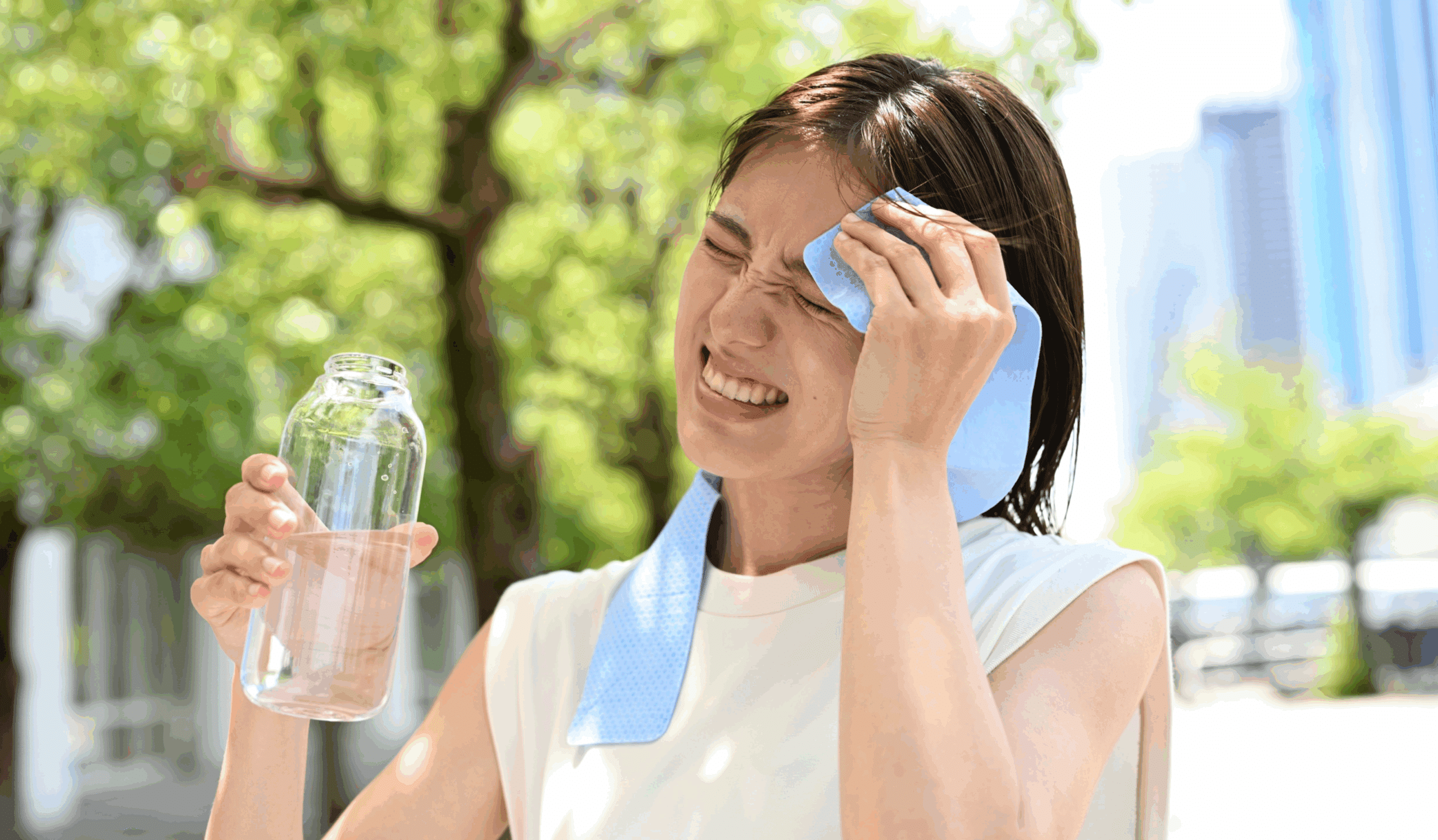
Treatment depends on the severity of symptoms. In Western medicine, the focus is immediate cooling. This may include:
- Moving to a shaded or air-conditioned environment
- Rehydration with water or electrolyte solutions
- Applying cold compresses or using fans
- In severe cases like heatstroke: intravenous fluids, oxygen therapy, and continuous monitoring
In Traditional Chinese Medicine, the approach is multi-layered. Rather than only lowering the body’s temperature, treatment targets the root imbalance:
- Herbal medicine is prescribed to clear internal Heat, nourish fluids, and restore Qi. Formulas like Liu Yi San or Bai Hu Tang are tailored to your pattern.
- Acupuncture points such as LI11, GV14, and PC6 help clear Heat, calm the spirit, and stabilize internal systems.
- Cooling foods and teas support recovery. Watermelon, mung bean soup, and chrysanthemum tea are often recommended.
- Rest and regulated movement through Qi Gong or breathwork help rebuild the body’s reserves without strain.
Every treatment is adjusted to your individual constitution, symptoms, and stage of illness.
How Can I Prevent Hyperthermia?

The best approach is prevention—especially during peak summer heat. Simple, mindful habits can protect you from heat-related stress:
- Stay hydrated throughout the day, not just when thirsty
- Dress in light, breathable fabrics to allow heat to escape
- Limit sun exposure during midday hours when Yang energy peaks
- Eat seasonally appropriate foods that cool the body, like cucumber, bitter melon, and mung beans
- Use herbal teas preventively (like chrysanthemum or mint) to dispel early signs of Heat
- Balance emotions—in TCM, anger, frustration, and anxiety can generate internal Fire
Acupuncture sessions before or during the summer can also prepare your system for extreme weather, supporting fluid metabolism and strengthening organ function.
Stay Cool and Grounded with ACA Acupuncture and Wellness
Managing hyperthermia takes more than air conditioning and hydration—it requires restoring internal balance and supporting both physical and emotional wellbeing. At ACA Acupuncture and Wellness, we offer the full scope of Traditional Chinese Medicine to help your body adapt to extreme summer heat while maintaining clarity, calm, and resilience.
Whether you’re recovering from heat-related illness or want to stay ahead of seasonal stress, our licensed practitioners tailor every session to your needs. We combine herbal medicine, acupuncture, and seasonal lifestyle guidance to address not only physical symptoms like fatigue, dehydration, or tension, but also emotional imbalances such as irritability, restlessness, or sleep disruption—often made worse by excessive heat.
Contact us today to discover how personalized TCM care can support your overall wellbeing and help you move through summer with strength, ease, and peace of mind.
Sources:
Leiva, D. F., & Church, B. (2023). Heat illness. In StatPearls. StatPearls Publishing.
Khan, A. A. (2019). Heat related illnesses: Review of an ongoing challenge. Saudi Medical Journal, 40(12), 1195–1201.
[/et_pb_text][/et_pb_column][/et_pb_row][et_pb_row column_structure=”1_2,1_2″ _builder_version=”4.16″ min_height=”61.4px” global_colors_info=”{}”][et_pb_column type=”1_2″ _builder_version=”4.16″ global_colors_info=”{}”][et_pb_button button_url=”https://acaacupuncture.com/contact-us/request-an-appointment/” button_text=”REQUEST AN APPOINTMENT” _builder_version=”4.16″ background_layout=”dark” locked=”off” global_colors_info=”{}”][/et_pb_button][/et_pb_column][et_pb_column type=”1_2″ _builder_version=”4.16″ global_colors_info=”{}”][et_pb_button button_url=”https://acaacupuncture.com/locations/” button_text=”FIND A LOCATIONS” _builder_version=”4.16″ background_layout=”dark” locked=”off” global_colors_info=”{}”][/et_pb_button][/et_pb_column][/et_pb_row][/et_pb_section]

Cart (0)
Your cart is currently empty.


Cart (0)
Your cart is currently empty.