

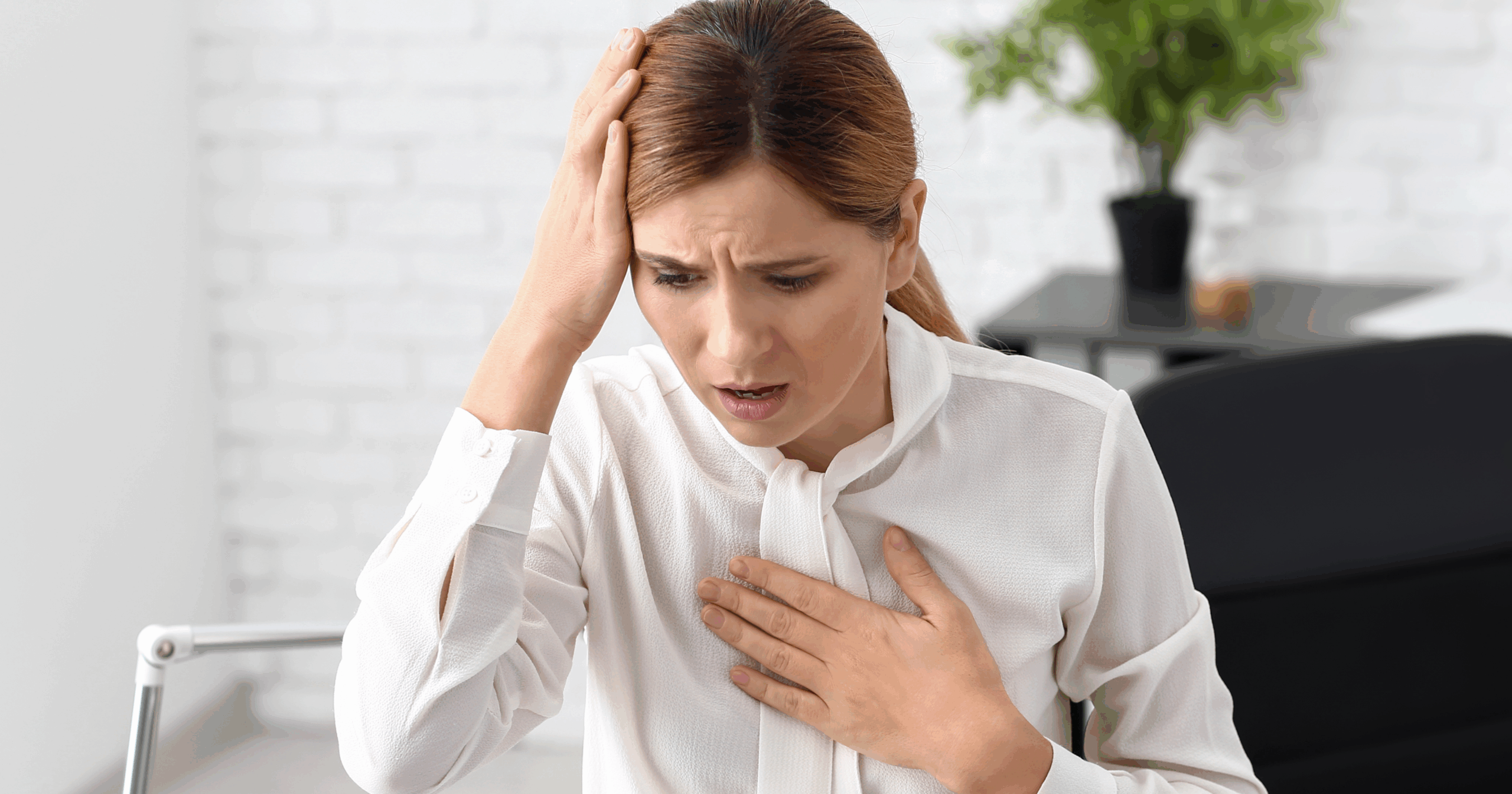
Acupuncture for Anxiety in NYC: A Complete Guide to Mechanisms, Benefits, and What to Expect
Acupuncture has become a common integrative therapy for anxiety in NYC, often used alongside psychotherapy, medication, breathwork, or meditation to support both mental and physical aspects of care. From a biomedical perspective, acupuncture influences autonomic balance and stress hormone output, while from a Traditional Chinese Medicine perspective it addresses disturbances involving the Heart and Shen as well as imbalances of the Liver and Spleen systems that contribute to emotional agitation and disrupted sleep. This dual framework helps patients make sense of how a physical treatment can calm anxious thinking and restore a greater sense of emotional steadiness.
Acupuncture for Anxiety in NYC: A Complete Guide to Mechanisms, Benefits, and What to Expect
Key Takeaways
- Acupuncture can reduce anxiety by regulating the nervous system and stress hormones
- TCM views anxiety as a disturbance of the Shen, with involvement of the Heart, Liver, Spleen, and Kidney
- Improvements include better sleep, calmer mood, reduced tension, improved digestion, and fewer palpitations
- Acupuncture can support Generalized Anxiety Disorder, panic, and stress-related insomnia
- Treatment plans are individualized and may include herbs, lifestyle guidance, or breathing practices
- Many patients in NYC pursue acupuncture to improve functioning without sedation or impairment
How Anxiety Shows Up in the Body and Mind
Anxiety involves a combination of cognitive, emotional, and somatic processes. Worry and fear often coexist with tachycardia, muscle tension, gut reactivity, headaches, and sleep disruption. Individuals may also notice fatigue, mental fog, difficulty concentrating, and low motivation. Common symptoms include:
- racing thoughts or excessive worry
- restlessness or irritability
- rapid heartbeat or palpitations
- chest tightness or shortness of breath
- digestive upset, nausea, or diarrhea
- tension headaches or jaw clenching
- tightness in the neck or shoulders
- difficulty falling or staying asleep
- fatigue and low energy
- impaired focus or indecisiveness
From a neurological perspective, the body becomes stuck in a sustained threat mode. The sympathetic nervous system remains overactive, while parasympathetic recovery lags behind. Once this feedback loop becomes habitual, anxiety may persist even after stress triggers have diminished.
Sleep and digestion are often affected due to the close relationship between the nervous system and the gut-brain axis. Over time, anxiety can influence productivity, interpersonal relationships, and overall quality of life.
Why Anxiety Is Common in New York City
New York City contains some of the highest concentrations of psychological and environmental stressors in the United States. Contributing factors include:
- high-pressure work environments
- dense urban living
- constant sensory stimulation
- long commutes
- academic and career competition
- irregular schedules and insufficient rest
- limited access to quiet or natural environments
Students, creative professionals, finance workers, medical trainees, caregivers, and service industry workers frequently report anxiety symptoms in NYC. Many pursue drug-free approaches to reduce symptoms without impairing alertness, which has contributed to increased interest in acupuncture.
Causes of Anxiety: Interplay of Biology, Environment, and Lifestyle

Anxiety does not have a single cause. It develops when internal physiology, environmental stress, and personal history converge. Multiple contributing factors can include:
Biological and Physiological Influences
Biology shapes how the nervous system interprets and recovers from stress. Genetics and family history can influence susceptibility, and neurochemical sensitivity may heighten reactivity to perceived threat. Hormonal fluctuations, thyroid or endocrine disorders, and disruptions in the gut brain axis can also contribute. Chronic inflammation and lingering illness may further strain emotional regulation by altering stress hormone output and energy availability.
Lifestyle and Environmental Factors
Modern lifestyles often overwhelm the nervous system and reduce time for recovery. Persistent work or academic pressure, irregular sleep patterns, and urban overstimulation are common drivers. Digital overload increases information density and novelty exposure, adding cognitive strain. Financial responsibilities, caregiving demands, and insufficient restorative downtime can gradually erode stress resilience, especially in fast-paced cities.
Psychological and Experiential Contributors
Personal history shapes coping mechanisms and influences how the brain interprets uncertainty. Trauma, unresolved emotional stress, and perfectionistic expectations can create heightened vigilance. Limited access to coping skills, social isolation, and strained relationships add further emotional load and reduce opportunities for co-regulation and support.
Traditional Chinese Medicine Perspective
Traditional Chinese Medicine offers additional nuance by identifying internal patterns that predispose individuals to anxiety. Prolonged stress may stagnate Liver Qi, emotional upheaval can disturb the Heart and Shen, excessive worry may weaken the Spleen, and constitutional depletion can involve the Kidneys. These patterns influence how anxiety manifests across sleep, cognition, digestion, energy, and mood.
Difference Between Normal Anxiety and Generalized Anxiety Disorder (GAD)
| Feature | Normal Anxiety | Generalized Anxiety Disorder (GAD) |
| Triggering | Linked to a specific event or situation | Not limited to specific events; worry extends across multiple areas of life |
| Intensity | Proportional to the stressor | Disproportionate to circumstances or hypothetical in nature |
| Duration | Short-lived and temporary | Persists for months or longer |
| Cognitive Pattern | Worry stops once the stressor ends | Rumination continues even without clear triggers |
| Physical Symptoms | Minimal or brief | Common and persistent (insomnia, muscle tension, digestive issues, headaches, palpitations) |
| Functional Impact | Does not interfere with daily functioning | Reduces productivity, focus, and emotional bandwidth |
| Regulation and Recovery | Self-regulates without help; baseline returns quickly | Difficulty returning to baseline; recovery is slow or incomplete |
| Control | Thoughts can be redirected voluntarily | Thoughts feel intrusive, persistent, and difficult to manage |
| Clinical Relevance | Considered a natural stress response | Considered a diagnosable anxiety disorder |
Key distinction: GAD differs from normal anxiety in scope, duration, regulatory control, and functional impact rather than from the presence of worry itself.
Acute Anxiety vs Chronic Anxiety
Anxiety can behave as a short spike or as an ongoing condition.
Acute anxiety
- triggered by a discrete event or stressor
- marked by rapid physiological activation
- resolves once the situation passes
- baseline returns without prolonged symptoms
Chronic anxiety
- persists without clear triggers
- develops cumulative muscle tension and sleep disruption
- increases digestive sensitivity and reactivity
- fuels worry loops and anticipatory stress
Chronic anxiety is especially responsive to acupuncture because treatments gradually recalibrate autonomic tone, sleep rhythms, and somatic tension patterns.
Acupuncture for Generalized Anxiety Disorder (GAD)

Acupuncture is frequently used as an adjunct therapy for GAD because it addresses both somatic and cognitive components. Patients with GAD often show a mix of rumination, insomnia, palpitations, digestive sensitivity, irritability, and pervasive worry. Treatment aims to increase stress resilience, improve sleep, normalize cortisol rhythms, and reduce habitual muscle tension that reinforces the anxious loop.
How Acupuncture Helps Anxiety
Modern research identifies several pathways that explain why acupuncture benefits anxiety:
- Parasympathetic Activation – Acupuncture increases parasympathetic output, slowing heart rate, improving digestion, and facilitating recovery from stress.
- Vagus Nerve Modulation – The vagus nerve coordinates emotional regulation, gut motility, and heart rate variability. Improved vagal tone correlates with calmer mood and better sleep.
- HPA Axis Regulation – The hypothalamic pituitary adrenal axis governs cortisol production. Acupuncture can normalize stress hormone output and restore healthier daily cortisol rhythms.
- Neurotransmitter Regulation – Studies show shifts in serotonin, dopamine, GABA, and endogenous opioid levels during treatment, which influence mood, focus, and anxiety resolution.
- Heart Rate Variability Improvement – Higher HRV is associated with resilience and flexible emotional processing. Acupuncture has been linked with HRV improvements in individuals with anxiety disorders.
These mechanisms validate both subjective patient reports and objective physiological changes seen in clinical studies.
Shen-Specific Symptom Mapping (TCM)
Several patterns commonly appear in anxiety presentations:
- Heart Yin deficiency – Difficulty falling asleep, palpitations, restlessness, night heat, vivid dreams.
- Heart and Kidney disharmony – Fearfulness, anxiety worsening at night, fatigue, low back soreness, light sleep.
- Liver Qi stagnation with Heat – Irritability, chest tightness, headaches, jaw tension, mood volatility.
- Spleen Qi deficiency with Dampness – Overthinking, digestive bloating, nausea, loose stools, fatigue, difficulty concentrating.
- Kidney Yin deficiency with Empty Heat – Agitation, tinnitus, dryness, poor sleep, emotional depletion.
Mapping symptoms to patterns allows for individualized point selection, herbs, and lifestyle strategies rather than a one-size-fits-all diagnosis.
Key Acupuncture Points Used for Anxiety
Specific acupuncture points are used to calm the nervous system, improve circulation, and regulate emotional responses. These points are carefully selected based on individual needs and symptoms.
- Yintang (GV 24.5) – Known as the “Third Eye” point, this spot between the eyebrows calms the mind and eases stress.
- Shenmen (HT 7) – Located on the wrist, this point is associated with emotional balance, improved sleep, and relief from palpitations.
- Neiguan (PC 6) – Found on the inner forearm, this point helps with nervousness, reduces anxiety-related nausea, and stabilizes the heart.
- Baihui (GV 20) – Positioned at the top of the head, this point reduces mental overactivity and supports clarity of mind.
- Zusanli (ST 36) – A grounding point on the leg that strengthens overall vitality, reduces fatigue, and enhances resilience to stress.
- Ear Acupuncture Points – Auricular Shenmen and the Sympathetic Point in the ear are often stimulated to create an overall calming effect.
Each of these points contributes to regulating anxiety by restoring balance to the body’s energy flow and nervous system function.
Benefits of Acupuncture for Anxiety
Clinical and patient-reported benefits include:
- improved sleep quality
- reduced palpitations and muscle tension
- calmer baseline mood
- fewer worry loops
- improved digestive comfort during stress
- enhanced emotional regulation
- improved heart rate variability
- less reliance on sedatives or stimulants
These benefits tend to accumulate over time rather than producing a single dramatic shift.
Scientific Evidence Supporting Acupuncture
Research includes randomized trials, systematic reviews, and neuroimaging studies. Findings show reductions in anxiety scores, lower cortisol levels, improved sleep, and measurable changes in limbic system activity. Functional MRI research demonstrates altered connectivity in areas responsible for fear and emotional processing, including the amygdala and prefrontal cortex.
What to Expect During Treatment
A typical session includes:
- intake and discussion of symptoms
- tongue and pulse evaluation
- selection of acupuncture points
- insertion of sterile needles
- rest period for 20 to 40 minutes
Common sensations include heaviness, warmth, tingling, or calm. Many patients fall into light sleep during treatment due to parasympathetic activation.
Treatment Frequency and Timeline
Timeline varies by severity and chronicity:
- mild anxiety: improvement within 3 to 6 sessions
- moderate anxiety: 6 to 12 sessions for stable change
- long-standing or severe anxiety: ongoing care for several months
Improvements often occur in layers. Sleep tends to improve first, followed by tension reduction and better cognitive regulation. Maintenance sessions every 2 to 4 weeks help stabilize results once symptoms are manageable.
Is Acupuncture Safe for Treating Stress and Anxiety?

Acupuncture is considered safe when performed by a licensed acupuncturist. Side effects are minimal and may include temporary soreness or mild fatigue. Patients on anticoagulants or those who are pregnant should inform their practitioner so that point selection can be modified.
Common Side Effects
Mild and temporary side effects are possible. Some patients experience light soreness at needle sites, a sensation of heaviness or warmth, brief fatigue afterward, or temporary lightheadedness if they stand up too quickly after treatment. These effects typically resolve within minutes to a few hours.
Less Common Side Effects
Less common reactions may include minor bruising, slight bleeding at insertion sites, or temporary emotional release during or after the session as the nervous system shifts out of a heightened state.
Considerations for Certain Groups
Patients who are pregnant, taking anticoagulants, or managing bleeding disorders should inform their practitioner so that point selection and needling depth can be adjusted for safety. Pregnant patients require modified treatment because some acupuncture points are avoided during pregnancy.
Overall, acupuncture remains one of the safest non drug therapies for stress, anxiety, and sleep regulation, particularly when compared to sedatives or anxiolytic medications that carry risks of dependence, sedation, or cognitive impairment.
Additional TCM Strategies for Anxiety
Acupuncture is often supported by:
- Herbal Medicine – Formulas nourish the Heart and calm the Shen while addressing digestion, sleep, irritability, or fear patterns.
- Cupping – Releases muscle tension in the neck and shoulders, which reduces somatic input during stress.
- Moxibustion – Warms and strengthens Spleen and Kidney Qi in cases of fatigue or depletion.
- Breathing Practices – Slow diaphragmatic breathing improves vagal tone and supports sleep regulation.
- Diet and Lifestyle – Warm cooked foods support Spleen function and reduce worry. Lowering stimulants like caffeine may reduce palpitations and sleep disruption.
Who Is More at Risk for Anxiety

Anxiety can affect anyone, although certain groups are more prone due to biological, environmental, or psychological pressures.
Higher-risk groups include:
- young adults and middle aged individuals navigating academic, career, and life transitions
- older adults experiencing health concerns or social isolation
- women, due to hormonal shifts and unique societal pressures
- individuals exposed to chronic stress or high performance environments
- people with unresolved trauma or limited coping resources
- individuals with hormonal or thyroid imbalances affecting mood and energy
- those living in overstimulating urban environments with limited recovery time
From a Traditional Chinese Medicine perspective, prolonged stress may stagnate Liver Qi, excessive worry may weaken the Spleen, and constitutional depletion may affect the Kidneys, all of which reduce emotional resilience and increase sensitivity to anxiety triggers.
Understanding who is more vulnerable allows for earlier intervention and targeted strategies before symptoms escalate.
Insurance, Pricing, and Accessibility in NYC
Many NYC acupuncturists accept insurance, offer superbills for reimbursement, or provide private pay options. Pricing varies depending on visit length, practitioner training, and treatment frequency. Patients often view acupuncture as part of a broader wellness strategy to maintain productivity and emotional stability without sedation.
Relieve Anxiety with ACA Acupuncture and Wellness
At ACA Acupuncture and Wellness, we are dedicated to helping you find relief from the burden of anxiety through personalized, holistic care. Our experienced practitioners understand that anxiety can impact every aspect of your life, from your mental state to your physical health, and we are here to guide you toward lasting balance.
We know that every individual’s experience with anxiety is different, and that’s why we create customized treatment plans that focus on your specific needs. Whether you’re looking for immediate relief from overwhelming stress or a long-term approach to managing anxiety, ACA Acupuncture and Wellness offers compassionate care that prioritizes your well-being.
Our calming, restorative environment is the perfect place to unwind and focus on yourself, with treatments designed to support both your mental and physical health. Acupuncture can offer the relief you’ve been seeking without relying on medications, helping you regain control and face life’s challenges with renewed energy and confidence.
Make an appointment today at ACA Acupuncture and Wellness, and start experiencing lasting relief from stress with a treatment designed for your well-being. Our skilled team is here to support you every step of the way, guiding you toward a life of greater calm and clarity.
Sources:
Li, M., Liu, X., Ye, X., & Zhuang, L. (2022). Efficacy of acupuncture for generalized anxiety disorder: A PRISMA-compliant systematic review and meta-analysis. Medicine (Baltimore)
Yang, X.-Y., Yang, N.-B., Huang, F.-F., Ren, S., & Li, Z.-J. (2021). Effectiveness of acupuncture on anxiety disorder: A systematic review and meta-analysis of randomized controlled trials. Annals of General Psychiatry, 20(9)
Amorim, D., Amado, J., Brito, I., Fiuza, S. M., Amorim, N., Costeira, C., & Machado, J. (2018). Acupuncture and electroacupuncture for anxiety disorders: A systematic review of the clinical research. Complementary Therapies in Clinical Practice
Qin, W., Tian, J., Bai, L., Pan, X., Yang, L., Chen, P., Dai, J., Ai, L., Zhao, B., Gong, Q., Wang, W., von Deneen, K. M., & Liu, Y. (2008). fMRI connectivity analysis of acupuncture effects on an amygdala-associated brain network. Brain Research
What our patients say


Book an appointment

Cart (0)
Your cart is currently empty.



Cart (0)
Your cart is currently empty.