

Acupuncture for PMDD (Premenstrual Dysphoric Disorder): A Natural Approach to Severe PMS Symptoms

Key Takeaways
- PMDD is a severe neuro-hormonal condition, not a mild form of PMS
- Acupuncture addresses emotional and physical symptoms simultaneously
- Treatment focuses on nervous system and hormonal regulation
- Many patients notice improvement within one to two cycles
- Acupuncture complements medical and psychological care rather than replacing it
What Is Premenstrual Dysphoric Disorder (PMDD)
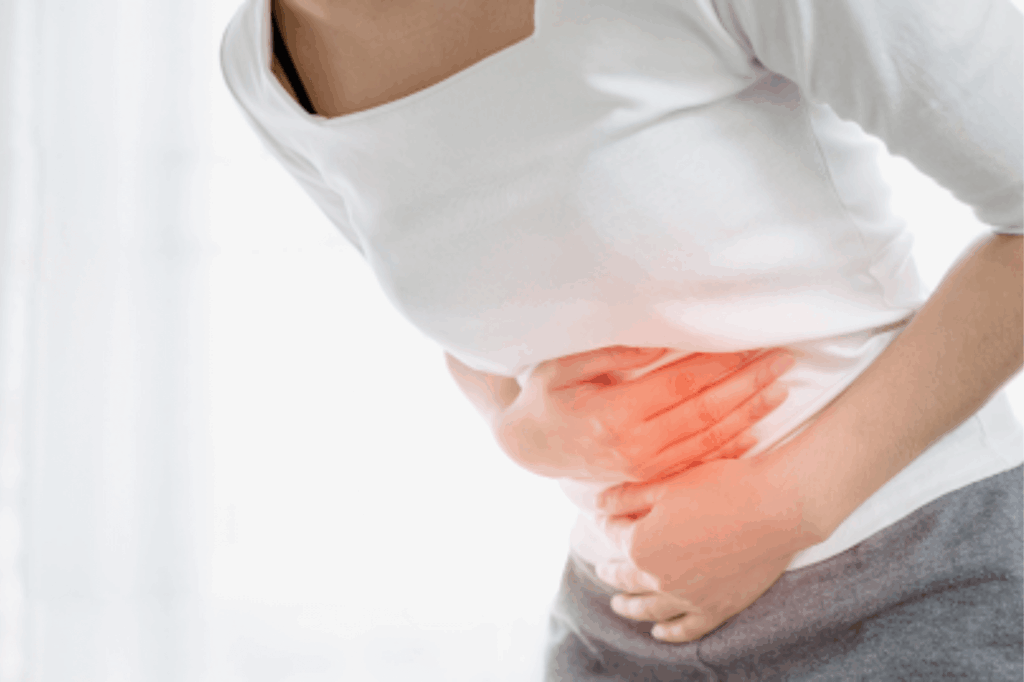
PMDD is a severe form of premenstrual syndrome marked by intense emotional, cognitive, and physical symptoms that occur during the luteal phase of the menstrual cycle. Symptoms begin after ovulation, intensify in the days leading up to menstruation, and reliably resolve shortly after bleeding starts, which is a key diagnostic feature.
Core Diagnostic Features
PMDD is characterized by:
- Severe mood swings, irritability, anger, or emotional sensitivity
- Anxiety, depression, or feelings of hopelessness
- Difficulty concentrating or feeling mentally overwhelmed
- Fatigue, sleep disturbances, or changes in appetite
- Physical symptoms such as bloating, breast tenderness, headaches, or pelvic pain
For a PMDD diagnosis, symptoms must be severe enough to interfere with daily functioning and must follow a clear cyclical pattern.
PMDD vs PMS
While PMS and PMDD share timing, they differ significantly in intensity and impact. PMS symptoms are typically uncomfortable but manageable, and many people find relief with acupuncture for PMS, lifestyle adjustments, or short-term support. PMDD symptoms, however, are often disabling, emotionally distressing, and disruptive to work, relationships, and self-esteem, requiring a more comprehensive and targeted treatment approach.
Why PMDD Happens (Western Medicine Perspective)
PMDD is linked to abnormal sensitivity to normal hormonal fluctuations, especially changes in estrogen and progesterone that affect serotonin and nervous system function.
Hormones and Brain Chemistry
Estrogen and progesterone interact directly with neurotransmitters such as serotonin and GABA. In people with PMDD, these interactions trigger exaggerated emotional and stress responses, leading to mood instability, anxiety, and depressive symptoms.
Nervous System Dysregulation
PMDD is strongly associated with heightened stress sensitivity. The nervous system becomes more reactive, making everyday stressors feel overwhelming. This explains why emotional symptoms often feel out of proportion and difficult to control during the luteal phase.
PMDD From a Traditional Chinese Medicine Perspective
In Traditional Chinese Medicine, PMDD is most commonly caused by Liver Qi stagnation disrupting emotional regulation and blood flow during the menstrual cycle. Rather than focusing on isolated symptoms, Traditional Chinese Medicine views PMDD as a pattern of imbalance affecting emotional regulation, circulation, and organ system coordination.
Liver Qi Stagnation
The Liver system governs emotional flow and hormonal rhythm. When Liver Qi becomes constrained, symptoms such as irritability, frustration, bloating, and breast tenderness commonly arise.
Blood Deficiency and Blood Stasis
Chronic stress, poor sleep, or long-standing hormonal imbalance can lead to insufficient or poorly circulating blood. This contributes to fatigue, pain, headaches, and heavier or more uncomfortable cycles.
Shen Disturbance
The Shen, or spirit, reflects mental and emotional stability. When disturbed, symptoms such as anxiety, depression, rumination, and insomnia become more pronounced.
How Acupuncture Helps PMDD

Acupuncture reduces PMDD symptoms by regulating serotonin, calming the nervous system, improving pelvic circulation, and restoring hormonal balance. It works through both neurological and physiological pathways, which is why it can address emotional and physical symptoms at the same time.
Serotonin and Mood Regulation
Acupuncture has been shown to influence serotonin activity in the brain. This helps stabilize mood, reduce anxiety, and lessen depressive symptoms without altering brain chemistry through medication.
Hormonal Balance and Cycle Support
By regulating communication between the brain, ovaries, and endocrine system, acupuncture supports smoother hormonal transitions during the menstrual cycle, particularly in the luteal phase.
Nervous System Calming
Many patients experience a deep relaxation response during treatment. Over time, this helps retrain the nervous system to respond more calmly to stress, which is critical for PMDD management.
Anti-Inflammatory Effects
Acupuncture improves circulation and reduces inflammatory signaling, which can ease cramping, bloating, headaches, and body aches associated with PMDD.
Clinical Evidence Supporting Acupuncture
Clinical research supports acupuncture as an effective option for managing PMDD and severe PMS symptoms, particularly emotional and psychological distress. A comprehensive Cochrane systematic review by Armour et al. (2018) found that acupuncture and acupressure produced greater overall symptom improvement compared with sham or control treatments, including reductions in anxiety, depression, irritability, and physical discomfort.
Across randomized controlled trials, acupuncture has shown clinically meaningful benefits, especially for moderate to severe symptoms.
Key findings include:
- Over 50 percent reduction in overall symptom severity in some studies
- Greater improvements in anxiety and depression compared to placebo treatments
- Noticeable symptom relief within the first few treatment cycles
Although PMDD-specific trials remain limited, evidence from severe PMS populations is considered clinically relevant due to shared symptom patterns and underlying neuro-hormonal mechanisms.
Common Acupuncture Points Used for PMDD
Acupuncture protocols for PMDD commonly include points that regulate hormones, move Liver Qi, and calm the nervous system.
While treatment is always individualized, commonly used points include:
- SP6 for hormonal balance and menstrual regulation
- LV3 and GB34 to release emotional tension and Liver Qi stagnation
- PC6 for anxiety, nausea, and emotional instability
- Lower abdominal points to support pelvic circulation and reproductive health
Point selection is adjusted based on symptom pattern, cycle timing, and overall health.
What Treatment Looks Like at ACA Acupuncture and Wellness

Our acupuncturists at ACA create individualized PMDD treatment plans based on symptom patterns, cycle timing, and emotional health.
Initial Assessment
We evaluate menstrual history, emotional symptoms, stress patterns, sleep quality, digestion, and overall health to identify the underlying imbalance driving PMDD symptoms.
Treatment Frequency
Many patients begin with weekly or biweekly treatments, especially during the luteal phase. As symptoms improve, treatment frequency is adjusted for maintenance and long-term regulation.
Ongoing Personalization
PMDD patterns can change over time. Treatment evolves accordingly to support lasting improvement rather than short-term relief alone.
How Long Does It Take for Acupuncture to Help
Most people notice improvement within one to two menstrual cycles, with more consistent results after about three months of regular treatment. Because PMDD follows a hormonal cycle, progress is best evaluated across multiple cycles rather than after a single session.
What improvement often looks like:
- Early sessions: calmer mood, better sleep, reduced emotional intensity
- After 1 to 2 cycles: fewer mood swings and less physical discomfort
- Ongoing care: shorter symptom duration and improved emotional stability
Acupuncture vs Medication
Acupuncture offers symptom relief without pharmaceutical side effects and can be used alone or alongside conventional treatment. It supports the body’s own regulatory systems rather than altering brain chemistry or hormone levels.
| Aspect | Acupuncture | Medication |
| Primary focus | Nervous system and hormonal regulation | Neurochemical or hormonal modification |
| Emotional symptoms | Improves mood stability and stress response | Can reduce depression and anxiety |
| Physical symptoms | Reduces pain, bloating, fatigue | Variable effect |
| Side effects | Minimal and short-term | Can include nausea, fatigue, libido changes |
| Long-term use | Often sustainable | May require ongoing management |
| Combination use | Can complement medication | Often used alone |
Lifestyle Support That Enhances Acupuncture Results
Acupuncture is most effective when paired with lifestyle habits that support nervous system regulation and hormonal balance. Small, consistent changes can significantly enhance treatment outcomes and improve symptom resilience throughout the menstrual cycle.
Helpful supportive strategies include:
- Stress management: Mindfulness, breathing exercises, or gentle movement
- Sleep support: Consistent sleep timing and adequate rest
- Nutrition awareness: Stable blood sugar and anti-inflammatory food choices
- Cycle tracking: Understanding symptom patterns across the month
Together, these factors help reduce symptom intensity and support long-term regulation.
When to Consider Acupuncture for PMDD
Acupuncture is an appropriate option for individuals experiencing severe PMS or PMDD who want a natural, holistic approach to symptom management. It is especially valuable for those who experience strong emotional symptoms, medication side effects, or incomplete relief from conventional treatments.
It can also be a supportive option for individuals seeking care that addresses both emotional and physical symptoms without relying solely on pharmaceuticals.
Restoring Stability in PMDD Through Acupuncture
PMDD is a real and often overwhelming condition that affects both emotional well-being and physical health. Effective care requires more than symptom suppression. It requires supporting the nervous system, hormonal rhythms, and the body’s ability to adapt to cyclical change.
Our acupuncturists at ACA Acupuncture and Wellness approach PMDD with an emphasis on regulation, resilience, and long-term balance. By addressing underlying patterns rather than isolated symptoms, acupuncture helps many individuals experience greater emotional stability, improved physical comfort, and a renewed sense of control throughout their menstrual cycle.
Souce:
Armour, M., Ee, C. C., Hao, J., Wilson, T. M., Yao, S. S., & Smith, C. A. (2018). Acupuncture and acupressure for premenstrual syndrome. Cochrane Database of Systematic Reviews, 2018(8), CD005290. https://doi.org/10.1002/14651858.cd005290.pub2
PMDD can be managed naturally by regulating the nervous system and supporting hormonal balance through acupuncture, stress reduction, consistent sleep, and cycle-aware self-care. These approaches reduce symptom severity rather than masking emotional and physical responses.
A PMDD episode improves by calming the nervous system through rest, reduced stimulation, gentle movement, and supportive treatments like acupuncture. Symptoms typically ease as hormonal fluctuations stabilize and stress signals decrease.
Coffee can worsen PMDD symptoms by increasing cortisol, anxiety, and nervous system stimulation during the luteal phase. Many people experience improved mood stability and reduced irritability when caffeine intake is reduced or avoided.
Highly processed foods, excess sugar, alcohol, and refined carbohydrates can worsen inflammation and blood sugar swings during PMDD. These foods may intensify mood changes, fatigue, and physical discomfort.
PMDD is caused by heightened sensitivity of the brain and nervous system to normal hormonal fluctuations, especially changes in estrogen and progesterone. This sensitivity disrupts serotonin and stress regulation rather than hormone levels themselves.
PMDD symptoms can worsen with age due to increased hormonal variability, chronic stress, or perimenopausal changes. Without regulation and support, symptom intensity may become more pronounced over time.
Testimonials

Cart (0)
Your cart is currently empty.


Cart (0)
Your cart is currently empty.