

Acupuncture for Trigeminal Neuralgia: Natural Relief for Facial Nerve Pain

Key Takeaways
- Acupuncture for trigeminal neuralgia may help reduce both the intensity of facial pain and the frequency of flare-ups
- Treatment works by supporting healthy nerve signaling, improving circulation, and stimulating the body’s natural pain-relieving responses
- Many patients seek acupuncture to complement medical care and reduce dependence on medications over time
- Care is gentle, individualized, and adjusted to each patient’s trigger pattern, pain level, and overall health
- Combining acupuncture with stress management, supportive nutrition, and other wellness therapies may improve long-term results
What Is Trigeminal Neuralgia?

Trigeminal neuralgia is a chronic pain disorder that affects the trigeminal nerve, the major nerve responsible for carrying sensation from the face to the brain. This nerve has three main branches that supply feeling to the forehead, cheek, and jaw. When the nerve becomes irritated or compressed, it can send intense pain signals that feel sudden, sharp, burning, or electric in nature.
Unlike ordinary facial discomfort, trigeminal neuralgia pain is often extreme and unpredictable. Some patients describe it as a stabbing or jolting sensation that appears without warning, while others notice that it follows very specific triggers such as talking, chewing, touching the face, shaving, smiling, or brushing the teeth. Because the pain can come and go in repeated bursts, many people live in fear of activating another episode.
There are two primary forms of trigeminal neuralgia:
Classical trigeminal neuralgia is often associated with pressure on the trigeminal nerve, usually from a nearby blood vessel. This pressure can disrupt the normal protective covering of the nerve and make pain signals more likely to fire.
Secondary trigeminal neuralgia develops as a result of another condition, such as multiple sclerosis, a tumor, or another structural or neurological issue affecting the nerve.
Common symptoms may include:
- Sudden, severe facial pain on one side of the face
- Electric shock-like, stabbing, or burning sensations
- Pain triggered by light touch, speaking, chewing, or brushing teeth
- Episodes that last for seconds or minutes and may repeat in clusters
- Periods of remission followed by flare-ups
Because symptoms can overlap with dental pain, jaw disorders, sinus problems, and other facial conditions, a proper evaluation is essential. Correct diagnosis is one of the most important first steps in finding the right treatment path.
What Can Be Mistaken for Trigeminal Neuralgia
Several other conditions can resemble trigeminal neuralgia, which is one reason many patients go through a long and frustrating search before receiving an accurate diagnosis. Facial pain is complex, and not every sharp or persistent pain in the jaw or cheek is caused by the trigeminal nerve. When symptoms are misunderstood, patients may try treatments that do not address the true source of the problem.
Conditions that may be mistaken for trigeminal neuralgia include:
TMJ disorders
Temporomandibular joint dysfunction can cause jaw pain, facial tension, clicking, limited mouth opening, and discomfort that radiates into the cheek or ear. Because TMJ pain often affects the same general area as trigeminal neuralgia, the two are frequently confused.
Dental infections or tooth pain
Abscesses, cracked teeth, gum inflammation, and nerve irritation inside a tooth can all cause sharp, localized pain. Some patients undergo dental procedures before learning that the pain is actually neurological rather than dental.
Sinus issues
Sinus pressure and inflammation can create pain in the cheeks, around the eyes, or across the upper face. While sinus pain tends to feel more like pressure or fullness, severe cases may still be mistaken for trigeminal neuralgia.
Cluster headaches
These intense headaches can cause severe pain around one eye or one side of the face. Because they are unilateral and extremely painful, they may overlap with the way trigeminal neuralgia is described.
Post-herpetic neuralgia
After shingles, some people develop lingering nerve pain in the face. This pain can burn, sting, or shock the skin and may resemble trigeminal neuralgia, especially when it affects similar nerve pathways.
Occipital neuralgia or other nerve-related pain conditions
Although these conditions affect different nerves, the pain can radiate in ways that make diagnosis less straightforward.
Accurate diagnosis matters because each of these conditions requires a different treatment strategy. At ACA, our acupuncturists look carefully at pain patterns, triggers, location, quality of pain, and related symptoms so we can better understand whether the issue is truly trigeminal neuralgia, TMJ, or another source of facial pain.
Trigeminal Neuralgia vs TMJ
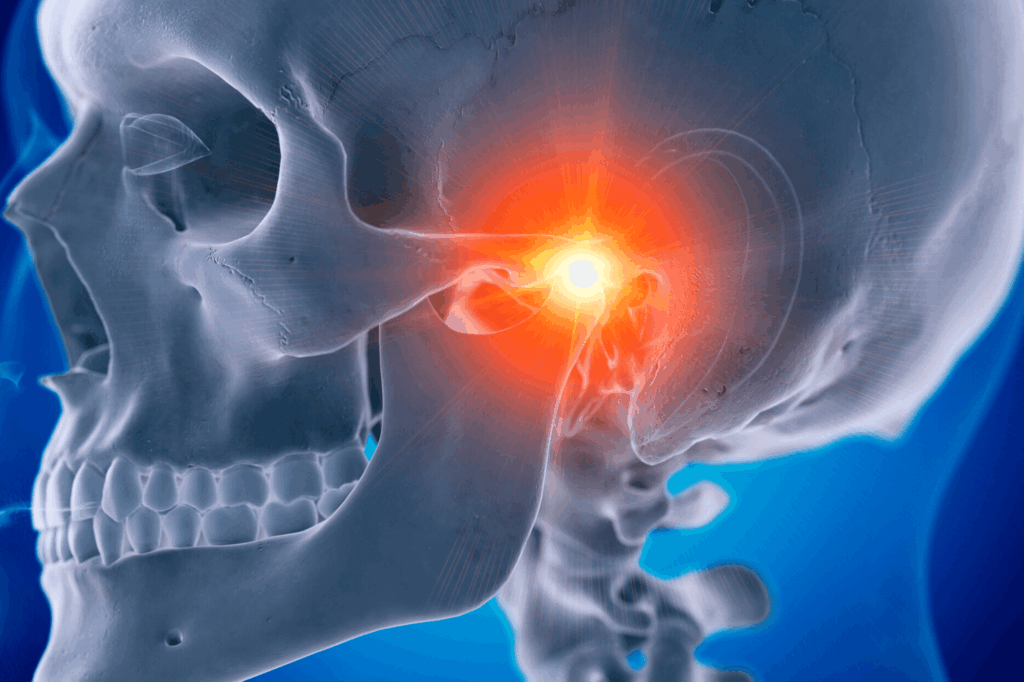
Trigeminal neuralgia and TMJ disorders are commonly confused because both can cause pain in the jaw, cheek, and side of the face. However, they are not the same condition, and understanding the difference can help patients get more effective treatment.
Trigeminal neuralgia is a nerve pain disorder. The pain is usually sudden, sharp, and intense. It often feels like an electric shock, stabbing sensation, or sudden jolt. It can be triggered by very light stimulation, such as touching the face, speaking, swallowing, or brushing the teeth.
TMJ disorder is related to dysfunction of the jaw joint and surrounding muscles. TMJ pain is more often described as dull, aching, tight, sore, or pressure-like. It may worsen with chewing, jaw clenching, grinding, or wide mouth opening. People with TMJ may also hear clicking or popping in the jaw or notice restricted movement.
Here are some of the key differences:
- Trigeminal neuralgia usually causes sudden, sharp, electric pain
- TMJ more often causes aching, tightness, pressure, or soreness
- TN may be triggered by light touch or small facial movements
- TMJ tends to worsen with chewing, jaw strain, or clenching
- TN episodes are often brief but intense
- TMJ discomfort may be more constant or fluctuate throughout the day
That said, the distinction is not always simple. Some patients may have both conditions at the same time. Chronic jaw tension can irritate surrounding tissues, while ongoing nerve pain can cause guarding, muscle tightness, and compensatory strain in the face and jaw. This is why a personalized evaluation matters.
At ACA, our acupuncturists carefully assess whether the pain pattern points more strongly toward trigeminal neuralgia, TMJ, or a combination of both. That allows us to create a treatment plan tailored to the actual source of pain rather than treating facial discomfort as a single, generic issue.
Why Conventional Treatments Fall Short
Conventional treatment for trigeminal neuralgia often begins with medication, especially anticonvulsant drugs such as carbamazepine or oxcarbazepine. These medications can be helpful for some patients because they reduce abnormal nerve firing and may lessen pain attacks. However, medication does not work equally well for everyone, and even when it helps, it may come with side effects that affect daily life.
Common medication-related side effects may include:
- Dizziness
- Drowsiness
- Fatigue
- Brain fog
- Nausea
- Balance issues
- Difficulty concentrating
For some patients, these side effects become almost as disruptive as the pain itself. Others may find that medication becomes less effective over time, requires dose adjustments, or cannot be tolerated long term.
In more severe or persistent cases, surgical procedures may be considered. These can include options designed to reduce pressure on the nerve or interrupt pain signals. While surgery may provide relief for certain patients, it also comes with risks, recovery considerations, and no guarantee of permanent results. Some people experience recurrence of symptoms months or years later, while others are not ideal candidates for invasive procedures.
This is one reason many patients begin looking for natural remedies for trigeminal neuralgia or supportive therapies that can work alongside medical care. Acupuncture is often appealing because it offers a non-pharmaceutical, non-surgical option that aims to reduce pain while supporting the nervous system more broadly.
At ACA Acupuncture & Wellness, we often work with patients who feel caught between ongoing pain and treatments that no longer feel sustainable. Our goal is to provide a gentler path forward by helping regulate pain patterns, reduce tension, and support the body’s ability to manage trigeminal neuralgia more effectively over time.
How Acupuncture Works for Trigeminal Neuralgia
Traditional Chinese Medicine Perspective
In Traditional Chinese Medicine, trigeminal neuralgia is often associated with external pathogenic factors such as wind and cold, along with internal imbalances that disrupt the flow of Qi and blood in the facial meridians. When these pathways become blocked or stagnant, pain can arise suddenly and intensely, often along the channels that run through the face and jaw.
This type of pain is typically described in TCM as sharp, intermittent, and reactive, which aligns closely with the clinical presentation of trigeminal neuralgia. Contributing factors may include stress, emotional tension, poor circulation, or underlying deficiencies that make the body more vulnerable to flare-ups.
Acupuncture works to restore internal balance by:
- Unblocking meridians and clearing stagnation in the affected channels
- Promoting smooth circulation of Qi and blood to reduce pain signals
- Calming internal wind and reducing hypersensitivity in the nervous system
- Relaxing muscles and soft tissues that may contribute to compression or irritation
At ACA Acupuncture & Wellness, our acupuncturists assess each patient’s pattern carefully, identifying whether the condition is more excess, deficiency, or mixed in nature, so treatment can be tailored accordingly.
Modern Scientific Perspective
From a biomedical perspective, acupuncture has measurable effects on the nervous system that help explain its role in managing trigeminal neuralgia.
Research suggests that acupuncture:
- Stimulates the release of endorphins and enkephalins, the body’s natural pain-relieving chemicals
- Regulates neurotransmitters such as serotonin and dopamine, which influence pain perception and mood
- Reduces inflammation around irritated nerves, helping decrease sensitivity
- Modulates pain signaling pathways in the brain and spinal cord, lowering the intensity of pain responses
- Improves microcirculation, allowing better oxygen and nutrient delivery to affected tissues
These mechanisms help reduce both the frequency and severity of trigeminal neuralgia episodes. Over time, acupuncture may also help retrain how the nervous system responds to triggers, making it less reactive.
This combination of traditional theory and modern neurophysiology explains why acupuncture is increasingly recognized as an effective complementary treatment for facial nerve pain.
Key Benefits of Acupuncture for Trigeminal Neuralgia
Patients who undergo acupuncture for trigeminal neuralgia often report both immediate and cumulative improvements. Rather than only masking symptoms, treatment supports the body’s ability to regulate pain more effectively over time.
Common benefits include:
- Noticeable reduction in pain intensity, especially during flare-ups
- Fewer and less frequent pain episodes
- Improved nerve function and reduced hypersensitivity
- Better sleep quality due to decreased nighttime discomfort
- Reduced stress and anxiety, which are known pain triggers
- Gradual reduction in reliance on medication for some patients
These outcomes make acupuncture a valuable option for both short-term relief and long-term management, particularly for individuals seeking a more natural approach.
Acupuncture Points for Trigeminal Neuralgia
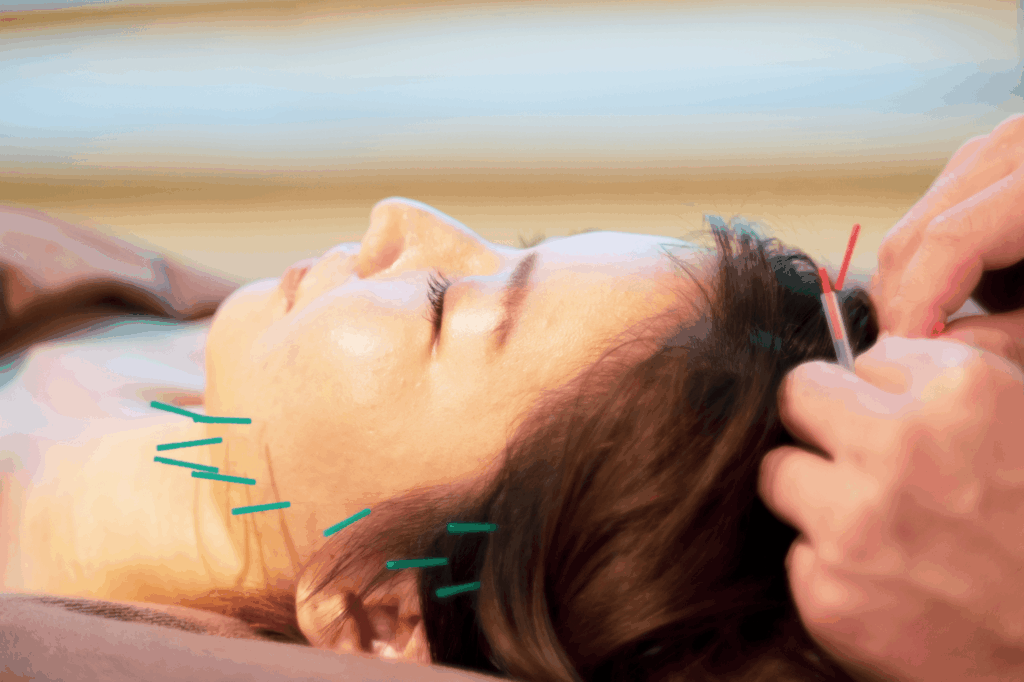
Treatment for trigeminal neuralgia is highly individualized and typically involves a strategic combination of local and distal acupuncture points.
Local points are selected near the area of pain and may include regions around:
- The jaw and temporomandibular joint
- The cheek and upper facial muscles
- The temples and areas near the trigeminal nerve branches
These points help improve circulation, reduce local inflammation, and directly calm irritated nerve pathways.
Distal points are located farther from the face, often on the:
- Hands and arms to regulate systemic nerve responses
- Feet and legs to support overall energy balance
- Neck and shoulders to release tension that may contribute to nerve irritation
Using distal points is especially important for patients with high sensitivity, as it allows treatment without overstimulating painful areas.
At ACA, every treatment plan is customized based on:
- Pain location and pattern
- Trigger sensitivity
- Overall health and constitution
- Presence of related conditions such as TMJ or stress-related tension
This personalized approach helps ensure both safety and effectiveness.
What to Expect During Treatment
Your care at ACA Acupuncture & Wellness begins with a detailed consultation where we evaluate your symptoms, triggers, medical history, and overall health patterns. This allows us to design a treatment plan tailored specifically to your condition.
During a typical session:
- Very fine, sterile needles are gently inserted at selected points
- A careful and gradual approach is used, especially for sensitive facial areas
- Sessions usually last between 20 to 40 minutes
- Patients often feel relaxed, calm, or lightly energized during treatment
Frequency depends on the severity of symptoms, but most patients begin with:
- Weekly sessions in the initial phase
- Gradual spacing of treatments as symptoms improve
Some patients notice early relief within a few sessions, while others experience more gradual progress. Consistency is key, especially for chronic or long-standing trigeminal neuralgia.
Natural Remedies for Trigeminal Neuralgia

Acupuncture is most effective when supported by complementary lifestyle strategies that reduce inflammation and stabilize the nervous system.
Helpful approaches include:
- Stress management techniques such as deep breathing, meditation, or gentle movement practices
- Anti-inflammatory nutrition that supports nerve health, including whole foods rich in antioxidants
- Magnesium and other nerve-supportive nutrients that help regulate nerve signaling
- Heat therapy applied to the neck and jaw to relax muscles and improve circulation
- Physical therapy or gentle stretching to address posture and musculoskeletal tension
At ACA, we often guide patients on integrating these strategies alongside acupuncture to create a more complete and sustainable healing plan.
Who Is a Good Candidate for Acupuncture
Acupuncture can benefit a wide range of individuals with trigeminal neuralgia, including:
- Those seeking natural remedies for trigeminal neuralgia
- Patients who experience side effects from medication
- Individuals with chronic, recurring, or worsening symptoms
- People looking to complement conventional medical treatment
It is especially helpful for patients who want a non-invasive approach that supports overall nervous system regulation.
Risks, Safety, and Considerations
Acupuncture is considered very safe when performed by licensed and experienced practitioners. It has a strong safety profile compared to many conventional treatments.
Possible side effects are minimal and may include:
- Mild soreness at needle sites
- Temporary fatigue or relaxation after treatment
- Occasional minor bruising
At ACA, we use a gentle and precise approach, particularly for facial conditions, to ensure patient comfort and safety at every stage.
We always recommend working with your healthcare provider for proper diagnosis and to coordinate care, especially if you are currently taking medication or considering other treatments.
When to Seek Medical Care
While acupuncture can be highly supportive, certain symptoms require prompt medical evaluation.
You should seek medical care if:
- Pain becomes significantly more severe or changes suddenly
- Episodes increase rapidly in frequency or intensity
- You experience numbness, weakness, or other neurological symptoms
- Pain does not respond to initial treatments
Diagnostic imaging such as MRI may be necessary to identify underlying causes, especially in cases of secondary trigeminal neuralgia.
Why Choose ACA for Trigeminal Neuralgia Treatment
At ACA Acupuncture & Wellness, our acupuncturists take a personalized, patient-centered approach to treating trigeminal neuralgia. We look beyond the surface symptoms to understand the root cause of your facial nerve pain, including trigger patterns, underlying imbalances, and contributing lifestyle factors.
Each treatment plan is carefully tailored to your specific condition, sensitivity level, and overall health. We use a gentle, precise approach, especially for highly reactive facial pain, ensuring that care remains both effective and comfortable. Our goal is not only to relieve current pain but to help regulate the nervous system, reduce flare-ups, and support long-term stability.
We also take time to guide you through your healing process, helping you understand your condition and how to better manage triggers between sessions. This comprehensive, supportive approach allows us to create meaningful, lasting improvements rather than temporary relief.
Find Lasting Relief from Trigeminal Neuralgia
Trigeminal neuralgia can be life-altering, affecting daily activities, emotional well-being, and overall quality of life. While conventional treatments may help manage symptoms, many patients seek safer, more sustainable solutions.
Acupuncture offers a natural, evidence-informed approach that helps regulate nerve activity, reduce inflammation, and calm pain signals. With consistent care, it can support both immediate relief and long-term improvement.
At ACA Acupuncture & Wellness, we are committed to guiding you through this process with personalized care and a whole-body approach. In addition to acupuncture, you can explore our other services designed to support deeper healing, restore balance, and help you achieve lasting relief.
Sources:
Zhao, Q., et al. (2020). Efficacy and safety of acupuncture for trigeminal neuralgia: A systematic review and meta-analysis.
He, H., Li, Y., Xiao, Y., Fan, W., & Xue, H. (2024). The efficacy of acupuncture for trigeminal neuralgia: An overview of systematic reviews. Frontiers in Neurology.
Liu, Y., et al. (2024). Treatment of trigeminal neuralgia by acupuncture combined with therapy: Mechanisms and clinical outcomes.
Yes, acupuncture can help relieve facial nerve pain by reducing inflammation, improving circulation, and regulating how the nervous system processes pain signals. It is commonly used for conditions like trigeminal neuralgia, Bell’s palsy, and other nerve-related facial pain, often helping decrease both intensity and frequency of symptoms over time.
Hashimoto’s thyroiditis does not directly cause trigeminal neuralgia, but it may contribute indirectly. As an autoimmune condition, Hashimoto’s can increase systemic inflammation and affect nerve sensitivity, which may worsen existing nerve pain or make the nervous system more reactive. Proper management of thyroid health can help support overall nerve function.
There is no guaranteed natural cure for trigeminal neuralgia, but many patients manage symptoms effectively through a combination of therapies. Acupuncture, stress reduction, anti-inflammatory nutrition, and targeted supplements like magnesium may help reduce pain frequency and severity. A consistent, integrative approach often provides the best long-term results.
There are several acupuncture and acupressure points that may help relieve trigeminal neuralgia symptoms, particularly around the face, hands, and jaw. However, because the condition is highly sensitive, applying pressure directly to painful areas can sometimes trigger symptoms. A trained practitioner can identify safe and effective points based on your specific pain pattern.
Most patients begin to notice improvement within 4 to 8 sessions, although this can vary depending on severity and duration of symptoms. Acute cases may respond more quickly, while chronic conditions often require a longer treatment plan with gradual progress over time.
Acupuncture may help reduce the need for medication in some cases, but it should not replace prescribed treatment without medical guidance. Many patients use acupuncture alongside conventional care to improve results and minimize side effects, creating a more balanced and sustainable approach to managing pain.
Testimonials

Cart (0)
Your cart is currently empty.



Cart (0)
Your cart is currently empty.