

Acupuncture for ADHD in Teenagers: A Natural Approach to Support Focus and Calm
Key Takeaways:
- Acupuncture helps regulate the nervous system, which supports better focus, attention control, and emotional balance in teenagers with ADHD.
- Treatments gently calm overactive stress responses, helping reduce restlessness, impulsivity, and emotional overwhelm.
- Acupuncture improves sleep quality, hormonal balance, and overall mood stability, all of which influence daytime focus and behavior.
- TCM identifies root patterns behind ADHD such as heat, phlegm, and Qi imbalance, allowing treatments to address deeper causes rather than surface symptoms.
- Consistent sessions, combined with supportive lifestyle habits, create long-lasting improvements that work well alongside conventional ADHD care.
Why ADHD in Teenagers Needs More Than Symptom Management

Teenage ADHD affects far more than attention span. It influences self-confidence, academic performance, emotional stability, and day-to-day family life. During these years, when social pressures rise, school demands increase, and independence becomes more important, ADHD can create frustration, overwhelm, and patterns that shape long-term well-being. Parents often describe the same challenges including difficulty staying organized, emotional sensitivity, impulsive reactions, scattered focus, and disrupted sleep cycles. For many teens, these patterns appear even when they genuinely want to concentrate and keep up with school or responsibilities.
Conventional treatments such as stimulant medications, behavioral therapy, and school accommodations can be beneficial, yet many families look for additional support, especially when symptoms persist or side effects appear. This is where acupuncture offers something unique. Instead of managing symptoms on the surface, acupuncture works by regulating the nervous system, calming stress pathways, improving sleep quality, and addressing underlying imbalances that influence attention, mood, and behavior. For teenagers with ADHD, this gentle, whole body approach becomes a natural way to support clearer thinking, steadier emotions, and a more balanced daily rhythm.
What Is ADHD in Teenagers? Understanding Focus, Attention, and Emotional Regulation
ADHD in adolescents often looks different than it does in younger children. While childhood ADHD is commonly associated with hyperactivity, teenage ADHD often appears as poor concentration, mental fatigue, emotional overwhelm, forgetfulness, or difficulty sitting through long classes.
Common ADHD Symptoms in Teens
- Inconsistent focus, especially with schoolwork
- Difficulty initiating tasks or completing assignments
- Forgetfulness with schedules, deadlines, or personal items
- Impulsivity, interrupting, or quick emotional reactions
- Restlessness or a constant drive to move
- Trouble filtering distractions
- Low frustration tolerance
How ADHD Impacts Daily Life
Teenagers with ADHD may struggle with academic performance, time management, social interactions, friendships, confidence, motivation, and sleep quality.
Why ADHD Can Intensify During Adolescence
Hormonal changes, increased academic pressure, late night routines, screen exposure, and shifting social dynamics often amplify symptoms. Teens also become more sensitive to emotional stress, which can further cloud focus.
Why Families Explore Natural ADHD Treatments for Teenagers
Many parents turn to natural therapies when medication causes appetite changes, sleep difficulty, or jitteriness, when symptoms remain despite treatment, when their teen prefers a holistic approach, or when families want a complementary therapy that supports emotional balance.
Holistic therapies such as acupuncture support both the neurological and emotional components of ADHD, making them a strong partner to conventional care.
How Acupuncture Supports Teenagers With ADHD
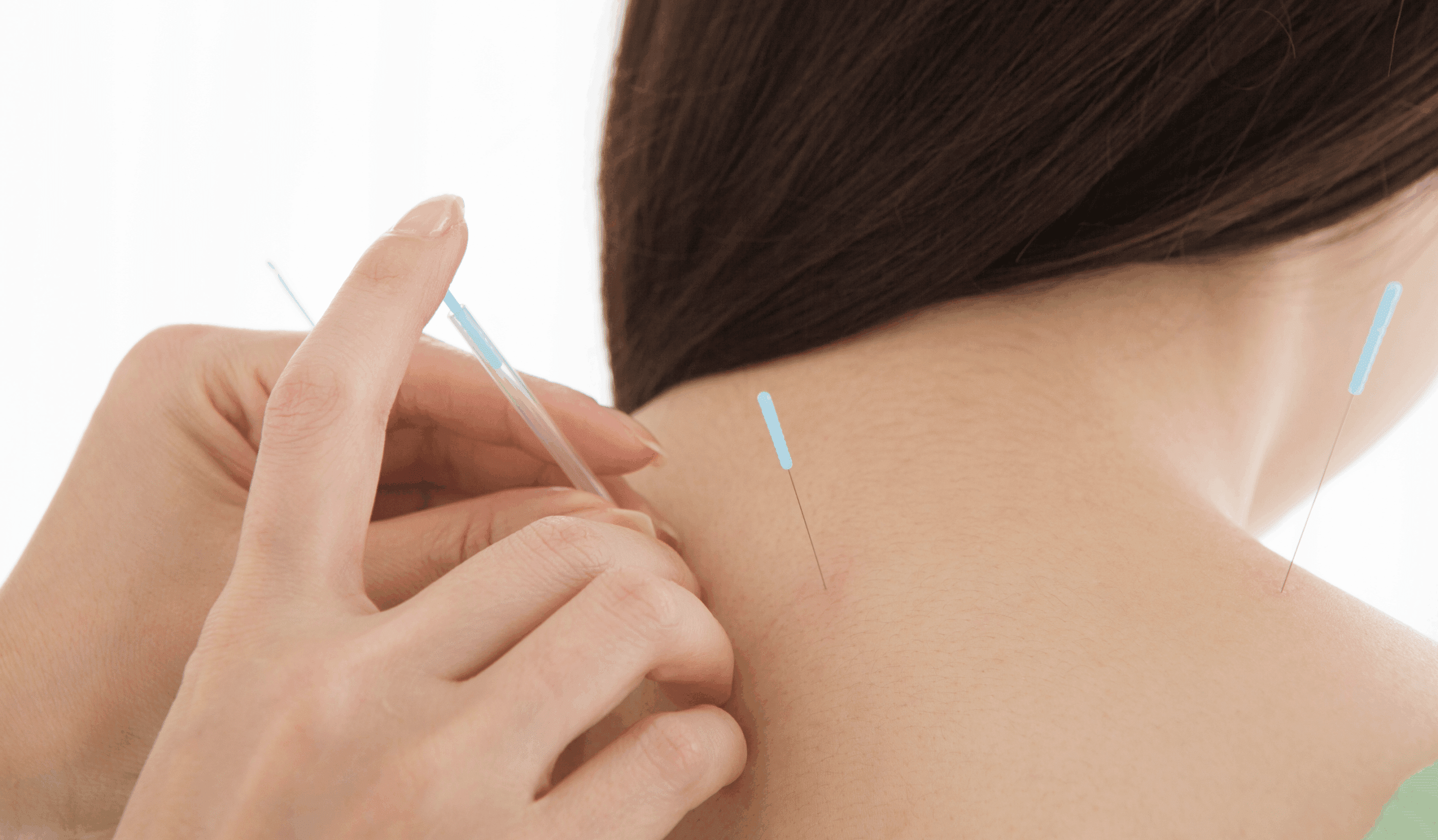
Acupuncture influences multiple systems connected to attention, self-regulation, and cognitive clarity. Its effects extend beyond symptom relief, helping teens feel calmer, more grounded, and more in control of their reactions.
Regulates Neurotransmitters Linked to Focus
Research shows acupuncture can help balance dopamine, norepinephrine, and serotonin. These changes support motivation, attention, and emotional stability, helping teens sustain engagement and improve the quality of their focus.
Calms the Sympathetic Nervous System
Teens with ADHD often live in a high alert internal state. Acupuncture activates the parasympathetic rest and digest system, which reduces hyperactivity, lowers stress, improves impulse control, and supports smoother emotional responses.
Improves Blood Flow to Brain Regions Involved in Attention
Enhanced circulation supports cognitive clarity, mental stamina, and more efficient brain activity during schoolwork or long tasks.
Regulates Hormones and Sleep Cycles
Balanced cortisol levels and a regulated sleep and wake rhythm help teens fall asleep faster, stay asleep longer, wake up more alert, and maintain sharper daytime focus.
Supports Common Coexisting Conditions
Many teens with ADHD also experience anxiety, mood swings, headaches, irritability, digestive imbalance, or sensory overwhelm. Acupuncture helps ease these patterns, creating space for calmer and more productive behavior.
The TCM Perspective: Understanding ADHD Through Whole Body Patterns
Traditional Chinese Medicine views ADHD not as a single condition but as a collection of internal imbalances that affect behavior, focus, and mood.
Common TCM Patterns in Teen ADHD
- Liver Yang rising
- Spleen Qi deficiency
- Kidney essence deficiency
- Phlegm heat disturbing the mind
How These Patterns Manifest
- Difficulty staying present
- Mood swings or emotional outbursts
- Mental clutter and poor clarity
- Low stamina for school related tasks
- Trouble processing information
How Acupuncture Helps Correct These Patterns
By restoring balance to the organs and meridians connected to mental clarity, sleep, and emotional stability, acupuncture encourages long term improvements rather than temporary relief.
Types of Acupuncture Teens Receive for ADHD
Acupuncturists select techniques based on the teen’s comfort level, sensitivity, and the specific symptoms they experience. Each approach offers unique benefits that support focus, emotional stability, and overall nervous system balance.
Body Acupuncture
Body acupuncture uses precise points on the arms, legs, back, and abdomen to regulate the nervous system. These points help calm overstimulation, reduce restlessness, and encourage a grounded, steady sense of focus. Many teens describe this method as deeply relaxing, especially during stressful school weeks.
Scalp Acupuncture
Scalp acupuncture focuses on areas of the head connected to attention, memory, and cognitive processing. It is often used when teens struggle with concentration, mental fatigue, or difficulty staying present during tasks. This method can help sharpen clarity and support smoother neurological function.
Ear Seeds or Auricular Acupuncture
Ear seeds are a popular option for teens because they are needle-free and easy to wear throughout the day. Small seeds or pellets are placed on specific ear points that influence calmness, focus, and emotional regulation. Teens can gently press the seeds when they feel distracted, overwhelmed, or anxious, which provides ongoing support between appointments.
Gentle Techniques for Needle-Sensitive Teens
Many teenagers prefer lighter options, especially when they feel nervous around needles. Practitioners may offer laser acupuncture, acupressure, or very gentle needling. These techniques still provide strong therapeutic benefits while creating a comfortable and reassuring experience for teens who need a softer approach.
A Typical ADHD Treatment Plan
What Happens During the First Visit
Our team reviews health history, sleep patterns, stress levels, behavioral symptoms, and performs pulse and tongue assessment to create a personalized treatment plan.
How Many Sessions Teens Usually Need
Most teenagers benefit from one to two sessions per week at first. Many begin noticing improvements within three to six sessions. Long-term support is customized based on progress.
Tracking Progress
Parents often see early changes such as less irritability, better sleep, improved morning mood, more consistent homework habits, and slightly longer attention spans.
Benefits Parents Commonly Notice
Better Concentration and Mental Clarity
Many parents observe that their teens can stay engaged with tasks for longer periods. They appear more present during conversations, more organized with schoolwork, and less overwhelmed by mental clutter.
Reduced Hyperactivity and Restlessness
As the nervous system settles, teens often feel less driven to move constantly or fidget. Families describe a noticeable shift toward calmer behavior during classes, homework time, and everyday activities.
Improved Emotional Stability
Parents frequently report fewer emotional spikes and more measured reactions. Teens become better able to pause, think, and respond rather than react quickly or impulsively, which improves interactions at home and at school.
Better Sleep Quality
More restorative sleep becomes one of the earliest improvements. Teens fall asleep more easily, wake up feeling more refreshed, and carry steadier energy throughout the day, which directly supports attention and mood.
Stronger School Performance
When focus improves and emotional balance becomes more reliable, academic work feels more manageable. Teens often show better task completion, improved study habits, and greater confidence in their school routines.
Lifestyle Habits That Support ADHD Treatment
Nutrition for Better Focus
A balanced diet is essential for stable attention and mood. Meals that keep blood sugar steady, such as those with protein, whole grains, and fiber-rich vegetables, help prevent sudden drops in concentration. Omega-rich foods like salmon, walnuts, and chia seeds nourish the brain, while reducing artificial additives and excess sugar supports clearer thinking and more consistent energy.
Mindfulness and Breathing Exercises
Short mindfulness practices help teens regulate their thoughts and emotions between acupuncture visits. Slow breathing, guided imagery, and simple grounding exercises train the mind to settle more easily. These techniques are especially helpful during stressful school moments or periods of emotional overwhelm.
Sleep Hygiene Tips
Good sleep is one of the strongest foundations for attention and emotional stability. Teens benefit from consistent sleep and wake times, a calming bedtime routine, and reduced screen exposure before bed. Better sleep quality often leads to improved daytime focus, steadier mood, and more balanced energy.
Gentle Movement
Regular light movement supports a more regulated nervous system. Activities such as walking, stretching, swimming, or yoga help release tension, improve circulation, and boost mental clarity. These forms of movement also give teens a healthy outlet for extra energy, which contributes to better concentration throughout the day.
How to Choose the Right Acupuncture Clinic for Teen ADHD
Look for licensed acupuncturists with pediatric or adolescent experience, clinics that create calm teen friendly environments, and practitioners who personalize treatment plans. Consistency and follow through create the best outcomes.
When Acupuncture Is Especially Helpful
Acupuncture is a strong option when medication causes side effects, when symptoms are mild or moderate, when sleep and stress levels are concerns, when emotional regulation is challenging, or when families prefer a natural and balanced approach.
Natural Therapies That Work Together for Better Focus and Calm
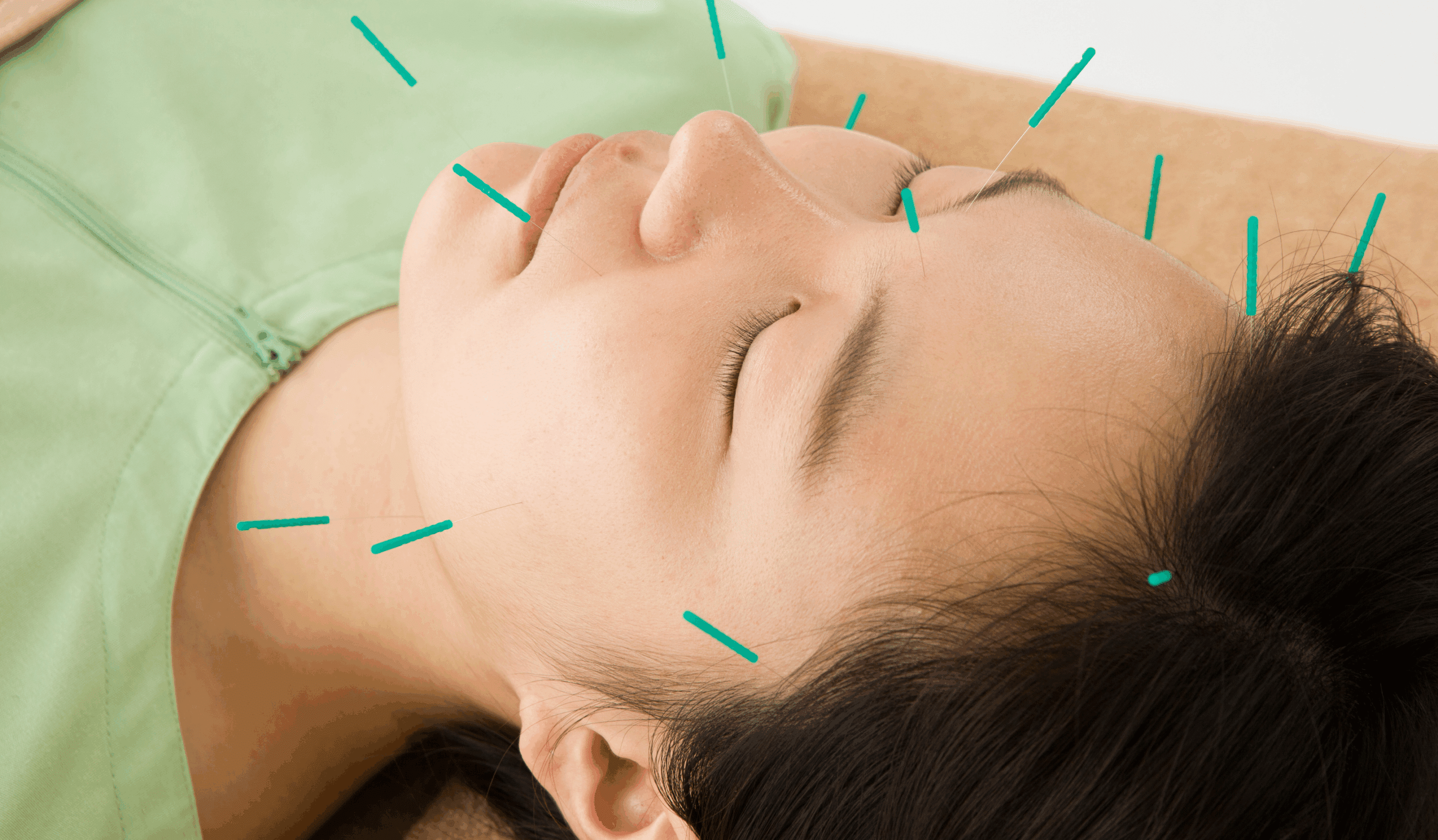
At ACA Acupuncture and Wellness, we focus on holistic care that supports the entire mind and body, especially for teenagers who need gentle and consistent help with attention, emotional balance, and stress regulation. Along with acupuncture, we offer a wide range of complementary therapies that strengthen the effects of each session and create a more complete healing experience. These include moxibustion for warmth and circulation, cupping for muscle tension and stagnation, Tuina massage for relaxation and energy flow, reflexology for nervous system balance, and physiotherapy for posture and mobility support. Teens can also benefit from our thermal therapy room, which encourages deep relaxation and improved circulation.
Families often appreciate that all of these services work together to create a soothing and restorative environment where teens feel comfortable, supported, and understood. Each treatment plan is thoughtfully designed to address individual needs, allowing teenagers to experience steady improvements in focus, mood, sleep quality, and overall well being. For families seeking a natural approach that complements conventional ADHD care, ACA Acupuncture and Wellness provides a nurturing space where holistic therapies help teens move through their daily lives with greater clarity, calm, and confidence.
Contact us to schedule a consultation and learn how holistic therapies can support your teenager’s focus, emotional balance, and long term well being.
Sources:
Ang, L., Kim, J. T., Kim, K., Lee, H. W., Choi, J.-Y., Kim, E., & Lee, M. S. (2023). Acupuncture for treating attention deficit hyperactivity disorder in children: A systematic review and meta-analysis. Medicina, 59(2), 392.
Zhao, F. Y., Xu, Y., Kennedy, G. A., Conduit, R., Zhang, W. J., Jiang, T., Xu, P., Ho, Y. S., Fu, Q. Q., & Chow, C. M. (2023). Is integrating acupuncture into the management of attention deficit hyperactivity disorder among children and adolescents now opportune and evidence based? A systematic review with meta analysis and trial sequential analysis. Journal of Psychiatric Research, 163, 228–237.
Li, S., Yu, B., Zhou, D., He, C., Kang, L., Wang, X., Jiang, S., & Chen, X. (2024). Acupuncture for attention deficit hyperactivity disorder in children and adolescents. Cochrane Database of Systematic Reviews, 2024(4), CD007839.
Frequently Asked Questions
How does acupuncture help teenagers with ADHD?
Acupuncture supports teenagers with ADHD by calming the nervous system and reducing internal overstimulation. It helps regulate neurotransmitters that influence focus, mood, and impulse control. This leads to a steadier emotional state, clearer thinking, and improved ability to stay present during academic and daily activities.
How many acupuncture sessions do teenagers with ADHD need before seeing improvements?
Most teens with ADHD notice early changes within three to six sessions. Initial improvements often include better sleep, smoother mood, and less restlessness. Continued sessions help build stronger gains in focus, concentration, and emotional regulation over time.
Can acupuncture replace ADHD medication for teenagers?
For some teens with mild ADHD symptoms, acupuncture may provide enough support on its own, but many use it alongside their current ADHD treatment plan. Acupuncture enhances emotional balance, sleep quality, and overall nervous system function. Any decision about reducing or stopping medication should always involve a healthcare provider.
Can acupuncture reduce impulsive behavior and emotional reactivity in teens with ADHD?
Yes. Acupuncture helps calm the sympathetic nervous system, which plays a major role in impulsive behavior and heightened emotional responses. As the system becomes more balanced, many teens experience fewer emotional spikes, better decision making, and improved self control.
Are there specific acupuncture points used for teenagers with ADHD?
Practitioners use points that are known to support attention, relaxation, and emotional steadiness. The exact points are chosen based on symptoms such as difficulty concentrating, restlessness, irritability, or trouble sleeping. Each session is customized to match the needs of the individual teen.
How long do acupuncture results last for teenagers with ADHD?
Results tend to build with consistent care. Many teens maintain long term improvements with regular acupuncture visits and supportive daily habits related to sleep, nutrition, and stress management. Some benefit from occasional maintenance sessions, especially during school exams or high stress periods.

Cart (0)
Your cart is currently empty.


Cart (0)
Your cart is currently empty.