

Autumn Health with Traditional Chinese Medicine: Strengthening Lungs and Boosting Immunity for the Season
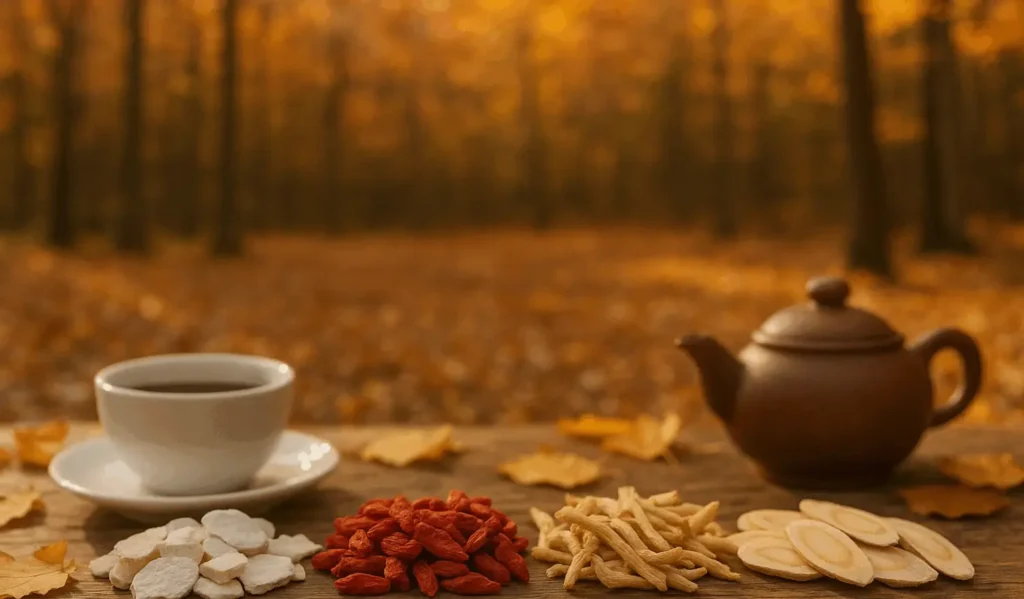
When autumn arrives, the crisp air and shorter days can feel refreshing, but they also bring changes that affect your body in subtle ways. Dryness in the air, cooler winds, and the seasonal transition often leave many people dealing with cough, fatigue, allergies, or even a heavier emotional state.
In Traditional Chinese Medicine, autumn belongs to the Metal element and connects closely with the lungs and large intestine. When these systems are supported, you breathe easier, feel more energized, and stay resilient through the shift toward winter. Acupuncture, along with nourishing foods and herbal medicine, is especially effective during this season because it strengthens lung Qi, boosts immunity, and helps the body adapt to seasonal changes. By giving your lungs and defenses the care they need, you can move through autumn with greater balance and protection.
Key Takeaways:
- Autumn in Traditional Chinese Medicine is linked to the lungs and large intestine, making respiratory and digestive care essential during this season.
- Dryness in autumn weakens lung Qi, often leading to cough, dry skin, sore throat, and lowered immunity if not addressed.
- Acupuncture, moxibustion, and Chinese herbs such as astragalus, ginseng, and reishi mushroom strengthen Wei Qi and improve seasonal resilience.
- Moistening and warming foods like pears, honey, sesame, congee, and seasonal soups protect lung health and support digestion in autumn.
- Gentle lifestyle practices such as Qi Gong, Tai Chi, journaling, and adequate rest help release grief, restore balance, and prepare the body for winter.
Why Autumn Matters in Traditional Chinese Medicine

Traditional Chinese Medicine teaches that the rhythm of the seasons is closely connected to your health. Each season highlights certain organs and emotions, and autumn is the time when the lungs and large intestine need the most care. By noticing how your body responds to the shift in weather, you can support yourself before imbalances take root.
Autumn belongs to the Metal element. It carries the qualities of coolness and dryness, both of which affect the fluids and energy in your body. The lungs, known as delicate in TCM, are easily injured by external changes such as cold wind and dry air. When the lungs are affected, you may notice cough, shortness of breath, dry skin, or a scratchy throat. The large intestine, which works closely with the lungs, may also struggle, leading to constipation or slower digestion.
This is also the season when emotions shift. The lungs are linked with grief and letting go. It is natural to feel more reflective, nostalgic, or even sad as the year moves into a quieter phase. When your lung Qi is strong, these feelings move through you in a healthy way. When it is weak, emotions may feel heavier and harder to release.
Understanding these seasonal patterns helps you stay prepared. Instead of pushing through symptoms, you can care for your body and mind in ways that align with autumn’s energy. Protecting your lungs, staying hydrated, and supporting your digestion all work together to keep you balanced and ready for winter.
Common Autumn Health Challenges and How TCM Explains Them

As the season changes, you may notice certain patterns in your health that return year after year. Traditional Chinese Medicine helps explain why these issues appear in autumn and offers guidance on how to keep them from becoming bigger problems.
Respiratory Vulnerability
In Traditional Chinese Medicine, the lungs are called the delicate organ because they are easily influenced by changes in the environment. Autumn’s dryness and cool winds place extra stress on the respiratory system, which is why many people notice new or recurring symptoms. Supporting lung Qi during this season helps prevent discomfort and strengthens overall resilience.
- Cough – dryness irritates the lungs, often leading to persistent or dry cough
- Shortness of breath – weakened lung Qi can make it harder to take full, deep breaths
- Heavy chest – congestion or blocked energy in the chest may create a sense of tightness
- Asthma flare ups – cooler winds and dryness often trigger asthma symptoms
- Seasonal allergies – the lungs become more reactive, leading to sneezing, congestion, or wheezing
By nourishing the lungs with moistening foods, herbal support, and acupuncture, you can ease these symptoms and protect against lingering illness as autumn unfolds.
Dryness on the Skin
Your skin is considered an outer reflection of lung health. When lung Qi becomes weakened by dryness, the skin may show it through itching, rough texture, or irritation. Many people also notice cracked lips or dryness in the nose as the weather turns cooler. Caring for the lungs with nourishing foods and hydration directly improves skin comfort.
Emotional Changes
Autumn is connected with the emotion of grief. As the days become shorter, you may find yourself feeling more reflective, nostalgic, or even a little sad. TCM teaches that these emotions are tied to the lungs, showing how your mental state and physical health are closely connected. When lung Qi is balanced, emotions can move through more gently. When it is not, heaviness may linger and affect both mood and energy.
Digestive Issues
In TCM, the large intestine pairs with the lungs and is equally affected by the seasonal energy of autumn. When this system is out of balance, you may notice discomfort in digestion along with a heavier, sluggish feeling in the body. Supporting large intestine function not only improves elimination but also helps energy circulate more freely.
- Constipation – dryness and weakened Qi slow down elimination, making bowel movements less regular
- Bloating – when digestion is sluggish, food may stagnate, leading to fullness or abdominal discomfort
- Sluggish digestion – the large intestine struggles to move energy smoothly, creating fatigue or heaviness after meals
- Toxin buildup – poor elimination allows waste to accumulate, affecting skin health and overall energy
- Weakened immunity – since gut health and immunity are closely linked in TCM, imbalance can reduce resistance to seasonal illness
By keeping the large intestine balanced with warm soups, fiber-rich seasonal foods, hydration, and gentle movement, you support smoother digestion and a lighter, more energized body throughout autumn.
Why Do Lungs Feel Weaker in Autumn?
According to TCM, the dryness of autumn injures lung Qi. This makes the respiratory system more sensitive and less able to protect itself from seasonal changes such as wind and cold. Supporting the lungs through food, herbs, and mindful practices helps restore strength and prevents common respiratory troubles.
Strengthening the Lungs in Autumn with TCM
Autumn is the season when the lungs need the most care. By focusing on simple, supportive practices, you can breathe more deeply, feel more energized, and prevent seasonal imbalances. Traditional Chinese Medicine offers several ways to strengthen lung Qi and keep your respiratory system healthy as the weather changes.
Acupuncture for Lung Support
Acupuncture is often recommended in autumn because it restores balance and strengthens lung Qi. Practitioners may use points such as LU 9 to tonify the lungs, LI 4 to release external pathogens, and ST 36 to improve energy and immunity. Regular treatments can help you breathe easier, reduce cough, and protect against seasonal illness.
Herbal Remedies for Nourishing the Lungs

Traditional Chinese Medicine often turns to herbs that both protect the lungs and restore balance during the dry autumn season. These remedies can help strengthen immunity, ease breathing, and calm irritation when the respiratory system feels vulnerable.
- Astragalus – commonly used to build immunity, reduce fatigue, and prevent seasonal colds
- Cordyceps – valued for improving lung function, increasing oxygen uptake, and enhancing stamina
- Lily bulb – gently moistens the lungs, relieves dryness, and soothes persistent cough or throat discomfort
- Schisandra – supports long term lung health, calms chronic cough, and helps conserve energy
- Fritillaria – traditionally prescribed to clear phlegm and ease stubborn coughs
- Mulberry leaf – helps clear lung heat, reduces irritation in the throat, and benefits dry coughs
These herbs are rarely used alone in TCM. They are often combined into formulas designed for the individual, which is why working with a qualified practitioner ensures you receive the right blend for your body’s needs.
Breathing Practices and Qi Gong
Gentle breathing exercises and Qi Gong movements expand lung capacity and circulate energy. They also help release emotional heaviness, which is often linked to the lungs in autumn. Just ten minutes of mindful breathing or a short Qi Gong routine each day can strengthen lung Qi and improve resilience against seasonal challenges.
Foods that Moisten the Lungs

What you eat during autumn can directly ease dryness and protect the lungs. Traditional Chinese Medicine encourages moistening foods to soothe the throat, calm coughs, and nourish lung Qi. These simple additions to your meals can make breathing feel smoother and help the body adapt to seasonal change.
- Pears – a classic autumn fruit that moistens dryness, cools irritation, and eases sore throat or cough
- Honey – naturally soothing for the lungs and throat, while also calming persistent coughing
- White fungus – often used in soups for its ability to nourish Yin, restore moisture, and protect lung health
- Almonds – especially sweet almonds, which support lung function and relieve dry cough
- Loquats – known for clearing lung heat, moistening dryness, and easing phlegm related coughs
- Lotus root – gently supports the lungs and digestion, bringing balance during dry, cooler months
- Sesame seeds – black and white sesame both provide healthy oils that counter dryness and nourish Qi
Simple seasonal recipes like pear soup with honey, white fungus dessert soup, or almond congee not only bring comfort but also deliver healing qualities that strengthen the lungs throughout autumn.
Boosting Immunity Naturally in the Autumn Season

As the weather cools, your body needs extra care to stay strong. In Traditional Chinese Medicine, the protective energy that guards against illness is called Wei Qi. When Wei Qi is strong, it shields you from colds, flu, and fatigue. When it is weak, you may notice yourself catching infections more often, recovering more slowly, or feeling run down. Autumn is the best time to strengthen your defenses so you can meet the winter months with resilience.
Acupuncture and Moxibustion for Stronger Defenses
Acupuncture helps stimulate the flow of Qi and reinforces the body’s protective layer. By targeting points that improve lung and immune function, acupuncture strengthens both energy and resistance to illness. Moxibustion, which involves warming acupuncture points with the herb mugwort, adds an extra layer of protection by improving circulation and bringing warmth deep into the body. Together, these therapies help you build a stronger barrier against seasonal pathogens.
Nourishing Foods to Support Wei Qi
In TCM, the foods you eat are one of the simplest and most effective ways to protect your body’s immunity. Warm, balanced meals not only comfort you during autumn but also strengthen digestion, support energy, and help Wei Qi defend against seasonal illness.
- Garlic – stimulates circulation, clears pathogens, and adds warmth to the body
- Ginger – strengthens digestion, eases cold sensitivity, and protects against seasonal chills
- Chicken – provides nourishing protein that replenishes Qi and supports stamina
- Autumn vegetables – carrots, squash, and sweet potatoes build grounding energy and aid immunity
- Warming soups and broths – simple, slow-cooked soups combine these ingredients to keep the body strong and resilient
By choosing light, wholesome foods over heavy or greasy meals, you help your body conserve energy for defense rather than digestion. Soups, stews, and congee made with seasonal ingredients keep you warm, nourished, and better prepared for sudden weather changes.
Lifestyle Practices to Support Your Health in Autumn

Autumn is a season of slowing down and conserving energy. Gentle movement practices such as Tai Chi, Qi Gong, and yoga help strengthen the lungs while calming the mind.
Emotional balance is also important. Since the lungs are linked with the emotion of grief, feelings of heaviness or sadness can surface more easily in autumn. Journaling, meditation, or sharing with supportive friends allows these emotions to move through instead of weighing you down.
Rest is equally vital. Adequate sleep and quiet time replenish lung Qi, helping you feel restored. Dressing in light layers also protects you from sudden temperature changes and cool autumn winds that can weaken your defenses.
Preventing Seasonal Illnesses with TCM
One of the foundations of Traditional Chinese Medicine is prevention. By working with the body’s natural rhythms, you can strengthen immunity before illness has a chance to appear.
At ACA Acupuncture & Wellness, our practitioners use acupuncture, herbal medicine, and moxibustion to support the body’s defenses against colds, flu, and fatigue. As autumn is a season when dryness and cooler air can weaken the lungs and lower resilience, these therapies provide both warmth and protection.
Other treatments also contribute to balance during this time of year. TuiNa massage and cupping improve circulation and ease muscle tension that often builds in cooler weather. Reflexology and ear seeding help calm the mind, supporting emotional steadiness when autumn tends to feel heavier. Chinese herbal medicine nourishes the lungs and digestive system, two organ systems closely connected to autumn in TCM theory.
Even therapies such as physiotherapy, facial acupuncture, or time in the thermal therapy room can enhance seasonal care by keeping energy moving freely and reducing the stagnation that colder days often bring.
By combining these approaches, you create resilience that allows your body to adjust smoothly and stay strong throughout the autumn season and into winter.
Sources:
Li, L., Liu, X.-F., Cui, Z.-F., Zou, H., Liu, S.-L., & Wang, H.-W. (2025). The mechanism of Traditional Chinese Medicine and natural medicine in treating chronic obstructive pulmonary disease. International Journal of Chronic Obstructive Pulmonary Disease, 20, 1249–1266.
Yuan, M., Chen, H., & Rui, W. (2024). The research advance on the theory of Chinese medicine-exterior-interior correlation between the lung and large intestine in the treatment of chronic cough. Journal of Holistic Integrative Pharmacy, 5(3), 195–204.
Frequently Asked Questions
Why does TCM pay attention to seasons?
In Traditional Chinese Medicine, each season influences a specific organ system, emotion, and natural element. By living in harmony with these seasonal changes, you give your body what it needs at the right time. This approach helps prevent illness, keeps energy balanced, and supports long term health.
Which organ is linked to autumn in TCM?
Autumn is connected to the lungs and large intestine. These organs are especially sensitive to dryness and shifting weather, which is why respiratory issues, dry skin, and digestive changes are common at this time of year. Supporting both organs helps you feel more balanced through the season.
What foods help lung health in autumn?
Moistening foods are best for the lungs in autumn. Pears, honey, almonds, sesame seeds, and white fungus are traditionally recommended because they ease dryness, soothe the throat, and nourish lung Qi. Warm soups and congee made with these ingredients are simple ways to bring comfort and protection.
Does acupuncture really help immunity?
Yes. Acupuncture strengthens the body’s natural defenses by improving circulation, boosting energy, and regulating immune response. When combined with moxibustion or herbal medicine, acupuncture helps protect you from colds and flu during seasonal transitions.
How can you ease autumn dryness naturally?
You can ease dryness by adding moistening foods to your meals, practicing gentle breathing exercises, drinking enough fluids, and using herbal remedies that restore balance to lung Qi. Even small habits like sipping warm water or eating pears daily make a noticeable difference.
Why do lungs feel weaker in autumn?
TCM explains that the dryness of autumn directly affects the lungs, which are considered delicate and easily injured by the environment. When lung Qi is weakened, breathing feels heavier, immunity drops, and dryness shows up in the skin and throat. Strengthening the lungs with seasonal foods, herbs, and mindful practices helps restore resilience.

Cart (0)
Your cart is currently empty.



Cart (0)
Your cart is currently empty.