

Balancing Heart Qi and Fire Element in Summer: A Traditional Chinese Medicine Guide

[et_pb_section fb_built=”1″ _builder_version=”4.20.2″ custom_margin=”0px||||false|false” custom_padding=”0px|||||” global_colors_info=”{}”][et_pb_row _builder_version=”4.24.0″ _module_preset=”default” min_height=”2128.4px” custom_padding=”27px||0px|||” global_colors_info=”{}”][et_pb_column type=”4_4″ _builder_version=”4.20.2″ _module_preset=”default” global_colors_info=”{}”][et_pb_text _builder_version=”4.26.0″ _module_preset=”default” custom_margin=”8px|40px|8px|20px|true|false” custom_padding=”||||false|false” hover_enabled=”0″ global_colors_info=”{}” sticky_enabled=”0″]

Traditional Chinese Medicine is a profound system that views health as a dynamic balance between the body, mind, spirit, and environment. Unlike Western medicine’s focus on isolated symptoms, TCM emphasizes harmony—especially harmony with nature’s rhythms. Each season corresponds to one of the Five Elements (Wood, Fire, Earth, Metal, Water), which govern specific organs, emotions, and physiological functions.
Summer is the domain of the Fire element, a force of expansion, transformation, and joy. The Heart, as the “Emperor” of the organs, governs blood circulation and houses the Shen—the spirit or mind. When Heart Qi is vibrant and balanced, we experience emotional warmth, mental clarity, and a joyful connection to life. When it falters, emotional turbulence and physical symptoms arise.
Key Takeaways
-
Summer reflects the Fire element in Traditional Chinese Medicine, which governs the Heart, emotional warmth, and circulation.
-
Balanced Heart Qi supports emotional clarity, joy, restful sleep, and harmonious relationships throughout the season.
-
Imbalances in Fire energy may show as anxiety, insomnia, or apathy, depending on whether it is excessive or deficient.
-
Supporting Fire element includes cooling foods, joyful social activities, and calming movement like Tai Chi or Qigong.
-
Acupuncture, herbal therapy, and mindfulness practices are core methods used in TCM to harmonize Heart Qi and regulate Fire energy.
Understanding the Fire Element in TCM: More Than Just Heat
The Essence of Fire: Dynamic, Radiant, and Transformative
Fire in TCM symbolizes warmth, illumination, and movement. It is Yang in nature—active, outward, and expansive. While summer’s heat is the most obvious manifestation, Fire energy also represents the spark of consciousness, passion, and connection. It fuels metabolism, circulation, and emotional expression.
The Fire Element’s Organ Network: Heart, Small Intestine, Pericardium, and Triple Warmer
- Heart: Central to circulation and mental clarity, the Heart governs blood and houses the Shen. It is the seat of consciousness, joy, and emotional balance.
- Small Intestine: This organ separates pure from impure, symbolizing discernment and clarity—not only physically but mentally and emotionally.
- Pericardium: The Heart’s protector, the Pericardium shields the Heart from emotional shock and maintains healthy boundaries.
- Triple Warmer (San Jiao): A unique functional system regulating body temperature and Qi flow across the three body cavities (upper, middle, lower), ensuring Fire energy is distributed harmoniously.
Fire’s Emotional Landscape: Joy, Passion, and Connection
Joy is the hallmark emotion of the Fire element. It is not superficial happiness but a deep, radiant contentment that arises from balanced Heart Qi. Passion and connection also belong here—when Fire is balanced, relationships flourish, creativity blossoms, and life feels meaningful.
How Fire Manifests in Summer
In summer, Fire energy peaks, encouraging outward activity, social engagement, and emotional openness. The body tends to be more active, metabolism increases, and the mind is alert. This natural surge invites us to align our lifestyle with Fire’s qualities—embracing warmth, joy, and connection—while avoiding excess heat or depletion.
Recognizing Imbalances in the Fire Element: The Hidden Signs

Excess Fire: When the Flame Burns Too Bright
Too much Fire energy can cause the body and mind to overheat, leading to inflammation and emotional volatility.
Physical signs:
- Flushed or red complexion
- Dry, cracked lips or skin
- Insomnia or restless sleep
- Heart palpitations or rapid pulse
- Constipation or dry stools
- Mouth ulcers or sore throat
Emotional signs:
- Anxiety or nervousness
- Irritability and impatience
- Restlessness or mania
- Difficulty focusing due to racing thoughts
Deficient Fire: When the Flame Flickers Weakly
Conversely, insufficient Fire manifests as coldness and lack of vitality.
Physical signs:
- Cold hands and feet
- Fatigue and low energy
- Poor circulation
- Pale complexion
- Loose stools or poor digestion
Emotional signs:
- Depression or apathy
- Feelings of hopelessness
- Lack of joy or emotional numbness
- Social withdrawal
Subtle Imbalances: The Overlooked Middle Ground
Many people experience a subtle imbalance where Fire energy is neither fully excessive nor deficient but unstable—fluctuating between bursts of anxiety and fatigue, or moments of joy followed by emotional flatness. Recognizing this nuanced state is key to preventing chronic imbalance.
TCM Principles for Balancing Heart Qi and Fire Element
Embracing Seasonal Living: Flowing with Nature’s Pulse
Health, according to Traditional Chinese Medicine, is deeply rooted in our ability to harmonize with nature’s cycles. Summer, governed by the Fire element, invites us to embody qualities of lightness, warmth, and openness. Instead of clinging to habits that weigh us down, this is the time to adapt. By thoughtfully adjusting our diet, activities, and emotional practices, we can consciously support Heart Qi and nurture the Fire element.
Yin-Yang Harmony: Cooling and Warming in Tandem
During summer, Yang energy, associated with activity and heat, is naturally abundant. Therefore, we must deliberately cultivate Yin, the cooling, moistening, and calming force, to maintain equilibrium. This dynamic interplay prevents Fire from becoming excessive or deficient, safeguarding our well-being. Consider incorporating cooling foods and restful sleep to nourish Yin, while embracing joyful activities and social connections to nurture Yang.
The Role of Emotional Regulation
In TCM, the Heart is not just a physical organ; it is the abode of the Shen, our spirit, and emotions. Thus, our emotional state is inextricably linked to our physical health. Nurturing calm joy and mitigating stress are vital for maintaining vibrant Heart Qi. Embrace mindfulness, creative expression, and healthy social bonds as cornerstones of emotional balance.
Dietary Recommendations for Summer: Nourishing the Heart and Cooling the Fire
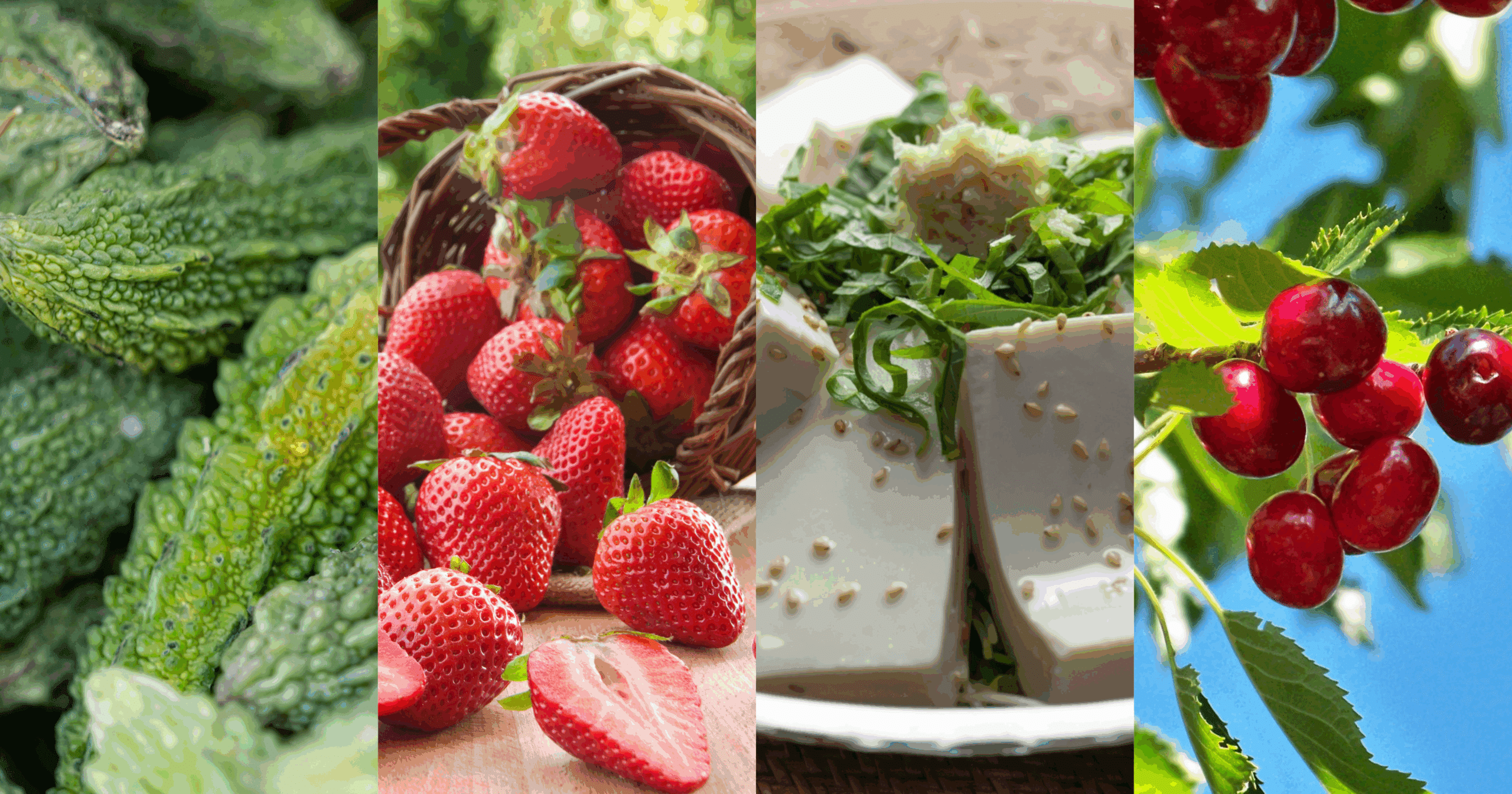
Cooling and Hydrating Foods: The Foundation for Fire Balance
Summer’s heat can easily dry out the body and over-stimulate Fire energy. Incorporating cooling and hydrating foods helps maintain moisture and calm internal heat.
- Water-rich fruits and vegetables: Watermelon, cucumber, celery, and tomatoes
- Leafy greens: Spinach, kale, watercress, and dandelion greens
- Herbs and spices: Mint, chrysanthemum, dill, and coriander
Bitter Foods: Clearing Excess Heat and Supporting Digestion
Bitterness has a natural cooling effect on the Fire element and aids digestion, which can become sluggish in summer heat.
- Watercress
- Bitter melon
- Dandelion greens
- Endive
Red Foods: Symbolic and Nutritional Heart Nourishment
Red foods resonate with the Fire element and provide antioxidants and nutrients that support cardiovascular health.
- Strawberries
- Tomatoes
- Red peppers
- Cherries
Protein Choices: Light and Nourishing
Summer favors lighter proteins that do not burden digestion but still nourish Heart Qi.
- Duck (warming but balanced)
- Fish (cooling and nourishing)
- Legumes and tofu
Foods to Approach with Caution
- Excessively cold foods (like ice cream) can weaken digestion if consumed in excess.
- Heavy, greasy, or fried foods burden the digestive system and exacerbate internal heat.
Lifestyle Practices to Support Heart Qi: Moving with Grace and Joy
Prioritizing Restful Sleep: The Heart’s Nightly Rejuvenation
Summer’s long, bright days often tempt us to stay awake late into the night, but the Heart depends on deep, restorative sleep to maintain its balance. Without sufficient rest, Heart Qi can become depleted, leading to emotional and physical disturbances. Creating a calming bedtime routine is essential; this might include sipping herbal tea, gentle stretching, or practicing meditation to soothe the mind. These rituals help regulate Heart Qi and prepare the body for rejuvenating sleep, supporting overall vitality.
Gentle Movement: Tai Chi, Qigong, and Nature Walks
Rather than intense exercise, summer calls for fluid, mindful movement that encourages Qi circulation without overheating.
- Tai Chi and Qigong promote balance and calm.
- Walking barefoot on grass or near water grounds Fire energy.
- Spending time in nature enhances connection and emotional well-being.
Cultivating Joy and Social Connection
The Heart thrives on meaningful social interactions that nourish emotional health and foster a sense of belonging. Sharing meals, engaging in creative activities, or participating in community events can ignite the joyful spirit associated with the Fire element. These connections help balance Fire energy by promoting warmth, openness, and emotional fulfillment. Cultivating joy through relationships is a powerful way to support Heart Qi and enhance overall well-being during summer.
Emotional and Mental Well-being: The Heart-Mind Connection
Understanding the Shen: The Spirit Housed in the Heart
Within Traditional Chinese Medicine, the Shen represents the essence of consciousness and emotional vitality. It resides within the Heart, acting as a guiding light for our thoughts and feelings. When Heart Qi is balanced, the Shen shines brightly, manifesting as mental clarity and inner peace. Cultivating a strong Shen translates to an increased capacity for joy and resilience in the face of life’s challenges.
Mindfulness and Meditation: Anchoring the Heart
Regularly engaging in practices that cultivate present-moment awareness profoundly regulates emotional fluctuations. Through consistent mindfulness, we learn to observe our thoughts and feelings without judgment, creating a space for calm amidst the mental chatter. By anchoring ourselves in the present, we prevent the mind from racing and reduce the impact of external stressors. These intentional pauses foster a deeper connection to our inner self and promote emotional stability.
- Deep breathing exercises
- Guided meditations focusing on the Heart center
- Visualization of a calming flame or radiant light
Emotional Boundaries and Self-Care
In TCM, the Pericardium is known as the protector of the Heart, shielding it from emotional harm. By setting healthy boundaries, we prevent emotional overwhelm and maintain our inner balance. Self-care practices are essential for nurturing the Heart and ensuring its vitality. Prioritizing our emotional well-being prevents burnout and supports the overall health of our Shen.
TCM Therapies for Balancing the Fire Element: Ancient Tools for Modern Life

Acupuncture: Precision in Regulating Heart Qi
Acupuncture works by stimulating specific points on the body to harmonize the flow of Qi and clear excess heat from the Heart and Fire element. This ancient technique helps restore balance by calming the mind and regulating the body’s energy pathways. For example, the point HT7 (Shenmen) is especially effective in nourishing Heart Qi and promoting mental tranquility. Other points like PC6 (Neiguan) and LI4 (Hegu) support emotional stability and reduce inflammation, making acupuncture a powerful tool for Fire element balance.
Herbal Medicine: Cooling and Nourishing the Heart
Herbal medicine offers natural remedies that cool internal heat and nourish the Yin aspect of the Heart, which is essential for balancing Fire energy. Herbs such as mint, chrysanthemum, and lily bulb are traditionally used to clear excess heat and soothe the mind. These herbs also help replenish fluids and calm restlessness, supporting emotional and physical harmony. When combined thoughtfully, they create a gentle yet effective approach to maintaining Heart Qi during the intense summer months.
Moxibustion: Warming Deficient Fire
Moxibustion involves the application of gentle heat using burning mugwort to specific acupuncture points, which helps invigorate and warm deficient Heart Qi. This therapy is particularly beneficial when Fire energy is weak or depleted, restoring vitality and warmth to the body. By stimulating circulation and enhancing Yang energy, moxibustion supports overall balance and resilience. It complements other TCM treatments by addressing coldness and sluggishness associated with deficient Fire.
Tui Na Massage: Harmonizing Energy Flow
Tui Na is a therapeutic form of Chinese massage that uses rhythmic pressure and manipulation to stimulate Qi flow and relieve tension throughout the body. This hands-on therapy helps to unblock stagnant energy, promoting emotional calm and physical relaxation. Regular Tui Na sessions can support Heart Qi by reducing stress and improving circulation, which are crucial for Fire element balance. It serves as an excellent adjunct to acupuncture and herbal treatments, enhancing their overall effectiveness.
Practical Tips for Daily Life: Simple Rituals to Ignite Balanced Fire
- Morning breathing practice: Begin each day with slow, mindful breaths focusing on the Heart area.
- Hydration habit: Sip herbal teas like chrysanthemum or mint throughout the day.
- Joyful breaks: Pause regularly to engage in activities that uplift your spirit.
- Gratitude journaling: Cultivate positive emotions by noting daily blessings.
- Mindful eating: Savor cooling, nourishing foods and avoid overeating.
Embracing the Fire Within for a Radiant Summer
At ACA Acupuncture, we believe balancing Heart Qi and the Fire element is a transformative journey, not just a seasonal adjustment. As you attune to summer’s vibrant energy, honoring the time-tested principles of Traditional Chinese Medicine, you embark on a path towards profound vitality. By integrating acupuncture, mindful movement, and nourishing foods, you nurture your inner fire, cultivating emotional balance and holistic well-being. Let this summer be your most radiant yet—a season filled with meaningful connections, profound joy, and the full expression of your inherent transformative power.
[/et_pb_text][/et_pb_column][/et_pb_row][et_pb_row column_structure=”1_2,1_2″ _builder_version=”4.16″ min_height=”61.4px” global_colors_info=”{}”][et_pb_column type=”1_2″ _builder_version=”4.16″ global_colors_info=”{}”][et_pb_button button_url=”https://acaacupuncture.com/contact-us/request-an-appointment/” button_text=”REQUEST AN APPOINTMENT” _builder_version=”4.16″ background_layout=”dark” locked=”off” global_colors_info=”{}”][/et_pb_button][/et_pb_column][et_pb_column type=”1_2″ _builder_version=”4.16″ global_colors_info=”{}”][et_pb_button button_url=”https://acaacupuncture.com/locations/” button_text=”FIND A LOCATIONS” _builder_version=”4.16″ background_layout=”dark” locked=”off” global_colors_info=”{}”][/et_pb_button][/et_pb_column][/et_pb_row][/et_pb_section]

Cart (0)
Your cart is currently empty.


Cart (0)
Your cart is currently empty.