

Cold vs. Warm: The TCM Guide to Food Temperature and Why It Matters
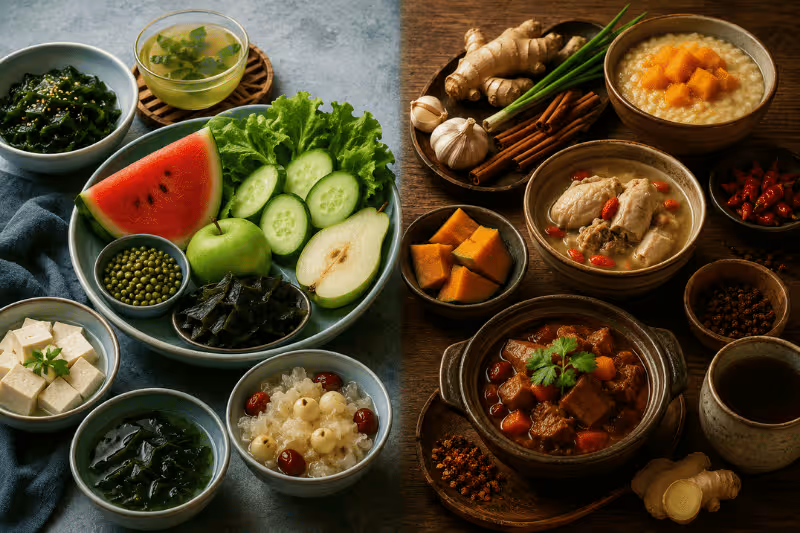
In Traditional Chinese Medicine, food temperature refers to a food’s energetic effect on the body, not its physical temperature, and choosing the right balance of warming and cooling foods may support digestion, energy, circulation, and overall internal balance.
Many people think healthy eating is only about calories, nutrients, or food groups. Traditional Chinese Medicine (TCM) approaches nutrition differently. In TCM, foods are understood through energetic properties that influence how the body functions internally. A salad served at room temperature may still be considered energetically cold, while a bowl of soup may not necessarily be classified as warming. What matters is how a food affects circulation, digestion, inflammation, hydration, and energy balance after it is eaten.
Bloating, fatigue, cold sensitivity, overheating, sluggishness after meals, or recurring digestive discomfort can happen even when someone eats what appears to be a “healthy” diet. Sometimes, the issue is not simply what a person eats but whether meals align with body constitution, symptoms, environment, and season. Understanding cold and warm foods in TCM offers a practical framework for eating in a way that feels more supportive and sustainable.
Key Takeaways
- TCM classifies foods by energetic temperature: cold, cool, neutral, warm, and hot.
- Food temperature refers to how food affects the body internally, not whether it is physically hot or cold.
- Too many cold foods may weaken digestion in some individuals, while excessive warming foods may aggravate internal heat symptoms.
- Seasonal eating and body constitution influence the ideal balance of food temperatures.
- Cooked meals, warming spices, and digestive awareness are central principles in Traditional Chinese Medicine nutrition.
What Does Food Temperature Mean in Traditional Chinese Medicine?

In Traditional Chinese Medicine, food temperature describes the energetic effect a food has inside the body after digestion. This concept is known as food energetics and is one of the foundational principles of Chinese dietary therapy.
Foods are categorized into five energetic temperatures:
- Cold
- Cool
- Neutral
- Warm
- Hot
This classification is unrelated to physical serving temperature.
For example:
- Ice cream is physically cold and energetically cold.
- Watermelon is energetically cooling even when served warm.
- Ginger tea is energetically warming, even after cooling down.
- Chili peppers are heating regardless of temperature.
TCM practitioners evaluate how food influences internal functions such as:
- Digestion
- Circulation
- Inflammation
- Fluid balance
- Body temperature regulation
- Emotional steadiness
- Energy production (Qi)
Rather than labeling foods as universally good or bad, TCM asks a different question:
“Is this food supportive for your body right now?”
That distinction changes everything.
Why Food Temperature Matters in TCM
According to Traditional Chinese Medicine, digestion depends heavily on internal warmth.
The digestive system, particularly the Spleen and Stomach meridian system, is often compared to a cooking pot. Food must be transformed efficiently into usable energy, blood, and nourishment. Excessively cooling foods may require more digestive effort in some people, particularly those with weaker digestive function.
This matters because impaired digestion in TCM is often linked to symptoms such as:
Bloating After Meals
In Traditional Chinese Medicine, bloating after eating may sometimes reflect weakened digestive warmth, particularly within the Spleen and Stomach system. Excessively cooling foods, especially raw meals or iced drinks, may slow the body’s ability to transform food efficiently in certain constitutions. Over time, this sluggish digestive process may contribute to feelings of heaviness, fullness, or abdominal discomfort after meals.
Fatigue and Brain Fog
TCM considers digestion one of the primary sources of Qi, or usable energy, for the body. When digestion becomes inefficient, nourishment may not be transformed effectively, potentially contributing to tiredness, low motivation, or mental fogginess. Some individuals notice these symptoms worsen after heavy, cold, or difficult-to-digest meals.
Loose Stools or Water Retention
Traditional Chinese Medicine often associates digestive weakness with what is referred to as dampness accumulation. When internal warmth becomes insufficient, fluid transformation may not occur as efficiently, sometimes contributing to loose stools, puffiness, or a sensation of heaviness. In these situations, overly cooling foods may aggravate symptoms for certain individuals.
Cold Hands and Feet
Persistent cold hands and feet are sometimes viewed in TCM as signs of reduced circulation or Yang deficiency patterns. When warming energy feels depleted, the body may struggle to circulate heat efficiently to the extremities. Warming foods and cooked meals are often emphasized to help support internal balance and comfort.
Acid Reflux or Internal Heat Symptoms
Not everyone benefits from highly warming foods in the same way. For individuals already experiencing signs of internal heat, excessive spicy, greasy, or heating foods may worsen symptoms such as acid reflux, irritation, facial redness, or overheating. In these cases, a more balanced approach that includes cooling foods may feel more supportive.
The Five Energetic Temperatures of Food in TCM
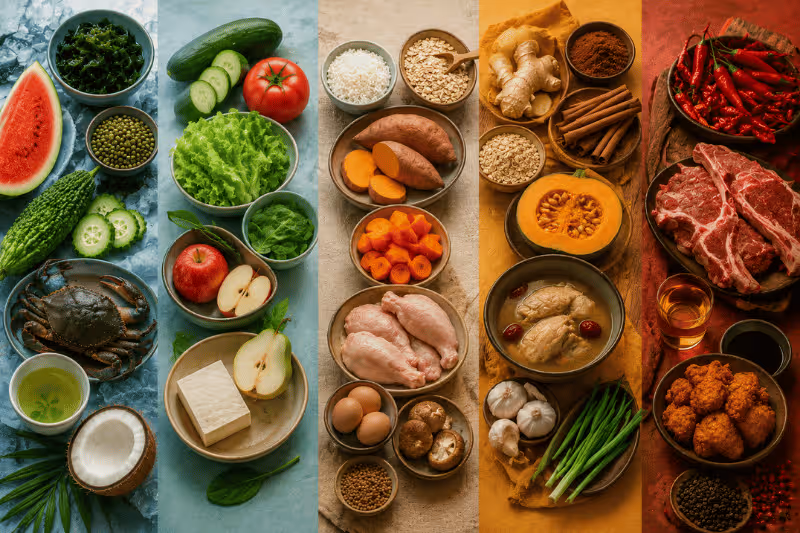
1. Cold Foods (Strongly Yin)
Cold foods are considered strongly Yin in Traditional Chinese Medicine because they help clear heat, cool the body, hydrate tissues, and calm signs of excess warmth. These foods may be useful when someone feels overheated, inflamed, irritable, or dry, especially during hot weather or periods of internal heat. However, people with weak digestion, cold sensitivity, bloating, or loose stools may need to limit cold foods or pair them with warming ingredients.
They may benefit individuals experiencing:
- Heat rashes
- Mouth ulcers
- Acid reflux
- Excess sweating
- Irritability
- Hot flashes
- Constipation caused by heat
Common cold foods include:
- Watermelon
- Seaweed
- Mung beans
- Bitter melon
- Crab
- Green tea
- Coconut water
2. Cool Foods (Mildly Yin)
Cool foods are less intense than cold foods but still help gently reduce heat and refresh the body. They are often easier to incorporate into daily meals because they provide a cooling effect without being as strongly draining as cold foods. In TCM nutrition, cool foods may be especially helpful during warmer seasons, after spicy meals, or when someone has mild heat signs.
Examples include:
- Cucumbers
- Tomatoes
- Lettuce
- Apples
- Pears
- Tofu
- Spinach
3. Neutral Foods (Balanced Foundation Foods)
Neutral foods are considered steady, balanced, and generally easier to digest for most constitutions. They do not strongly cool or heat the body, which makes them useful as everyday foundation foods in TCM dietary therapy. Many meals are built around neutral foods because they nourish Qi, support digestion, and provide stability without pushing the body too far in either direction.
Examples include:
- Rice
- Oats
- Sweet potatoes
- Carrots
- Chicken
- Eggs
- Mushrooms
- Lentils
4. Warm Foods (Mildly Yang)
Warm foods are mildly Yang and are used in TCM to support circulation, digestive activity, and internal warmth. These foods may be especially helpful for people who often feel cold, tired, sluggish, or heavy after eating. They are commonly used in cooked meals, soups, teas, and seasonal recipes to gently strengthen the body without creating excessive heat.
Examples include:
- Ginger
- Cinnamon
- Oats
- Pumpkin
- Chicken soup
- Garlic
- Chives
5. Hot Foods (Strongly Yang)
Hot foods create a stronger warming effect and are considered more stimulating than warm foods. They may be useful in small amounts for people with significant cold patterns, but they can easily become excessive if eaten too often. In people prone to inflammation, acne, overheating, irritability, reflux, or dryness, too many hot foods may aggravate discomfort rather than restore balance.
Examples include:
- Chili peppers
- Lamb
- Alcohol
- Fried foods
- Pepper
Cold vs. Warm Foods: Which Is Better?
Neither cold nor warm foods are inherently better in Traditional Chinese Medicine. The ideal choice depends on a person’s constitution, symptoms, season, and current state of balance. A food that feels supportive for one person may feel too cooling or too heating for another.
Your Constitution
Your constitution refers to the natural tendencies of your body, including whether you usually feel cold, hot, dry, damp, tired, or restless. Some people naturally run colder and may feel better with warming foods that support digestion and circulation. Others tend toward heat patterns and may feel more balanced with cooling foods that calm excess warmth.
Signs of a colder constitution may include:
- Cold hands and feet
- Fatigue
- Low energy
- Preference for warmth
- Loose stools
These individuals may tolerate warming foods better.
Signs of heat patterns may include:
- Feeling hot easily
- Restlessness
- Acid reflux
- Red complexion
- Night sweating
Cooling foods may feel more supportive.
The Season
TCM encourages seasonal adaptation because the body responds differently depending on climate, weather, and temperature. During colder months, warming meals may help protect digestion and support internal warmth. During warmer months, cooling and hydrating foods may help the body manage heat more comfortably.
Winter
In winter, TCM often favors foods that are cooked, warming, and deeply nourishing. These meals may help support Yang energy, circulation, and digestive strength during colder weather. Slow-cooked dishes are especially useful because they feel grounding and easier to digest.
Favor:
- Soups
- Stews
- Roasted vegetables
- Ginger tea
- Slow-cooked meals
Summer
In summer, the body may benefit from lighter, more hydrating foods that gently clear heat. Cooling fruits and vegetables can help refresh the body without overwhelming digestion when used in balance. However, too many iced drinks or raw foods may still cause bloating in sensitive individuals.
Emphasize:
- Cucumbers
- Melons
- Cooling fruits
- Hydrating vegetables
Spring
Spring is considered a season of movement, renewal, and transition in TCM. Light, gently warming foods may support the body as it shifts out of winter and becomes more active. Meals that are fresh but not overly cold often work well during this season.
Fall
Fall is often associated with dryness, cooler air, and immune system support in TCM. Nourishing foods that support moisture, warmth, and resilience may become more important during this time. Cooked vegetables, soups, pears, and gently warming ingredients can help the body adjust to seasonal change.
Is Raw Food Bad in Traditional Chinese Medicine?
Not necessarily.
However, TCM generally favors cooked foods, especially for people with digestive weakness.
Raw foods may be harder to process for individuals experiencing:
- Bloating
- IBS-like symptoms
- Chronic fatigue
- Loose stools
- Cold sensitivity
Cooking partially breaks food down, making digestion easier.
This is one reason warm breakfasts are commonly encouraged in Chinese dietary therapy.
Instead of:
- Iced smoothies
- Cold yogurt
- Refrigerated fruit bowls
TCM may favor:
- Congee
- Oatmeal
- Warm soups
- Eggs with cooked vegetables
- Herbal teas
For many people, this shift alone may improve digestive comfort.
Why TCM Often Discourages Ice-Cold Drinks
TCM generally discourages drinking iced beverages with meals.
The reasoning is practical:
Digestive enzymes and stomach function work more efficiently within a warm internal environment.
Very cold drinks may temporarily slow digestive efficiency in sensitive individuals.
Common complaints we hear from patients include:
- Feeling bloated after iced drinks
- Stomach discomfort
- Digestive sluggishness
- Cramping
Warm water or herbal tea is often preferred in TCM nutrition philosophy.
Common Signs Your Diet May Be Too Cooling
You may be eating too many cooling foods if you frequently experience:
- Fatigue after meals
- Bloating
- Cold extremities
- Low appetite
- Digestive sluggishness
- Loose stools
- Feeling worse after smoothies or salads
This does not mean salads are unhealthy.
It may simply mean your body benefits from more warming balance.
Common Signs You May Need More Cooling Foods
You may benefit from cooling foods if you regularly experience:
- Heat sensitivity
- Frequent inflammation
- Acid reflux
- Skin redness
- Mouth ulcers
- Excess sweating
- Irritability
In these cases, overly spicy or heating foods may worsen symptoms.
How to Balance Food Temperature Without Overcomplicating Meals

TCM eating does not require perfection. Simple changes often matter more than rigid rules.
1. Start With a Warm Breakfast
Warm meals may feel easier to digest and can help support steadier energy in the morning. This can be as simple as oatmeal, eggs, congee, or cooked vegetables.
2. Cook More Foods
Light steaming, roasting, or sautéing can make foods gentler on digestion without changing your whole diet. Even lightly cooking vegetables may help if raw meals often leave you bloated.
3. Use Gentle Warming Spices
Small amounts of warming spices can add digestive support without making meals too heavy or heating. They work well in soups, teas, stir-fries, and roasted dishes.
Try:
- Ginger
- Cinnamon
- Turmeric
- Garlic
4. Stop Overdoing Ice
Room-temperature or warm drinks may feel easier on digestion, especially during meals. This is a simple adjustment for people who feel bloated or uncomfortable after iced beverages.
5. Eat With the Season
Choose warmer, cooked foods in colder months and lighter, hydrating foods during warmer weather. Seasonal eating helps meals feel more aligned with your body and environment.
6. Observe Your Body
Pay attention to how meals affect your energy, digestion, bloating, and temperature sensitivity. These patterns can help you adjust food temperature without following strict rules.
Why Modern Wellness Is Rediscovering TCM Food Energetics
Interest in food energetics has grown significantly as more people experience digestive issues, chronic inflammation, fatigue, and metabolic imbalance.
Modern nutrition explains food through vitamins, minerals, and calories.
TCM adds another lens:
How does food make you feel after eating it?
This perspective resonates with many people because it is practical, observational, and personalized rather than one-size-fits-all.
Frequently Asked Questions
Is cold food bad for digestion in TCM?
Not always. TCM suggests that some people tolerate cold foods well, while others with weaker digestion may benefit from warmer meals.
Why does TCM recommend warm breakfasts?
Warm breakfasts are believed to support digestion and energy production by helping the digestive system work more efficiently.
Is iced water unhealthy according to TCM?
TCM generally discourages excessive iced drinks, especially during meals, because they may slow digestion in sensitive individuals.
What are warming foods in Traditional Chinese Medicine?
Examples include ginger, cinnamon, garlic, lamb, soups, and roasted vegetables.
What are cooling foods in TCM?
Cooling foods include watermelon, cucumber, tofu, pear, mung beans, and leafy greens.
Eating in a Way That Supports Your Body
Food temperature in Traditional Chinese Medicine is ultimately about balance, not restriction.
Instead of asking whether a food is universally healthy, TCM asks whether it supports your body, symptoms, environment, and current needs. For some people, warming meals may improve digestion and energy. For others, cooling foods may calm inflammation and internal heat.
At our clinic, we often remind patients that small adjustments can make a meaningful difference. Paying attention to how your body responds to food, eating more seasonally, and creating balance between warming and cooling foods may help support digestion, comfort, and overall well-being.
If you are experiencing digestive discomfort, fatigue, cold sensitivity, overheating, or other imbalances and want a more personalized approach to nutrition and wellness, our acupuncture clinic is here to help. Traditional Chinese Medicine looks at the whole picture, including your symptoms, constitution, and lifestyle, to help create recommendations that feel supportive for your body.
Contact us today to learn how acupuncture, cupping, moxibustion, herbal medicine, and personalized wellness guidance may help support your health, digestion, energy, and overall balance.
Sources:
Liu, J., Feng, W., & Peng, C. (2021). A song of ice and fire: Cold and hot properties of traditional Chinese medicines. Frontiers in Pharmacology, 11, 598744.

Cart (0)
Your cart is currently empty.



Cart (0)
Your cart is currently empty.