

How Emotions Influence Organ Health in Traditional Chinese Medicine: Understanding How Organs Respond to Feelings

In today’s fast-moving world, we often underestimate how deeply our emotions affect not just our mental state but our physical health as well. Traditional Chinese Medicine (TCM) takes a holistic view, recognizing that our feelings and internal organs are closely linked. When emotions become imbalanced, they can disrupt the flow of Qi, our vital energy, and lead to physical symptoms that reflect deeper disharmony.
According to TCM, each emotion corresponds to a specific organ. Anger affects the Liver, joy the Heart, worry the Spleen, sadness the Lungs, and fear the Kidneys. Over time, these emotional patterns can influence the strength and function of each organ.
Understanding these connections helps us tune in to the signals our bodies send and take steps to restore both emotional and physical balance.
Key Takeaways
- In Traditional Chinese Medicine, emotions are directly linked to organ function. Anger affects the Liver, joy influences the Heart, worry impacts the Spleen, sadness weakens the Lungs, and fear depletes the Kidneys.
- Disruptions in emotional balance can block or misdirect the flow of Qi, leading to physical symptoms such as fatigue, digestive issues, tension, or insomnia. Each emotion causes Qi to move in a specific pattern that influences organ health.
- The Five Elements Theory provides a holistic framework that connects emotions, organs, and natural cycles. Understanding these relationships allows for early detection of imbalances and more personalized care.
- Therapies such as acupuncture, herbal medicine, breathwork, and lifestyle changes help restore harmony. By supporting the smooth flow of Qi and nurturing organ strength, TCM addresses both emotional and physical well-being.
- Emotional awareness is essential for long-term vitality in TCM. Recognizing how feelings manifest in the body allows us to respond with compassion and balance, improving resilience and overall health.
Foundations of Traditional Chinese Medicine: The Mind-Body Connection
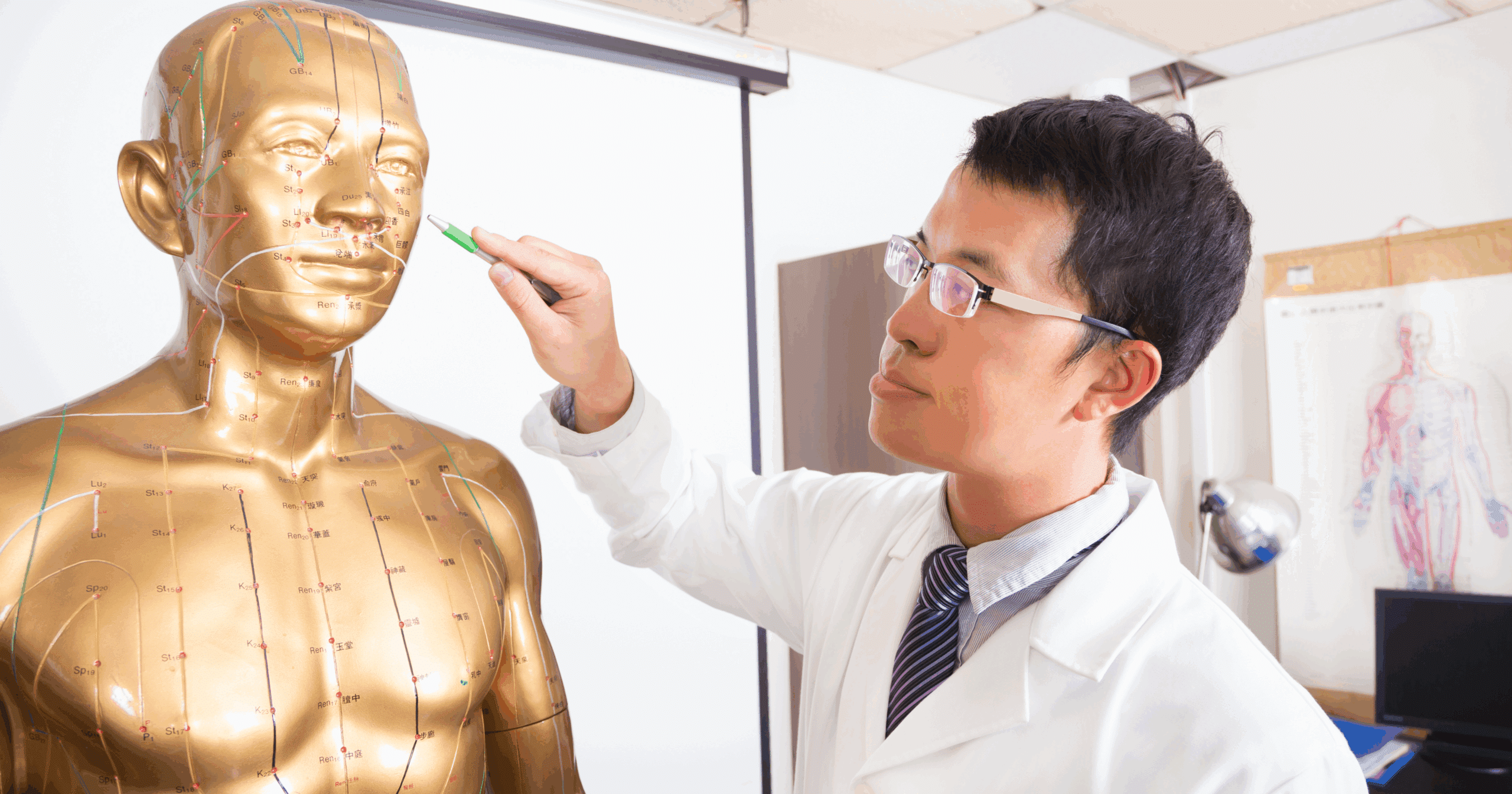
Qi — The Vital Energy Linking Body and Mind
Qi is the vital energy flowing through our body, connecting mind and body to sustain health. When Qi flows smoothly, emotional and physical well-being flourish; disruptions caused by emotions like anger or sadness can block or drain Qi, leading to symptoms such as headaches, fatigue, or digestive issues. This close link between Qi and emotions is fundamental in TCM’s holistic approach to health.
The Five Elements Theory: Framework for Emotions and Organs
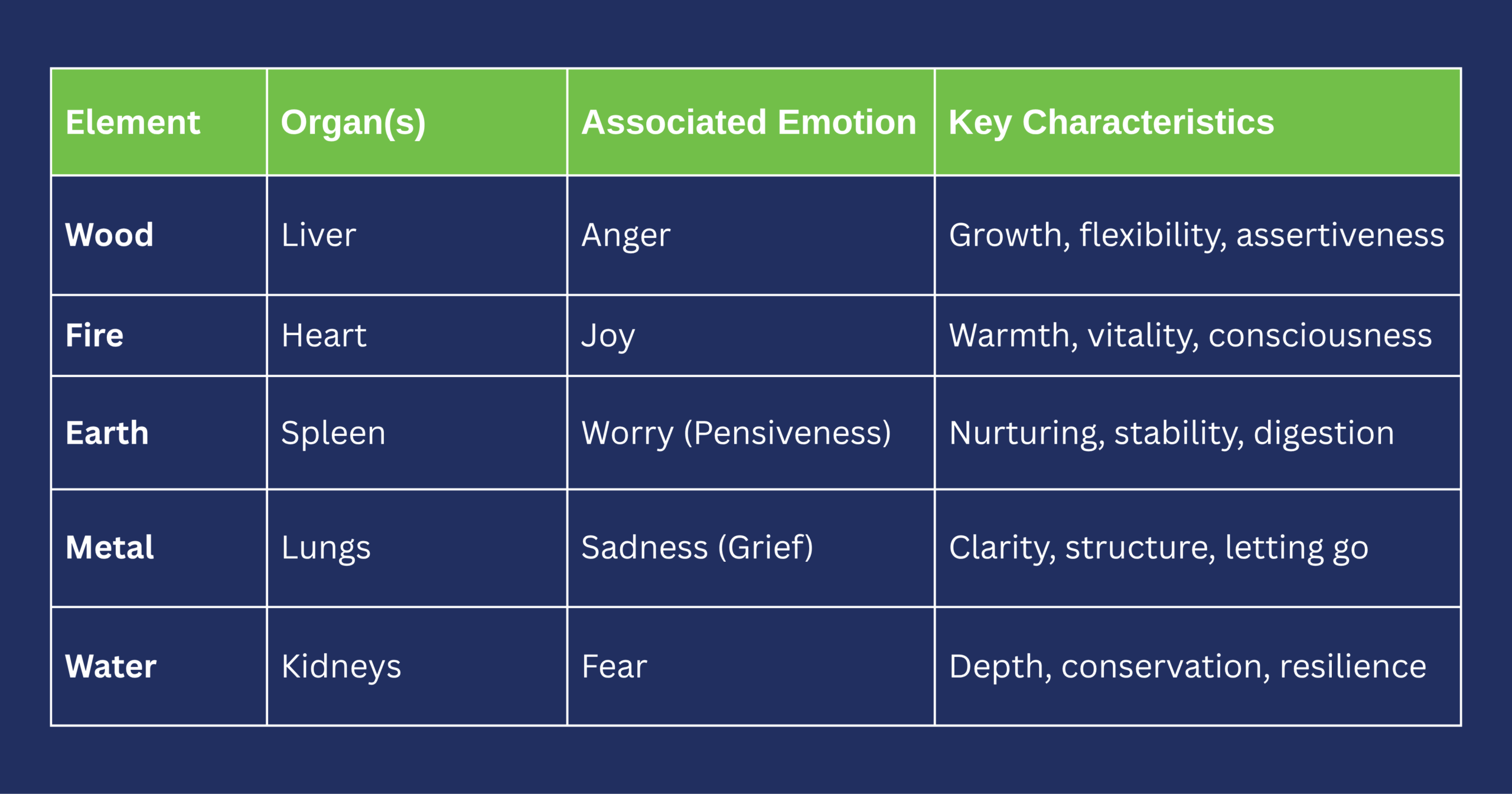
The Five Elements—Wood, Fire, Earth, Metal, and Water—form the backbone of TCM theory, providing a framework to understand how emotions correspond to specific organs and natural cycles. Each element embodies certain qualities and governs particular organs and emotions:
- Wood: Liver – Anger
- Fire: Heart – Joy
- Earth: Spleen – Worry (Pensiveness)
- Metal: Lungs – Sadness (Grief)
- Water: Kidneys – Fear
This elemental system is not static; it reflects the dynamic interplay of energies within us. Recognizing these correspondences helps us identify how emotional imbalances can signal or cause organ dysfunction, and vice versa.
Yin-Yang Balance: Emotional and Physical Harmony
Yin and Yang represent complementary forces that maintain balance within the body and mind. Emotionally, Yin embodies calmness, introspection, and rest, while Yang reflects activity, expression, and stimulation. When these forces are in harmony, emotions flow naturally without overwhelming the organs. Imbalance—such as excessive Yang manifesting as agitation or excessive Yin as withdrawal—can disrupt organ function and Qi flow, leading to illness.
The Zang-Fu Organ System and Emotional Associations
In TCM, the Zang-Fu system categorizes organs into Yin (Zang) and Yang (Fu) groups. The five Yin organs—Liver, Heart, Spleen, Lungs, and Kidneys—are primary centers of emotional processing. Each organ stores and expresses specific emotions, making them critical to emotional health. Understanding these connections allows practitioners to tailor treatments that address both emotional and physical symptoms holistically.
The Five Yin Organs and Their Core Emotional Connections
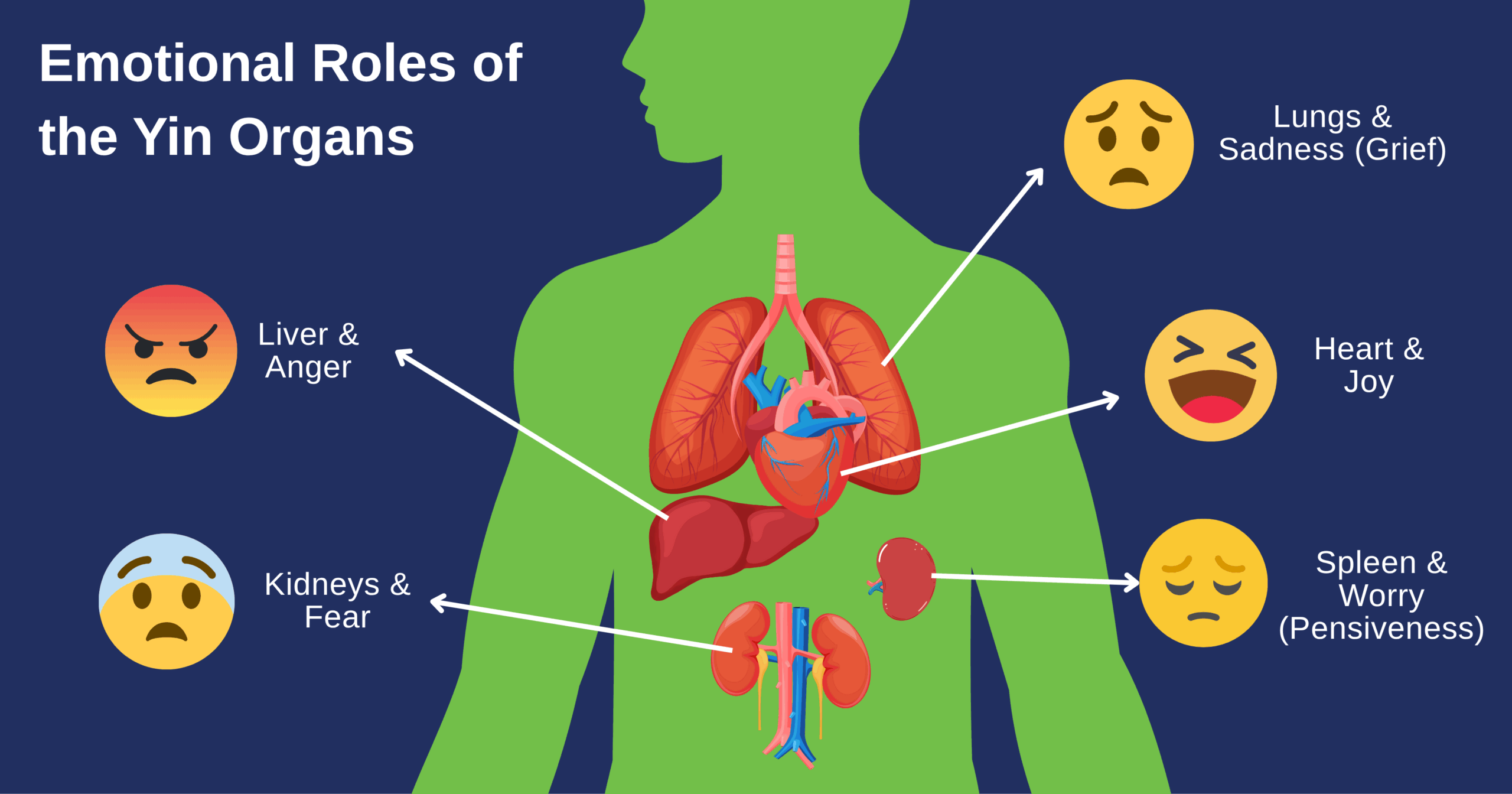
Liver and Anger
The Liver is often called the “general of officials” because it governs the smooth flow of Qi throughout the body. Emotionally, it is intimately tied to anger and frustration. When anger is repressed or expressed excessively, it disrupts Liver Qi, leading to stagnation. This stagnation can manifest as headaches, irritability, menstrual irregularities, or digestive discomfort.
- Role in Qi flow: Ensures smooth circulation of Qi and blood.
- Effects of anger excess: Qi rises unnaturally, causing tension and physical symptoms.
- Balanced liver: Fosters patience, kindness, and emotional flexibility.
Interestingly, subtle liver imbalances may present as irritability or impatience long before physical symptoms arise. Cultivating awareness of these early signs can prevent deeper disharmony.
Heart and Joy
The Heart is regarded as the seat of the mind (Shen) and spirit. Joy is its associated emotion, but like all emotions, balance is key. Excessive joy or excitement can scatter Heart Qi, leading to restlessness or insomnia, while deficiency may cause depression or emotional numbness.
- Seat of mind and spirit: Governs consciousness and emotional expression.
- Effects of imbalance: Excess joy causes agitation; deficiency leads to lethargy.
- Emotional balance: Promotes calmness, vitality, and mental clarity.
In practice, we observe how cultivating moderate joy through mindful living supports Heart health, while recognizing that emotional extremes disrupt its harmony.
Spleen and Worry (Pensiveness)
The Spleen plays a crucial role in digestion and transforming food into Qi and blood. Emotionally, it is linked to worry and overthinking. Chronic worry can weaken Spleen Qi, resulting in fatigue, poor appetite, and digestive problems.
- Function in digestion and energy: Converts nutrients into vital energy.
- Impact of worry: Causes Qi deficiency, leading to mental fog and physical weakness.
- Healthy spleen: Supports clear thinking and emotional stability.
We often find that addressing excessive mental strain through lifestyle adjustments helps restore Spleen function and emotional balance simultaneously.
Lungs and Sadness (Grief)
The Lungs govern respiration and immune defense, and are connected to sadness and grief. Prolonged sorrow can deplete Lung Qi, resulting in low energy, susceptibility to illness, and emotional withdrawal.
- Role in breathing and immunity: Facilitates oxygen intake and protects against pathogens.
- Effects of sadness: Weakens Lung Qi, causing fatigue and vulnerability.
- Balanced lungs: Enable resilience and the capacity to release grief healthily.
In our clinic, we emphasize gentle breathing exercises and acupuncture to support Lung Qi during emotional distress.
Kidneys and Fear
The Kidneys are the root of vitality and essence (Jing), governing growth, reproduction, and willpower. Fear, especially chronic fear, can deplete Kidney Qi, manifesting as insecurity, lower back pain, or urinary issues.
- Source of vitality and essence: Stores fundamental life energy.
- Impact of chronic fear: Leads to depletion of Kidney Qi and physical symptoms.
- Balanced kidneys: Foster courage, determination, and emotional strength.
Building Kidney resilience through TCM therapies is essential for patients experiencing persistent anxiety or trauma.
Additional Emotions and Their Organ Associations in TCM
Beyond the primary five emotions, TCM recognizes other emotional nuances and their organ ties:
- Anxiety often involves both Heart and Lungs, reflecting restlessness and breathlessness.
- Surprise is linked to the Heart and Gallbladder, causing sudden disruptions in Qi flow.
- Thoughtfulness (a deeper form of worry) affects the Heart and Spleen, intensifying mental fatigue.
These lesser-known connections remind us that emotional health is multifaceted and requires comprehensive assessment.
The Five Elements and Their Emotional-Organ Correlations
Wood Element – Liver and Anger
The Wood element represents growth, renewal, and flexibility, but it can become tense and rigid when out of balance. The Liver’s primary role in regulating Qi flow reflects Wood’s need for smooth, adaptable movement. When anger is suppressed or unexpressed, it leads to Qi stagnation, similar to a tree that cannot bend with the wind. Encouraging healthy emotional expression and physical activity helps restore the natural flow of Wood energy.
Fire Element – Heart and Joy
Fire symbolizes warmth, vitality, and illumination, mirroring the Heart’s connection to joy and spirit. While joy energizes and uplifts, excessive Fire can lead to emotional agitation or burnout. Maintaining a balance between joyful expression and calm reflection supports both mental clarity and spiritual well-being. Integrating calming practices helps prevent the Heart’s energy from becoming scattered or depleted.
Earth Element – Spleen and Worry
Earth embodies stability, nourishment, and grounding, qualities reflected in the Spleen’s role in digestion and thought. Excessive worry or overthinking disrupts this grounding force, weakening the Spleen’s ability to transform energy effectively. Mindfulness, rest, and balanced routines strengthen Earth energy and soothe mental overactivity. Cultivating these habits supports both emotional calm and physical vitality.
Metal Element – Lungs and Sadness
Metal governs structure, clarity, and the ability to release what no longer serves us, paralleling the Lungs’ role in respiration and letting go. Sadness or grief can weaken Lung Qi, making it harder to maintain emotional and physical clarity. Practices such as breathing exercises and gentle movement help cleanse and strengthen Metal energy. Supporting the Lungs encourages resilience and healthy emotional release.
Water Element – Kidneys and Fear
Water symbolizes depth, conservation, and inner strength, qualities central to Kidney health and essence. Fear, especially when chronic, depletes Kidney Qi and undermines a person’s sense of security and courage. Rest, nourishment, and practices that build Kidney energy help cultivate resilience and emotional fortitude. Strengthening this element empowers us to face life’s challenges with confidence.
How Imbalances Manifest as Emotional and Physical Disorders
In Traditional Chinese Medicine (TCM), the Five Elements—Wood, Fire, Earth, Metal, and Water—act as a framework illustrating how emotional and physical well-being are interconnected. When one of these elements falls out of balance, it doesn’t just affect your emotional state; it triggers a cascade of physical symptoms as well. Recognizing these patterns is crucial for early intervention.
For example, if the Wood element becomes stagnant, it can lead to irritability and, for women, menstrual pain. Similarly, an Earth element deficiency might manifest as excessive worry coupled with digestive issues. By understanding these elemental imbalances and their corresponding emotional and physical signs, it becomes possible to address the root cause and restore harmony within the body.
Mechanisms of Emotional Impact on Organs in TCM

Emotions influence the body primarily by disrupting Qi flow. Qi moves in four directions—ascending, descending, dispersing, and consolidating—and each emotion can alter this movement:
- Anger causes Qi to rise too quickly.
- Sadness causes Qi to descend excessively.
- Worry causes Qi to bind or knot.
- Fear causes Qi to descend or withdraw.
When Qi movement becomes stagnant or deficient, it creates a cascade of physical symptoms and disease. Modern science increasingly supports these concepts. Studies show that emotions affect hormonal balance, nervous system regulation, and immune function—paralleling TCM’s view of emotional-organ interplay. For instance, chronic stress elevates cortisol, impacting digestion and immunity, echoing Spleen and Lung imbalances described in TCM.
Therapeutic Approaches in TCM to Restore Emotional and Organ Health
Traditional Chinese Medicine offers a variety of effective methods to help restore balance between emotions and organ function. These approaches work together to support the smooth flow of Qi and harmonize the body’s internal environment:
- Lifestyle and Dietary Adjustments: Tailored nutrition supports organ health and emotional balance—for example, cooling foods for Liver heat or warming foods for Kidney deficiency.
- Acupuncture and Acupressure: Targeting specific meridians to unblock Qi stagnation and nourish deficient organs.
- Mind-Body Practices: Qigong, Tai Chi, and meditation enhance Qi flow and foster emotional regulation.
- Herbal Medicine: Custom formulas address specific emotional-organ patterns, such as herbs that calm the Heart or strengthen the Spleen.
- Psychological Counseling Integration: Combining TCM with counseling offers a holistic approach to emotional wellness.
Why Emotional Awareness Is Key to Maintaining Organ Health in TCM
The profound interplay between emotions and organ health in Traditional Chinese Medicine reveals a holistic path to wellness—one that honors the inseparable unity of mind and body. By embracing emotional awareness and nurturing organ balance, we open the door to sustained vitality and peace. At ACA Acupuncture & Wellness, we are committed to guiding you on this journey, blending ancient wisdom with compassionate care to support your whole health. Together, let us cultivate harmony within, empowering you to thrive emotionally and physically every day.

Cart (0)
Your cart is currently empty.


Cart (0)
Your cart is currently empty.