

Pearl Powder in Traditional Chinese Medicine: Benefits, Uses, and Safety for Radiant Skin and Holistic Wellness
Last Updated: July 09, 2026
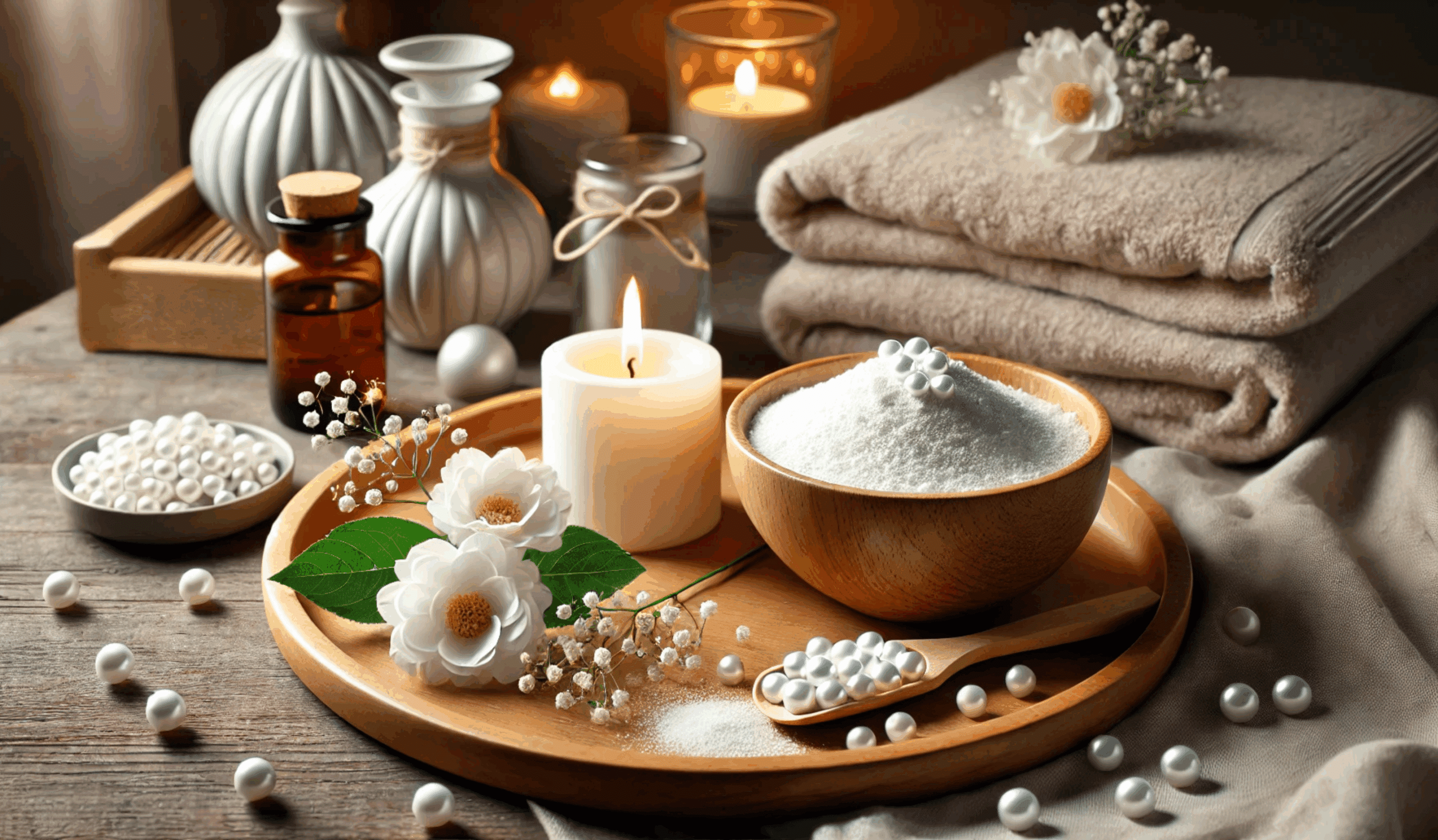
Pearl powder is a finely milled Traditional Chinese Medicine remedy made from freshwater or saltwater pearls. It is traditionally valued for its amino acids, calcium, and trace minerals, which may support skin brightness, emotional calm, and overall balance. Pearl powder can be applied topically or taken internally under proper guidance, and it works best as one small part of a broader wellness approach that considers sleep, stress, digestion, and circulation.
Pearl powder has been used for centuries in East Asian beauty and medicine traditions to support clear, luminous skin and a calmer mind. In TCM, skin is viewed as a reflection of internal health, including the organs, circulation, and emotional state. People often explore pearl powder to soothe the skin on the surface and to understand how it may relate to deeper internal patterns.
Modern nutrition science highlights its concentration of amino acids, calcium carbonate, and trace minerals. These nutrients may support natural repair processes, strengthen the skin barrier, and contribute to stress resilience. When combined with holistic practices such as acupuncture treatments, herbal formulas, and lifestyle care, pearl powder can become one complementary element in a thoughtful beauty and wellness strategy instead of a quick fix.
Key Takeaways
- Pearl powder is a finely ground substance made from pearls and is described in Traditional Chinese Medicine as a remedy that may support skin quality, mood balance, and gentle internal nourishment.
- Amino acids, calcium, and trace minerals may help brighten dull skin, soften the look of fine lines, and support a more resilient skin barrier.
- Classical TCM texts value pearl powder for calming the Shen, which may help with stress, restlessness, and sleep when used appropriately.
- Internal use is not suitable for everyone, especially during pregnancy or for individuals with underlying medical conditions. Professional guidance is recommended.
- Pearl powder is most effective as one supportive element of a broader wellness routine that includes sleep, stress management, digestion, and balanced lifestyle habits.
What Is Pearl Powder? Origin, Types, and Composition
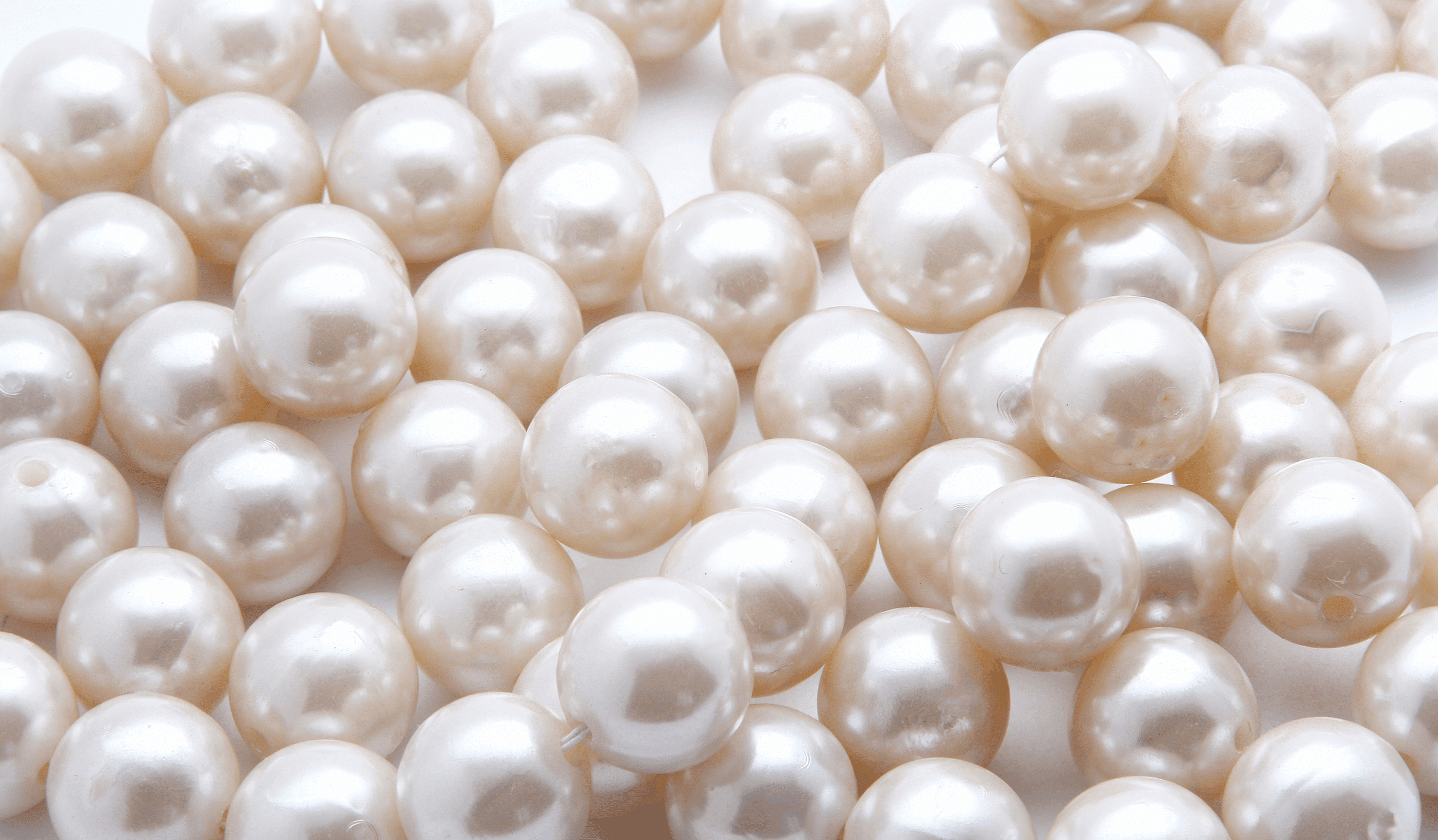
Pearl powder is made by grinding freshwater or saltwater pearls into an ultra fine consistency suitable for topical or internal use. It contains amino acids, calcium carbonate, magnesium, and trace minerals that may support tissue repair, skin barrier health, and a calmer nervous system. In Traditional Chinese Medicine, pearl powder is described as calming, nourishing, and stabilizing when used in the right context.
Pearls used in wellness applications are typically:
- Harvested from freshwater or saltwater sources
- Cleaned and purified
- Milled into a fine powder
There are two common types:
- Cosmetic grade pearl powder
Used for masks, creams, and finishing powders.
- Ingestible or pharmaceutical grade pearl powder
Filtered and tested more rigorously for internal use in supplements or herbal formulas.
Nutritionally, pearl powder may contain:
- Amino acids
- Calcium carbonate
- Magnesium
- Trace minerals, including zinc
Calcium carbonate supports cell communication and tissue health. Amino acids contribute to natural repair processes that support skin and connective tissue.
In TCM, pearl powder is known as Zhen Zhu and is traditionally associated with:
- Calming the Shen
- Anchoring Yang
- Nourishing Yin
It is often considered when symptoms include:
- Restlessness or anxiety
- Difficulty sleeping
- Palpitations
- Heat-related skin issues
Pearl powder is rarely used alone in classical formulas. It is typically combined with other herbs selected according to the individual’s pattern in order to create a more balanced effect.
How Pearl Powder Works: TCM Theory and Modern Mechanisms
From a TCM perspective, pearl powder is described as calming the mind, nourishing Yin fluids, and gently anchoring excess Yang, which can reduce internal agitation and heat that may show up on the skin. From a modern perspective, its minerals and amino acids may support antioxidant defense, tissue repair, and skin barrier function. It is not a cure-all but can be a supportive option when used thoughtfully and safely.
In TCM, skin is connected to several organ systems. When we look at skin concerns, we often consider:
- Lung system – Linked to the skin and protective Qi. Weak Lung Qi can correlate with dryness or fragile skin.
- Spleen and digestion – When Spleen is weak, dampness and phlegm can accumulate and show up as congestion or breakouts.
- Liver system – Excess Liver heat can appear as redness, rashes, or itching.
- Kidney system – Deficient Kidney Yin may show as dull, thin, or prematurely aged skin.
In this framework, pearl powder is traditionally used to:
- Cool certain types of internal heat
- Nourish Yin fluids
- Calm the Shen and reduce internal agitation
When internal heat and agitation are eased, skin may become less reactive. Sleep can improve and stress may feel more manageable, which often shows on the face.
From a modern biomedical angle, pearl powder contains minerals and compounds with potential antioxidant activity. These may help:
- Neutralize free radicals that contribute to oxidative stress and premature aging
- Support normal cell turnover and repair
- Strengthen the skin barrier so it holds moisture more effectively and resists environmental stressors
We are always realistic with patients about what pearl powder cannot do. It does not replace:
- Daily sunscreen
- Appropriate medical treatment
- A thorough evaluation by a health professional
Pearl powder is best viewed as one optional, supportive element that may complement a broader routine focused on skin, stress management, and overall wellness.
Top Pearl Powder Benefits for Skin
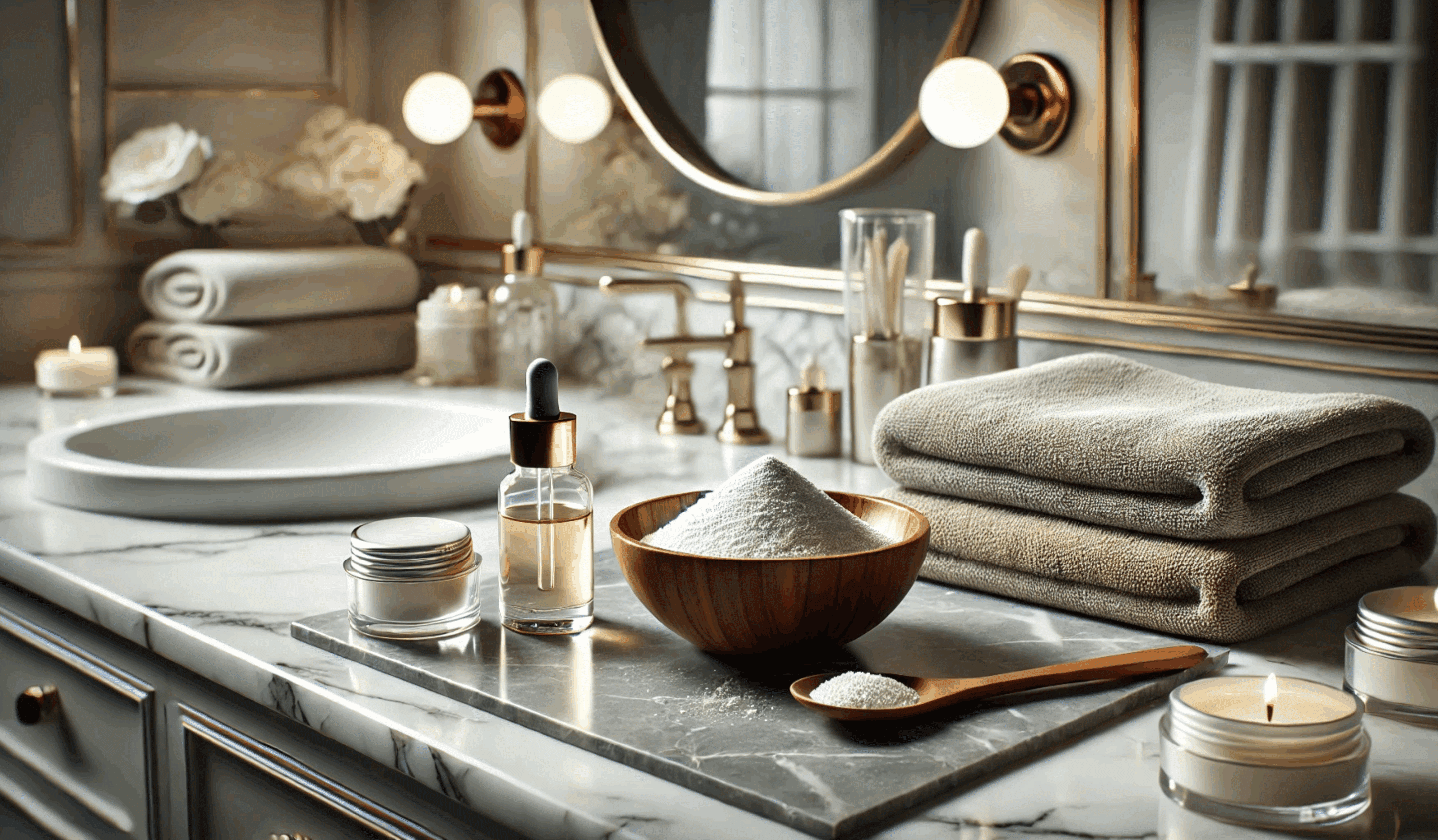
When used correctly, pearl powder may help brighten dull complexions, support a more even-looking skin tone, soften the appearance of fine lines, and calm mild redness or irritation. It is best viewed as a gentle supportive ingredient that works alongside a balanced skincare routine, stress management, and healthy lifestyle practices.
Brightening and Evening Skin Tone
Many people discover pearl powder for its brightening qualities. Its ultra fine texture can act as a gentle physical exfoliant in masks and may help lift away surface dullness.
Potential benefits include:
- A more luminous, less tired appearance
- Gradual softening of certain post-acne marks or discoloration
- A fresher, more even-looking complexion with consistent use
In TCM, pearl powder is traditionally believed to:
- Clear lingering internal heat
- Support fluids and Yin
Important considerations:
- Pearl powder is not a bleaching or lightening agent
- Improvements tend to be gradual
- Daily sun protection remains essential
Supporting Fine Lines, Firmness, and Skin Texture
As skin ages, collagen production declines and environmental stress accumulates. Pearl powder provides amino acids and minerals that may support the skin’s natural repair processes.
People who choose to experiment with topical pearl powder often:
- Mix a small pinch into a hydrating mask
- Add a tiny amount to a simple moisturizer a few times per week
- Combine it with a routine focused on barrier repair and gentle exfoliation
These practices may support:
- Better overall tone
- Smoother texture
- A softer, more natural look rather than dramatic changes
Sensitive, Red, or Easily Irritated Skin
Pearl powder has a long history in calming and cooling formulas. Its mineral content and TCM cooling properties make it a possible option for skin that feels hot, prickly, or easily inflamed.
General guidance includes:
- Using simple mask bases such as honey, aloe, or neutral creams
- Patch testing before full application
- Starting with low frequency use, such as once per week
When skin sensitivity is present, internal factors also matter. Many people find improvements when they address:
- Digestive health
- Stress levels
- Sleep quality
- Environmental irritants
These internal drivers often influence reactivity more than any single topical ingredient.
Acne Prone Skin and Post Acne Marks
Acne has many contributing factors. Pearl powder is sometimes advertised as an acne cure, but this oversimplifies its role. It may offer gentle support rather than targeted treatment.
Potential supportive effects:
- Softening the look of certain post-acne marks
- Reducing the appearance of lingering redness
- Contributing to smoother surface texture over time
When discussing acne care, the focus is usually on:
- Dietary and digestive patterns
- Hormonal influences
- Sleep and stress
- Barrier-friendly skincare practices
If pearl powder is used, it is best to:
- Patch test carefully
- Use very small amounts
- Avoid pairing it with strong or harsh actives initially
Clarifying Melanin and UV Support
Some descriptions of pearl powder mention melanin regulation and UV protection. It is important to clarify the limits.
Pearl powder may:
- Support overall skin resilience
- Contribute to a brighter appearance
Pearl powder does not:
- Replace sunscreen
- Provide significant UV protection
Best practices for brightening include:
- Daily SPF
- Seeking shade when possible
- Using protective clothing or hats
- Avoiding peak UV hours when practical
Pearl Powder for Hair, Scalp, and Internal Wellness
Pearl powder may support hair and scalp quality through its minerals and amino acids, and it is described in TCM as a substance that can calm the Shen and nourish Yin, which may indirectly benefit mood and sleep. We at ACA discuss these possibilities with patients who are curious, while also emphasizing that internal use should be supervised and carefully considered.
Hair and Scalp Health
In TCM, hair reflects the state of the Liver and Kidney systems. When these are depleted or circulation is weak, hair can become:
- Thin
- Brittle
- Dull
Pearl powder’s mineral content and Yin-nourishing nature make it a candidate in some traditional formulas that aim to support hair and scalp.
For people curious about topical use on the scalp, we typically suggest:
- Mixing a small amount into a gentle scalp mask
- Avoiding heavy or pore-clogging bases
- Rinsing thoroughly
- Starting with a low frequency, such as once every week or two
We also remind patients that:
- Hair health is strongly influenced by diet, stress, hormones, and sleep
- Pearl powder, if used, is only one small part of a larger picture
Internal Use for Stress, Sleep, and Mood
Pearl powder is often described in TCM as calming the Shen. Traditional indications can include:
- Mental restlessness
- Irritability
- Difficulty falling asleep
- Palpitations linked to anxiety patterns
When patients ask whether pearl powder could help with stress or sleep, we:
- Review their full health picture
- Encourage them to discuss any internal supplements with their medical team
- Explain that internal pearl powder should not be self-prescribed in high doses
We find that many people achieve significant stress and sleep improvements simply through:
- Regular acupuncture
- Gentle herbal formulas chosen specifically for their pattern
- Sleep hygiene and nervous system regulation techniques
Pearl powder, if considered at all, would be one possible adjunct, not a primary mental health intervention.
Circulation, Detox, and Energy
The word “detox” is often used loosely. In Chinese medicine, we think in more concrete terms like:
- Moving Qi and Blood
- Clearing heat
- Transforming dampness
- Supporting the organs that process and transform substances
Pearl powder is considered more of a nourishing and calming substance than a strong “detoxifier.” When people report clearer skin or more stable energy while using formulas that contain pearl powder, that often reflects:
- Better regulation of stress
- Improved sleep
- More balanced internal heat
We always remind patients that lifestyle factors and core treatments do the heavy lifting. Pearl powder, if part of the picture, is supportive rather than central.
Who Should Consider Pearl Powder, And Who Should Avoid It
Pearl powder may be of interest to adults who are exploring TCM-informed approaches to skin health, emotional balance, or mild stress-related sensitivity. It is not suitable for everyone, especially during pregnancy, breastfeeding, or in the presence of significant medical conditions. Internal use should always be discussed with a qualified practitioner or medical provider.
Good Candidates to Learn More
Pearl powder may be worth exploring for individuals who:
- Are interested in natural and TCM-informed approaches to beauty and wellness
- Have mild to moderate concerns about:
- Dull or uneven skin tone
- Early fine lines
- Mild sensitivity or reactivity
- Are willing to support their routine with lifestyle foundations such as:
- Improved sleep
- Stress management
- Balanced diet and digestion
- Understand that pearl powder is an adjunct rather than a primary or standalone solution
For these individuals, it can be helpful to learn what pearl powder may offer, how it is traditionally understood in TCM, and what questions to ask before using it internally or topically.
When Caution Is Needed
Extra care and professional guidance are recommended for people who are:
- Pregnant or breastfeeding
- Managing chronic kidney or liver conditions
- Taking multiple prescription medications
- Sensitive to minerals or have a history of heavy metal reactions
In these cases, it is often safer to focus first on:
- Gentle herbal support tailored to the individual
- Evidence based skincare and lifestyle strategies
- Careful attention to stress, hydration, and sleep
These approaches tend to provide a stronger foundation before considering any optional supplements such as pearl powder.
When Pearl Powder May Not Be Appropriate
Pearl powder is unlikely to be helpful or appropriate in situations such as:
- Severe or rapidly worsening skin disease that requires dermatologic care
- Active infections or open, inflamed lesions
- Complex mental health concerns that need dedicated support
In these cases, it is more important to prioritize:
- Proper medical or dermatologic treatment
- Stabilizing the body through foundational wellness practices
- Building a simple, supportive skincare routine
Pearl powder can always be revisited later, once overall health and skin stability have improved.
How to Use Pearl Powder Safely: Topical and Internal Applications
For most people, the safest way to experiment with pearl powder is to use very small amounts in simple masks or moisturizers once or twice per week, after patch testing. Internal use is more complex and should only be considered after discussing it with a qualified practitioner or medical provider who understands your health history.
Topical Use: Masks, Spot Treatments, and Creams
When patients ask how they might try pearl powder topically, we usually suggest:
- Start small
A pinch is often enough for a full mask. - Keep the base simple
Such as:- Honey
- Aloe gel
- Plain yogurt
- A neutral, fragrance-free cream
- Use gentle timing
- Ten to fifteen minutes for a mask
- Once or twice per week at first
Practical examples include:
- Hydrating mask – Mix a small pinch of pearl powder into honey or aloe, apply to clean skin, leave on briefly, and rinse with lukewarm water.
- Targeted cream – Blend a tiny amount into your usual moisturizer and apply only to limited areas at first, such as the cheeks or forehead.
We also encourage patients to:
- Avoid combining pearl powder with strong acids or retinoids in the same application initially
- Monitor their skin closely for any signs of irritation or congestion
- Avoid the eye area – Pearl powder masks and creams should not be applied on the eyelids or along the lash line. If any product accidentally gets into the eyes, rinse thoroughly with clean, lukewarm water and discontinue use if irritation persists.
Internal Use: Always Get Guidance First
Internal use of pearl powder should not be a DIY project. Before considering any internal supplement, we recommend:
- Speaking with a qualified TCM practitioner
- Informing your primary care doctor or specialist
- Reviewing your full medication and health history
If a practitioner does feel internal pearl powder might be appropriate, they will usually consider:
- Your TCM pattern and diagnosis
- Your digestion and elimination
- Your sleep and stress levels
- Any coexisting health conditions
They can then advise on:
- Whether it is appropriate at all
- How often and how much to take
- How to monitor for any side effects
Patch Testing, Step-Up Strategies, and When to Stop
Regardless of how pearl powder is used, we stress:
- Patch test first
- Apply a small amount behind the ear or along the jaw for several days.
- Watch for reactions
- Redness
- Itching
- Burning
- Breakouts
If any of these occur, it is best to stop and reassess with a practitioner. More is not better. A slow, careful approach is safer and more informative than aggressive experimentation.
Risks, Side Effects, and Safety Considerations
Pearl powder can cause side effects such as skin irritation, breakouts, or digestive upset. Low quality products may also contain contaminants, including heavy metals. Internal use should never be self-prescribed, especially during pregnancy, breastfeeding, or when significant health conditions are present.
Possible Side Effects
Potential side effects may include:
Topical reactions
- Redness
- Itching or stinging
- Increased dryness if overused
- Breakouts when mixed with heavy or occlusive bases
Internal reactions
- Digestive discomfort
- Nausea in sensitive individuals
- Headaches in rare cases
If any of these occur, it is important to:
- Stop using the product
- Note the timing and severity of symptoms
- Discuss the reaction with a qualified practitioner or healthcare provider
Heavy Metals and Contamination
Pearl powder quality varies, and pearls sourced from polluted waters may carry contaminants. Risks of low quality products include:
- Elevated levels of heavy metals
- Environmental toxins from unsafe harvesting areas
- Unlisted fillers or adulterants
Safer products usually:
- Provide third party lab testing
- Offer clear, transparent ingredient lists
- Distinguish between topical and ingestible formulations
Special Populations
Certain groups should use extra caution or avoid pearl powder altogether. This includes:
- Pregnant or breastfeeding individuals
- People with chronic kidney or liver conditions
- Individuals taking multiple medications that affect detoxification pathways
- Those with known sensitivities to minerals or marine derived products
For these groups, it is safer to focus on well studied strategies and obtain explicit clearance from a healthcare professional before considering any internal use of pearl powder.
How to Choose High-Quality Pearl Powder
High-quality pearl powder should be pure, clearly labeled for its intended use, tested for contaminants, and produced by a transparent, reputable company. At ACA, we encourage patients to prioritize safety, testing, and clear labeling over marketing claims or low price.
When patients ask how to evaluate pearl powder products, we often suggest focusing on several key factors.
Purity, Grade, and Testing
Look for products that:
- List 100 percent pearl as the main ingredient
- Avoid undisclosed fillers or vague “mineral” blends
- Specify whether they are:
- Cosmetic-only
- Intended for ingestible use
- Provide third-party lab reports that check for:
- Heavy metals
- Microbial contamination
Sourcing and Sustainability
Ethical sourcing can be a sign of overall quality. Helpful indicators include:
- Clear information about where pearls are harvested
- Statements about environmental stewardship
- Transparent manufacturing practices
While it can be hard to verify every detail, brands that talk openly about sourcing and quality tend to be more conscientious.
Freshwater vs Saltwater, Micronized vs Traditional
When reading labels, you might see:
- Freshwater pearls – more common for supplements
- Saltwater pearls – sometimes used for premium cosmetic powders
You may also see:
- Micronized or nano pearl powder – very finely ground, which can improve spreadability but should be handled carefully to avoid inhalation
- Standard pearl powder – still fine, but slightly less powdery
We usually recommend mixing powders directly into creams or liquids rather than using them loose in the air.
Practical Standards to Keep in Mind
When people bring products to show us, we encourage them to check whether the brand:
- Shares testing data
- Has a clear reputation among practitioners or informed consumers
- Makes realistic claims about what pearl powder can and cannot do
This helps patients choose safety and transparency over hype.
Pearl Powder vs Other Supplements for Skin and Stress
Pearl powder is not meant to replace collagen, hyaluronic acid, or herbal formulas. It fills a unique niche as a calming, mineral-rich substance described in TCM that can support skin quality and emotional balance when used thoughtfully. For many people, it may complement other strategies rather than serve as the main tool.
Pearl Powder vs Collagen
Collagen supplements:
- Focus primarily on providing protein building blocks
- Are often used for joint comfort and skin firmness
- Are taken in relatively larger daily amounts
Pearl powder:
- Offers amino acids and minerals in much smaller quantities
- Is described in TCM as calming and cooling
- Is more focused on subtle support for skin quality and Shen
If a person’s main goals are:
- Joint support
- Global collagen replenishment
Collagen may be more central. If they are also dealing with:
- Stress
- Restlessness
- Sensitive skin
Pearl powder is sometimes discussed as one of several adjuncts that may be worth exploring with professional guidance.
Pearl Powder vs Hyaluronic Acid
Hyaluronic acid:
- Acts as a humectant that binds water in the skin
- Directly targets hydration and plumpness
- Is widely used in topical serums and some supplements
Pearl powder:
- Does not function as a humectant in the same way
- Is more about:
- Barrier resilience
- Calmness
- Subtle brightness
Many patients use:
- Hyaluronic acid for hydration
- A simple pearl powder mask occasionally for soft brightness and calm, if they tolerate it and choose to experiment
Pearl Powder vs Herbal or TCM Skin Formulas
Herbal formulas that target:
- Heat
- Dampness
- Blood circulation
- Digestive function
often play a central role in TCM approaches to skin. Pearl powder, when included in a formula, usually plays a supporting role.
We emphasize to patients that:
- Herbal formulas and acupuncture are tailored to the individual
- Pearl powder, if part of the plan, is one ingredient among many
- A thorough TCM consultation provides more value than focusing on a single substance
Integrating Pearl Powder into a Holistic TCM Beauty Plan
Pearl powder is considered in TCM as one optional tool within a larger wellness and beauty framework. It works best when combined with foundational practices such as acupuncture, herbal support, balanced skincare, and lifestyle habits that encourage internal harmony. Pearl powder should be treated as a gentle adjunct rather than a primary treatment.
Combining Pearl Powder with Cosmetic and Facial Acupuncture
Many people first explore holistic beauty through:
- Facial or cosmetic acupuncture
- Body acupuncture for stress, sleep, or digestion
- Support for skin concerns that seem connected to internal balance
When questions about pearl powder arise, it is helpful to:
- Clarify how it is described in TCM
- Set realistic expectations
- Discuss when pearl powder may or may not be appropriate to explore
In most cases, the practices that create the biggest improvements include:
- Consistent acupuncture
- Gentle herbal formulas
- Thoughtful, barrier focused skincare routines
These foundational steps make a noticeable difference with or without pearl powder.
Supporting Skin from Within
TCM considers skin health to be an expression of overall internal balance. When exploring holistic support for the complexion, many practitioners focus on:
- Digestive function and bowel habits
- Menstrual patterns and hormonal rhythms
- Sleep quality and duration
- Stress level and emotional regulation
- Diet, hydration, and daily routines
Helpful recommendations may include:
- Targeted dietary adjustments
- Herbal support tailored to individual patterns
- Nervous system and stress reduction practices
When these foundations improve, many people begin to see better skin tone, clarity, and resilience even before adding specialty ingredients.
What a Personalized Plan Might Look Like
Although each person is unique, a well-rounded TCM inspired beauty plan may include:
- A series of acupuncture treatments to support stress, digestion, circulation, or complexion related concerns
- A customized herbal formula designed to address internal heat, dampness, or deficiency
- Guidance on skincare essentials, such as barrier strengthening and daily sun protection
- Recommendations on sleep routines, movement, and emotional balance
If pearl powder becomes part of the discussion, the process usually involves:
- Explaining its traditional uses
- Reviewing potential benefits and risks
- Helping determine whether it is appropriate to explore further with a broader care team
Pearl powder can then be introduced thoughtfully, always as one supporting element rather than the central solution.
Frequently Asked Questions About Pearl Powder
Common questions about pearl powder revolve around safety, daily use, brightening potential, and how to combine it with existing routines. We guide patients to start low and slow, avoid self-prescribing internal use, and seek professional input whenever health conditions or complex skin issues are present.
Is pearl powder safe for daily use?
Topically, most people do better using pearl powder once or twice per week rather than every day. It is usually added to a mask or moisturizer and applied only after a successful patch test. Daily internal use should never be assumed safe. Anyone considering ingestible pearl powder should speak with a qualified practitioner or medical provider first to ensure it is appropriate for their individual health needs.
Can I use pearl powder if I am pregnant or breastfeeding?
Caution is strongly advised. Internal use during pregnancy or breastfeeding should only happen if a healthcare provider is fully informed and agrees it is safe, and if a qualified practitioner has reviewed the individual’s full case. Even for topical use, it is best to keep the routine simple, perform a patch test, and consult a healthcare professional if there are any concerns.
Does pearl powder lighten skin or just brighten?
Pearl powder is best understood as a brightening and calming ingredient. It may help reduce dullness and soften the look of certain marks over time, but it is not a bleaching or lightening agent. It also does not replace sunscreen or other sun-safe habits. Any brightening effects tend to be gentle and gradual.
How long does it take to see results?
With topical use, some people notice increased radiance and softness within several weeks. More visible changes tend to appear slowly and depend on consistency. For internal use, potential effects usually take several months to evaluate and should always be considered within the context of lifestyle habits, skincare routines, and other treatments.
Can I use pearl powder if I have acne, rosacea, or eczema?
Whether pearl powder is appropriate depends on the severity of the condition, the current treatment plan, and overall skin sensitivity. For mild cases, a carefully patch-tested and low-frequency routine may be acceptable. For active or severe conditions, it is safer to prioritize stabilizing the skin, follow professional dermatologic guidance, and introduce new products only with significant caution, if at all.
Can I mix pearl powder with my current skincare products?
Many people choose to mix a very small amount of pearl powder into a gentle moisturizer or a simple mask base. It is usually best to avoid pairing it with multiple strong active ingredients right away or creating complicated, layered experiments. Starting with one simple product makes it much easier to observe how the skin responds and adjust the routine accordingly.
When to Seek Guidance From a Qualified Practitioner

If you are curious about pearl powder but also have sensitive skin, ongoing health concerns, or a complex routine, it can be helpful to speak with a qualified practitioner who understands both TCM theory and modern skincare. They can explain how pearl powder fits within a holistic approach, determine whether it is appropriate for your situation, and suggest safer or more foundational options when needed.
Pearl powder blends ancient wisdom with modern beauty practices, but it is not necessary or suitable for everyone. When people ask about it, a practitioner will usually start by understanding their full health picture, clarifying their goals, and discussing the potential benefits, limitations, and unknowns. The priority is always long term health, emotional well-being, and a realistic, sustainable approach to beauty and wellness.
If you want personalized support for your skin or overall wellness, a consultation with a trained TCM professional can help. Together, you can explore options that may include acupuncture, herbal strategies, lifestyle adjustments, and, if appropriate, a thoughtful discussion on whether pearl powder has a meaningful role in your routine. At ACA Acupuncture & Wellness, we also offer ear seeding, acu facial treatments, thermal therapy rooms, cupping, moxibustion, and reflexology to support a more complete and restorative healing experience.

Cart (0)
Your cart is currently empty.


Cart (0)
Your cart is currently empty.