

Post-Cupping Aftercare Guide: How to Recover Faster, Fade Marks, and Maximize Your Results
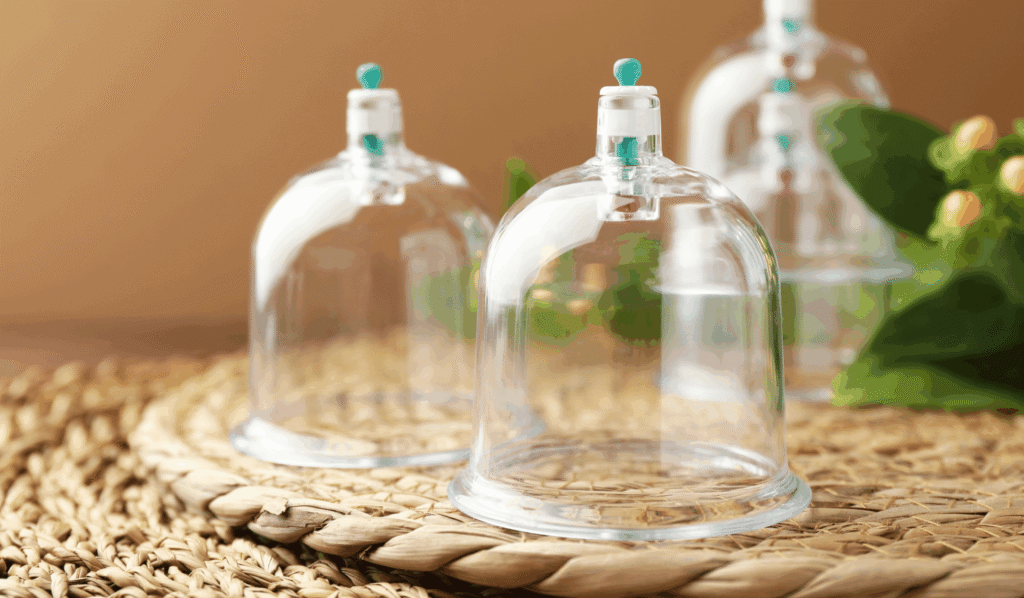
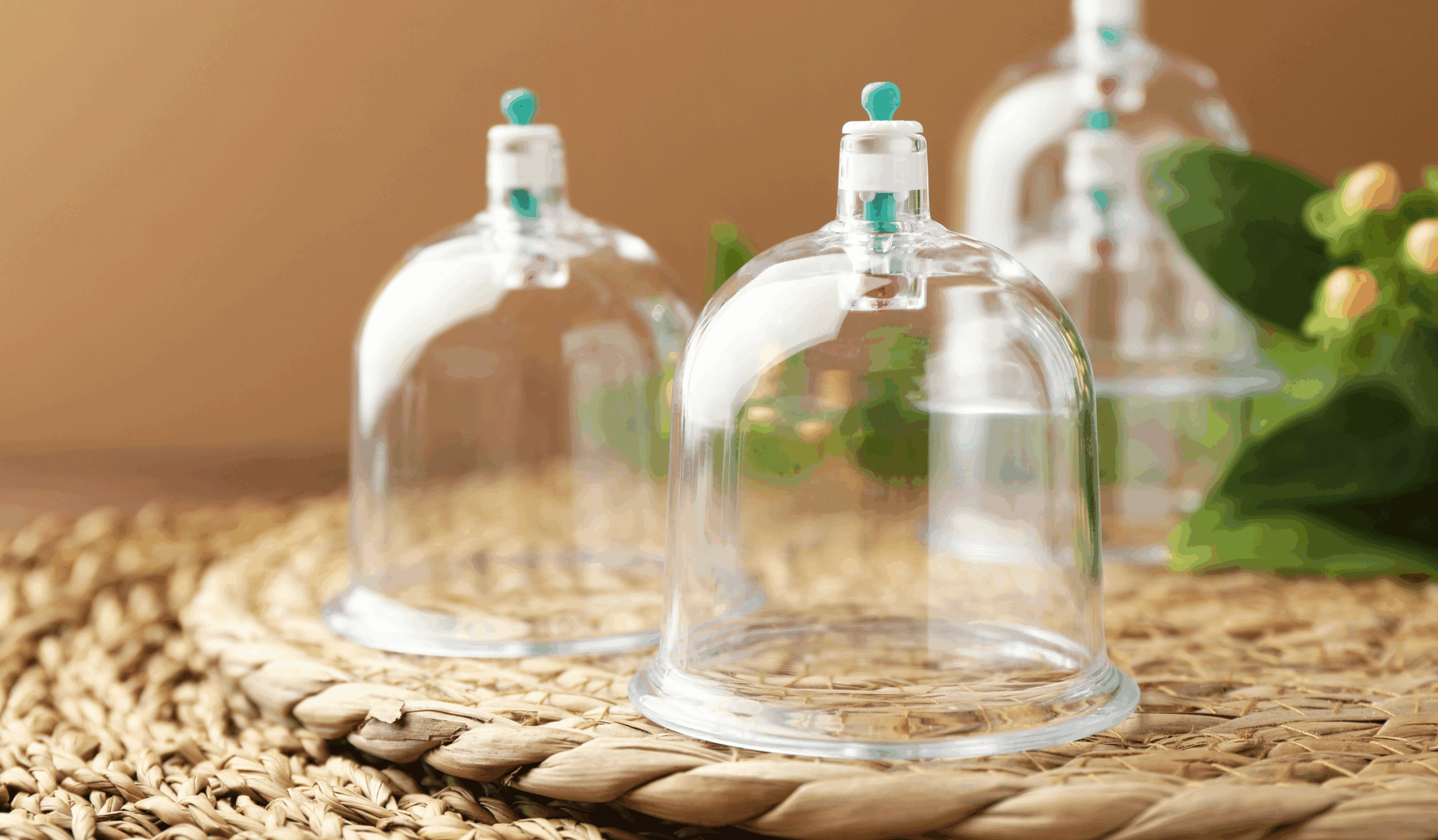
Post-cupping aftercare focuses on protecting the skin, supporting circulation, and allowing tissues to recover as cupping marks clear. The most important steps after cupping are to avoid heat, strenuous exercise, alcohol, and direct sunlight for the first 24 hours while increasing hydration and gentle movement. Cupping marks are not bruises and typically fade within 3 to 7 days as superficial capillaries heal and metabolic byproducts are cleared through the lymphatic system. Mild soreness, warmth, or fatigue are normal responses and reflect improved microcirculation and fascial release.
In practice, the best way to care for your body after a cupping therapy treatment is simple: stay well hydrated, get adequate rest, avoid heat and intense workouts for the first 24 hours, protect the treated areas from direct sunlight, and support circulation with light movement. Most cupping marks fade within 3 to 7 days, allowing your skin and underlying tissues to recover naturally.
Key Takeaways
- Most cupping marks fade within 3 to 7 days; darker marks may take longer.
- Hydration and light movement support lymphatic clearance and faster fading.
- Avoid heat, exercise, sun exposure, caffeine, and alcohol for the first 24 hours.
- Mild soreness, warmth, and fatigue are normal and self-limiting responses.
- Proper aftercare enhances circulation, recovery, and long-term therapeutic results.
What Happens to the Body After Cupping
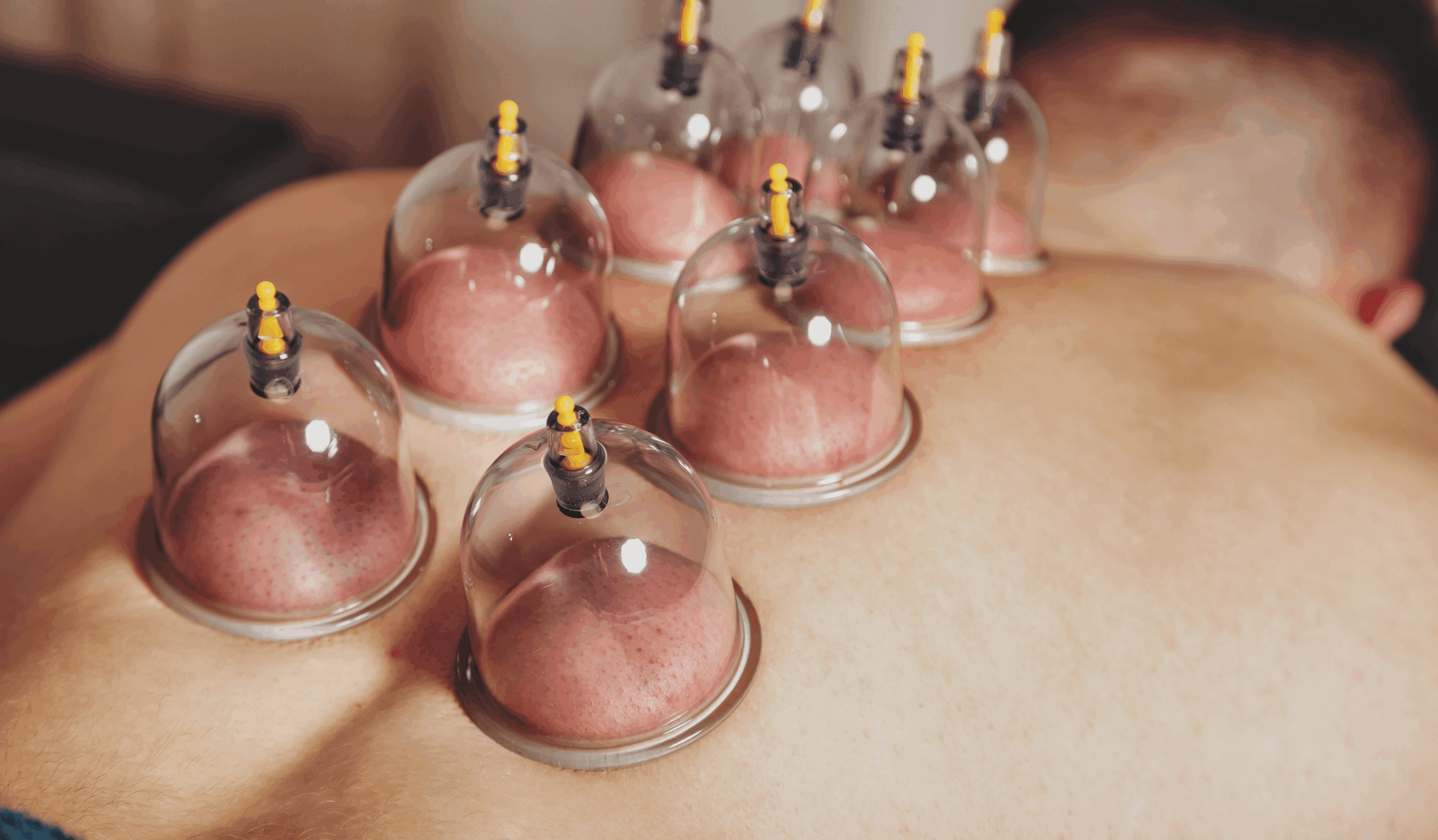
Cupping creates negative pressure that lifts the skin and superficial fascia, increases capillary blood flow, and stimulates lymphatic circulation. This decompression effect helps tissues release mechanical tension and metabolic byproducts that accumulate with overuse, postural strain, or chronic stress.
From a biomedical perspective, suction increases microcirculation within superficial capillaries and triggers a brief inflammatory response that improves tissue perfusion. This results in localized warmth, softening of tight fascia, and more efficient clearance of cellular waste through the lymphatic and venous systems. The temporary dark marks seen after treatment reflect pooled, oxygen-poor blood within dilated capillaries that the body gradually reabsorbs.
From a Traditional Chinese Medicine perspective, cupping disperses stagnation of Qi and Blood, opens the channels, and relieves constraint caused by Cold, Dampness, or patterns of deficiency. Releasing stagnation often produces a sense of lightness or relaxation, while restoring proper flow can feel energizing for some clients and calming for others.
These physiological and energetic processes continue to unfold for 24 to 72 hours after treatment, which is why aftercare influences how efficiently the body clears waste products, how quickly marks fade, and how well therapeutic benefits are integrated.
What to Expect After Cupping (Timeline Breakdown)
0 to 4 Hours — Circulation and Nervous System Shift
Warmth, looseness, mild soreness, or light sleepiness are common as microcirculation increases and the parasympathetic nervous system becomes more dominant. Some people feel relaxed or ready to rest, while others experience a subtle energy lift as tension releases.
24 to 72 Hours — Tissue Remodeling and Mark Development
Cupping marks may darken slightly before they fade as the body reabsorbs pooled, oxygen-poor blood and clears metabolic byproducts through the lymphatic and venous systems. Mild muscle soreness may resemble post-exercise soreness and typically resolves without intervention. Fatigue can occur during this window as stagnation clears and circulation normalizes.
3 to 7 Days — Mark Fading and Lymphatic Recovery
Most marks fade within this period as capillary dilation resolves and lymphatic clearance stabilizes. Darker marks may require up to 10 days depending on circulation, chronic tension, and individual stagnation patterns.
What Sensations Mean (Clinically Relevant)
- Warmth: increased microcirculation and vasodilation
- Soreness: fascial decompression and inflammatory signaling
- Fatigue or sleepiness: parasympathetic shift and metabolic clearance
- Temporary tension relief: reduced mechanical loading on fascia and musculature
Normal vs Non-Normal Responses
Normal and self-limiting:
- Warmth
- mild sorenes
- fatigue / sleepiness
- transient itchiness
- darkening of marks before fading
These typically resolve as circulation and lymphatic flow rebalance.
Monitor and contact a practitioner if:
- marks persist longer than 14 days
- pain worsens instead of improving
- spreading redness or heat develops
- blisters enlarge or do not dry
- symptoms interfere with daily function
Complementary Therapies
Cupping is even more effective when combined with other therapeutic methods, including:
- Acupuncture
- Chinese herbal medicine
- Gua sha
- Tuina massage
- Guided stretching programs
Our acupuncturists personalize these combinations based on your TCM pattern and individual wellness goals, ensuring each session supports your long-term health and mobility.
Healing Timeline of Cupping Marks and What the Colors Mean
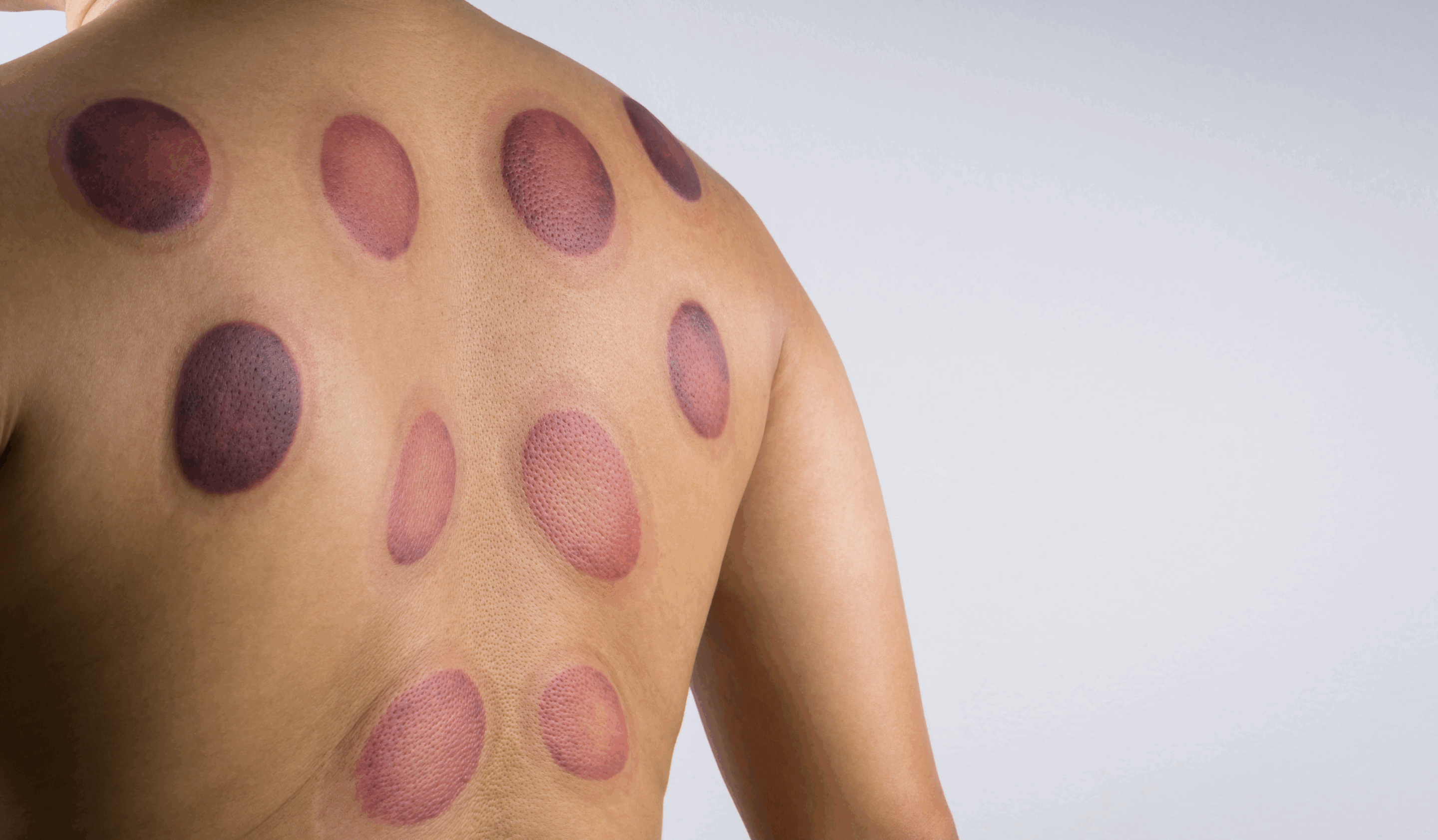
Cupping marks form when negative pressure dilates superficial capillaries and draws oxygen-poor blood toward the surface. Unlike bruises, which result from blunt trauma and tissue damage, cupping marks are a sign of circulatory change and stagnation clearance. Their color and duration reflect microvascular response, lymphatic efficiency, and the severity of underlying stagnation.
Color Classification and Interpretation
- Light Pink — mild tension or minimal stagnation; fades in 1–3 days
- Red — moderate stagnation with strong circulation; fades in 3–5 days
- Purple or Dark Violet — chronic stagnation or longstanding tension; fades in 5–7+ days
- Brown → Yellow → Greenish — normal heme breakdown into bilirubin and biliverdin during resolution
- Petechiae (small red dots) — superficial capillary release or sensitive fascia; clears quickly
Why Marks Appear Darker in Some Clients
Darker marks may reflect chronic stagnation, slower microcirculation, or higher suction levels. Phototype, vascular health, metabolic rate, and training load can also influence coloration and resolution speed.
When Marks Last Longer Than Expected
Most cupping marks fade within 3 to 7 days as circulation and lymphatic clearance normalize. Persistence beyond 10 to 14 days may reflect slower microcirculation, reduced lymphatic drainage, iron metabolism factors, or medication use such as anticoagulants. Darker areas may also indicate longer-standing stagnation that takes additional time to clear. Monitoring changes over the first week is the best way to gauge how efficiently the body is resolving marks.
What to Avoid After Cupping
The skin and superficial capillaries remain sensitive for several days after cupping. Avoiding certain activities prevents irritation, pigmentation, and delayed mark clearance.
First 24 Hours — Protect Capillaries and Skin Barrier
Avoid:
- hot showers, baths, saunas, steam rooms
- strenuous workouts or heavy lifting
- direct sun exposure
- alcohol or caffeine
- cold plunges or ice therapy
- tight or abrasive clothing
Rationale:
- heat increases vasodilation and can prolong marks
- sweat creates friction that irritates cupped tissue
- UV exposure increases pigmentation risk on dilated capillaries
- alcohol causes vasodilation + dehydration; caffeine causes vasoconstriction + diuresis
- cold immersion constricts vessels before lymphatic clearance can occur
- tight fabrics increase mechanical irritation
Within 48 Hours — Maintain Clean, Low-Irritation Environment
Avoid:
- swimming pools, hot tubs, and lakes
- deep stretching, inversions, or contortion
- scrubs, loofahs, or chemical exfoliants
Rationale:
- water exposure increases infection risk due to microbiome disruption
- aggressive stretching stresses recovering fascia
- exfoliants irritate sensitized skin
Within 72 Hours — Support Gentle Recovery
Avoid:
- deep tissue massage over cupped regions
- compression garments or restrictive fabrics
Common Side Effects and How to Manage Them
Most post-cupping responses are mild, temporary, and reflect normal circulatory, neurological, or lymphatic adjustments as the body clears pooled blood and restores fascial mobility.
- Mild soreness may occur as fascial layers decompress and brief inflammatory signaling increases microcirculation. This typically feels similar to post-exercise soreness and improves with gentle mobility, hydration, and warm compresses after the first 24–48 hours.
- Skin sensitivity can result from capillary dilation and temporary nerve signaling changes at the surface of the skin. Lukewarm showers and gentle moisturizers are helpful, and abrasive fabrics or exfoliants should be avoided until marks fade.
- Fatigue or sleepiness is common due to a parasympathetic nervous system shift and metabolic clearance during the first 24–72 hours. Rest, hydration, and nutrient-dense meals generally improve recovery.
- Itchiness may emerge as capillaries repair and superficial tissues remodel. Natural oils can soothe the skin while scratching should be avoided to prevent irritation or prolonged discoloration.
- Blisters are rare and typically occur when suction is strong or when the skin barrier is fragile. Blisters should be kept dry and never popped; monitor for increasing redness or heat.
What Kind of Cupping Did You Receive? (And Why That Matters for Aftercare)
Different cupping techniques create different sensations, levels of suction, and types of marks. Understanding the method used during your session helps explain how your body responds afterward and how long recovery may take.
Dry Cupping
Dry cupping uses steady suction to lift fascia and stimulate circulation. This technique often produces round marks that fade in several days and is commonly used for muscle recovery, stiffness, or areas that feel heavy or stagnant.
Fire Cupping
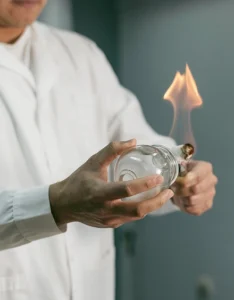
Fire cupping creates rapid suction using heat, producing a stronger warming effect and deeper movement of Qi and Blood. Because it works on deeper stagnation, marks can appear darker and soreness may last slightly longer before fading.
Sliding Cupping
Sliding cupping glides cups across oiled skin to release myofascial adhesions and improve mobility. This method may leave streak-like redness rather than circular marks and often leads to looseness in the back and legs within hours of treatment.
Flash Cupping
Flash cupping involves quick, repeated cup placements to boost superficial circulation without leaving pronounced marks. It is often used when clients prefer lighter stimulation or minimal discoloration while still benefiting from increased blood flow.
Together, these methods decompress tight tissues, increase microcirculation, and open areas of stagnation. These changes continue for 24–72 hours after treatment, which is why post-cupping aftercare plays an important role in how quickly marks fade, how soreness resolves, and how fully the body integrates therapeutic benefits.
How to Support Recovery for Best Results
Recovery reflects how efficiently the body clears pooled blood and metabolic byproducts while restoring fascial mobility.
- Light Mobility – Walking and gentle stretching enhance microcirculation and lymphatic flow without stressing cupped tissues.
- Hydration Strategy – Consistent hydration supports lymphatic clearance and prevents metabolic waste accumulation.
- Topical Support – Arnica gel, magnesium lotion, or gentle oils may soothe the skin and support microvascular recovery. Avoid scrubbing or exfoliation until marks resolve.
- Heat Therapy (After 48 Hours) – Gentle heat increases perfusion once tenderness subsides. Avoid heat within the first 24 hours when capillaries are most dilated.
- Lymphatic Techniques (Optional)
-
- light lymphatic massage (directional toward drainage nodes)
- diaphragmatic breathing
- contrast hydrotherapy (warm → cool)
These can be helpful for clients with slower circulation or darker marks.
How Often to Get Cupping for Best Results
Optimal frequency depends on symptom severity, chronicity, and recovery goals:
- acute pain or recent strain: every 5–7 days
- chronic tension or postural patterns: every 1–2 weeks
- athletic recovery: weekly during training blocks
- general wellness or stress relief: every 3–4 weeks
Adjustment factors include how long relief lasts, how fast marks clear, and individual circulation patterns.
When to Avoid Cupping or Seek Medical Advice
Avoid or Modify Cupping in Clients With:
- active skin infections or open wounds
- varicose veins over treatment areas
- bleeding disorders or severe anemia
- Immunosuppression
- dermatologic conditions affecting skin integrity
- diabetes with impaired wound healing
- current fever or systemic infection
Medication Considerations – Anticoagulant and antiplatelet medications may increase mark severity and require lighter suction or alternative therapies.
Pregnancy Considerations – Avoid cupping on the abdomen and lower back during pregnancy. Other regions may be considered depending on trimester and individual presentation.
Long-Term Wellness Benefits
Cupping can offer benefits beyond short-term tension relief when paired with proper aftercare and performed regularly. Many clients notice reduced muscle stiffness, improved range of motion, faster athletic recovery, enhanced lymphatic drainage, and lower stress levels over time. These improvements often translate into more efficient movement patterns, better postural comfort, and less chronic pain as circulation, tissue mobility, and nervous system regulation become more balanced. While cupping delivers immediate circulatory and fascial decompression, its longer-term impact emerges when it is integrated into a broader wellness or pain-management plan.
Frequently Asked Questions
How long do cupping marks last?
Most cupping marks fade within 3 to 7 days as circulation and lymphatic clearance normalize. Darker marks may take up to 10 days to resolve when deeper stagnation or chronic tension is present. The discoloration passes through color shifts as the body breaks down hemoglobin byproducts. Marks lasting longer than 14 days should be evaluated to rule out slower circulation, medication effects, or dermatologic sensitivity.
Can I shower after cupping?
Hot showers should be avoided for 24 hours because heat and steam increase skin sensitivity and may prolong marks. If you need to bathe sooner, a brief lukewarm shower after 4 to 6 hours is generally acceptable. Avoid scrubbing, exfoliating, or applying strong water pressure to the cupped areas. After the 24-hour mark, you may resume normal bathing unless tenderness persists.
Can I work out after cupping?
Intense exercise, heavy lifting, and high-heat activities should be avoided for at least 24 hours. Sweat, friction, and increased circulation can prolong sensitivity and slow down mark resolution. Light movement such as walking or gentle stretching is beneficial and may even assist recovery. Resume full training once soreness decreases and skin sensitivity returns to baseline.
Is itching normal as marks heal?
Mild, localized itchiness is common and reflects natural tissue remodeling and capillary repair during the healing phase. The sensation tends to appear as the marks lighten and circulation improves. Avoid scratching, exfoliating, or applying friction to prevent irritation. Itching that becomes widespread, persistent, or intense may indicate skin sensitivity or irritation and should be monitored.
Can I get cupping during my period?
Yes, cupping is generally safe during menstruation and may help relieve cramps by improving pelvic and lower back circulation. Some individuals notice reduced tension and improved mood as stagnation clears. Those who feel fatigued during their cycle may prefer gentler techniques. If menstrual bleeding is unusually heavy, lighter treatments or non-abdominal areas are typically more comfortable.
Can I get cupping if I’m on medication?
Most medications are compatible with cupping, but certain drugs, especially blood thinners, may lead to darker or longer-lasting marks. Medications that affect circulation, skin integrity, or wound healing can also influence how the body responds. In these cases, lighter suction or shorter treatment durations are often more suitable. Always share medication use prior to treatment so adjustments can be made for comfort and safety.
Is cupping safe for athletes?
Yes, cupping is widely used by athletes for muscle recovery, fascial mobility, and performance maintenance. It helps reduce soreness, improve range of motion, and break up adhesions from repetitive training. Many athletes incorporate cupping into their recovery block before competitions or during off-season cycles. Treatment frequency can be customized based on workload, sport type, and recovery goals.
Are cupping marks bruises?
No, cupping marks are not bruises because they do not result from blunt-force trauma. Marks develop through negative pressure that dilates capillaries and lifts stagnation toward the surface. This process improves circulation and clears metabolic byproducts without damaging underlying tissue. The marks resolve naturally as the body metabolizes pooled blood.
Can cupping detox the body?
Cupping does not detox the body in the medical sense, but it supports natural clearance pathways by improving microcirculation and lymphatic flow. Clients often feel lighter, less tense, or more energized afterward due to reduced stagnation. It can complement other therapies focused on metabolic health. However, it should not replace medically supervised detoxification where clinically indicated.
Supporting Your Healing Journey at ACA
Post cupping aftercare is an important part of your healing process. When you give your body the rest, hydration, and protection it needs, every session becomes more effective and more rewarding. At ACA Acupuncture and Wellness, our acupuncturists personalize each cupping treatment based on your condition, your TCM pattern, and your recovery goals so you receive the safest and most therapeutic experience possible.
We also offer complementary therapies that support your healing journey, including acupuncture, moxibustion, ear seeding, reflexology, tuina, and sessions in our thermal therapy room. These services work together to enhance circulation, release tension, and restore balance throughout the body.
If you have questions after your session or want guidance on the best treatment plan for your needs, our team is here to help you move toward stronger circulation, reduced tension, and lasting wellness.
Sources:
Hou, X., Wang, X., Griffin, L., Liao, F., Peters, J., & Jan, Y.-K. (2021). Immediate and delayed effects of cupping therapy on reducing neuromuscular fatigue. Journal of Exercise Science & Fitness, 19(4), 239–245.
Wang, X., Zhang, X., Elliott, J., Liao, F., Tao, J., & Jan, Y.-K. (2021). Effect of pressures and durations of cupping therapy on skin blood flow responses. Medical Acupuncture, 33(1), 36–43.

Cart (0)
Your cart is currently empty.
Cart (0)
Your cart is currently empty.