

Restoring Your Body’s Energy: How to Recognize and Treat Qi Deficiency

Fatigue that doesn’t lift after rest, shortness of breath during light activity, or a mind clouded by brain fog—these patterns may point to a deeper imbalance. In Traditional Chinese Medicine (TCM), they’re often recognized as signs of Qi deficiency, a condition that arises when the body’s vital energy becomes depleted. Qi fuels movement, metabolism, digestion, immunity, and mental focus. When it’s low, the body struggles to function smoothly. Though not a diagnosis in conventional medicine, Qi deficiency closely mirrors chronic fatigue, adrenal burnout, and immune system suppression.
Low Qi doesn’t just affect physical strength; it influences mood, motivation, and even how resilient the body feels day to day. Lifestyle factors like poor diet, emotional stress, overwork, and lack of restorative practices are common contributors. Identifying this pattern early creates the opportunity to intervene with Traditional Chinese Medicine techniques such as acupuncture, herbal therapy, food energetics, and gentle movement practices. Understanding how Qi flows—and what disrupts that flow—is key to long-term energy restoration.
Key Takeaways
- Qi deficiency is a core concept in Traditional Chinese Medicine and often presents as persistent fatigue, brain fog, low motivation, and weak digestion. It reflects a deeper imbalance in the body’s vital energy that fuels daily function.
- Lifestyle factors such as overwork, emotional stress, poor digestion, and irregular sleep are major contributors to Qi depletion. Long-term strain without recovery gradually weakens the body’s internal reserves.
- Restoring Qi involves personalized therapies like acupuncture, herbal formulas, and energy-supportive techniques. Treatments focus on rebuilding vitality at the root level rather than masking symptoms.
- Diet plays a crucial role in replenishing Qi with warm, cooked, nutrient-dense foods. Meals that include whole grains, root vegetables, bone broth, and gentle spices support digestion and energy transformation.
- Gentle movement practices like Qi Gong and mindful breathing help circulate energy without strain. These consistent, low-intensity habits build internal awareness and strengthen the body’s ability to heal over time.
What is Qi Deficiency
Qi deficiency refers to a condition in TCM where the body lacks adequate life force to maintain normal function. Qi, often described as the body’s circulating energy, governs processes like digestion, respiration, circulation, and even mental clarity. When Qi becomes weakened or depleted, symptoms such as persistent tiredness, poor appetite, weakened immunity, and difficulty concentrating often arise. While subtle at first, these signs can gradually impact multiple organ systems.
Several types of Qi exist within the body, each associated with a specific organ. Spleen Qi is tied to digestion and nutrient absorption, Lung Qi governs breath and defense against external pathogens, and Kidney Qi relates to growth, reproduction, and long-term vitality. A deficiency in any of these systems can present distinct but overlapping symptoms. For example, Spleen Qi deficiency may involve bloating or loose stools, while Lung Qi deficiency often brings shallow breathing or frequent colds.
Qi deficiency is assessed holistically by examining the body’s appearance, voice, pulse, and tongue, as well as patterns in energy and emotional wellbeing. A lack of Qi is not viewed as a disease but rather as a sign that the body needs support. When left unaddressed, it can develop into more complex imbalances, including Yang deficiency or organ stagnation. Early awareness and targeted therapy help replenish Qi before the body enters deeper states of dysfunction.
Recognizing the Signs and Symptoms of Low Qi

Common Symptoms of Qi Deficiency
Persistent tiredness is one of the most reported symptoms. Individuals may feel drained even after sleeping well or find it difficult to get through the day without naps or stimulants. Physical endurance tends to decline, and tasks that were once manageable may now feel overwhelming.
Many also experience mental fog, low motivation, or a tendency to feel overwhelmed by minor challenges. In women, Qi deficiency can contribute to irregular menstrual cycles, light periods, or general fatigue around menstruation. When digestion is involved, signs like bloating, soft stools, and a heavy sensation in the body may appear after eating. Some of the most commonly reported symptoms include:
- Persistent tiredness even after adequate rest
- Cold hands and feet
- Shortness of breath or shallow breathing
- Weak voice or frequent sighing
- Poor appetite and digestive discomfort
- Brain fog and difficulty focusing
Emotionally, Qi deficiency may feel like a lack of internal drive or willpower. Some describe it as being stuck in low gear, unable to shift into action despite having goals or intentions. This lack of internal momentum is often mistaken for laziness or depression, when in fact it stems from a deeper energetic depletion that requires nourishment rather than force.
Common Causes of Qi Deficiency

Lifestyle Factors That Deplete Qi
One of the most common causes is overwork—both physical and mental. Excessive multitasking, extended work hours, and emotional labor without recovery all place demands on the body’s energy reserves. Without time to replenish, Qi becomes slowly drained.
Digestive health plays a major role as well. In TCM, the Spleen and Stomach are seen as the root of postnatal Qi—meaning the energy we produce from food and drink. Eating cold or processed foods, skipping meals, or eating while stressed can weaken these organs, leading to poor absorption and low energy. Chronic dieting or undereating also contribute to depletion.
Emotional strain, especially when prolonged, impacts energy circulation. Worry and overthinking are particularly draining to the Spleen, while grief affects the Lungs and fear weakens the Kidneys. Additional common contributors to Qi deficiency include:
- Frequent illness or slow recovery from infections
- Long-term use of medications that impact digestion or immunity
- Exposure to pollutants and environmental toxins
- Irregular sleep schedules or consistently poor-quality sleep
- Skipping proper rest after emotional or physical stress
Other Types of Qi Deficiency
In Traditional Chinese Medicine, identifying which type of Qi is deficient helps tailor treatment and restore the body’s balance more effectively. While Spleen, Lung, and Kidney Qi are the most commonly discussed, other systems such as Heart Qi and Liver Qi can also become weakened.
- Spleen Qi Deficiency: Often tied to digestion and nutrient absorption. Symptoms include fatigue after eating, bloating, loose stools, and a feeling of heaviness in the limbs.
- Lung Qi Deficiency: Affects respiration and immune defense. Common signs are shortness of breath, weak voice, frequent colds, and spontaneous sweating.
- Kidney Qi Deficiency: Impacts long-term vitality, reproduction, and growth. People may experience low back pain, frequent urination, tinnitus, or reduced libido.
- Heart Qi Deficiency: May present as palpitations, anxiety, poor memory, and fatigue that worsens with mental effort.
- Liver Qi Deficiency (less common): Can lead to emotional instability, menstrual irregularities, and feelings of stagnation or frustration.
Recognizing which type of Qi is affected provides clarity for both diagnosis and treatment. Most individuals show a mix of these patterns, especially if the condition has been present for a long time.
How Traditional Chinese Medicine Supports Qi Restoration

Acupuncture, Herbal Medicine, and Energy Support
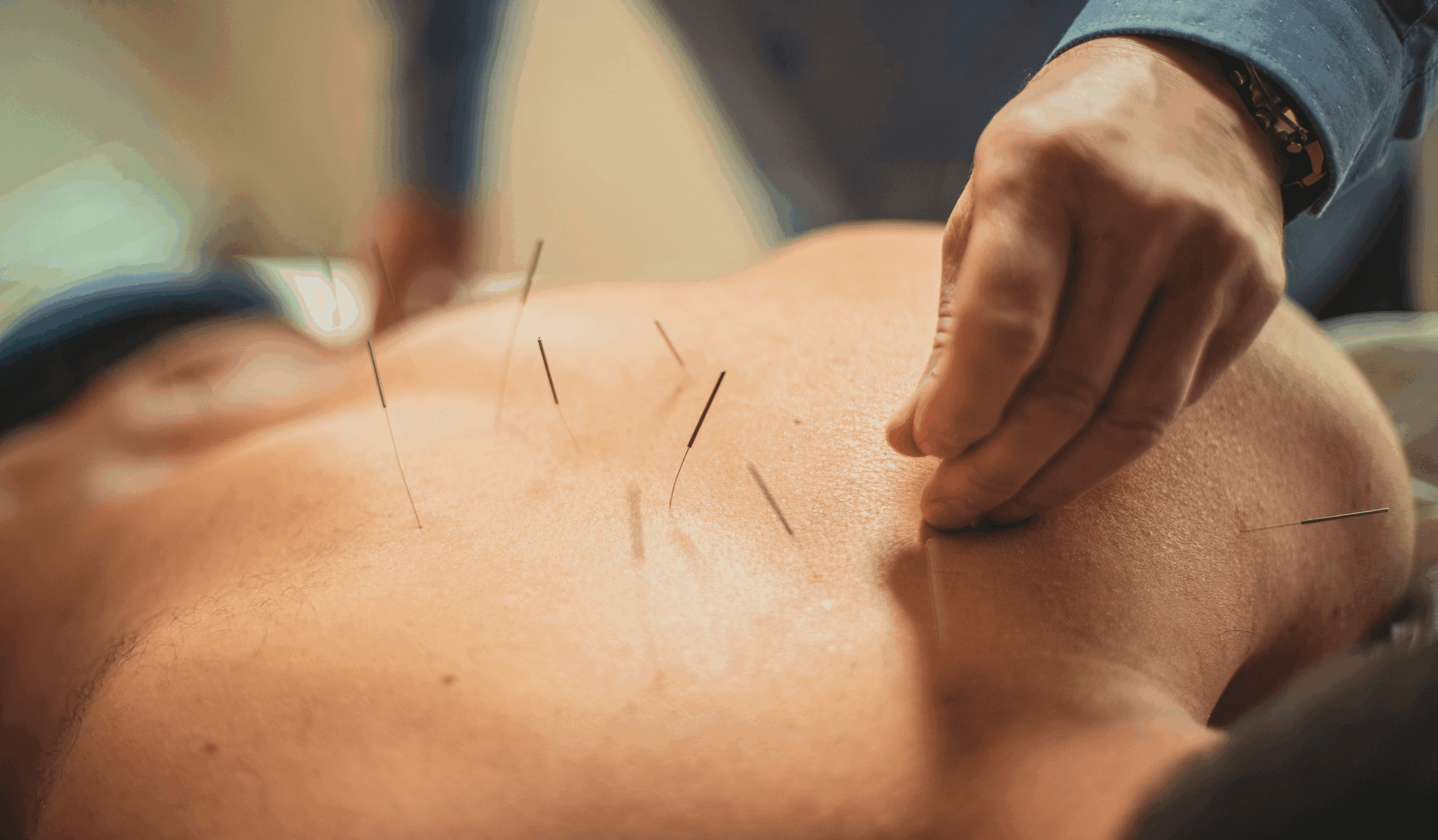
Traditional Chinese Medicine doesn’t treat Qi deficiency with a one-size-fits-all solution. It begins with identifying which type of Qi is depleted and tailoring therapies to support the affected systems. Acupuncture is commonly used to stimulate key meridian points that boost energy, regulate organ function, and improve circulation. Specific points are selected based on the individual’s pattern, such as ST36 (Zusanli) for Spleen Qi or LU9 (Taiyuan) for Lung Qi.
Chinese herbal medicine plays a central role in rebuilding energy reserves. Formulas like Si Jun Zi Tang (Four Gentlemen Decoction) or Bu Zhong Yi Qi Tang (Tonify the Middle and Augment the Qi) are frequently used to strengthen digestion, nourish the Spleen, and raise the body’s baseline vitality. These formulas may be modified depending on coexisting patterns like cold, dampness, or stagnation.
Other therapies may include moxibustion, a warming technique that stimulates Qi flow using heat from dried mugwort, or gentle bodywork like Tui Na to release tension and support circulation. Each method aims to restore the body’s internal balance rather than force quick energy. Treatment is typically progressive, building Qi gradually over weeks or months for lasting resilience.
Energy Deposits vs. Energy Withdrawals
Understanding what supports or drains your Qi is essential for long-term balance. These common lifestyle factors can either replenish your body’s energy or lead to deeper depletion:
Energy Deposits (Support Qi):
- Eating proper, nutrient-rich meals
- Maintaining strong and healthy digestion
- Practicing deep, slow breathing
- Getting adequate, restorative sleep
- Engaging in moderate, balanced work
- Moving your body through moderate, gentle exercise
Energy Withdrawals (Drain Qi):
- Consuming poor or processed nutrition
- Experiencing weak or sluggish digestion
- Breathing in short, shallow patterns
- Sleeping poorly or not getting enough rest
- Overworking without recovery
- Over-exercising or pushing the body beyond its capacity
Each of these habits influences the body’s Qi on a daily basis. By increasing energy deposits and minimizing withdrawals, you create a stronger foundation for healing and resilience.
Dietary Therapy to Nourish Qi Naturally
Qi-Building Foods and Eating Habits
Food is considered one of the most direct ways to rebuild Qi. In TCM, the Spleen thrives on warm, cooked meals that are easy to digest. Congees, stews, and stir-fried vegetables are favored over raw salads or cold drinks, which can weaken the digestive fire. Regular meals, eaten calmly and without distraction, allow the body to absorb nutrients more effectively.
Qi-tonifying foods include root vegetables like sweet potato and carrot, whole grains like rice and oats, and legumes such as lentils and adzuki beans. Moderate amounts of animal protein, particularly bone broth, chicken, and beef, are considered beneficial for those with significant deficiency. Warming spices like ginger, cinnamon, and nutmeg can be added to support circulation and digestive warmth.
Overeating or consuming damp-producing foods—such as greasy meals, sugar, and dairy—can block Qi movement and lead to heaviness or fatigue. It’s not just about what to eat, but how food is prepared and timed throughout the day. Prioritizing seasonal, nourishing meals helps the body build energy consistently without overtaxing digestion.
Gentle Movement and Breathwork for Qi Circulation

Restorative Practices to Rebuild Energy
When Qi is weak, excessive physical exertion can lead to further depletion. Instead, TCM recommends gentle, rhythmic movement to activate energy flow without strain. Practices like Qi Gong, Tai Chi, or slow walking in nature are commonly used to harmonize breath, posture, and intention. These exercises not only build energy but also help circulate it throughout the meridians.
Breathing practices are especially important in strengthening Lung Qi and regulating the nervous system. Simple techniques such as abdominal breathing or humming breath can increase oxygen intake, calm the mind, and support energy production. When paired with mindful movement, breathwork becomes a tool for grounding, centering, and restoring Qi flow in daily life.
Consistency is key—ten to fifteen minutes a day of slow, intentional movement is often more beneficial than sporadic, high-intensity workouts. Over time, these practices teach the body to conserve energy, improve posture, and build internal awareness, which are essential in long-term recovery from Qi deficiency.
When to Seek Support and What to Expect
Personalized Care for Long-Term Balance
Recognizing that your body may be Qi deficient is an important first step. If symptoms persist or begin interfering with daily life, seeking support from a licensed Traditional Chinese Medicine professional can provide clarity and direction. Diagnosis typically involves tongue and pulse reading, symptom patterns, lifestyle assessment, and identifying underlying causes.
Treatment is highly individualized. Depending on the person’s constitution and severity of deficiency, a plan may involve weekly acupuncture sessions, customized herbal formulas, and guidance on food, sleep, and stress. Some individuals see noticeable improvements in a few sessions, while others benefit from ongoing support to rebuild deeply depleted reserves.
At ACA Acupuncture and Wellness, we take time to understand your unique needs and patterns of imbalance. Our licensed practitioners offer thoughtful, compassionate care—combining traditional methods with modern insight to create a plan that fits your lifestyle and long-term goals.
Patience is an essential part of the healing process. Rather than chasing quick fixes, treating Qi deficiency invites the body into a state of nourishment, rest, and restoration. Over time, this approach helps the body rebuild its own momentum, leading to better energy, improved immunity, and a renewed sense of balance and vitality.
Restoring Energy Through Holistic Care
Low Qi doesn’t have to become a permanent state. With the right tools and awareness, energy can be replenished and the body supported toward better health. At ACA Acupuncture and Wellness, our licensed practitioners use a combination of acupuncture, herbal medicine, and dietary therapy to address the root of Qi deficiency. Each treatment is personalized to support not just the symptoms but the whole system, helping clients feel stronger, clearer, and more aligned with their natural rhythm.
If you’ve been feeling consistently tired, mentally foggy, or emotionally flat, you don’t have to push through it alone. Our team is here to help you restore your energy, improve your wellbeing, and create lasting balance from within. Reach out to schedule a consultation and begin your path to deeper vitality today.
Sources:
ScienceDirect. (n.d.). Qi deficiency – an overview. ScienceDirect Topics

Cart (0)
Your cart is currently empty.



Cart (0)
Your cart is currently empty.