San Fu Tie is a Traditional Chinese Medicine therapy that uses herbal patches applied to specific acupuncture points during the hottest days of summer to prevent and reduce winter illnesses. It works by strengthening Yang Qi, expelling internal Cold, and improving immune resilience before cold seasons arrive.
Key Takeaways
San Fu Tie is performed only during the Dog Days, the peak Yang period of the year
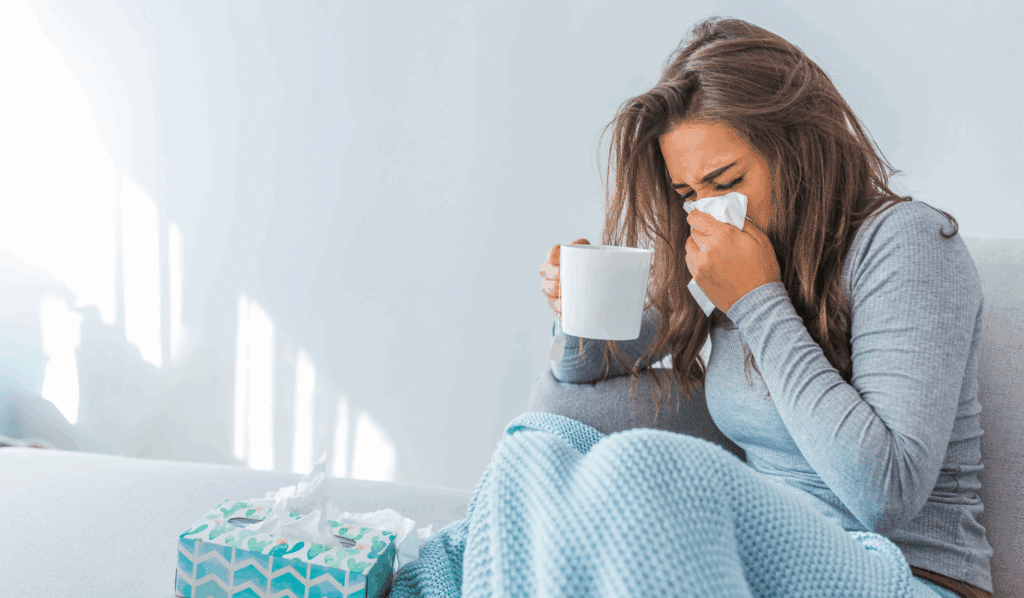
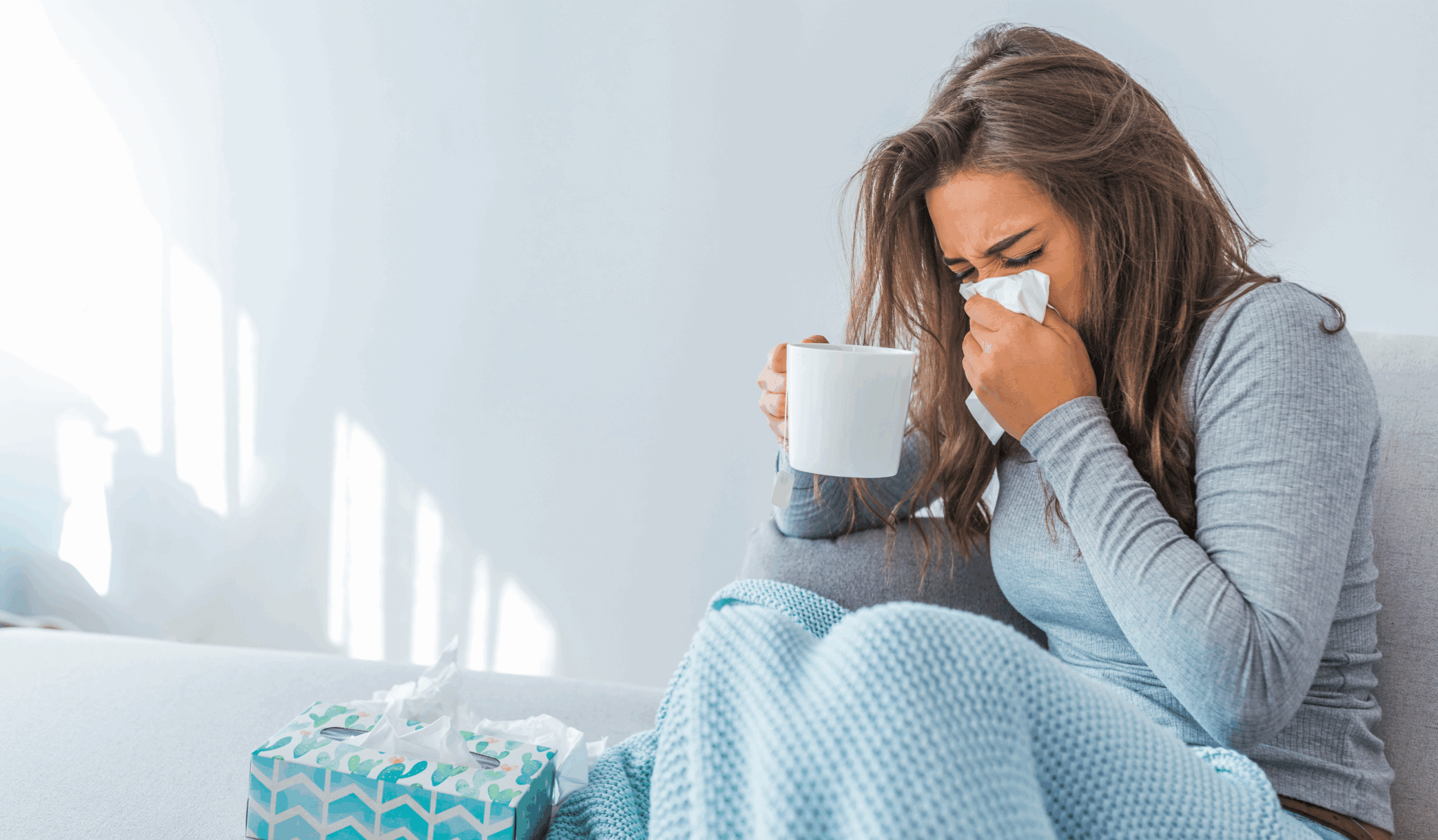
The therapy targets cold-pattern conditions like asthma, allergic rhinitis, and chronic bronchitis
Herbal patches stimulate acupuncture points to strengthen immunity and clear internal Cold
Timing is essential because summer heat allows deeper physiological access
Repeating San Fu Tie annually improves long-term prevention rather than short-term symptom relief
What Is San Fu Tie Therapy?
San Fu Tie, also called Sanfu acupoint herbal patching, is a seasonal preventive therapy that applies warming herbal patches to acupuncture points during the Dog Days of summer to treat cold-related diseases that worsen in winter.
San Fu Tie is rooted in a classical Traditional Chinese Medicine principle known as “treating winter disease in summer.” Rather than waiting for symptoms to flare in cold weather, this approach strengthens the body when environmental conditions are most supportive of healing.
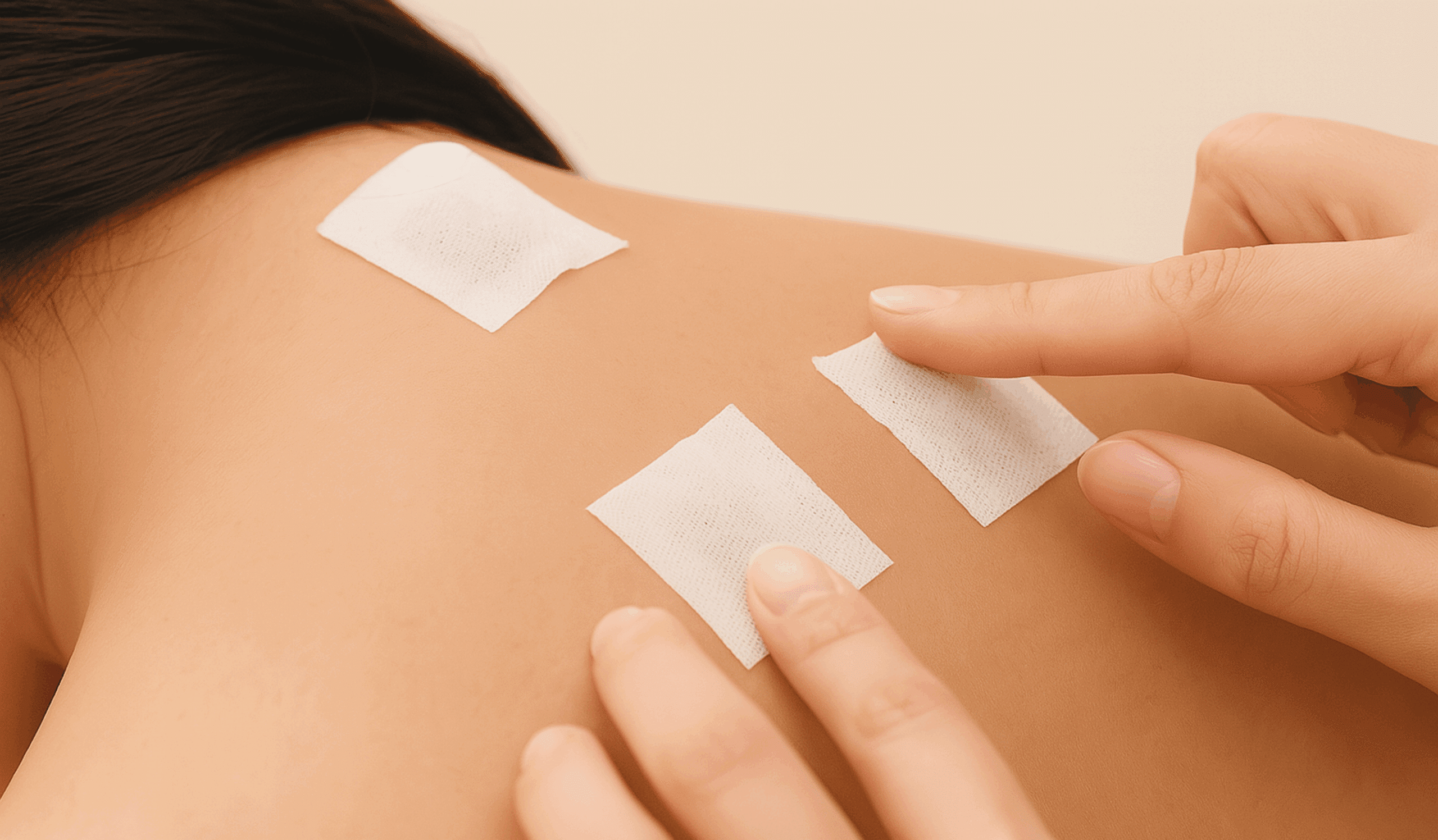
The therapy involves placing small herbal patches on specific acupuncture points, most commonly on the upper back and neck. These patches contain powdered warming herbs that stimulate circulation, support Yang Qi, and help expel Cold that has lodged deep within the body.
Unlike daily herbal medicine or acupuncture alone, San Fu Tie is strictly seasonal. Its effectiveness depends on precise timing during the Dog Days, when the body’s physiology mirrors the peak Yang energy of nature.
The Dog Days in Traditional Chinese Medicine
The Dog Days, known as Sanfu, are the hottest and most Yang-rich days of the year, occurring between mid-July and mid-August and calculated using the Chinese lunar calendar.
In Traditional Chinese Medicine, the environment directly influences internal physiology. During the Dog Days, external heat is at its strongest, causing the body’s pores to open and circulation to increase. This creates a unique therapeutic window where internal Cold and stagnation become more accessible.
Sanfu is divided into three distinct periods:
Initial Fu
Middle Fu
Final Fu
These periods are calculated using specific “Geng” days in the lunar calendar and typically span three ten-day phases. Middle Fu is considered the most potent stage, as Yang energy reaches its annual peak.
Treatments performed outside this window do not carry the same preventive power. This is why San Fu Tie cannot be replicated at other times of the year with equal effectiveness.
Why Treat Winter Illness in Summer?
Winter illnesses often originate from internal Cold and Yang deficiency that remain dormant until cold weather activates them. Summer treatment allows these patterns to be corrected before symptoms emerge.
Many chronic winter conditions are not caused by acute infection alone. In Traditional Chinese Medicine, they are viewed as recurring patterns rooted in:
Weak Lung Qi
Insufficient Yang energy
Accumulated Cold and Dampness
Cold environments constrict the body and trap these imbalances. Summer heat, by contrast, opens the system and allows deeper therapeutic penetration.
By treating the root pattern during summer, San Fu Tie reduces the intensity, frequency, and duration of winter flare-ups. This preventive logic distinguishes it from symptom-based seasonal treatments.
How San Fu Tie Works in the Body
San Fu Tie works by combining herbal stimulation with acupuncture point activation during peak Yang conditions to strengthen immunity and expel internal Cold.
The mechanism of San Fu Tie operates on several levels:
Acupuncture Point Stimulation
Patches are placed on points associated with the Lung system, immune defense, and Yang regulation. These points influence breathing, circulation, and resistance to external pathogens.
Herbal Warming Action
The herbs used are pungent and warming in nature. They promote circulation, stimulate surface release, and support Yang Qi. This helps drive Cold outward through the skin rather than allowing it to remain internal.
Immune Modulation
Modern studies suggest San Fu Tie has immunomodulatory effects, particularly in pediatric asthma and allergic rhinitis. While Traditional Chinese Medicine uses different terminology, both frameworks point to improved immune responsiveness.
Seasonal Synergy
The therapy succeeds because it aligns internal treatment with external conditions. The body does less work when nature provides the heat required for transformation.
Conditions San Fu Tie Is Commonly Used For
San Fu Tie is most effective for chronic, cold-pattern conditions that worsen during fall and winter.
Children and older adults often benefit due to their comparatively weaker defensive energy. For pediatric patients, San Fu Tie is frequently used as part of long-term asthma management rather than acute symptom control.
Who Is an Ideal Candidate for San Fu Tie?
San Fu Tie is best suited for individuals with cold-pattern constitutions whose symptoms worsen in cold or damp environments.
You may be a strong candidate if you:
Catch colds easily or recover slowly
Experience wheezing or congestion in winter
Feel cold easily, especially in hands and feet
Have chronic sinus or chest congestion
Notice fatigue that improves with warmth
San Fu Tie is not a universal treatment. It is specifically designed for Cold-dominant patterns. Individuals with signs of internal Heat require different seasonal strategies.
Who Should Avoid San Fu Tie
San Fu Tie should be avoided in individuals with Heat patterns, active infections, or compromised skin integrity.
Contraindications include:
Fever or acute illness
Active skin rashes, wounds, or infections
Symptoms of Yin deficiency such as night sweats or restlessness
A proper Traditional Chinese Medicine assessment is essential before beginning therapy to ensure constitutional suitability.
San Fu Tie vs Moxibustion and Other Summer Therapies
San Fu Tie offers a convenient alternative to moxibustion by delivering warming stimulation through herbal patches rather than direct heat.
Both therapies aim to strengthen Yang and expel Cold, but they differ in application:
Moxibustion uses burning herbs to warm acupuncture points
San Fu Tie uses topical herbal stimulation over extended periods
San Fu Tie is often preferred for children or individuals sensitive to smoke or heat. It is also easier to apply in clinical settings with consistent dosing.
San Fu Tie Treatment Schedule Explained
San Fu Tie is performed across three Dog Day sessions, with each stage supporting a different phase of immune strengthening.
Initial Fu: Prepares the body by activating Yang Qi and opening circulation.
Middle Fu: Delivers the strongest therapeutic impact. This session targets deeply rooted Cold patterns and is the most critical treatment.
Final Fu: Consolidates progress and stabilizes the immune system as the body transitions toward autumn.
Some practitioners recommend an additional booster session several days after the Final Fu for individuals with long-standing conditions.
Side Effects and Safety Considerations
Most San Fu Tie reactions are mild and temporary, reflecting increased circulation and surface release.
Common responses include:
Redness or warmth at the patch site
Mild itching or tingling
Occasional small blisters in sensitive individuals
These reactions are generally short-lived. Severe discomfort or prolonged irritation should be evaluated by a practitioner.
Maximizing Results from San Fu Tie Therapy
Lifestyle support enhances the effectiveness of San Fu Tie and protects the body’s progress into winter.
Best practices include:
Avoiding cold drinks and raw foods around treatment days
Keeping patch areas clean and dry after removal
Wearing breathable clothing to reduce irritation
Monitoring symptom changes across seasons
San Fu Tie works best when repeated annually. Its effects are cumulative, strengthening the body’s baseline resilience over time.
Why San Fu Tie Remains Relevant Today
San Fu Tie represents a preventive model of healthcare that modern medicine is increasingly revisiting. Instead of reacting to illness, it builds physiological preparedness.
By aligning treatment with seasonal biology, San Fu Tie addresses chronic conditions at their root. It offers a structured, time-tested approach to immune resilience that continues to be supported by both classical theory and modern clinical observation.
For individuals who experience predictable winter flare-ups, San Fu Tie provides a proactive alternative to yearly symptom management. When applied correctly and consistently, it transforms summer heat into a therapeutic asset rather than a burden.
FAQs
What are the ingredients in San Fu Tie?
San Fu Tie patches typically contain warming, pungent herbs such as white mustard seed, cinnamon bark, asarum, and ephedra, ground into a paste. These herbs are chosen for their ability to stimulate Yang Qi, promote circulation, and expel internal Cold. The exact formula and strength are adjusted based on individual constitution and practitioner assessment.
Does Chinese herbal medicine actually work?
Chinese herbal medicine works by correcting underlying functional imbalances rather than suppressing symptoms. Clinical studies and centuries of use support its effectiveness for chronic conditions, immune regulation, and preventive care when properly prescribed. Results depend on accurate diagnosis, correct formulas, and consistent use.
How often should I drink mullein tea for my lungs?
Mullein tea is commonly consumed one to three times daily for lung support during periods of congestion or irritation. It helps soothe respiratory tissues, loosen mucus, and support gentle expectoration. Long-term daily use should be discussed with a healthcare provider, especially if symptoms persist.
What does the saying “dog days” mean?
The term “dog days” refers to the hottest period of summer, traditionally associated with the rising of the Dog Star, Sirius. In Traditional Chinese Medicine, this period corresponds to peak Yang energy in nature. It is considered the most powerful time for treatments that strengthen Yang and expel Cold.
What does Chinese medicine say about winter?
Traditional Chinese Medicine views winter as a Yin-dominant season focused on storage, rest, and conservation of energy. The Kidneys and Yang reserves are especially vulnerable during this time. Failure to protect warmth and energy in winter can lead to illness or weakness in the following year.
What is the Chinese hot and cold food theory?
The Chinese hot and cold food theory classifies foods by their energetic effect on the body rather than temperature. Warming foods support Yang, circulation, and digestion, while cooling foods clear Heat and reduce inflammation. Eating according to season and constitution helps maintain internal balance and prevent disease.