

Top 5 Cupping Therapy Clinics in NYC for 2026
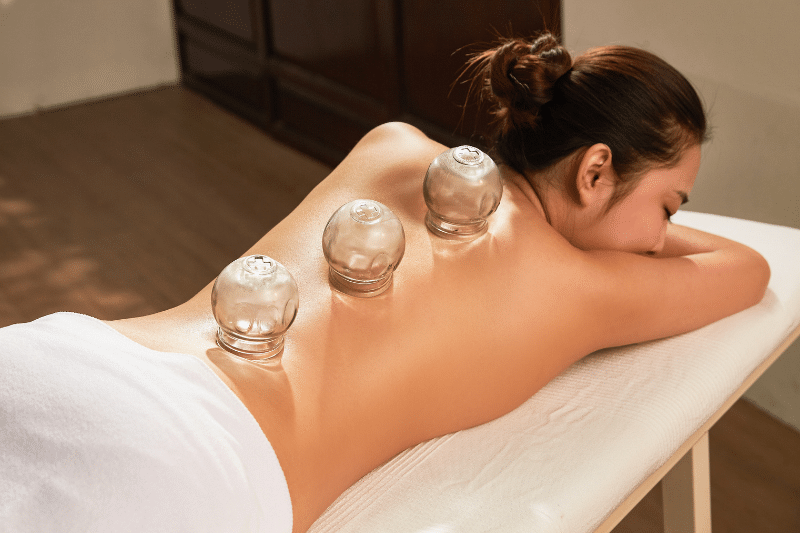
Cupping therapy continues to attract attention in New York City as more people look for hands-on wellness options that fit into busy, physically demanding lives. Often used within Traditional Chinese Medicine, cupping is commonly sought for muscle tightness, recovery support, circulation, and general tension relief. In a city where long desk hours, hard workouts, commuting, and daily stress can all take a physical toll, it makes sense that more people are exploring it as part of their wellness routine.
This guide highlights five cupping therapy clinics in NYC that clearly offer cupping as part of their treatment menu. Some take a more traditional approach, while others present cupping within a broader modern wellness setting. Either way, the goal is the same: helping readers find clinics that actually provide cupping therapy and make it easy to understand how it fits into care.
A Closer Look at Our Top 5 Cupping Therapy Clinics in NYC
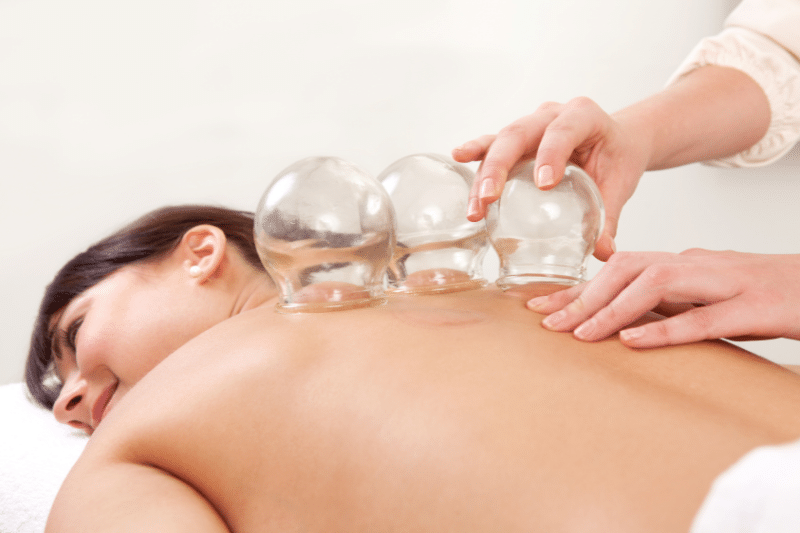
1. ACA Acupuncture & Wellness
About the Clinic
ACA Acupuncture & Wellness is a strong choice for readers specifically looking for cupping therapy in New York City because the clinic clearly presents it as one of its core services. With a broader Traditional Chinese Medicine approach, ACA frames cupping around concerns that are especially relevant to city life, including physical tension, recovery, stress, and muscular discomfort.
Services Offered
- Cupping therapy
- Acupuncture
- Chinese herbal medicine
- TuiNa massage
- Moxibustion
- Reflexology
- Physical therapy and rehabilitation support
- Ear seeding
2. Yinova Center
About the Clinic
Yinova Center is one of the better-known names in New York’s integrative wellness space. While many people know the clinic for fertility and women’s health support, it also includes cupping as part of its Traditional Chinese Medicine care. For readers who want a polished, established clinic that offers more than one treatment pathway, Yinova is a reasonable option to consider.
Services Offered
- Acupuncture
- Cupping therapy as part of Traditional Chinese Medicine care
- Chinese herbal medicine
- Fertility and reproductive support
- Prenatal and postpartum care
- Facial acupuncture
- Pediatric acupuncture
- Integrative wellness planning
3. Brooklyn Acupuncture Project
About the Clinic
Brooklyn Acupuncture Project stands out for its accessible, community-based model in Park Slope. It is a good fit for readers who want a less formal, more approachable wellness setting while still choosing a clinic that clearly offers cupping therapy. The clinic’s bodywork offerings make it especially relevant for people interested in hands-on recovery and tension relief.
Services Offered
- Community acupuncture
- Private acupuncture sessions
- Standalone cupping therapy
- Chinese herbal consultations
- Gua Sha and bodywork support
- Reiki
- Wellness support rooted in Traditional Chinese Medicine
4. Harlem Chi Community Acupuncture
About the Clinic
Harlem Chi Community Acupuncture emphasizes accessible, community-focused care grounded in Traditional Chinese Medicine. It is a strong fit for this roundup because cupping is clearly listed among its services rather than being vaguely implied. For readers looking for a practice that combines a community-oriented feel with traditional therapies, it is worth considering.
Services Offered
- Acupuncture
- Cupping therapy
- Moxibustion
- Chinese herbal medicine
- Nutritional counseling
- Stress management and preventive wellness support
- Community-oriented holistic care
5. WTHN
About the Clinic
WTHN presents cupping as one of its core studio services and offers a more modern wellness brand experience than some traditional clinics. With locations in Manhattan and Brooklyn, it may appeal to readers who want cupping therapy in a clean, contemporary setting while still receiving care connected to licensed acupuncture and Traditional Chinese Medicine services.
Services Offered
- Cupping therapy
- Acupuncture
- Facial acupuncture
- Ear seeding
- Herbal support
- Wellness treatments guided by licensed acupuncturists
Why People in NYC Seek Cupping Therapy
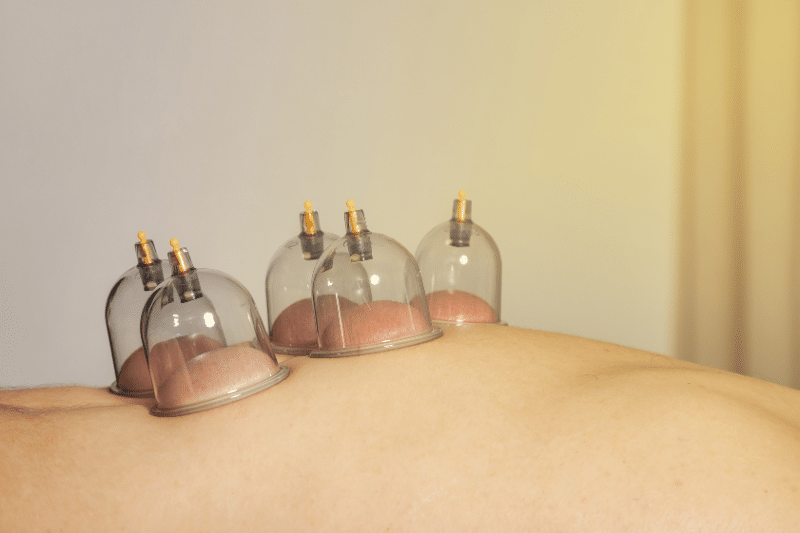
Cupping therapy is often associated with athletes, but in New York City, the appeal goes far beyond sports recovery. Many people seek it because physical tension can easily become part of everyday life. Long hours at a desk, demanding schedules, long commutes, repetitive workouts, and chronic stress can all contribute to stiffness, soreness, and fatigue.
Some of the most common reasons people book cupping therapy include:
- Muscle Tension & Back Pain: Tight shoulders, upper back knots, lower back discomfort, and postural strain are among the most common reasons people try cupping therapy.
- Stress & Physical Tension: Many people are drawn to cupping because they want a treatment that feels both physical and calming, especially when stress shows up as tightness in the neck, shoulders, and back.
- Sports Recovery & Soreness: Active patients often use cupping as part of a broader recovery routine after workouts, strength training, running, or physically demanding schedules.
- Neck Stiffness & Shoulder Tightness: Cupping is a common choice for upper-body tightness linked to desk work, tension, or repetitive strain.
- Circulation & General Recovery: Many clinics describe cupping in terms of helping the body feel less restricted and more supported after physical strain or inactivity.
- Chronic Discomfort Support: Some patients include cupping as part of a broader wellness plan for ongoing muscular discomfort and recurring tension-related pain.
In many clinics, cupping is not presented as a standalone trend. It is often integrated into a broader treatment plan that may also include acupuncture, massage, herbal medicine, or other supportive therapies.
What to Look for in a Cupping Therapy Clinic
Experience Matters
Cupping may look simple from the outside, but proper application requires training, judgment, and an understanding of the body. A good clinic should have qualified practitioners who know when cupping is appropriate, where it should be applied, and how to incorporate it safely into a treatment plan. That matters because cupping is often used to help ease muscle tightness, support circulation, and encourage recovery, so the practitioner’s experience can directly affect how effective and appropriate the treatment feels.
The Setting Should Feel Professional
Because cupping is hands-on, the environment matters. A strong clinic should feel clean, organized, and calm. Patients should feel comfortable asking questions and confident that the treatment is being performed in a professional setting. For many people, part of the appeal of cupping therapy is that it can also feel deeply calming, especially when physical stress is showing up in the shoulders, neck, and back, so the setting should support that sense of relaxation.
Treatment Should Be Personalized
Not every patient needs the same approach. Some people come in for localized muscle tightness, while others are looking for broader relief tied to stress or chronic discomfort. The best clinics take time to understand the reason for treatment instead of applying a routine approach to every case. That personalized approach is important because cupping therapy can be used for different goals, from relieving tension and supporting mobility to helping patients feel looser, more balanced, and better recovered after physical strain.
Clear Communication Is a Good Sign
A good provider explains what cupping is, what it may feel like, what kinds of marks it can leave, and what aftercare may help. That level of communication tends to reflect the overall quality of care. It also helps patients better understand the potential benefits of cupping therapy, including relief from muscle tightness, support for circulation, and the sense of physical release and relaxation that many people are looking for when they book a session.
What Happens During a Cupping Therapy Appointment
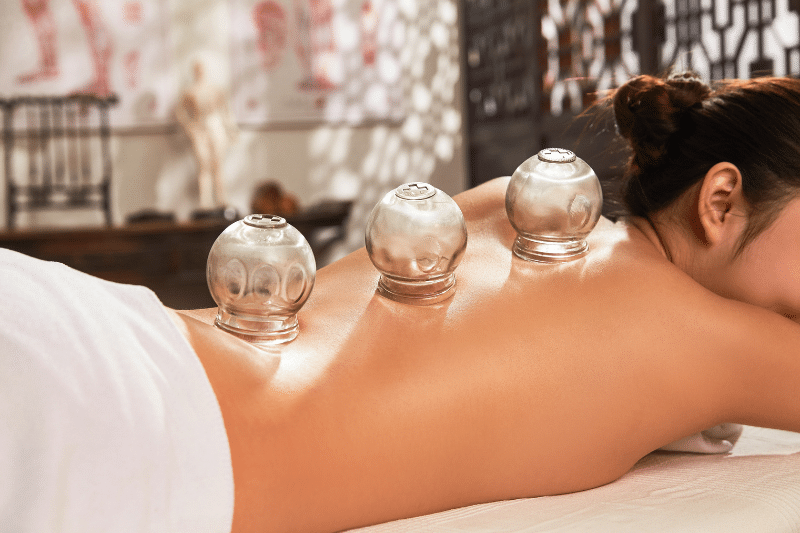
A cupping therapy appointment usually begins with a short consultation about symptoms, tension patterns, and treatment goals. Depending on the clinic, cupping may be offered on its own or as part of a broader session that includes acupuncture or other supportive therapies.
During treatment, cups are placed on targeted areas of the body to create suction. That suction lifts the tissue and creates a pulling sensation that many people describe as unusual but manageable. Some providers leave the cups in place for a set period, while others may use moving cupping techniques depending on the purpose of treatment.
After the session, circular marks are common and usually temporary. Patients often book cupping because they want to feel less tight, more relaxed, or better recovered afterward, though the exact experience can vary from person to person.
Is Cupping Therapy Right for You?
Cupping therapy can be a good option for people looking for a non-pharmaceutical, hands-on treatment that supports recovery and relieves physical tension. Many people feel it works well for reducing muscle tightness, easing soreness, and helping the body relax, especially when tension is concentrated in areas like the shoulders, neck, and back. While results vary from person to person, cupping therapy is often valued for the sense of relief, looseness, and recovery people experience after treatment. It may be especially appealing to people who are already interested in acupuncture, massage, or other Traditional Chinese Medicine therapies.
That said, the right clinic matters. The experience can feel very different depending on the provider, the treatment setting, and whether the session is part of a thoughtful care plan or simply offered as a trend-driven add-on. Whether cupping therapy works well for you may depend on your goals, your condition, and how appropriately the treatment is used within a broader care plan.
For anyone searching for the top cupping therapy clinics in NYC in 2026, it makes sense to focus on clinics that clearly offer cupping, explain it well, and integrate it into a broader standard of quality care.

Cart (0)
Your cart is currently empty.


Cart (0)
Your cart is currently empty.