

Traditional and Holistic Ways to Treat Stroke: Gentle Summer Therapies That Support Healing

A stroke can change daily life in an instant, affecting not just the body but the mind and daily routines. After urgent hospital care, many survivors and families look for safe, supportive ways to continue recovery at home. While medical rehabilitation helps rebuild strength, speech, and mobility, adding gentle, traditional approaches can bring extra comfort, ease tension, and restore a sense of balance to the healing journey.
During the warmer months, it’s especially important to stay mindful of how extreme summer heat can raise the risk of another stroke for some people. Managing stress, staying cool, and supporting healthy circulation all help lower that risk. Simple, gentle therapies that calm the nervous system and encourage relaxation can make day-to-day recovery feel less overwhelming and more steady, one step at a time.
Key Takeaways
- A stroke occurs when blood flow to the brain is blocked or a vessel breaks, making urgent care and daily prevention crucial.
- High blood pressure is the biggest risk factor, but daily habits like balanced meals, gentle movement, and stress relief can help protect the brain and heart.
- Summer heat raises stroke risk by adding strain on circulation and hydration; staying cool and drinking enough water are essential.
- Gentle, holistic therapies such as acupuncture, cooling herbal teas, light hydrotherapy, breathwork, and shaded rest can safely complement medical stroke recovery.
- Combining trusted rehabilitation with traditional care supports strength, reduces stress, and helps survivors and families feel more balanced through the warm season.
Understanding What Causes a Stroke
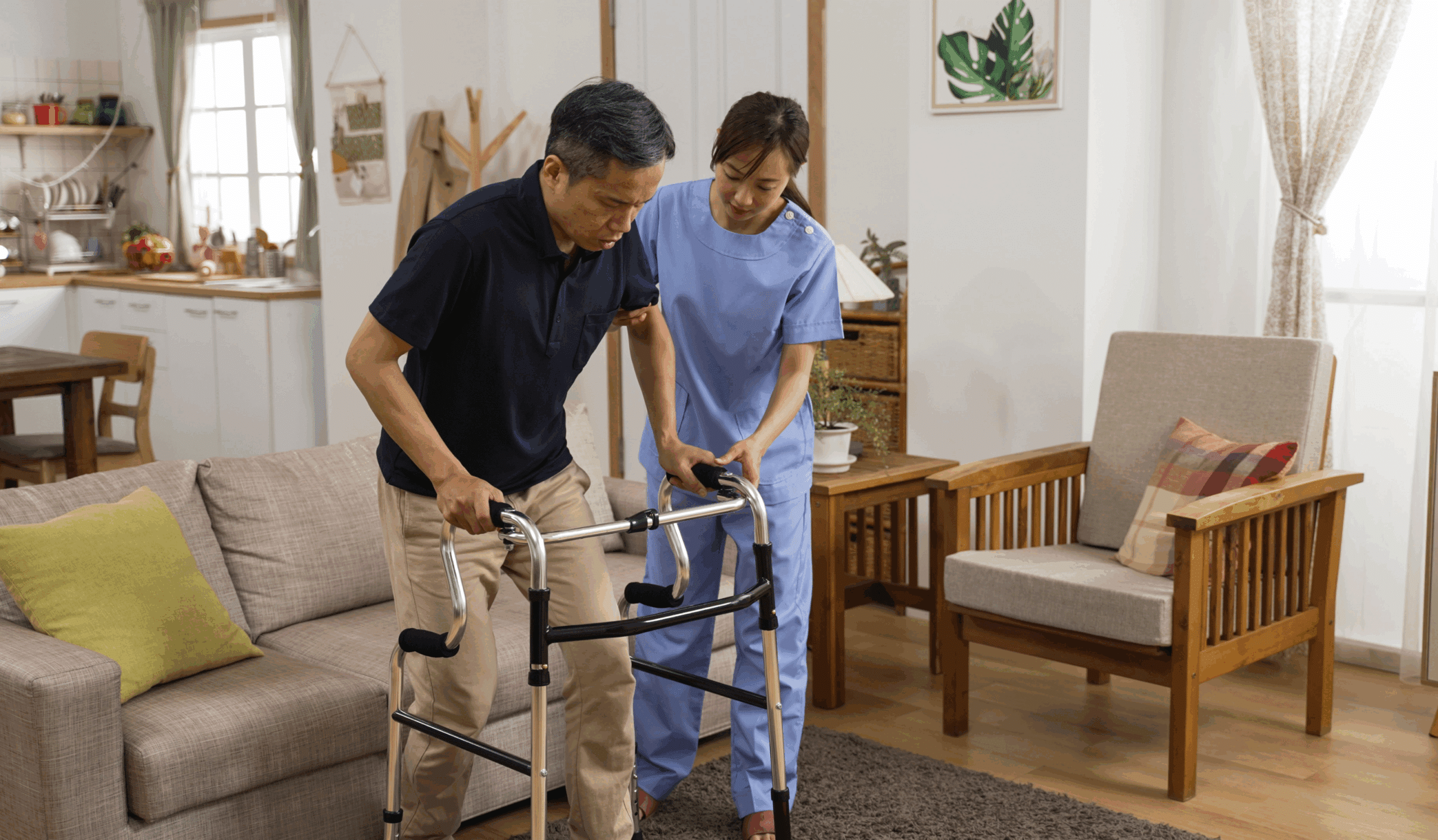
A stroke happens when blood flow to the brain is blocked or when a blood vessel breaks and leaks. Without steady circulation, brain cells lose the oxygen and nutrients they need to survive. Damage can happen within minutes, which is why fast medical help is so important.
High blood pressure is the single biggest risk factor because it places constant strain on artery walls. Over time, this extra pressure can weaken or narrow blood vessels, making them more likely to become blocked or burst. Other common causes include:
- Poorly managed diabetes that damages blood vessels
- High cholesterol that builds up and can block flow
- Smoking, which narrows arteries and raises clot risk
- Heavy alcohol drinking, which can weaken circulation
- Lack of daily movement, which can lead to weaker heart health and poor circulation.
While factors like age or family history cannot be changed, many daily habits help lower these risks. Small steps, done consistently, protect the brain and heart over time:
- Eat balanced, fresh meals that support healthy circulation
- Drink enough water each day
- Add gentle daily movement to keep blood flowing smoothly
- Take prescribed medications and visit your doctor regularly
- Use simple ways to manage stress and get restful sleep
When these healthy routines become part of everyday life, they help the body heal and lower the chance of another stroke in the future.
Eating Well to Lower Stroke Risk
The foods you choose each day quietly shape how well your heart and blood vessels stay healthy over time. Fresh, balanced meals help keep arteries clear, support steady circulation, and gently lower the risk of clotting and high blood pressure.
A nourishing, stroke-smart plate often includes:
- Plenty of vegetables and fruits at every meal
- Whole grains like brown rice, oats, barley, or quinoa instead of refined grains
- Lean proteins such as fish, skinless poultry, eggs, or plant-based options like tofu, beans, and lentils
- Healthy fats from fatty fish, nuts, seeds, avocado, or olive oil
- Less salt and fewer packaged, heavily processed foods
Many people also enjoy moderate amounts of green or black tea. These drinks are rich in plant compounds that may help maintain healthy cholesterol and support the lining of the blood vessels. Coffee in moderation may have similar benefits for some people.
Certain nutrients found naturally in food can gently protect the brain and heart over time:
- Omega-3 fatty acids, found in fatty fish like salmon and mackerel, walnuts, chia seeds, or flaxseeds, help lower inflammation and support healthy cholesterol.
- B vitamins (B6, B12, and folate), found in leafy greens, legumes, whole grains, and eggs, help keep homocysteine — an amino acid linked to higher stroke risk — at healthy levels.
- Magnesium, found in nuts, seeds, avocados, whole grains, and leafy greens, may help manage blood pressure naturally.
- Vitamin C, from fresh citrus fruits, berries, bell peppers, or broccoli, supports healthy artery walls and may help limit plaque buildup.
- Vitamin D, from safe sunlight, eggs, or fortified foods, may help protect circulation — low vitamin D levels have been linked with a higher risk of artery-blocking strokes, especially in people with high blood pressure.
- Fiber, found in whole grains, legumes, vegetables, and fruits, can help control cholesterol levels and support overall heart health.
- Potassium, found in bananas, sweet potatoes, leafy greens, and beans, works alongside magnesium to help manage blood pressure balance.
Hydration is just as important as food. Drinking enough water each day keeps blood flowing smoothly and helps the body avoid extra strain. Mild herbal teas can add variety, and swapping sugary drinks for water is a simple way to lower hidden calories and excess sugar.
Most people can meet their daily nutrient needs through food rather than supplements. Sharing home-cooked meals with family, enjoying fresh seasonal ingredients, and drinking plenty of water each day turn healthy choices into comforting habits that gently lower stroke risk, meal by meal.
Daily Movement to Support Brain Health
Gentle, steady movement is one of the simplest, most effective ways to help prevent a first or repeat stroke. Light physical activity keeps blood flowing smoothly, supports a healthy heart, and helps manage blood pressure naturally.
Good choices include:
- Walking outdoors to enjoy fresh air and sunlight
- Slow stretching or beginner-friendly yoga
- Swimming or gentle water exercises that reduce strain on joints
- Tai chi or other slow, mindful movements that combine balance and breathwork
Even short bursts of movement each day can help arteries stay flexible and strengthen the connection between the brain and body. Many people in recovery find that just ten minutes of daily activity builds trust in the body’s strength, lifts mood, and eases stress in a natural, gentle way.
Keeping a Healthy Weight for Better Circulation
Carrying extra weight puts added stress on the heart and blood vessels, increasing the risk of high blood pressure, blood clots, and diabetes. Managing weight slowly and steadily eases this burden and supports smooth circulation.
Try simple, sustainable shifts:
- Add more fresh vegetables and colorful fruits to every meal
- Choose whole, minimally processed foods instead of packaged snacks
- Practice mindful portions to stay aware of fullness cues
- Combine balanced meals with daily gentle movement or short activity breaks
This calm, gradual approach gives the body time to adjust, lowers hidden strain on the arteries, and helps maintain healthy circulation for the long run, without the stress of strict dieting.
Daily Stress Relief to Help Prevent Stroke
Long-term stress can quietly raise blood pressure and make blood vessels more prone to damage. Taking small, calming moments each day helps the body reset and protects overall heart health.
Simple ways to weave in daily calm include:
- Short deep-breathing sessions, focusing on slow, steady inhales and exhales
- Quiet breaks outdoors or a short walk in a garden or park
- Gentle yoga, simple stretches, or mindful movement before bed
- A warm cup of herbal tea enjoyed in a peaceful spot away from screens and noise
Setting aside even ten minutes at sunrise, after lunch, or before sleep can help release built-up tension. Over time, this daily calm supports steadier blood pressure, clearer thinking, and a stronger sense of balance for both mind and body.
Types of Stroke
Understanding the type of stroke helps families choose the right care, supportive therapies, and safe daily habits. Each type affects the brain differently and often needs a unique balance of medical treatment, gentle daily movement, and calm traditional support.
- Ischemic strokes are the most common and happen when a clot blocks blood flow to the brain.
- Hemorrhagic strokes are less common and involve bleeding in or around the brain from a weakened blood vessel.
- A Transient Ischemic Attack (TIA), or mini-stroke, is a brief blockage that clears on its own but serves as a warning sign for future stroke risk.
Knowing the type of stroke and what caused it helps families choose safe daily activities and simple summer therapies that match each person’s recovery needs.
How Summer Heat Can Raise Stroke Risk
Warm weather can quietly raise the risk of stroke, especially for people who have already experienced one. High temperatures make the body lose more fluid through sweat. Without enough water, blood can become thicker, which makes it harder to flow smoothly and can increase the chance of clotting.
Heat also makes the heart and blood vessels work harder to cool the body. For people with high blood pressure or weakened blood vessels, this extra strain can raise the chance of a blood vessel breaking and bleeding in the brain.
Other common summer factors add to this risk:
- Spending too much time in direct sun without breaks
- Skipping meals or drinking too little water while outdoors
- Exercising too hard in the heat without enough rest
Simple precautions help keep the body safe in warm weather:
- Drink water throughout the day, even if you do not feel thirsty
- Take breaks in shaded or air-conditioned spaces
- Wear light, loose clothing that lets skin breathe
- Plan gentle activities in the early morning or evening when it is cooler
These steps help the body stay hydrated, protect circulation, and keep the heart and blood vessels from working too hard on hot days.
Holistic Therapies for Stroke Recovery
Recovering from a stroke takes time, steady medical care, and daily habits that help the body rebuild strength in safe, manageable ways. Many people find that adding well-chosen holistic supports alongside treatment can bring comfort, help the body stay balanced, and lower stress, especially in warm weather, when heat can quietly add extra strain.
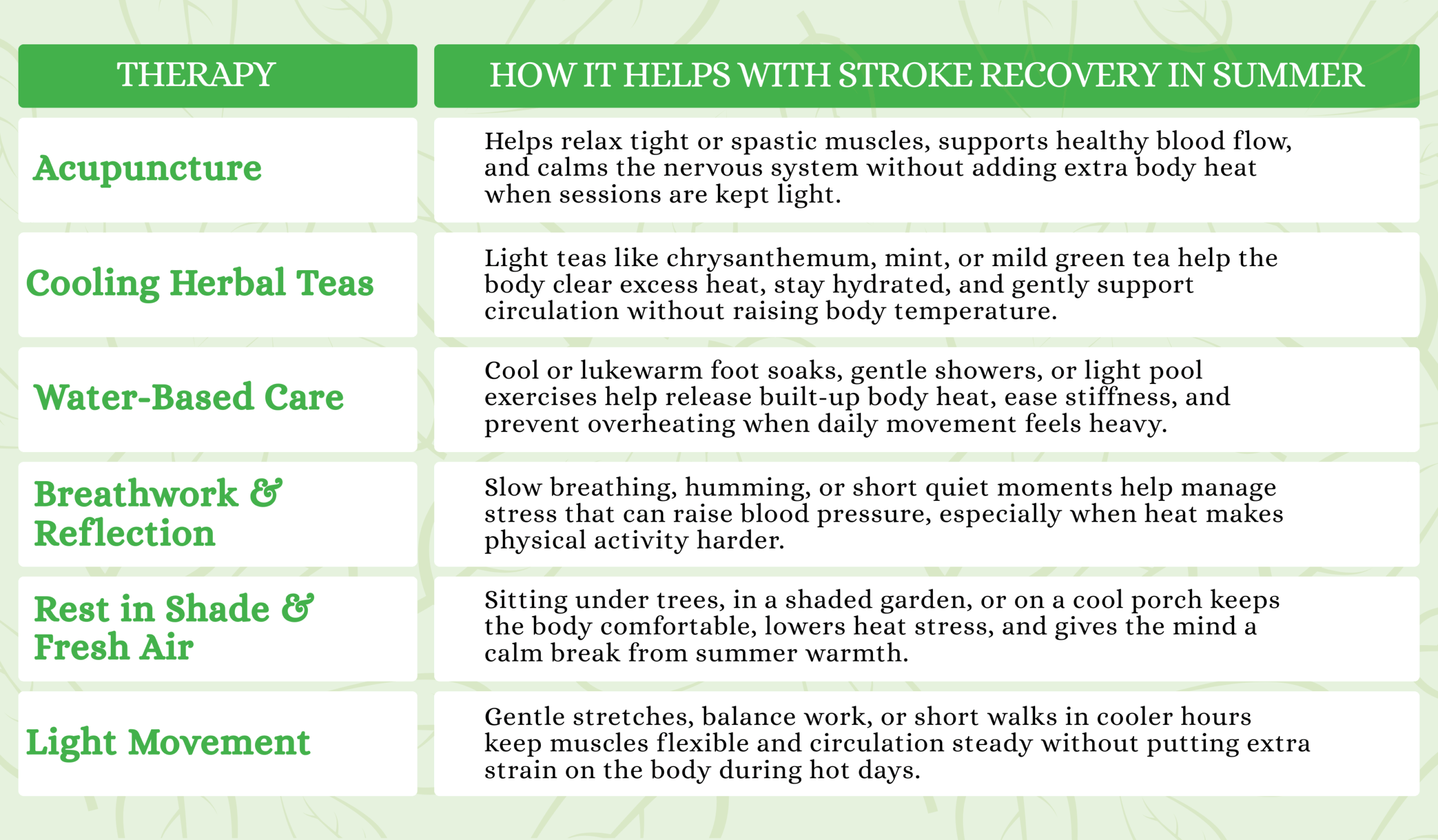
1. Acupuncture
Acupuncture is one of the most trusted ways to complement stroke care. Fine needles placed at precise points can help relax tight or spastic muscles, settle the nervous system, and support smoother blood flow to areas that need extra help. In warm months, lighter sessions are often used to avoid adding too much heat to the body. Many stroke survivors combine acupuncture with light stretching or simple home exercises to ease tension and keep the body open and flexible.
2. Cooling Herbal Teas
Light herbal teas help the body handle warm days gently, supporting circulation and hydration without adding excess heat, which is important for stroke recovery, when dehydration and heat stress can quietly add strain.
Some gentle choices include:
- Chrysanthemum, traditionally used to clear built-up internal heat and support smoother circulation. Often sipped in light amounts throughout the day to ease heat stress naturally.
- Fresh mint, which adds a clean, cooling taste and can help calm the mind and ease heaviness on warm days. Also supports digestion, which can feel sluggish in heat.
- Mild green tea, which brings gentle antioxidants that support healthy blood vessels and circulation without overstimulation. Many enjoy it lightly cooled instead of steaming hot.
- Lemongrass, known for its fresh, mild flavor that helps the body feel lighter when days feel heavy or humid.
- Hibiscus, with its tart, fruity taste, often served slightly chilled. Some people choose hibiscus for mild blood pressure support — always check if it suits your health plan.
- Barley tea, popular in warm months for its clean, nutty taste. Naturally caffeine-free and easy to drink cold to help the body stay refreshed.
- Ginger mint tea, used in small amounts when mild digestion help is needed, but best kept gentle and not too hot in summer.
These teas help keep hydration steady, which is vital for safe recovery when temperatures climb. Sipping lightly through the day is better than drinking large cups at once. Choose mild blends and watch how your body responds to keep each cup supportive, not overwhelming.
3. Water-Based Care
Water helps release heat naturally and keeps tension in check when muscles feel tight. Gentle hydrotherapy, such as a cool or lukewarm foot soak during the day, can lower body temperature and calm the nerves. A short, mild shower after therapy can help the body relax without raising heat levels. If balance is steady, relaxed pool exercises or slow walking in shallow water offer a safe form of hydrotherapy that keeps joints and muscles moving while staying cool.
4. Breathwork and Reflection
Daily stress can quietly raise blood pressure and make the body feel tense. Slow belly breathing is a small habit that helps the body reset, even on warm days. A few minutes of gentle breathing in the morning or before bed can lower tension and steady the mind. Some people add soft humming or short meditation to help clear restless thoughts. Sitting near an open window or resting in the shade makes these moments feel more refreshing.
5. Rest in Shade and Fresh Air
Finding time outdoors in a shaded place helps the body cool down naturally while enjoying the calm of fresh air. A seat under leafy trees, by a garden, or on a shaded porch creates a peaceful pause away from harsh sun. Drinking cool water or a mild tea while listening to quiet outdoor sounds can help the mind let go of stress that builds during recovery. Simple moments like these protect the body from overheating and help conserve energy.
6. Light Movement and Safe Activity
Daily movement remains at the heart of any stroke recovery plan. Warm air often helps muscles feel softer, which makes gentle stretches, simple balance practice, or short supported walks more comfortable. It’s safest to plan these light activities early in the morning or later in the evening when the heat is lower. Guided exercise from a trusted therapist, paired with plenty of water, fresh meals, and restful breaks, helps circulation stay smooth and strength return step by step.
Bringing these supportive habits into your routine makes recovery feel steadier and summer days less tiring. Fresh seasonal foods, enough water, short shaded breaks, calm breathwork, and safe movement all work alongside medical care to help the body heal in ways that feel realistic, balanced, and comforting.
Encouragement for a Season of Gentle Healing
Healing after a stroke is not a single event but a journey made up of many small, caring steps. Warm days, simple meals, calming touch, soft stretches, and quiet time outdoors all come together to help the body recover and the mind feel more at ease.
Combining trusted medical care with these gentle, traditional ways, acupuncture, herbal teas, light massage, hydrotherapy, and peaceful moments under trees, helps each day feel more balanced and hopeful. Summer’s longer daylight and softer pace remind survivors and families that rest, patience, and small steady habits are just as important as big milestones.
By giving the body warmth, calm, fresh air, and simple, loving care, many families find that summer becomes more than a season, it becomes a gentle path back to strength, balance, and quiet confidence.
Sources:
Hao, D.-L., Li, J.-M., Xie, R., Huo, H.-R., Xiong, X., Sui, F., & Wang, P.-Q. (2022). The role of traditional herbal medicine for ischemic stroke: From bench to clinic—A critical review. Journal of Ethnopharmacology, 299, 115667.
Sowmiya, S., Begum, R. F., Dhivya, L. S., Rajendran, P., Harikrishnan, N., & Singh, A. S. (2025). Traditional, complementary, and integrative medicine in the management of ischemic stroke: A narrative review. Frontiers in Pharmacology, 16, Article 1561688.

Cart (0)
Your cart is currently empty.


Cart (0)
Your cart is currently empty.