

Unlocking the Chinese Body Clock: A Guide to Your Organ Energy Flow
Every system in the body follows a rhythm—and in Traditional Chinese Medicine (TCM), that rhythm is mapped across 24 hours using the Chinese Body Clock. This concept outlines the natural ebb and flow of Qi (life force energy) through specific organ systems at designated times of day. Rooted in centuries of clinical observation and philosophical understanding, the body clock serves as a diagnostic and therapeutic framework, helping practitioners determine when certain organs are at their peak function or most vulnerable. By understanding this internal timing, one can align daily habits, sleep, meals, and even emotions with the body’s energetic needs for better health outcomes.
The Chinese Body Clock is more than a symbolic cycle; it’s a reflection of how vital energy circulates through the 12 principal meridians. Each two-hour window corresponds to a specific organ that governs physical, mental, and emotional functions. Common issues like waking up at 3 a.m., afternoon fatigue, or digestive discomfort after dinner may actually be rooted in energetic imbalances revealed through this clock. With growing global interest in circadian medicine and biohacking, the Chinese organ clock offers a holistic lens to optimize energy levels, restore internal harmony, and support long-term wellness.
Key Takeaways
- The Chinese Body Clock reflects a 24-hour cycle of organ energy flow. Each organ has a two-hour window of peak activity that helps explain physical symptoms, emotional patterns, and the best times for healing practices.
- Aligning your routine with these organ timeframes supports natural energy and health. Morning breathwork benefits Lung function, and restful sleep between 11 PM and 3 AM helps the Liver and Gallbladder detoxify and reset.
- Emotions are deeply connected to specific organs and times of day. Grief often arises during Lung time, frustration during Liver time, and anxiety during Heart or Pericardium hours.
- Acupuncture, herbal medicine, and Qi Gong are more effective when timed with the body’s energy rhythms. Supporting an organ during its peak can enhance treatment outcomes and restore balance faster.
- Tuning into your body’s natural rhythm builds long-term resilience and vitality. The Chinese Body Clock offers a powerful framework for understanding your symptoms and making gentle yet effective lifestyle adjustments.
What Is the Chinese Body Clock?
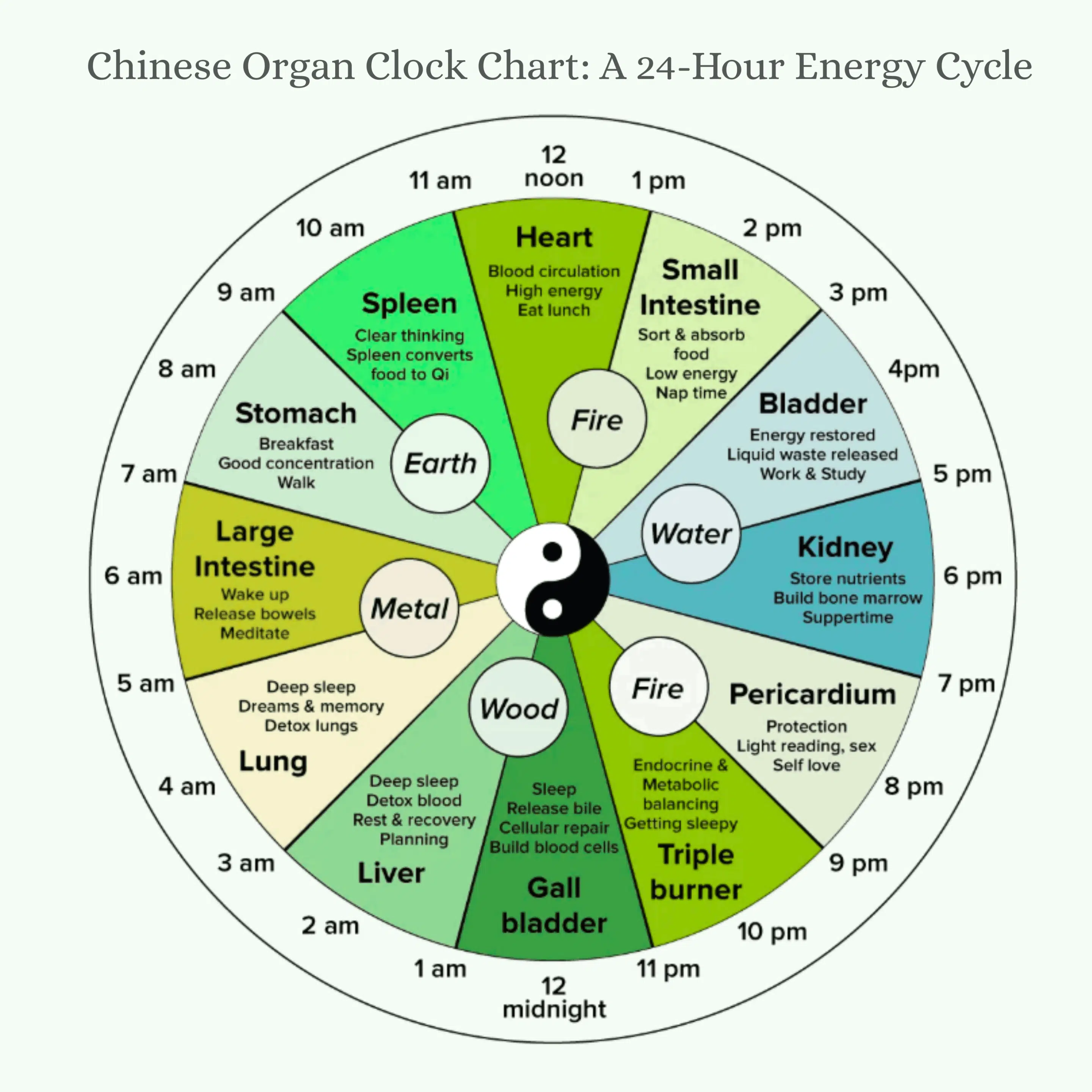
The Chinese Body Clock, also referred to as the Organ Clock or TCM meridian clock, is a time-based map of energy flow through the twelve organ meridians over a 24-hour period. Each organ system is assigned a two-hour window during which its Qi is most active and accessible for nourishment, healing, or observation. The clock begins at 3 a.m. with the Lung Meridian and completes its cycle at 3 a.m. the following day.
Unlike Western clocks governed purely by physical or mechanical movement, the TCM clock emphasizes the dynamic balance of Yin and Yang, internal organ functions, and their relationship with the natural environment. It acts as a diagnostic tool, helping practitioners detect dysfunction, determine optimal treatment times for acupuncture or herbal therapy, and offer lifestyle adjustments for healing specific imbalances.
Chinese Organ Clock Chart: A 24-Hour Energy Cycle
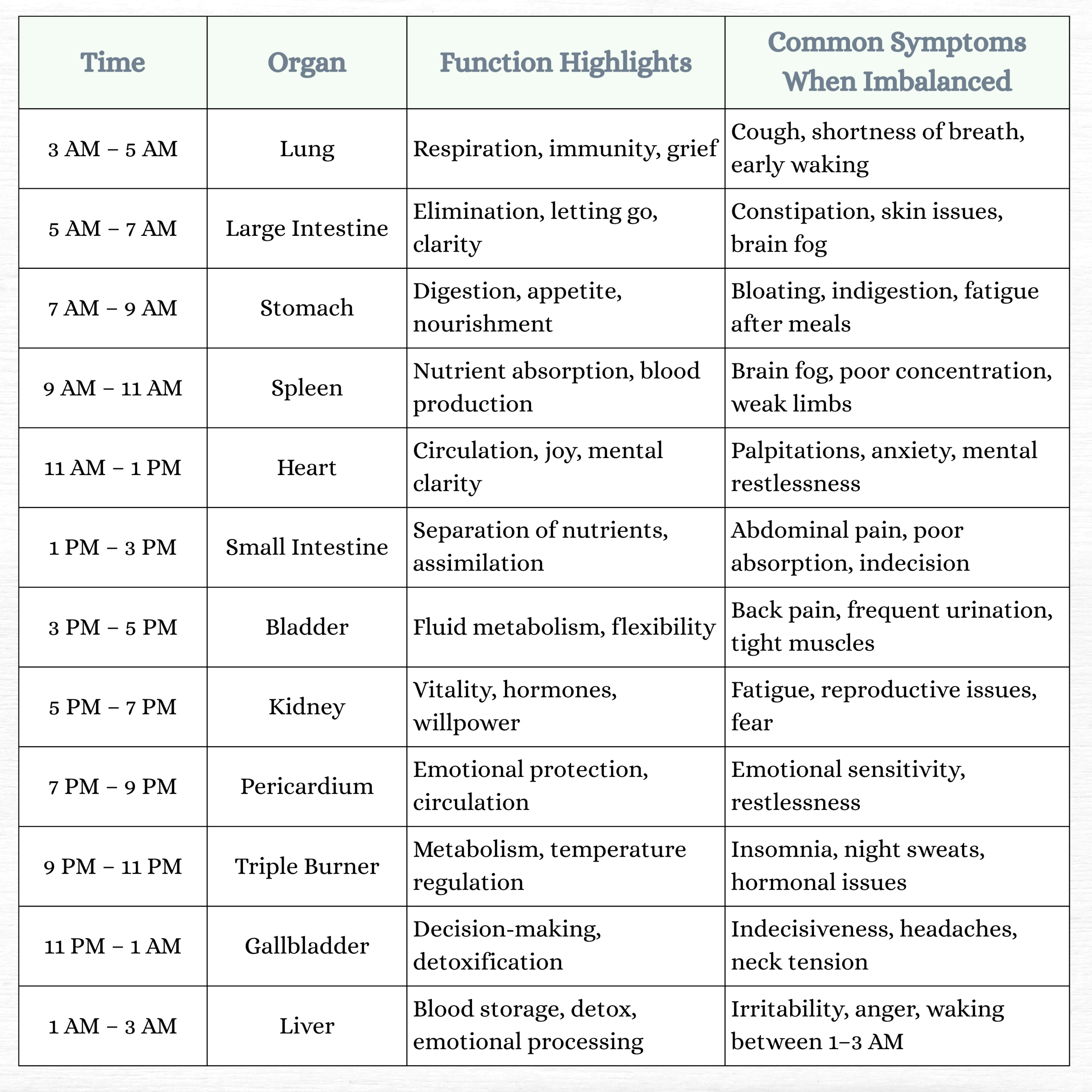
By aligning your lifestyle and habits with these organ timeframes, you can better support your health, understand emotional fluctuations, and respond to signs of internal disharmony. Below is a breakdown of each organ’s peak time, its essential functions, and common symptoms that may arise when its energy is imbalanced.
3 AM – 5 AM: Lung Time
The early morning hours are linked to the Lungs, which govern breathing, immune defense, and the release of grief. As you sleep, the lungs work to replenish oxygen and support detoxification through breath. This is often the time people with unresolved sadness or respiratory issues awaken.
Key Functions:
- Deep respiration and oxygen distribution
- Strengthening of the immune system
- Emotional release tied to grief and loss
- nourishment of the skin through oxygenation
Signs of Imbalance:
- Persistent coughing or shallow breathing
- Waking up consistently around this time
- Chest tightness or nasal congestion
- Unexplained sadness or crying
5 AM – 7 AM: Large Intestine Time
As morning begins, the Large Intestine activates to help the body eliminate waste. This process includes physical elimination as well as emotional and mental “letting go,” promoting clarity for the day ahead. A regular morning bowel movement is a sign of healthy Qi during this window.
Key Functions:
- Clearing the bowels
- Skin detoxification through waste elimination
- Releasing emotional and mental clutter
- Promoting a sense of decisiveness and clarity
Signs of Imbalance:
- Constipation or sluggish digestion
- Skin breakouts or inflammation
- Difficulty processing emotions
- Mental fog or indecision
7 AM – 9 AM: Stomach Time
This is considered the ideal time for your largest, most nourishing meal of the day. The Stomach is responsible for breaking down food and sending nutrients to the rest of the body. If you skip breakfast or eat poorly now, you may feel the effects throughout the day.
Key Functions:
- Digesting and processing food
- Supporting physical energy and alertness
- Building Qi and Blood through nourishment
- Stimulating metabolism early in the day
Signs of Imbalance:
- Bloating or sluggish digestion after meals
- Fatigue or heaviness shortly after eating
- Morning nausea or lack of appetite
- Sweet cravings or emotional eating tendencies
9 AM – 11 AM: Spleen Time
The Spleen transforms nutrients into energy and distributes it throughout the body. It also plays a major role in mental focus, clarity, and concentration. Tasks that require critical thinking or creativity are best handled during this time.
Key Functions:
- Extracting nourishment from food
- Producing energy (Qi) and Blood
- Supporting cognitive clarity and work performance
- Regulating fluid metabolism
Signs of Imbalance:
- Brain fog or forgetfulness
- Cold hands and feet due to poor circulation
- Heavy limbs or muscle weakness
- Poor concentration and scattered thoughts
11 AM – 1 PM: Heart Time
The Heart in TCM governs blood circulation, consciousness, and emotional joy. This is when Heart Qi is most active, supporting a sense of connection, emotional warmth, and mental sharpness. It’s an ideal time for social interaction or meaningful conversations.
Key Functions:
- Circulating Blood to nourish all tissues
- Supporting clear thoughts and emotional well-being
- Connecting to joy and inner peace
- Hosting the Shen, or spirit, in Chinese medicine
Signs of Imbalance:
- Anxiety, restlessness, or racing thoughts
- Heart palpitations or irregular heartbeat
- Trouble staying emotionally grounded
- Overexcitement or emotional flatness
1 PM – 3 PM: Small Intestine Time
Now the body continues the digestive process by sorting and absorbing nutrients. On an emotional level, the Small Intestine helps us discern what serves us and what doesn’t—mentally, physically, and emotionally.
Key Functions:
- Assimilating digested food and fluids
- Extracting nutrients for absorption
- Helping with decision-making and insight
- Clearing emotional “noise” to improve clarity
Signs of Imbalance:
- Abdominal pain, gassiness, or indigestion
- Poor absorption of nutrients
- Feeling mentally scattered or indecisive
- Difficulty setting boundaries
3 PM – 5 PM: Bladder Time
In TCM, the Bladder not only stores and excretes urine but also manages the flow of fluids in the body and helps release tension—especially in the back and legs. It is connected with movement, flexibility, and the ability to go with the flow.
Key Functions:
- Regulating water metabolism and excretion
- Maintaining physical flexibility and ease
- Supporting clarity through hydration
- Energizing the body for afternoon tasks
Signs of Imbalance:
- Frequent or painful urination
- Lower back stiffness or tight hamstrings
- Feelings of rigidity in body or thinking
- Low energy or irritability late in the day
5 PM – 7 PM: Kidney Time
The Kidneys are the root of life force (Jing) and vitality in TCM. They govern growth, reproduction, hormone balance, and willpower. This is the best time to slow down, restore your energy, and nourish your body with gentle activity or rest.
Key Functions:
- Supporting hormonal and reproductive health
- Preserving life essence (Jing) and core strength
- Anchoring emotional stability and resilience
- Governing willpower and fear
Signs of Imbalance:
- Chronic fatigue or burnout
- Infertility, libido issues, or hormonal imbalances
- Fearfulness or insecurity
- Lower back pain or weak knees
7 PM – 9 PM: Pericardium Time\
The Pericardium, or the Heart’s protective layer, is associated with emotional intimacy, circulation, and calm. During these hours, you may find it easier to connect with loved ones or engage in reflective activities like journaling or meditation.
Key Functions:
- Protecting the Heart emotionally and energetically
- Facilitating warmth, closeness, and connection
- Calming the nervous system before rest
- Enhancing circulation to prepare for sleep
Signs of Imbalance:
- Emotional hypersensitivity
- Trouble relaxing or calming down
- Feelings of vulnerability or heartbreak
- Inability to open up or receive affection
9 PM – 11 PM: Triple Burner (San Jiao) Time
The Triple Burner isn’t a physical organ but an energetic system responsible for regulating metabolism, temperature, and fluid distribution. It ensures harmony among the body’s upper, middle, and lower regions, making this a key time for winding down.
Key Functions:
- Balancing body temperature and hormonal rhythms
- Supporting digestive transformation and elimination
- Preparing the body for sleep and healing
- Managing communication between organ systems
Signs of Imbalance:
- Insomnia or difficulty falling asleep
- Hormonal imbalances, hot flashes, or night sweats
- Restlessness or anxiety in the evening
- Feeling disconnected or energetically “off”
11 PM – 1 AM: Gallbladder Time
The Gallbladder is responsible for decision-making, courage, and detoxification. As the body enters its deepest rest phase, the Gallbladder breaks down fats and clears emotional and physical stagnation. Lack of sleep during this window may affect self-esteem and long-term health.
Key Functions:
- Supporting liver detoxification
- Breaking down dietary fats
- Aiding judgment, assertiveness, and confidence
- Clearing emotional blockages
Signs of Imbalance:
- Neck tension or migraines
- Second-guessing or fear of confrontation
- Digestive discomfort with fatty foods
- Waking during this time with racing thoughts
1 AM – 3 AM: Liver Time
The Liver stores and cleanses the blood while regulating emotions and supporting the smooth flow of Qi. Spiritually, it is the home of the Hun, which governs purpose and direction in life. Waking at this time often suggests unresolved anger or toxic overload.
Key Functions:
- Detoxifying blood and emotional residue
- Regulating hormonal and metabolic activity
- Managing the flow of Qi and emotions
- Processing plans, dreams, and life direction
Signs of Imbalance:
- Frequent waking between 1–3 AM
- Anger, frustration, or repressed emotions
- Hormonal disturbances or PMS
- Eye strain or blurred vision
How to Use the Body Clock for Better Health

Aligning your lifestyle with the Chinese Body Clock isn’t about drastic changes—it’s about subtle shifts that sync with your body’s energy patterns. Eating breakfast during the stomach’s peak (7–9 AM), avoiding heavy meals late at night when the liver is busy detoxifying, and ensuring restful sleep during gallbladder and liver hours (11 PM–3 AM) are just a few foundational adjustments.
Daily routines can be structured around these windows for better physiological support. For instance, the early morning Lung hours are ideal for breathwork, meditation, or light exercise to stimulate immunity and mental clarity. Afternoon is better for movement and decision-making, as the bladder and kidney channels fuel stamina and focus. This clock can also serve as a feedback tool: consistently waking at the same hour or experiencing recurring symptoms can help you identify which organ needs support.
Emotional and Mental Health Through the TCM Clock

Every organ in TCM is associated not only with physical functions but also with specific emotional and psychological aspects. For example, the Lung is connected to grief and the Heart to joy. If someone experiences persistent sadness or anxiety, observing how those emotions manifest at particular times of day may uncover deeper energetic patterns. These connections help practitioners develop more targeted treatment plans.
The clock also provides insight into chronic emotional cycles. Waking between 1–3 AM might point to unresolved anger stored in the Liver, while evening anxiety could stem from Pericardium imbalance. Understanding these emotional correspondences adds a layer of self-awareness that complements therapy, meditation, and self-care practices.
Traditional Chinese Medicine Approaches to Balance the Clock
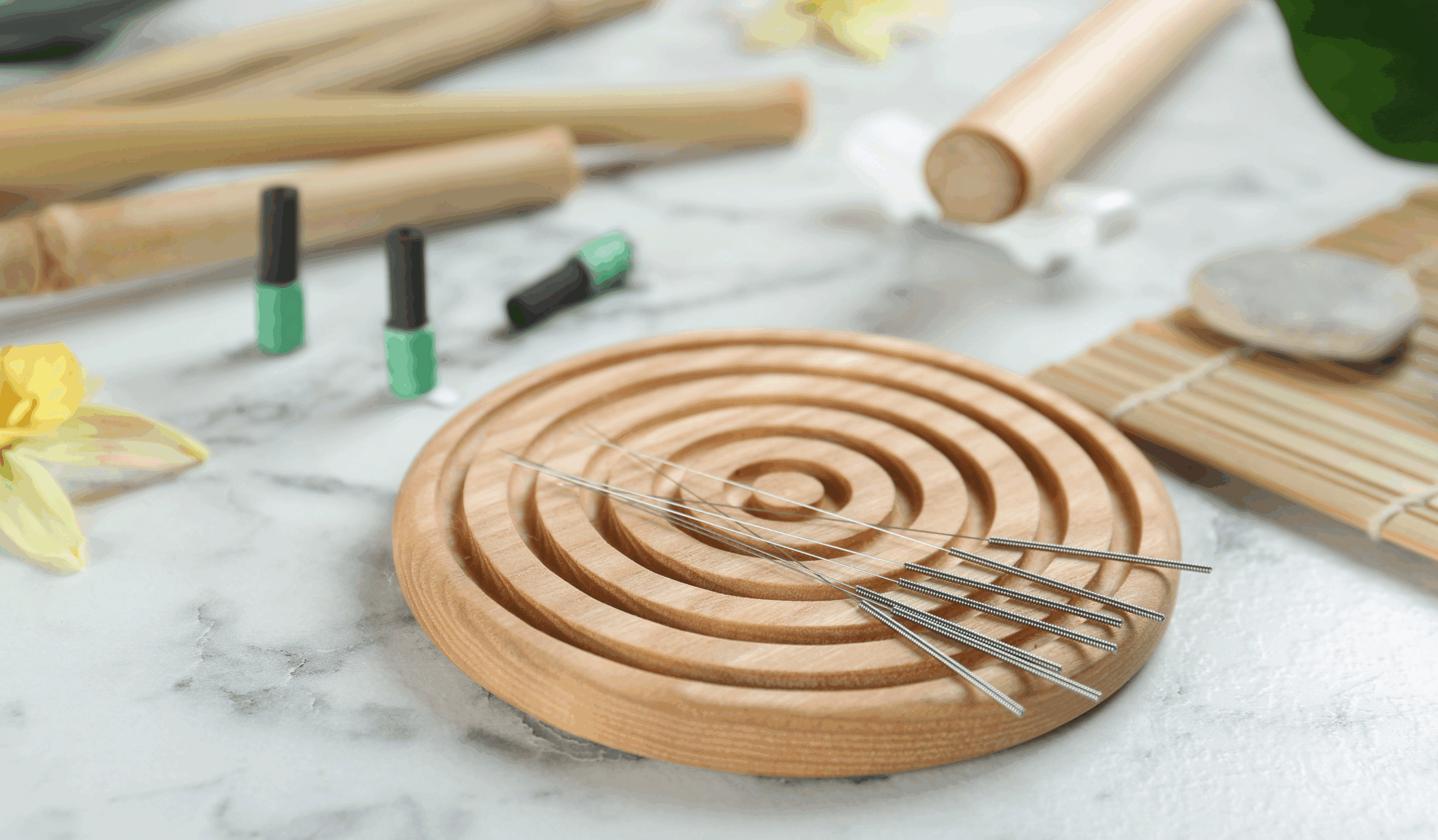
When imbalances arise during specific organ time windows, they can often be addressed using a combination of acupuncture, cupping, herbal medicine, dietary therapy, and Qi Gong. Stimulating acupuncture points along the affected meridian during its peak energetic hours may help enhance function and encourage natural restoration. For example, Lung points are typically most responsive between 3–5 AM, while Liver points can be supported effectively before bedtime.
Herbal formulas are commonly selected based on the timing and nature of symptoms. Persistent digestive discomfort in the 7–9 AM window, for example, may indicate the need for herbs that nourish and regulate the Spleen and Stomach. In addition, daily Qi Gong practices focused on corresponding organs help support smooth energy flow, improve vitality, and reduce internal stagnation throughout the day.
Reconnecting with Your Body’s Natural Rhythms
Understanding your body’s energy timing isn’t about rigid routines—it’s about listening with intention. The Chinese Body Clock acts as a guide, highlighting when specific organ systems are most active and revealing patterns that often go unnoticed. From persistent fatigue and restless sleep to emotional fluctuations and digestive issues, these clues can offer valuable direction for making thoughtful adjustments.
At ACA Acupuncture and Wellness, our licensed practitioners take a holistic approach that considers how time-based patterns may influence overall well-being. Through personalized care that may include acupuncture, herbal medicine, and lifestyle recommendations, we support each individual in working toward greater balance, resilience, and health—guided by both traditional knowledge and modern understanding.
If you’re curious about how Traditional Chinese Medicine can support your health, contact us to schedule a consultation. Our team is here to help you feel more in tune with your body’s natural rhythms.
Sources:
Bharti, J. (2021). CHINESE BODY CLOCK: IN-DEPTH REVIEW BASED PERSPECTIVE. EPRA International Journal of Research and Development (IJRD)
Zhang, T., Yan, L., Ma, S., & He, J. (2016). Human biological rhythm in traditional Chinese medicine. Journal of Traditional Chinese Medical Sciences

Cart (0)
Your cart is currently empty.


Cart (0)
Your cart is currently empty.