

Valentine’s Day & Heart Health Through TCM: Nourishing the Heart–Mind Connection

In Traditional Chinese Medicine, the Heart is the “Emperor” organ that governs blood circulation and houses the Shen, linking physical heart health with emotional balance, mental clarity, and joy.
Valentine’s Day naturally draws attention to the heart. In Traditional Chinese Medicine (TCM), this focus goes far beyond romance. The Heart is not only a physical organ but also the centre of emotional harmony, consciousness, and connection. This makes Valentine’s season an ideal time to reflect on how stress, relationships, sleep, and lifestyle habits influence both emotional and cardiovascular well-being.
Key Takeaways
- In TCM, the Heart governs blood circulation and houses the Shen (mind and spirit)
- Emotional balance and physical heart health are inseparable
- Both deficient and excessive joy can strain the Heart system
- Food, movement, acupressure, and ritual can nourish Heart Qi and Blood
- Acupuncture supports stress resilience, sleep quality, and emotional regulation
Heart Health Through TCM: The Heart as the “Emperor”
In TCM, the Heart is considered the Emperor because it governs all other organ systems through blood flow and the Shen.
The Heart’s role extends beyond pumping blood. It is responsible for:
- Circulating Blood and Qi throughout the body
- Housing the Shen, which influences clarity, calmness, and emotional stability
- Regulating sleep, awareness, and presence
When Heart Qi and Heart Blood are strong, the Shen is calm and settled. When the Heart is deficient or overheated, the Shen becomes restless, leading to symptoms such as light sleep, anxiety, palpitations sensations, vivid dreams, or emotional volatility.
The Heart–Mind Connection: Joy, Sleep, and Emotional Regulation
From a modern perspective, chronic emotional stress is linked to poor sleep quality, reduced heart rate variability, and elevated stress hormones. TCM recognised this relationship centuries ago by observing that an unsettled Shen often precedes physical symptoms. When sleep becomes light or interrupted, the Heart has less opportunity to restore itself. Over time, this weakens emotional resilience and physical vitality. In TCM, the Heart (Fire) and Kidneys (Water) must remain in balance to support calm energy, emotional depth, and restorative sleep. The Heart represents warmth, activity, and consciousness. The Kidneys represent grounding, rest, and long-term vitality. When this axis is balanced, passion is supported by calm, and energy is steady rather than frantic. Common signs this relationship is strained include: Supporting both systems together is key, especially during emotionally charged seasons like Valentine’s Day. In TCM, specific flavours and colours support Heart Blood, calm the Shen, and regulate emotional heat. A Heart-nourishing Valentine’s meal does not need to be elaborate. A warm, balanced dish with leafy greens, quality protein, and a small amount of dark chocolate often supports the Heart better than rich or heavily processed sweets. Certain acupressure points help settle the Shen, relax the chest, and support emotional balance. A simple evening routine involves gentle pressure on each point for 30 to 60 seconds while breathing slowly through the nose. Heart-centred rituals during Valentine’s season may include: For those spending Valentine’s Day solo, self-connection practices are just as powerful. In TCM, nourishing your own Heart is foundational to healthy relationships. Acupuncture supports the Heart and Shen by regulating stress responses, improving sleep quality, and restoring emotional balance. At our clinic, our acupuncturists at ACA Acupuncture and Wellness approach Heart health by looking at the whole pattern. We consider sleep, digestion, emotional state, stress load, and lifestyle rhythms rather than treating isolated symptoms. Treatment plans often focus on: Many patients notice improved sleep, calmer moods, and a greater sense of emotional clarity as their Heart system becomes more balanced. In Traditional Chinese Medicine, caring for the Heart means caring for both the body and the mind. Valentine’s Day highlights connection, emotion, and joy, all of which directly influence Heart health. By nourishing the Heart through food, movement, rest, and emotional awareness, we support not only cardiovascular function but also clarity, calm, and meaningful connection. At ACA Acupuncture and Wellness, we view Heart health as an ongoing practice, not a single day or symptom. When the Heart and Shen are supported together, well-being becomes steadier, relationships feel more grounded, and self-care becomes a natural expression of balance rather than obligation. Heart health is important because the heart delivers oxygen and nutrients to every part of the body, supporting energy, focus, and longevity. In TCM, a healthy heart also ensures emotional balance, restful sleep, and mental clarity. Signs of a healthy heart include steady energy, good circulation, calm emotions, and consistent, restful sleep. In TCM, a settled mind and emotional stability indicate that the Heart and Shen are well supported. Valentine’s Day symbolically links the heart to love, connection, and emotional expression. In both cultural tradition and Traditional Chinese Medicine, the heart represents emotional presence and relational bonding. In Traditional Chinese Medicine, the heart governs joy and houses the Shen, or spirit and consciousness. Balanced joy supports calmness and clarity, while imbalance can disturb sleep and emotional stability. February is designated as heart health month to raise awareness of cardiovascular disease and prevention during winter, when activity levels are often lower. The timing also aligns symbolically with Valentine’s Day, reinforcing attention on heart care and emotional well-being. In TCM, red foods like goji berries, red dates, and beetroot nourish Heart Blood and circulation. Bitter foods such as leafy greens and dark chocolate help clear excess heat and calm the Heart.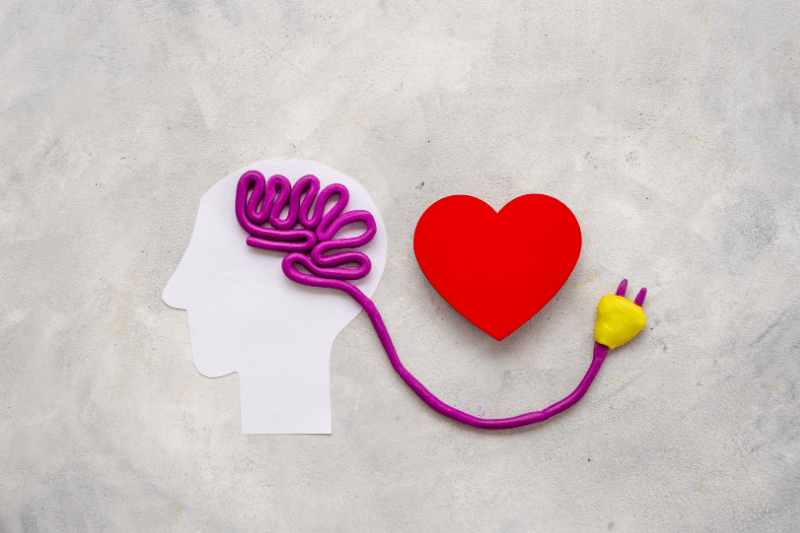 Overstimulation from social pressure, late nights, sugar, or alcohol
The Heart–Kidney Connection: Fire and Water in Balance
Nourishing the Heart Through Food and Tea
Heart-Supporting Foods
Calming Teas
Acupressure Points for Love and Calm
Mindful Movement and Heart-Centred Rituals
nervous system balance. Even short, daily sessions can improve emotional steadiness and sleep quality.
Where Acupuncture Fits In
Valentine’s Day Tips for Heart Health
Supporting Heart Health and Emotional Balance the TCM Way
FAQs
Why is heart health important?
How do you know if your heart is healthy?
Why is the heart associated with Valentine’s Day?
What emotion does the heart hold in TCM?
Why is February a heart health month?
What foods are good for the heart TCM?

Cart (0)
Your cart is currently empty.


Cart (0)
Your cart is currently empty.