

What to Expect During an Acupuncture Session: A Step-by-Step Guide for First-Time Patients
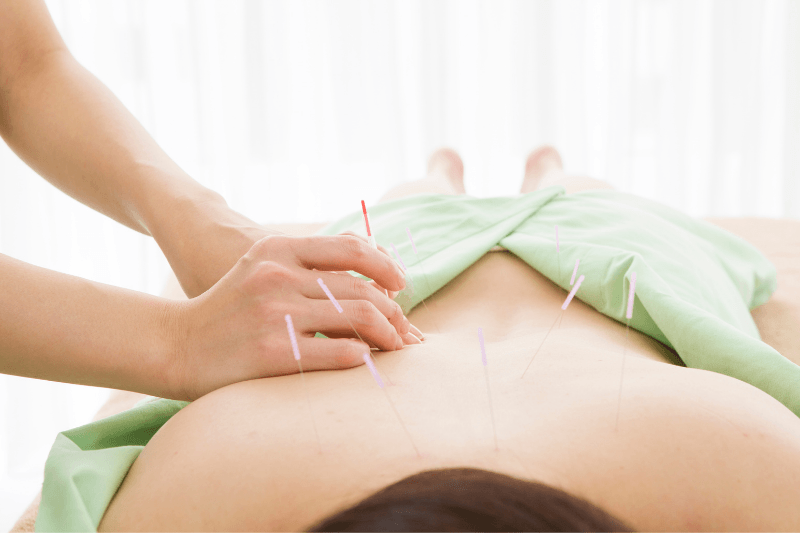

During an acupuncture session, you can expect a brief health assessment followed by the placement of very thin, sterile needles at specific points, then 15 to 30 minutes of quiet rest while the needles work.
A first acupuncture appointment typically lasts 60 to 90 minutes, and most of that time is spent on understanding your health picture rather than inserting needles. You will talk through your symptoms, relevant medical history, lifestyle factors (sleep, stress, digestion), and what you want to improve. A short assessment often includes checking the pulse and observing the tongue, which helps guide point selection and treatment strategy.
Once you are comfortably positioned on the treatment table, the skin is typically cleaned and ultra-thin, single-use sterile needles are placed at carefully chosen acupuncture points. Most people feel little to no pain, though mild sensations like warmth, tingling, heaviness, or a dull ache can occur. The needles usually remain in place for 15 to 30 minutes while you rest, and depending on your needs, the session may also include add-on techniques such as warming therapy with moxibustion, gentle electrical stimulation (electroacupuncture), or cupping. The overall experience is designed to feel calm and controlled, with clear check-ins, privacy protections, and simple adjustments if anything feels uncomfortable.
Key Takeaways
- The first visit is longer because it includes a full intake, pulse and tongue assessment, and a treatment plan discussion.
- Needles are regulated as sterile, single-use medical devices in the U.S., and reputable clinics open new needles for every session.
- Most people feel minimal discomfort, often described as tingling, heaviness, warmth, or a dull ache rather than sharp pain.
- Mild side effects like temporary soreness or small bruises can happen, while serious complications are uncommon when treatment is performed properly.
- Progress is often measured over a course of visits, with the practitioner adjusting point selection and frequency based on your response.
What Happens in a First Acupuncture Session
Most first-time patients are surprised by what takes the most time: not the needles, but the thinking. The practitioner is building a clinical picture that combines your primary complaint (for example, low back pain, headaches, insomnia, stress, digestive issues) with patterns like sleep quality, energy, temperature sensitivity, and how your body responds to stress.
A typical flow looks like this:
- Check-in and forms
- Health interview and goal-setting
- Pulse and tongue assessment
- Point selection and plan discussion
- Needle placement
- Quiet rest (retention)
- Needle removal and wrap-up instructions
Follow-up visits are usually shorter because the intake is already done and the session becomes more “treat, reassess, refine.”
Step-by-Step: What Happens in the Room (From Check-In to Checkout)

1) Check-In, Intake Forms, and Consent
Expect a few minutes of paperwork at check-in. This is not busywork. It helps your practitioner screen for safety and tailor the session to your body and risk profile.
You may be asked about:
- Current medications and supplements (especially blood thinners)
- Pregnancy status or fertility treatment timing
- Pacemakers or implanted electrical devices (relevant for electroacupuncture)
- Bleeding disorders, frequent fainting, or seizure history
- Skin infections, rashes, or open wounds near treatment areas
This is also where informed consent should happen: what acupuncture is, what the common side effects are, and what rare risks exist if procedures are not performed properly.
2) Your Health Interview: What You’ll Be Asked
A thorough intake often covers:
- Your main concern: onset, triggers, severity, what helps, what worsens
- Past diagnoses and treatments: medications, physical therapy, surgeries, injections, imaging results
- Lifestyle context: work posture, training load, diet pattern, hydration, caffeine, alcohol
- Systems review: sleep, digestion, menstrual history (if relevant), mood, headaches, temperature sensitivity
This is one of the first “trust moments” of acupuncture. In many styles rooted in Traditional Chinese Medicine (TCM), symptoms are not treated as isolated events but as signals of broader patterns. The goal is to avoid a generic protocol and match treatment to your physiology and presentation.
Practical tip: if you have a complicated history, bringing a short note on your phone with dates and key events (injury, surgery, new medication, flare pattern) can make the intake clearer and less exhausting.
3) Traditional Assessment: Pulse and Tongue
In many TCM-informed sessions, you will see two classic diagnostic tools:
- Pulse assessment: the practitioner feels pulses at different positions on each wrist, noting qualities like depth, strength, speed, and overall character.
- Tongue observation: they look at tongue body color, shape, moisture, and coating.
To a first-timer, this can feel mysterious. Clinically, it functions like a rapid pattern-recognition tool. It gives the practitioner additional data points to guide point selection and technique, especially when your symptoms involve multiple systems (sleep, digestion, stress reactivity) rather than one localized pain site.
4) Physical checks and palpation (how point selection gets precise)
Depending on your concern, the practitioner may:
- Palpate tender points or tight muscle bands
- Check range of motion or posture
- Feel temperature differences along an area
- Assess where pain is referred versus where it originates
This is also where a skilled clinician will check for needle anxiety or fainting risk. If you are nervous, say it plainly. Adjustments are easy: fewer points, more time between insertions, face-up positioning, or starting with distal points (hands, forearms, lower legs) rather than sensitive areas.
5) Your personalized treatment plan
Before any needles go in, you should understand:
- What the practitioner believes is driving the pattern (in plain terms)
- The approach for today’s session (local points, distal points, calming points, ear points, etc.)
- The proposed frequency and reassessment schedule
In modern integrative care, this discussion is also where acupuncture is often positioned as part of a bigger plan, especially for pain management. National research summaries note acupuncture is commonly used for pain, such as back, joint, or neck pain.
If a plan is vague, ask for specifics:
- “What would count as progress by visit three?”
- “If I do not respond, what would you change?”
- “What should I track between sessions?”
6) Getting Set Up: Positioning and Comfort
You will lie on a padded table, face up, face down, or on your side depending on the treatment strategy. You may be asked to:
- Roll up sleeves or pant legs
- Remove shoes and socks
- Loosen tight waistbands
- Change into shorts or a gown for back/hip work
Draping with sheets or towels should be used so you are never unnecessarily exposed. Comfort matters here more than most people expect. If you feel cold, tense, or find yourself holding your breath, your nervous system may not settle, and the session can feel too intense even when the technique is appropriate.
7) Skin prep and needle setup (the safety cues you can notice)
This is the part you can visually verify without being an expert:
- Hands are cleaned
- Skin is swabbed
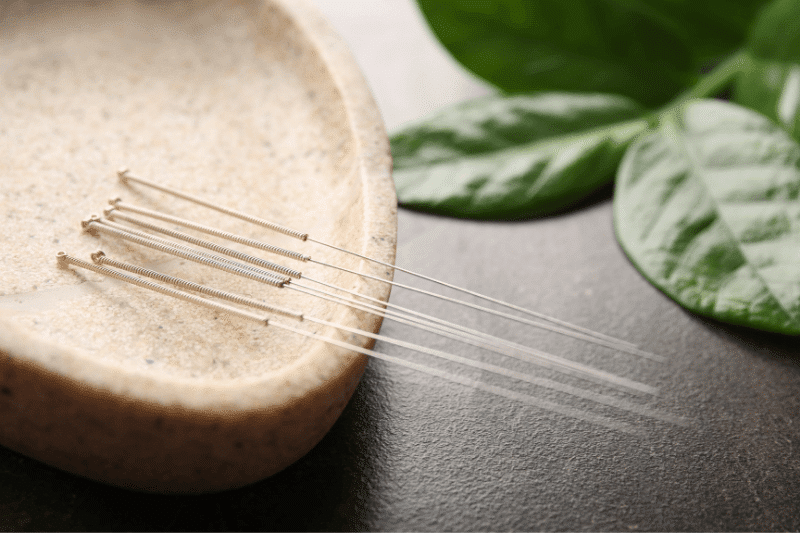
- Needles are taken from sterile packaging
- Used needles go into a sharps container
In the U.S., acupuncture needles are regulated as medical devices and must be sterile and labeled for single use.
8) Needle insertion and “De Qi” sensations
Acupuncture needles are solid and extremely thin, often compared to a human hair in thickness rather than an injection needle.
What you might feel:
- A tiny pinch that fades quickly
- A dull ache, heaviness, warmth, or tingling near the point
- A spreading sensation along a line or into a muscle
In TCM language, the characteristic sensation is often called De Qi. In practical terms, it is simply a normal response when a point is activated. It should not feel like sharp, ongoing pain.
- Sharp, stabbing pain that does not ease
- Numbness that feels wrong or radiates intensely
- Dizziness, nausea, sweating, or sudden faintness
A good practitioner will adjust depth, angle, or even remove the needle. The goal is a therapeutic signal, not a test of tolerance.
9) The resting phase (15–30 minutes that does the heavy lifting)
Once needles are placed, most sessions include a quiet retention period, commonly around 15 to 30 minutes.
This is where many first-timers have an unexpected experience: the body shifts into a calmer state. Some people nap. Others feel alert but deeply still. Some notice subtle muscle twitches, warmth changes, or a sense of heaviness. None of those automatically mean “good” or “bad.” They are common nervous system responses in a low-stimulation environment.
If you are worried about being “stuck,” you will not be. Practitioners either check in periodically or give you a call device. If you need something, you ask.
10) Add-on techniques (only if they fit your case)
Not every session includes extras. When they are used, it is usually because the practitioner believes the add-on matches your pattern better than needles alone.
- Electroacupuncture – This uses small electrical currents through certain needles. It is not painful in a healthy setup. It is often described as a gentle tapping or pulsing. (If you have an implanted electrical device, this is a reason to disclose it early.)
- Moxibustion (moxa) – A warming technique using dried mugwort near points or on needle handles. It is used when warmth is part of the treatment strategy.
- Cupping – Suction cups are placed on the skin to create a pulling sensation. This can leave temporary circular marks. It is often used for muscle tightness and restricted tissue mobility.
- Tui na or gentle bodywork – Gentle hands-on work can be included to release tight areas and improve mobility.
A practical insight that many first-timers appreciate: add-ons should feel purposeful, not like a menu upsell. If you do not understand why something is being added, you are allowed to ask.
11) Needle removal, quick reassessment, and next steps
Needle removal is usually quick and far less noticeable than insertion. You might see:
- A tiny drop of blood at one site
- Mild redness
- A small bruise later
These are typically minor and temporary. Common side effects in reputable settings include soreness and minor bleeding or bruising at needle sites.
Your practitioner may then:
- Recheck a tender area or range of motion
- Ask how you feel right now (lighter, sleepy, calm, unchanged)
- Give simple aftercare guidance
- Recommend timing for the next visit and what to track
Does It Hurt? A Practical Sensation Guide for First-Timers
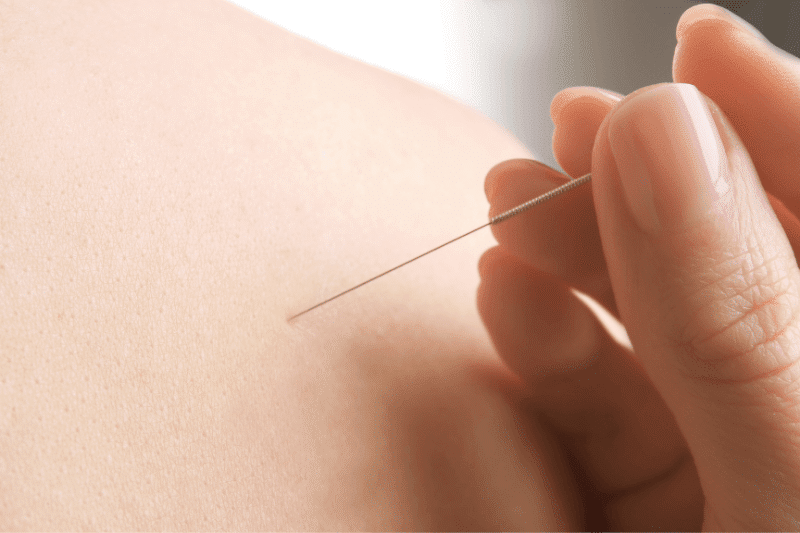
Most people do not experience acupuncture as painful in the way they imagine needles. The sensation profile is different from hypodermic injections because acupuncture needles are solid and extremely thin.
Common, normal sensations
- Brief pinch at insertion
- Dull ache or heaviness at a point
- Tingling or warmth
- A spreading sensation that fades
Less common but still normal
- Temporary emotional release (unexpected calm, tears, or a “pressure valve” feeling)
- Mild fatigue afterward
- A short-term symptom fluctuation as your body adjusts
Not normal, tell them immediately
- Sharp pain that persists
- Significant dizziness, nausea, cold sweats
- Intense radiating sensation that feels alarming
The best mental model: you are aiming for a therapeutic signal, not discomfort. If your practitioner welcomes feedback and adjusts quickly, you are in the right place.
How to Set Yourself Up for a Smoother Session
What should you wear to your acupuncture session?
Loose, comfortable clothing. Choose sleeves and pant legs that roll up easily. If back or hip work is likely, wear underwear you feel comfortable in under a gown or shorts.
Should you eat before an acupuncture session?
Have a light meal or snack within a few hours of your appointment. Arriving extremely hungry can increase the risk of feeling lightheaded.
How should you hydrate for an acupuncture session?
Drink water beforehand, but not so much that you feel uncomfortable lying still.
What should you avoid on acupuncture day?
Avoid heavy alcohol before your visit. If possible, do not schedule your session right after the most physically demanding part of your day.
What is worth bringing to an acupuncture session?
- A short list of medications and supplements
- Notes on symptoms, including timing, triggers, and intensity
- Any relevant imaging summary you already have
- A hair tie if you have long hair
- A small snack if you tend to feel shaky after appointments
After the Session: What to Do the Next 24 Hours
Many people feel deeply relaxed after acupuncture, while others feel clear-headed and energized. Both can be normal. Educational medical resources also note common minor effects like soreness and small bruising or bleeding at needle sites.
Helpful 24-hour guidelines:
- Hydrate and eat normally
- Keep movement gentle if you feel sleepy or “floaty”
- Avoid intense workouts if your body feels heavy or drained
- Limit alcohol right after if you want the clearest read on your response
- Note changes in sleep, pain intensity, headaches, digestion, mood, or energy
Contact the clinic if you experience significant worsening, unusual neurological symptoms, signs of infection, or anything that feels out of proportion to a normal mild post-treatment response.
How Many Sessions Will You Need?
It depends on what you are treating, how long it has been going on, and how your body responds. Acute issues often improve faster than long-standing symptoms.
For first-time patients, a realistic expectation is that acupuncture works best as a series. Your first session shows how you respond, follow-ups fine-tune point selection, and many people do a short initial course before spacing visits out if progress is steady.
To track whether it is working, note simple changes between sessions, such as pain levels and function, sleep quality, headache frequency, stress recovery, or digestion. If nothing changes after a reasonable trial, your practitioner should reassess and adjust the plan.
Frequently Asked Questions
Should I shower before acupuncture, or avoid lotions and oils?
A shower is fine, but heavy lotions, body oils, and greasy balms can make it harder to clean the skin properly and may affect needle grip. If you use skincare, keep it light and avoid applying thick products to areas that are likely to be needled, such as arms, legs, back, or shoulders. If you already have lotion on, it is not a dealbreaker. Your practitioner can still prep the skin.
How soon can I shower after acupuncture?
You can usually shower the same day. If you had moxibustion, cupping, or you feel unusually relaxed or lightheaded, many people prefer waiting a few hours and keeping the shower warm, not overly hot. Avoid scrubbing needle sites or cupping marks aggressively and skip harsh exfoliation for 24 hours.
Can I get acupuncture if I have tattoos, scars, or skin sensitivity?
Yes, in most cases. Needles can be placed through tattooed skin and around scars, although your practitioner may avoid very recent tattoos, inflamed skin, or areas that feel irritated. For sensitive skin, they can use fewer needles, gentler technique, or choose points farther from the most reactive areas. Always mention any history of skin reactions, eczema, keloid scarring, or topical steroid use so point selection and prep can be adjusted.
Should I book acupuncture before or after a massage, chiropractic, or physical therapy session?
It depends on your goal and how your body responds. If you want to reduce pain and calm muscle guarding first, acupuncture before massage or physical therapy can make movement work feel easier. If your PT or massage is already intense, acupuncture afterward can help your system downshift and reduce post-treatment soreness. For chiropractic adjustments, either order can work, but many people prefer acupuncture after an adjustment to settle tension and support relaxation. The simplest approach is to avoid stacking high-intensity sessions back to back on your first visit, then adjust based on how you feel.
What to Remember Before Your First Session
A first acupuncture session is usually calmer and more straightforward than most people expect. The visit starts with a focused intake and a quick assessment, then moves into needle placement and a quiet 15 to 30 minute rest period while your body settles. Along the way, a good practitioner explains what they are doing, checks in on comfort, and adjusts anything that feels off.
The most helpful mindset for first-time patients is to treat the first visit as both a treatment and a baseline. Pay attention to how you feel immediately after and over the next 24 hours, then bring those notes into your follow-up so the plan can be refined. With clear communication, safe technique, and a step-by-step approach, you can walk into your appointment knowing exactly what will happen and what to look for as progress builds.
At ACA Acupuncture and Wellness, your comfort comes first. We guide you through each step, check in regularly, and make simple adjustments so you feel safe, supported, and fully at ease throughout your session.
Ready to get started? Contact us to schedule your first appointment.
Sources:
Vickers, A., & Zollman, C. (1999). Acupuncture. BMJ, 319(7215), 973–976.

Cart (0)
Your cart is currently empty.


Cart (0)
Your cart is currently empty.