

World Diabetes Day (Nov 14): Managing Blood Sugar with Acupuncture and Chinese Medicine
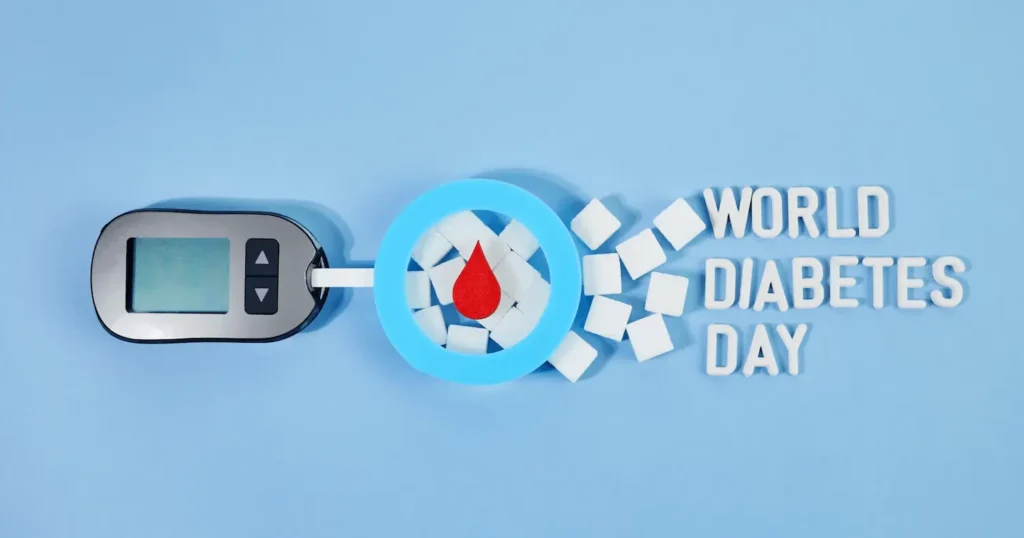
World Diabetes Day unites people worldwide to highlight awareness, education, and prevention of diabetes. It serves as a powerful reminder of the growing global challenge and the importance of managing blood sugar through sustainable, holistic approaches. Beyond modern treatment options, acupuncture and Chinese medicine offer valuable insights into supporting balance and improving insulin sensitivity. These traditional modalities also help reduce stress and enhance overall well-being, key factors that influence long-term blood sugar management.
Key Takeaways
- Acupuncture supports blood sugar balance by enhancing insulin sensitivity, reducing inflammation, and calming the stress response that impacts glucose control.
- Chinese herbal medicine complements treatment with natural compounds like berberine and astragalus that target metabolic and immune health.
- Integrative diabetes care works best when acupuncture and herbs are combined with conventional medicine for comprehensive blood sugar management.
- Lifestyle adjustments amplify results, especially when mindful movement, balanced nutrition, and stress reduction are practiced consistently.
- World Diabetes Day encourages awareness of holistic approaches, inspiring people to explore safe, evidence-based options like acupuncture and Chinese medicine.
Understanding Diabetes

Types of Diabetes: Type 1, Type 2, and Gestational
When it comes to diabetes, each diagnosis tells a different story. Type 1, often arising in youth, is rooted in autoimmune patterns where the body’s immune system targets insulin-producing cells. Type 2, now prevalent among adults and increasingly in younger populations, develops from a combination of genetics, lifestyle, and environmental influences that weaken insulin’s effectiveness. Gestational diabetes, meanwhile, uniquely manifests during pregnancy – a reminder of how dynamic and sensitive our bodies can be.
Causes and Risk Factors
It’s tempting to focus on sugar consumption alone, but the tapestry of risk factors for diabetes is strikingly complex:
- Genetics and Family History: A significant factor, especially for those with close relatives affected by diabetes.
- Sedentary Lifestyle: Limited physical activity contributes to insulin resistance and weight gain.
- Chronic Inflammation: Low-grade inflammation in the body can disrupt insulin signaling.
- Poor Sleep Habits: Inadequate or irregular sleep patterns affect glucose metabolism and hormone balance.
- Persistent Stress: Elevated cortisol levels can lead to higher blood sugar levels over time.
- Environmental Toxins: Exposure to pollutants, pesticides, and heavy metals may impact pancreatic and metabolic health.
- Gut Microbiome Imbalance: Disruptions in healthy gut bacteria can influence metabolic regulation and insulin response.
Symptoms and Complications
Diabetes rarely announces itself dramatically. Early signs may include:
- Unexplained fatigue
- Excessive thirst
- Frequent urination
- Blurry vision
- Slow healing of cuts or wounds
If left unmanaged, the condition can lead to serious complications such as:
- Nerve pain or neuropathy
- Kidney issues or nephropathy
- Frequent infections
- Cardiovascular problems
Conventional Treatments and Limitations
Modern medicine offers vital tools: glucose-lowering medications, insulin injections, and rigorous monitoring. Yet side effects, tolerance, and the emotional grind of daily management are real burdens. Many people feel as if their options are limited, stuck in a cycle that’s exhausting and, at times, overwhelming.
How Acupuncture Helps Manage Blood Sugar

Mechanisms of Acupuncture in Diabetes Control
Acupuncture isn’t just needles; it’s a language of the body, tapping into intricate networks that regulate stress hormones, insulin sensitivity, and pain perception. Stimulating specific points may balance the hypothalamic-pituitary-adrenal axis, quiet inflammation, and even encourage the regeneration of pancreatic beta cells. Researchers have begun to uncover acupuncture’s impact on blood biomarkers, metabolic function, and neuroendocrine pathways, sometimes with remarkable, measurable improvements in fasting blood glucose, HbA1c, and insulin levels.
Common Acupuncture Points
Our practice places particular emphasis on the following acupuncture points:
- ST36 (Zusanli) – Promotes systemic harmony, boosts energy, and supports digestion.
- SP6 (Sanyinjiao) – Balances the spleen, liver, and kidney meridians, enhancing metabolic function.
- CV12 (Zhongwan) – Supports the stomach and aids in regulating blood sugar through digestive balance.
- BL20 (Pishu) – Strengthens the spleen and assists in nutrient absorption and energy regulation.
- LI4 (Hegu) – Calms the nervous system and aids in stress management, which can affect blood sugar stability.
It’s never a one-size-fits-all protocol; instead, treatment flows from a holistic assessment, treating not just “the diabetes,” but the person living with it.
Frequency and Duration of Treatment
Lasting change takes commitment. Most studies, and our own clinical experience, suggest weekly sessions for several months are optimal, with gradual spacing as stability is reached. Adjustments are carefully made, mindful of fluctuations in energy, stress, and other life factors. Those who keep a consistent schedule often report greater balance, decreased reliance on medication, and a renewed sense of agency over their health.
Role of Chinese Herbal Medicine in Diabetes

Popular Herbs Used for Blood Sugar Management
The herbal apothecary reflects centuries of wisdom. Berberine, from Coptis chinensis, has gained acclaim for its potent glucose-lowering and anti-inflammatory properties, so much so it’s sometimes referred to as “nature’s metformin.” Astragalus membranaceus supports immune and metabolic health, while Panax ginseng is celebrated for fighting fatigue and supporting insulin signaling. Some formulas go further, combining multiple herbs to simultaneously address oxidative stress, digestive imbalances, and blood sugar spikes.
Formulations and Dosage
Custom herbal blends are crafted not just by diagnosis, but by “pattern differentiation”, a core Chinese medicine principle recognizing the subtleties of yin/yang, heat/cold, and organ imbalances. Both decoctions (boiled teas) and granules are used, always prescribed by practitioners trained to balance potency and minimize side effects. Dosage varies seasonally, with regular reviews as the patient’s condition evolves, a dynamic, bespoke approach you won’t find in standardized supplements.
Combining Herbs with Lifestyle Modifications
Herbal therapy shines brightest when paired with lifestyle transitions. We encourage clients to shift dietary habits away from processed foods, manage stress, and exercise gently, amplifying herbal benefits exponentially. Success stories abound: people who, with just a bit of strategic support, found their sugar numbers edging closer to normal, and their mood returning to vibrant health.
Potential Interactions and Safety Considerations
Safety remains paramount. Herbs are not risk-free; they can interact with pharmaceuticals, alter kidney and liver function, or irritate digestion. That’s why every formula is prescribed with medical history in mind, and progress is monitored closely.
Integrative Approach: Combining Acupuncture with Modern Diabetes Care
Benefits of Combining Conventional Medicine and Chinese Medicine
It’s exhilarating to witness synergy between Western and Eastern medicine. Clients utilizing both approaches often experience lowered medication dosages, improved energy, fewer side effects, and sharper mental clarity. Research shows integrating therapies leads to broader improvements, addressing not just glucose but cardiovascular risk, neuropathy, and systemic resilience. A partnership model, not an alternative, is what we champion.
How to Discuss Acupuncture with Your Healthcare Provider
Courage is required to forge new care paths. We advise our clients to bring evidence, ask questions, and advocate for their holistic needs. Our practitioners are happy to partner with endocrinologists, sharing treatment notes and contributing insights. Building a bridge across disciplines can pave the way for truly transformational healing, where medicine is as much about collaboration as it is about cure.
Lifestyle and Dietary Tips From Chinese Medicine

Traditional Dietary Recommendations for Diabetes
Rooted in Chinese wisdom, our nutritional (and culinary) tips emphasize whole grains (like quinoa and millet), vibrant greens, and cooked foods that soothe digestion. Bitter flavors, such as those found in dandelion greens, can support insulin resistance. Regular intake of soups and stews, moderate fruit, and minimal sugar offer gentle, sustainable blood sugar control. Add spices like cinnamon and turmeric to meals; they hold real promise in supporting metabolic health.
Qi Gong and Tai Chi for Blood Sugar Control and Stress Reduction
Movement is medicine, and not all movement is equal. Qi Gong and Tai Chi, practiced in the community, have demonstrated robust benefits in scientific trials, improving insulin sensitivity, lowering blood sugar, and reducing anxiety. Even five to ten minutes daily can generate a cascade of positive change, uplifting both body and soul. For those feeling overwhelmed by harsh fitness regimens, these gentle modalities are transformative and accessible.
Preparing for World Diabetes Day

How to Use This Day to Raise Awareness About Alternative Diabetes Treatments
World Diabetes Day offers a meaningful opportunity to highlight alternative approaches for supporting blood sugar balance. Many clinics and wellness practitioners, including us, use this day to share educational content, success stories, and information about how acupuncture and Chinese medicine contribute to metabolic health. The goal is to reduce stigma, expand understanding, and present safe complementary pathways for individuals managing diabetes.
Tips for Selecting Qualified Practitioners
Skill matters a lot. Always check credentials (state licensure, board certification), ask about diabetes-specific experience, and seek practitioners who prioritize communication and safety. At ACA Acupuncture, our team members undergo rigorous continuing education, keeping pace with the latest research. Your safety, comfort, and outcome are our non-negotiable priorities.
Transformative Paths to Lasting Blood Sugar Balance
Managing diabetes is an ongoing journey shaped by learning, adaptation, and whole-person support. With acupuncture, Chinese herbal medicine, mindful movement, and collaborative care, we guide clients toward tools that strengthen physical stability and emotional well-being.
On World Diabetes Day, we reaffirm our mission to lead with innovation, compassion, and education. At ACA Acupuncture & Wellness, we stand committed to helping individuals move toward greater balance, confidence, and long-term health.
Sources:
Liang, F., & Koya, D. (2009). Acupuncture: is it effective for treatment of insulin resistance? Diabetes Obesity and Metabolism, 12(7), 555–569. https://doi.org/10.1111/j.1463-1326.2009.01192.x
Lu, Z., Zhong, Y., Liu, W., Xiang, L., & Deng, Y. (2019). The efficacy and mechanism of Chinese herbal medicine on diabetic kidney disease. Journal of Diabetes Research, 2019, 1–14. https://doi.org/10.1155/2019/2697672

Cart (0)
Your cart is currently empty.



Cart (0)
Your cart is currently empty.