

World Mental Health Day (Oct 10): Acupuncture and Traditional Medicine for Stress & Anxiety Relief
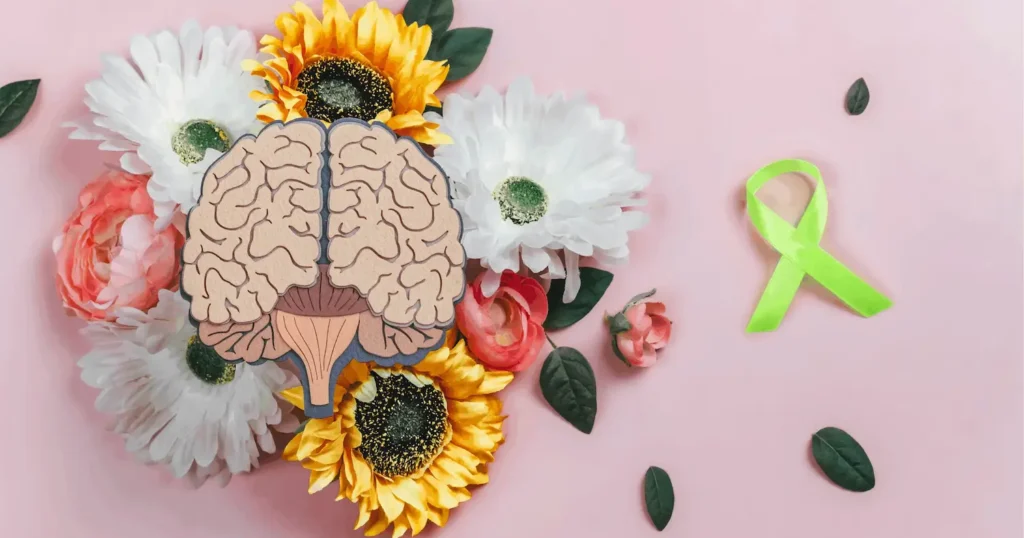
Every October 10, the world pauses to reflect on a subject that touches nearly every household: mental health. Stress and anxiety are no longer fleeting emotions we shake off; they have become daily companions for millions. On World Mental Health Day, we are reminded of the importance of acknowledging these struggles, not with shame, but with openness and a commitment to healing.
While modern medicine continues to advance, many are turning toward the timeless wisdom of traditional therapies like acupuncture, herbal medicine, and mindful practices that focus on balance and harmony. These approaches don’t just treat the symptoms; they nurture the body, calm the mind, and restore a sense of wholeness.
Key Takeaways
- World Mental Health Day raises awareness by encouraging open discussions and reducing stigma around stress and anxiety.
- Acupuncture supports balance by calming the nervous system and promoting natural relaxation.
- Traditional Chinese Medicine offers tools like herbs, moxibustion, and tai chi to complement modern mental health care.
- Holistic practices address root causes instead of only easing surface-level symptoms of stress.
- Integrating modern and traditional care enhances healing by combining scientific treatments with time-tested wisdom.
Understanding World Mental Health Day and Its Importance

World Mental Health Day, first observed in 1992, has grown into a global movement. Each year, it highlights a different theme, from depression to suicide prevention, creating opportunities for governments, communities, and individuals to spark conversation and push for better care. The observance is not limited to healthcare professionals; it invites schools, workplaces, and families to join in the effort to prioritize mental health.
The Rising Prevalence of Stress and Anxiety Worldwide
Today’s fast-paced lifestyle, marked by digital overload, economic uncertainty, and social pressures, has led to skyrocketing levels of stress and anxiety. According to the World Health Organization, anxiety disorders are among the most common mental health conditions worldwide, affecting over 300 million people. Left unchecked, stress and anxiety can erode relationships, productivity, and physical health.
Importance of Holistic Approaches for Mental Health Care
While conventional therapies like counseling and medication remain vital, holistic approaches offer another dimension of care. Acupuncture and other traditional practices address not only the emotional turmoil but also the physical imbalances stress creates. By working on both levels, these therapies encourage sustainable mental well-being.
Understanding Stress and Anxiety: Causes and Symptoms
Common Causes and Triggers
Stress and anxiety arise from multiple sources, many of which are woven into everyday life. Some of the most common triggers include:
- Demanding jobs and overwhelming workloads
- Financial strain or uncertainty about the future
- Relationship difficulties with family, friends, or partners
- Health concerns that create fear or insecurity
- Unresolved past traumas that resurface during stressful periods
In today’s digital world, constant notifications, social media pressures, and endless news cycles also heighten nervous tension and contribute to a sense of being on edge.
Physical, Emotional, and Mental Symptoms
The body often speaks before the mind catches up, sending early warning signals. Some of the most common signs include:
- Physical symptoms: headaches, muscle tension, digestive problems, insomnia, and fatigue
- Emotional changes: irritability, mood swings, or persistent worry
- Mental disruptions: difficulty focusing, memory lapses, or poor decision-making
When these symptoms persist over time, they can spiral into more serious conditions that affect overall health and well-being.
Long-Term Health Impacts if Untreated
Chronic stress and anxiety, if neglected, can lead to high blood pressure, heart disease, immune dysfunction, and mental health disorders such as depression. These impacts ripple outward, affecting not just the individual but also families, workplaces, and communities.
Acupuncture as a Traditional Therapy for Stress and Anxiety Relief

Acupuncture, a cornerstone of TCM, dates back thousands of years. It is based on the belief that energy, or Qi, flows through pathways in the body called meridians. When Qi becomes blocked, imbalances manifest as physical or emotional distress. Acupuncture restores flow, inviting balance back into the system.
How Acupuncture Works to Balance Qi and Calm the Nervous System
By inserting fine needles into specific points, acupuncture stimulates the nervous system in several important ways:
- Release of natural chemicals: It encourages the production of endorphins and serotonin, which elevate mood and reduce pain.
- Regulation of the stress response: It helps the body shift away from a constant state of “fight or flight.”
- Promotion of balance: It guides the body into a calmer “rest and restore” mode, supporting both emotional and physical recovery.
Together, these effects explain why acupuncture is valued as a therapy for stress and anxiety relief.
Scientific Evidence Supporting Acupuncture
Modern research has confirmed what TCM practitioners have long observed. Studies highlight several key benefits of acupuncture:
- Reduction in anxiety symptoms and cortisol levels – helping the body respond more calmly to stress
- Improved sleep quality – supporting deeper rest and mental recovery
- Better heart rate variability regulation – reflecting greater resilience of the nervous system
Clinical studies increasingly position acupuncture as a valid complementary treatment for mental health conditions, bridging the wisdom of tradition with the insights of modern science.
Common Acupuncture Points
Acupuncturists often select specific points to support mental well-being. Some of the most commonly used include:
- Yin Tang (between the eyebrows) – known for its calming effect on the mind
- Heart 7 (near the wrist) – used to ease anxiety and promote restful sleep
- Pericardium 6 (on the forearm) – helps reduce palpitations and soothe nervous tension
Each session is tailored to the individual, ensuring that the chosen points align with a person’s unique presentation of stress and emotional imbalance.
What to Expect During an Acupuncture Session
Patients can expect a calming environment, with gentle insertion of sterile needles that remain in place for 20–30 minutes. Many report entering a deeply relaxed, meditative state during treatment, emerging with a renewed sense of clarity and peace.
Other Traditional Medicine Techniques

Chinese Herbal Medicine Formulas
Chinese herbal medicine offers time-tested formulas that continue to be used for calming the mind. Two of the most common include:
- Suan Zao Ren Tang (Sour Jujube Decoction) – traditionally prescribed to ease insomnia, restlessness, and night sweats
- Xiao Yao San (Free and Easy Wanderer) – known for addressing irritability, mood swings, and emotional imbalance
Both of these blends work to nourish the heart, harmonize the liver, and ease the mind, offering natural support for stress and anxiety relief.
Moxibustion and Cupping Therapy
Moxibustion involves burning dried mugwort near acupuncture points to stimulate healing and relaxation. Cupping, on the other hand, uses suction cups to release muscle tension and increase circulation. Both methods help relieve physical stress stored in the body.
Acupressure and Ear Seeds
For those seeking at-home techniques, acupressure and ear seeds offer simple yet effective tools. Applying pressure to points like Pericardium 6 can reduce palpitations and calm nerves, while ear seeds placed on auricular points offer ongoing relief.
Mind-Body Practices from TCM
Qi Gong and Tai Chi combine movement, breath, and meditation to strengthen the body and steady the mind. Regular practice enhances resilience, reduces anxiety, and fosters a deep sense of inner calm.
Integrating Acupuncture and Traditional Medicine with Conventional Treatments
Complementary Role Alongside Psychotherapy and Medication
Acupuncture and traditional medicine should not be seen as replacements but as partners to conventional therapies. They often help reduce side effects of medication, enhance therapeutic outcomes, and provide relief when other methods fall short.
Safety Considerations and Consultation with Healthcare Providers
Integrating traditional medicine with modern care requires open communication. Patients are encouraged to consult licensed practitioners for guidance. They should also keep their healthcare providers informed to ensure treatments remain safe and well coordinated.
Lifestyle and Dietary Recommendations from Traditional Medicine for Mental Well-being

Foods and Herbs to Nourish the Heart and Calm the Spirit
Traditional Chinese Medicine recommends several foods and herbs that naturally nourish the heart and calm the spirit. Some helpful options include:
- Lotus seeds, jujube dates, and goji berries – often used to promote calmness and restore balance
- Chamomile, passionflower, and reishi mushroom – valued for their soothing and grounding properties
Including these ingredients in meals or teas can serve as a gentle way to support mental well-being.
Daily Habits and Mindfulness Techniques
Daily habits rooted in mindfulness can help stabilize emotions and energy. Some practices recommended by our practitioners include:
- Mindful breathing – focusing on deep, steady breaths to quiet the nervous system
- Journaling – releasing thoughts and emotions onto paper to reduce mental clutter
- Disconnecting from screens before bed – giving the mind time to rest naturally
Aligning daily routines with natural rhythms also helps regulate energy and emotions, creating a more balanced mental state.
Seasonal and Personalized Approaches to Mental Health Maintenance
In Traditional Chinese Medicine, mental health care is seen as a living process that changes with the seasons. Each part of the year has its own rhythm and focus:
- Spring – emphasizes movement, growth, and renewal, encouraging activities that boost energy and creativity
- Summer – highlights joy, social connection, and outward expression, reminding us to nurture relationships and balance excitement with rest
- Autumn – calls for reflection, letting go of what no longer serves us, and supporting the lungs with calming practices
- Winter – focuses on conservation, rest, and inner reflection, urging us to replenish our reserves through quiet activities and nourishing foods
Alongside these seasonal shifts, personal constitution, a person’s unique body type, emotional tendencies, and health patterns guide individualized care. This combination makes recommendations more effective and sustainable over time.
Preparing for World Mental Health Day: Tips to Promote Awareness and Self-Care
- Organize workshops to educate and engage community members
- Host discussions at schools, workplaces, or local groups
- Share resources on social media to broaden awareness
- Create safe spaces where people feel comfortable talking about mental health
- Schedule an acupuncture session for relaxation and balance
- Explore calming herbal teas that ease stress and promote sleep
- Try gentle practices like Tai Chi to build resilience and mental clarity
Embracing Holistic Healing on World Mental Health Day
World Mental Health Day is more than a date on the calendar; it is a reminder of our shared humanity and the need for compassion in health care. Stress and anxiety may feel overwhelming, but there are pathways to healing that embrace both modern science and ancient wisdom. By integrating acupuncture, herbal medicine, and mindful practices with conventional care, we open doors to balance, resilience, and renewed hope.
On this day and beyond, let us remember that mental well-being is a journey, not a destination. At ACA Acupuncture & Wellness, we are honored to walk alongside our community, offering holistic care that nurtures both body and spirit. Together, we can create space for healing, awareness, and growth.

Cart (0)
Your cart is currently empty.


Cart (0)
Your cart is currently empty.