

Chinese Herbs for Men’s Prostate Health: A Holistic Path to Wellness
Chinese Herbs for Men’s Prostate Health: Best Remedies for BPH & Urinary Symptoms
Chinese herbs support prostate health by reducing inflammation, improving urinary flow, regulating hormonal activity, and restoring systemic balance. Instead of targeting a single symptom, Traditional Chinese Medicine (TCM) views prostate conditions as the result of interconnected dysfunctions involving circulation, fluid metabolism, and endocrine function.
From a modern perspective, many prostate issues are driven by chronic inflammation, hormonal shifts involving testosterone and dihydrotestosterone (DHT), and reduced pelvic circulation. TCM addresses these factors simultaneously through personalized herbal formulas based on patterns such as Damp-Heat, Qi stagnation, and Kidney deficiency.
Because prostate health affects urinary function, hormonal balance, and quality of life, a pattern-based approach can be especially valuable. When used correctly, Chinese herbal medicine can complement modern care, improve symptom control, and support long-term prostate health.
Key Takeaways
- Chinese herbs support prostate health by reducing inflammation, improving circulation, and influencing hormonal balance
- Conditions such as BPH and prostatitis often correspond to TCM patterns like Damp-Heat and Kidney deficiency
- Multi-herb formulas provide synergistic effects that enhance effectiveness compared to single herbs
- Consistent use, accurate diagnosis, and supportive lifestyle habits are key to better outcomes
- Professional guidance helps ensure safety, proper formulation, and long-term results
What Chinese Herbs Do for Prostate Health
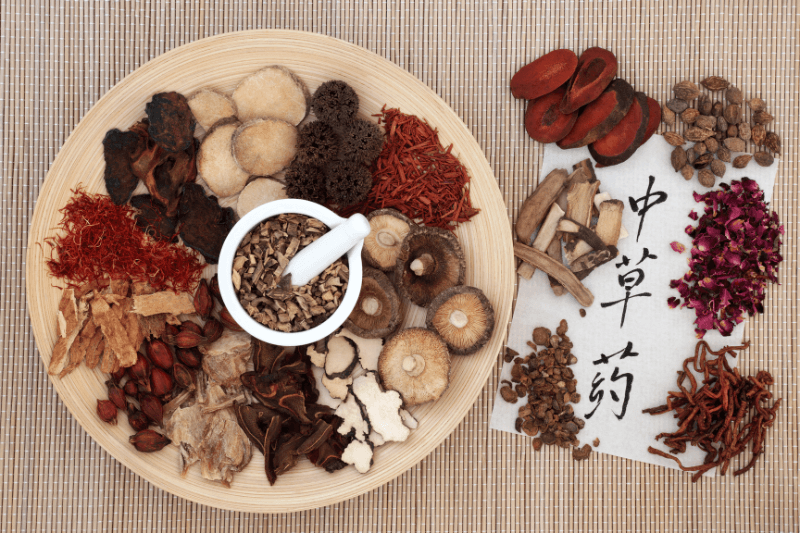
Chinese herbal medicine works through four primary mechanisms that align with both traditional theory and modern physiology.
1. Reduces Inflammation
Chronic inflammation is a major contributor to prostate enlargement and discomfort. In TCM, this is often described as internal Heat or Damp-Heat.
Herbs such as Zhi Zi (Gardenia) and Dan Zhu Ye (Lophatherum) help clear this heat, calm irritated tissues, and reduce inflammatory processes that affect the prostate.
2. Improves Urinary Flow
Urinary symptoms like weak stream, urgency, and incomplete emptying often result from obstruction or fluid imbalance.
Herbs such as Qu Mai (Dianthus) and Hua Shi (Talcum) promote urination, reduce fluid retention, and help relieve pressure in the lower urinary tract. This improves bladder function and reduces discomfort.
3. Regulates Hormonal Activity
Hormonal changes, particularly those involving DHT, are closely linked to prostate enlargement.
Certain herbs support the body’s regulatory systems, especially those associated with the Kidney in TCM, which governs aging, reproduction, and endocrine balance. This may help moderate the processes that contribute to prostate growth over time.
4. Enhances Circulation
Reduced blood flow in the pelvic region can lead to tissue congestion, swelling, and delayed healing.
Herbs like San Qi (Notoginseng) improve microcirculation, helping deliver oxygen and nutrients while reducing stagnation and discomfort.
Why Formulas Matter
Chinese herbal therapy typically combines multiple herbs into formulas that work together. This allows for:
- Broader therapeutic coverage
- Greater effectiveness through synergy
- Reduced likelihood of side effects
This multi-layered approach is a key reason herbal formulas are often more effective than single-ingredient treatments.
Understanding Prostate Conditions (Quick Guide)
Benign Prostatic Hyperplasia (BPH)
A noncancerous enlargement of the prostate that compresses the urethra and restricts urine flow. It is strongly associated with aging and hormonal changes.
Prostatitis
Inflammation of the prostate that may involve infection or chronic pelvic dysfunction. Symptoms often include pain, discomfort, and urinary issues.
Prostate Cancer
A condition involving abnormal cell growth in the prostate. It may develop slowly and often presents without symptoms in early stages.
Common Symptoms (Lower Urinary Tract Symptoms – LUTS)
- Frequent urination
- Weak or interrupted urine stream
- Night urination (nocturia)
- Pelvic discomfort or pressure
- Feeling of incomplete bladder emptying
These symptoms reflect dysfunction in both the prostate and surrounding urinary system.
TCM vs Western Medicine: Key Differences
Western Medicine
- Focus: anatomy, pathology, and measurable disease
- Treatments: medications, surgery, antibiotics
- Strength: diagnostics, acute care, and disease management
Traditional Chinese Medicine
- Focus: systemic imbalance and functional patterns
- Treatments: herbal formulas, acupuncture, lifestyle therapy
- Strength: long-term regulation and prevention
Integrative Approach
Using both systems together allows for better outcomes by combining precise diagnosis with holistic support and symptom management.
TCM Root Causes of Prostate Problems
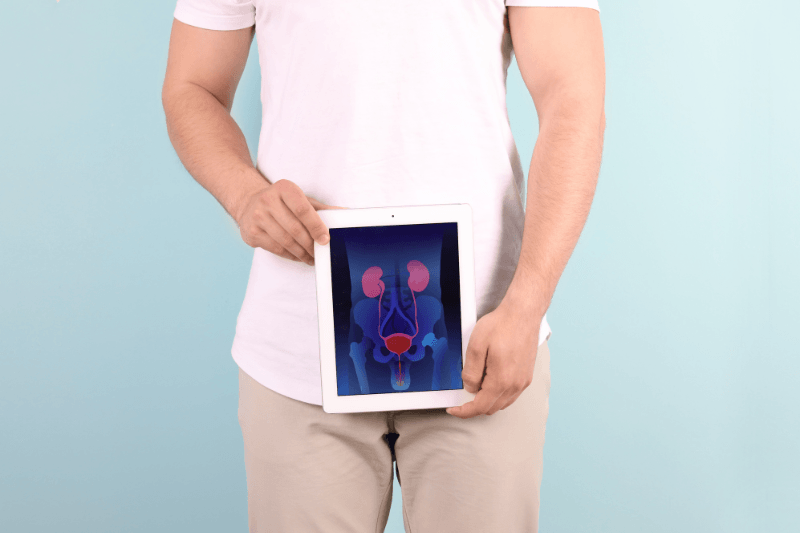
In TCM, prostate conditions reflect deeper systemic imbalances rather than isolated organ dysfunction.
Damp-Heat Accumulation
Often associated with inflammation and infection
Symptoms:
- Burning urination
- Urgency
- Pelvic heaviness or swelling
Liver Qi Stagnation
Associated with stress and emotional tension
Symptoms:
- Pelvic discomfort
- Irregular or fluctuating urinary patterns
Kidney Deficiency (Yin or Yang)
Linked to aging and hormonal decline
Symptoms:
- Frequent urination, especially at night
- Fatigue and low energy
- Reduced urinary control
Blood Stagnation
Develops in chronic or long-standing conditions
Symptoms:
- Sharp or fixed pain
- Persistent or worsening symptoms
Each pattern reflects a different physiological pathway, which is why treatment must be individualized. Proper identification of these patterns is essential for selecting the most effective herbal strategy.
Best Chinese Herbs for Prostate Health (Ranked)
Chinese herbs are selected based on their functional roles within a formula. Each herb targets a specific pathway involved in prostate dysfunction, including inflammation, urinary obstruction, hormonal imbalance, and impaired circulation. Rather than acting in isolation, these herbs are typically combined to create a balanced and targeted therapeutic effect.
1. Qu Mai (Dianthus)
Qu Mai promotes urination and clears Damp-Heat from the lower urinary tract. It is commonly used for symptoms such as burning urination, urgency, and difficulty passing urine.
This herb is particularly effective in patterns associated with inflammation or infection, where excess heat and fluid accumulation obstruct normal urinary flow.
2. San Qi (Notoginseng)
San Qi improves blood circulation, reduces inflammation, and supports tissue repair. It is especially valuable in chronic prostatitis or long-standing prostate conditions where poor circulation contributes to persistent discomfort and delayed healing.
By enhancing microcirculation, it helps reduce swelling and supports recovery of affected tissues.
3. Yi Zhi Ren (Alpinia)
Yi Zhi Ren strengthens Kidney Yang and improves bladder control. It is often used for frequent urination, leakage, and reduced urinary control, particularly in aging-related conditions.
It works by supporting the body’s underlying energy systems that regulate fluid retention and elimination.
4. Zhi Zi (Gardenia)
Zhi Zi clears internal Heat and reduces inflammatory activity. It is commonly used when prostate irritation is accompanied by sensations of heat, discomfort, or agitation.
Its cooling and detoxifying properties help calm inflamed tissues and reduce symptom intensity.
5. Shan Zhu Yu (Cornus)
Shan Zhu Yu stabilizes Kidney function and helps control excessive urination. It is often used in deficiency patterns where the body struggles to retain fluids, leading to frequent urination or nighttime waking.
It also supports long-term regulation of urinary function and vitality.
6. Wu Wei Zi (Schisandra)
Wu Wei Zi helps regulate fluid balance and reduces leakage. It is known for its astringent properties, which help “contain” fluids and improve control.
In addition, it supports stress resilience, which can indirectly improve symptoms influenced by nervous system tension.
7. Rou Gui (Cinnamon Bark)
Rou Gui warms Kidney Yang, improves circulation, and enhances metabolic activity. It is best suited for cold-type patterns, where symptoms include frequent urination, low energy, and poor circulation.
By warming and activating the system, it helps restore functional balance in the lower body.
Why These Herbs Are Used in Combination
Each herb targets a different aspect of prostate dysfunction. When combined into formulas, they:
- Address both root causes and symptoms simultaneously
- Balance opposing needs such as clearing inflammation while supporting deficiency
- Enhance overall effectiveness through synergistic interaction
This multi-layered strategy is a defining feature of Chinese herbal medicine and a key reason for its clinical effectiveness.
Most Effective Herbal Formulas for Prostate Conditions
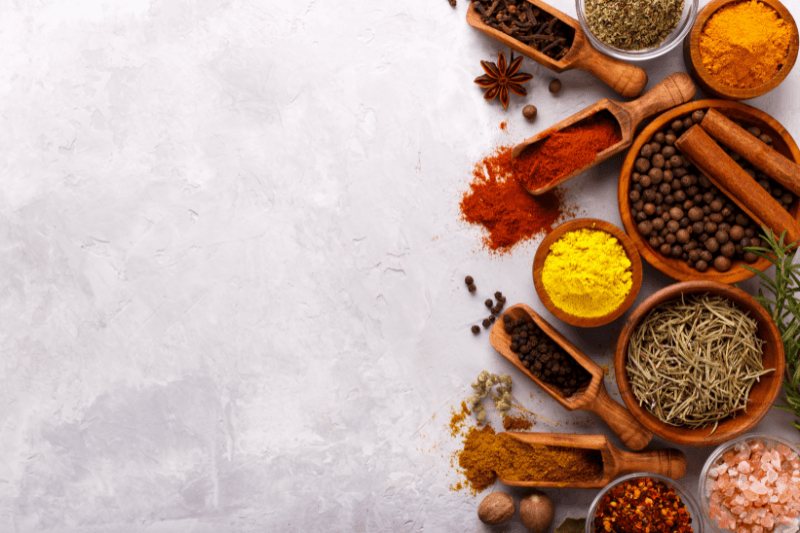
Chinese herbal formulas are designed to match specific TCM patterns rather than treating a diagnosis alone. This allows for more precise and adaptable care.
Ba Zheng San
Used for acute urinary symptoms associated with Damp-Heat. It helps relieve burning urination, urgency, and inflammation by clearing heat and promoting urination.
It is often used in short-term or acute presentations.
Danggui Beimu Kushen Wan
This formula combines blood-moving, detoxifying, and heat-clearing herbs. It is commonly used for chronic prostatitis or persistent inflammation where both stagnation and toxicity are involved.
It supports both symptom relief and underlying tissue recovery.
Jin Gui Shen Qi Tang
A foundational formula for Kidney deficiency, particularly in aging-related conditions. It is used for symptoms such as frequent urination, fatigue, cold sensations, and reduced vitality.
It works by strengthening the body’s core regulatory systems over time.
Qian Lie Xian Wan
A modern herbal formula developed specifically for prostate enlargement and urinary dysfunction. It integrates traditional herbal principles with contemporary clinical applications.
It is often used for BPH-related symptoms such as weak stream and incomplete emptying.
Why Formulas Work Better
Formulas provide a comprehensive approach by:
- Targeting multiple mechanisms at once
- Adapting to individual symptom patterns
- Reducing the risk of imbalance from single-agent use
This makes them more flexible and effective in real-world conditions.
How Long Do Chinese Herbs Take to Work?
Chinese herbal medicine focuses on gradual regulation rather than rapid suppression of symptoms.
Typical timelines:
- Mild symptoms: noticeable improvement within 2 to 4 weeks
- Moderate conditions: 1 to 3 months for consistent relief
- Chronic conditions: longer-term management and stabilization
What affects results:
- Accuracy of pattern diagnosis
- Consistency of herbal use
- Diet, stress, and lifestyle factors
- Duration and severity of the condition
Early improvements often include reduced urgency and better flow, while deeper hormonal and systemic changes take longer.
Are Chinese Herbs Safe for Prostate Health?
Chinese herbs are generally safe when used appropriately and under professional guidance. However, safety depends on correct formulation and quality sourcing.
Potential risks include:
- Using the wrong herbs for your pattern
- Interactions with medications such as blood thinners or hormone therapies
- Low-quality, contaminated, or improperly processed herbs
You should avoid self-prescribing if:
- You are currently taking prescription medication
- You have a chronic or complex medical condition
- You are unsure of your diagnosis or TCM pattern
A qualified practitioner ensures proper herb selection, dosage, and monitoring.
Diet and Lifestyle for Prostate Support
Diet and lifestyle directly influence inflammation, circulation, and hormonal balance, all of which affect prostate health.
Reduce Inflammatory Triggers
- Alcohol
- Caffeine
- Spicy, greasy, and fried foods
These can contribute to internal Heat and worsen urinary symptoms.
Support Prostate Function with Nutrition
- Leafy greens and cruciferous vegetables for anti-inflammatory compounds
- Nuts and seeds for healthy fats and hormone support
- Seaweed and legumes for mineral balance and metabolic health
Lifestyle Habits That Improve Outcomes
- Maintain a healthy weight to reduce pressure on pelvic organs
- Avoid prolonged sitting to improve circulation
- Engage in regular physical activity to support metabolism and fluid movement
These changes enhance the effectiveness of herbal treatment and support long-term stability.
Integrative Therapies That Improve Results
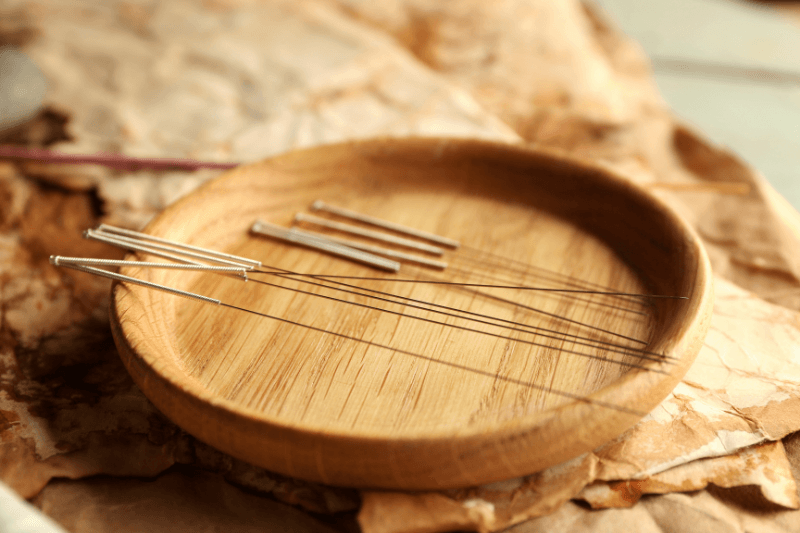
Combining herbal medicine with additional therapies can significantly improve outcomes.
Acupuncture
Acupuncture supports nervous system regulation, improves urinary flow, and reduces pelvic pain by enhancing circulation and reducing tension.
Pelvic Floor Therapy
Strengthens muscles involved in bladder control and helps reduce urgency, leakage, and incomplete emptying.
Qi Gong and Gentle Movement
Encourages circulation, reduces stress, and promotes systemic balance, which is essential for long-term prostate health.
Daily Routine for Prostate Health
Building consistent habits helps reinforce treatment and prevent symptom recurrence.
Morning
- Hydrate to support urinary function
- Perform light movement or stretching to activate circulation
Daytime
- Avoid delaying urination
- Maintain regular movement and avoid prolonged sitting
Evening
- Reduce fluid intake after dinner to minimize nighttime urination
- Practice relaxation techniques to reduce stress-related symptoms
Weekly
- Include structured exercise
- Prioritize stress management and recovery
Consistency in these habits plays a major role in long-term results.
When to See a Doctor
Seek medical attention if you experience:
- Blood in urine or semen
- Severe or persistent pelvic pain
- Sudden inability to urinate
- Rapid worsening of urinary symptoms
Chinese herbal medicine works best as part of an integrative approach and should not replace necessary medical evaluation or treatment.
A Smarter, Long-Term Approach to Prostate Health
Chinese herbal medicine offers a personalized, system-based approach to prostate health by targeting inflammation, circulation, hormonal balance, and age-related changes. Rather than focusing only on symptoms, it works to restore overall balance, making it especially useful for conditions like benign prostatic hyperplasia (BPH) and prostatitis.
Through tailored herbal formulas, this approach can improve urinary flow, reduce discomfort, and support more stable function over time. It emphasizes gradual regulation, which makes it well-suited for managing chronic or recurring prostate issues.
When combined with proper diagnosis, consistent use, and supportive lifestyle habits, Chinese herbal medicine becomes part of a sustainable strategy for long-term prostate health, working alongside modern care to maintain function and quality of life.
At ACA Acupuncture and Wellness, care focuses on identifying and correcting the underlying imbalances that affect prostate health through herbal medicine, acupuncture, and supportive therapies. Learn more about our services and how a personalized approach can support lasting improvement and overall wellness.
Sources:
Xue, Y., et al. (2019). Traditional Chinese medicine for chronic prostatitis/chronic pelvic pain syndrome: A systematic review.
Yeh, H. F., et al. (2020). The effects of Chinese herbal medicine on benign prostatic hyperplasia: A clinical trial.
Zeng, H., et al. (2024). Comparative efficacy of poly-herbal traditional Chinese medicine formulations for benign prostatic hyperplasia: A systematic review and network meta-analysis.
Chinese herbal medicine can support prostate health by reducing inflammation, improving circulation, and helping regulate hormonal activity. When properly prescribed, herbal formulas may improve urinary flow and reduce symptoms associated with conditions like BPH and prostatitis.
Results vary depending on the severity of the condition and consistency of use. Mild symptoms may improve within a few weeks, while more chronic conditions often require several months of consistent treatment to see meaningful and lasting results.
There is no single “best” herb, as treatment in Traditional Chinese Medicine is based on individual patterns. Herbs like Qu Mai, San Qi, and Yi Zhi Ren are commonly used, but they are typically combined into formulas tailored to your specific symptoms and underlying imbalance.
Chinese herbs are generally safe when prescribed by a qualified practitioner. Safety depends on proper diagnosis, correct formulation, and high-quality sourcing. Self-prescribing or combining herbs with medications without guidance may increase risks.
Yes, Chinese herbal medicine is often used alongside conventional treatments as part of an integrative approach. It may help improve symptom control and overall quality of life, but it should not replace medical care when it is needed.
Chinese herbal formulas may help reduce common urinary symptoms such as frequent urination, weak stream, urgency, nighttime urination, and pelvic discomfort. They work by addressing both the symptoms and the underlying imbalances contributing to prostate dysfunction.
Testimonials

Cart (0)
Your cart is currently empty.


Cart (0)
Your cart is currently empty.