

Chinese Medicine for Eczema: A Holistic TCM Approach to Itching, Flare-Ups, and Long-Term Skin Health
Key Takeaways
- Chinese medicine views eczema as a pattern-based condition involving heat, dampness, wind, blood deficiency, spleen weakness, or liver-related stress.
- TCM treatment may include Chinese herbs, acupuncture, topical washes, dietary therapy, and lifestyle changes.
- Wet, red, inflamed eczema is often approached differently from dry, chronic, scaly eczema.
- Acupuncture may help support itch relief, sleep, stress regulation, and inflammation control.
- Chinese herbs should be used only with qualified guidance because quality, dosage, pregnancy, medication interactions, and contamination risks matter.
What Is Eczema in Traditional Chinese Medicine?
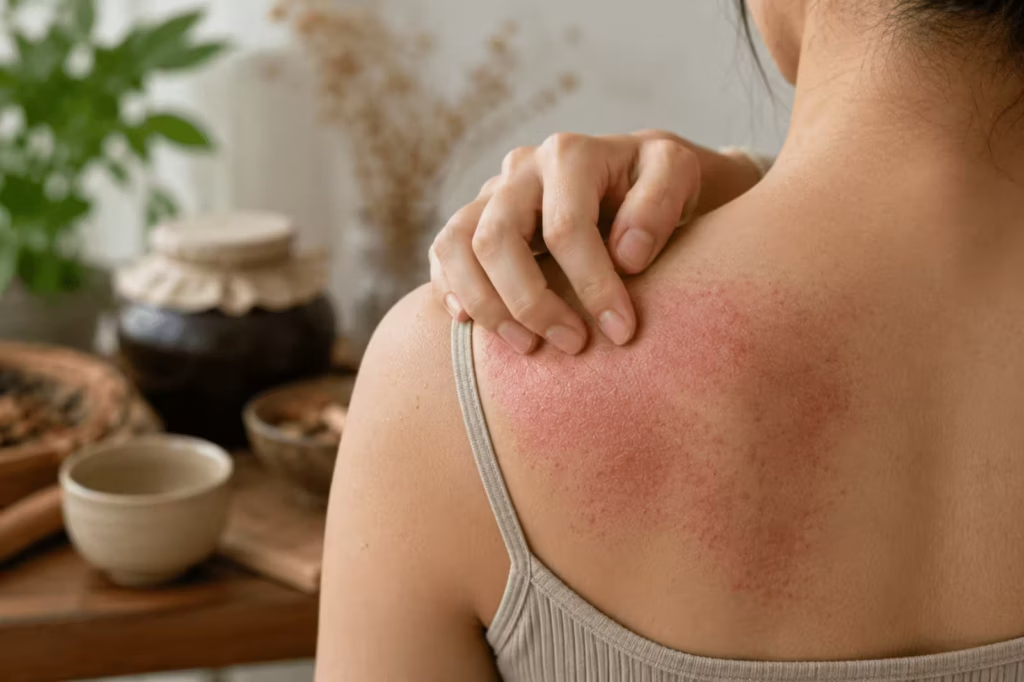
In Traditional Chinese Medicine, eczema is not viewed only as a skin problem. It is understood as an external expression of internal imbalance involving Qi, Blood, Yin, Yang, organ systems, and pathogenic factors such as wind, dampness, and heat.
In Western medicine, eczema is associated with inflammation, impaired skin barrier function, immune dysregulation, and environmental sensitivity. In TCM, these same patterns may be interpreted through concepts such as damp-heat, wind-heat, blood deficiency, spleen Qi deficiency, or liver heat.
This does not mean TCM replaces dermatology. Instead, it offers a different diagnostic framework. A dermatologist may describe eczema as inflammatory, chronic, itchy, and barrier-related. A Chinese medicine practitioner may ask why the body is producing recurring heat, dampness, dryness, or itching in the first place.
What Causes Eczema According to Chinese Medicine?
Chinese medicine commonly links eczema to wind, dampness, heat, blood deficiency, spleen weakness, and emotional stress. These patterns help explain why eczema can look different from person to person and why flare-ups often return after short-term relief.
Damp-Heat
Damp-heat is one of the most common TCM patterns in eczema. It may appear as red, swollen, itchy, inflamed, or oozing skin.
In TCM, dampness can make eczema feel heavy, sticky, swollen, or weepy. Heat creates redness, burning, irritation, and inflammation. When dampness and heat combine, the skin may become intensely uncomfortable and prone to recurring flare-ups.
Wind
Wind is associated with movement, sudden onset, and itching. In eczema, wind may explain rashes that appear quickly, move from one area to another, or feel intensely itchy.
Wind often combines with heat or dampness. Wind-heat may cause red, itchy, inflamed patches. Wind-damp may cause itching with swelling, moisture, or recurring irritation.
Blood Deficiency
Blood deficiency in TCM is often connected with chronic dryness, scaling, rough skin, and persistent itching. This pattern may appear in people with long-term eczema, especially when the skin becomes thickened, cracked, or dry.
The TCM logic is that the skin is not being adequately nourished. When Blood is insufficient, dryness and itching become more prominent.
Spleen Qi Deficiency
The spleen in TCM is closely connected with digestion, fluid metabolism, and dampness. When spleen Qi is weak, the body may struggle to transform fluids properly. This can contribute to dampness, swelling, weeping skin, digestive issues, fatigue, and recurring eczema.
This is why TCM eczema care often includes dietary therapy. The goal is not just to calm the skin but to reduce the internal conditions that may keep producing dampness.
Liver Qi Stagnation and Heat
Stress is a major eczema trigger for many people. In TCM, emotional stress can disrupt liver Qi flow. When liver Qi becomes stagnant, it may transform into heat, which can rise to the skin and worsen redness, inflammation, and itching.
This creates a common cycle:
- Stress affects liver Qi.
- Liver Qi stagnation creates heat.
- Heat aggravates the skin.
- Itching disrupts sleep.
- Poor sleep increases stress.
- The flare continues.
Why Eczema Keeps Coming Back
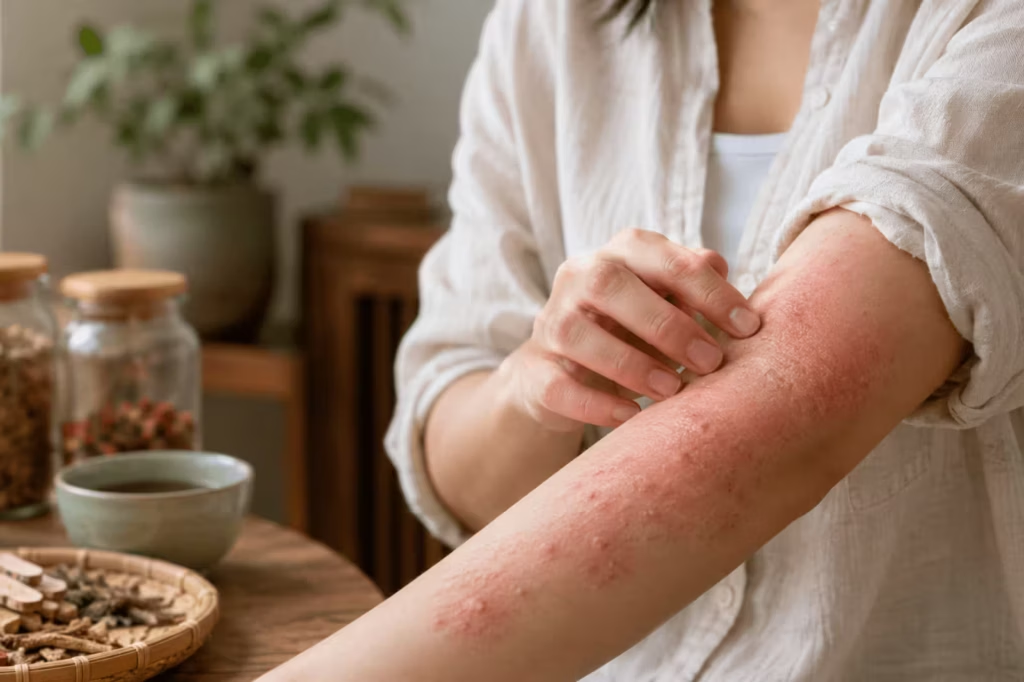
Eczema keeps coming back because the skin barrier, immune system, environment, stress response, and personal triggers often remain active even after the visible rash improves. In TCM, recurring eczema suggests that the underlying pattern has not fully resolved.
Short-term creams may calm inflammation. Moisturizers may protect the barrier. Antihistamines may reduce itching. These can be useful, but many people still flare again when exposed to heat, sweat, stress, allergens, harsh skincare products, certain foods, or weather changes.
Chinese medicine focuses on recurrence by asking deeper pattern questions:
- Why does the skin become inflamed so easily?
- Why does itching worsen at night?
- Why is the eczema wet in one person but dry in another?
- Why does stress trigger one person while humidity triggers another?
This pattern-based thinking is one of the main reasons people seek TCM for chronic eczema support.
Common Eczema Patterns in TCM
Different eczema presentations suggest different TCM patterns. These are not self-diagnoses, but they help explain how practitioners think.
| Eczema Presentation | Possible TCM Pattern | Common Features |
| Red, hot, inflamed, itchy skin | Wind-heat or blood heat | Redness, burning, fast flare-ups |
| Oozing, swollen, sticky lesions | Damp-heat | Weeping skin, swelling, humidity sensitivity |
| Dry, cracked, scaly skin | Blood deficiency or Yin deficiency | Chronic dryness, night itching, rough texture |
| Thickened skin from long-term scratching | Blood deficiency with stagnation | Lichenification, chronic itch-scratch cycle |
| Eczema with fatigue and bloating | Spleen Qi deficiency with dampness | Digestive weakness, heaviness, recurring damp symptoms |
| Stress-triggered flares | Liver Qi stagnation transforming into heat | Emotional tension, irritability, red flares |
Common Eczema Triggers According to TCM
TCM considers eczema triggers important because external irritants often activate internal imbalance patterns.
Common triggers include:
- Stress and emotional strain
- Hot, humid, windy, or dry weather
- Sweating and overheating
- Spicy, greasy, fried, or sugary foods
- Alcohol
- Harsh soaps, detergents, fragrances, and skincare products
- Dust, pollen, pet dander, and environmental allergens
- Poor sleep
- Overwork and fatigue
- Digestive upset
Modern dermatology also recognizes that eczema can flare due to irritants, allergens, climate, infection risk, and barrier disruption. Atopic dermatitis often affects flexural areas such as behind the knees, inside the elbows, and the neck, and it can be long-lasting with periodic flares.
Best Chinese Herbs for Eczema
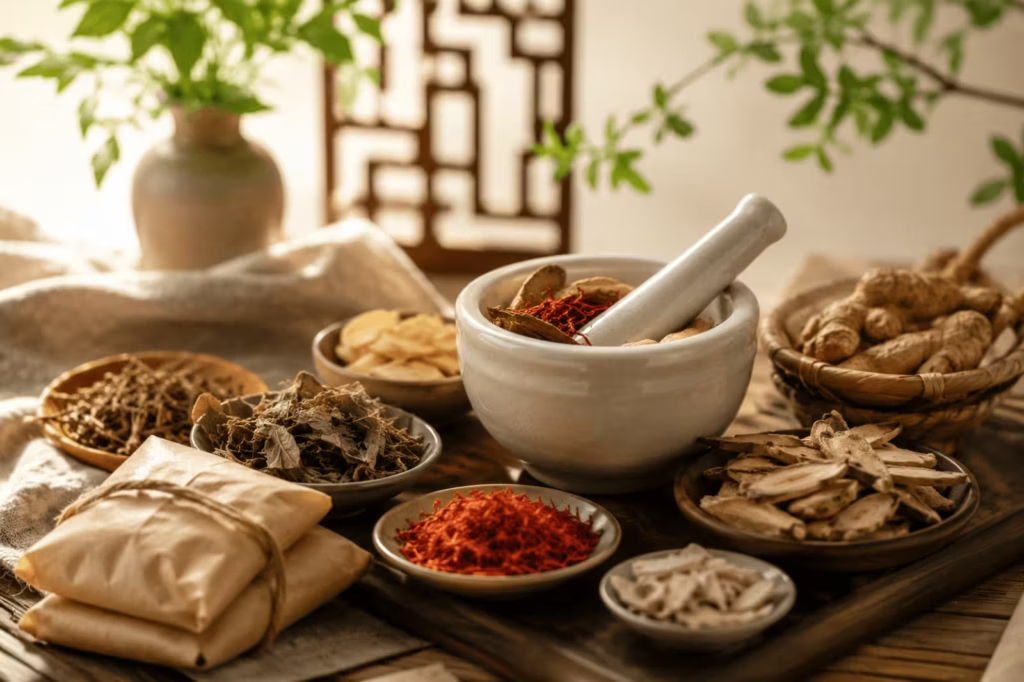
Chinese herbs for eczema are selected according to the eczema pattern, not only the diagnosis. Common herbs and formulas include Xiao Feng San, Ku Shen, Huang Qin, Qing Dai, Zi Cao, Huang Bai, Dang Gui, and formulas that clear heat, drain dampness, dispel wind, or nourish Blood.
Xiao Feng San
Xiao Feng San is one of the best-known formulas for itchy skin patterns involving wind, dampness, and heat. It is often considered when eczema is itchy, red, inflamed, and recurring.
Ku Shen
Ku Shen is commonly used for itching, damp-heat, and inflamed skin. In TCM, it clears heat, dries dampness, and relieves itching.
It may be used internally or topically depending on the case and practitioner guidance.
Huang Qin
Huang Qin is often used when heat and inflammation are prominent. It is traditionally used to clear heat, dry dampness, and calm inflammatory patterns.
Huang Bai
Huang Bai is commonly associated with damp-heat, especially when there is swelling, oozing, or lower-body damp-heat presentation.
Qing Dai
Qing Dai is a cooling herb sometimes used in topical preparations for inflamed, hot, irritated skin. It should be used carefully and only under professional guidance.
Zi Cao
Zi Cao is traditionally used to cool Blood, support skin healing, and calm red or inflamed presentations.
Dang Gui
Dang Gui is often used in formulas for dryness, Blood deficiency, and chronic skin irritation. It is more relevant for dry, long-term eczema than for wet, oozing damp-heat presentations.
Topical Herbal Treatments for Eczema
Topical Chinese herbal treatments may include washes, compresses, ointments, creams, or baths. These are usually selected based on whether the eczema is wet, dry, hot, itchy, cracked, or inflamed.
For example:
- Oozing eczema may require herbs that clear damp-heat.
- Red, hot eczema may require cooling herbs.
- Dry, cracked eczema may require nourishing and moisturizing support.
- Intensely itchy eczema may require wind-dispelling and itch-calming herbs.
Topical herbs should not be applied to open, infected, bleeding, or severely irritated skin without professional supervision.
Can Acupuncture Help Eczema?
Acupuncture may help eczema by supporting itch regulation, stress response, sleep quality, circulation, and inflammatory balance. It is often used alongside herbal medicine, skincare changes, and dietary therapy.
Commonly selected acupuncture points may include points used to clear heat, nourish Blood, regulate Qi, calm itching, and support digestion. The exact point prescription depends on the person’s pattern.
Research on acupuncture for atopic dermatitis suggests potential benefit, especially for itch and symptom management, although evidence quality varies and more rigorous studies are still needed.
From a practical perspective, acupuncture may be especially helpful when eczema flares are linked with stress, poor sleep, anxiety, tension, or the itch-scratch cycle.
Other TCM Therapies for Eczema
Dietary Therapy
Dietary therapy is central in many TCM eczema plans because digestion, dampness, heat, and inflammation are closely connected in Chinese medicine.
A practitioner may recommend reducing foods that contribute to dampness or heat while emphasizing foods that support digestion, hydration, and skin recovery.
Moxibustion
Moxibustion uses warming stimulation from mugwort. It is not appropriate for every eczema case.
For hot, red, inflamed, or actively weeping eczema, warming therapies may aggravate symptoms. Moxibustion is more likely to be considered when cold, deficiency, or sluggish circulation patterns are present.
Cupping and Gua Sha
Cupping and gua sha may be used in some TCM settings to move Qi and Blood, but they are not usually applied directly over active eczema lesions. They should be avoided over broken, infected, inflamed, or fragile skin.
Stress Regulation
Stress is one of the most important eczema triggers. TCM care may include breathing exercises, sleep support, meditation, gentle movement, and acupuncture to help regulate the nervous system.
Foods to Eat and Avoid for Eczema in TCM
TCM dietary therapy for eczema is individualized. The goal is not to follow a universal eczema diet but to match food choices to the person’s pattern.
Foods Often Reduced
People with damp-heat or inflammatory eczema may be advised to reduce:
- Spicy foods
- Fried foods
- Greasy meals
- Alcohol
- Excess sugar
- Highly processed foods
- Too much dairy
- Heavy, rich foods
Foods Often Emphasized
Depending on the pattern, a practitioner may suggest:
- Cooked vegetables
- Light soups
- Pears
- Mung beans
- Bitter greens
- Millet or rice congee
- Hydrating foods
- Simple, easy-to-digest meals
For dry eczema, the focus may shift toward nourishing fluids and Blood. For damp eczema, the focus may be on supporting digestion and reducing damp-forming foods.
Scientific Evidence for Chinese Medicine and Eczema
Research on Chinese medicine for eczema is growing, but the evidence is mixed and depends on the therapy, formula, study design, and patient population.
Modern eczema research recognizes atopic dermatitis as a complex condition involving skin barrier dysfunction, immune response, environmental triggers, neurological factors, and inflammation.
Some studies suggest acupuncture may help reduce itch and improve symptoms in atopic dermatitis, but researchers also note that stronger trials are needed.
Research on Chinese herbal medicine for eczema is more complex because formulas vary widely. A nationwide prescription database study identified patterns in how Chinese herbal medicine is used for eczema, showing that formulas and herb combinations are commonly selected based on clinical pattern differentiation.
The strongest position is integrative and realistic: Chinese medicine may support eczema management, especially when treatment is individualized, but it should not replace urgent medical care, infection treatment, dermatologist-prescribed therapy, or necessary medication.
How Long Does Chinese Medicine Take to Work for Eczema?

Chinese medicine for eczema may take several weeks to several months, depending on severity, chronicity, triggers, constitution, and treatment consistency.
Acute flare-ups may improve faster when the correct pattern is identified. Chronic eczema usually takes longer because the skin barrier, immune reactivity, sleep disruption, stress cycle, and internal pattern may all need support.
General expectations:
- Mild flare-ups may respond within a few weeks.
- Chronic eczema may require several months of care.
- Long-term management often focuses on reducing flare frequency, itch intensity, and trigger sensitivity.
- Diet, sleep, stress, skincare, and environmental changes strongly affect results.
Safety, Risks, and Precautions
Chinese medicine can be helpful for eczema support, but safety matters. Herbs, acupuncture, topical products, and supplements should be used with qualified guidance.
The National Center for Complementary and Integrative Health notes that some Chinese herbal products have been contaminated with heavy metals, pesticides, toxic compounds, microorganisms, or incorrect herbs, which can create safety risks.
Extra caution is needed for:
- Babies and children
- Pregnancy
- Breastfeeding
- Liver or kidney disease
- Immune disorders
- Severe allergies
- People taking prescription medications
- Open, infected, bleeding, or painful eczema
- Fever, pus, spreading redness, or signs of skin infection
Seek medical care promptly if eczema becomes infected, rapidly worsens, causes severe pain, spreads quickly, or affects sleep and daily life severely.
Can Chinese Medicine Cure Eczema?
Chinese medicine does not guarantee a permanent cure for eczema. Its goal is to reduce flare-ups, calm symptoms, support the skin, improve internal balance, and lower trigger sensitivity over time.
Eczema is usually chronic and recurrent. Even when symptoms improve, the tendency to flare may remain. This is why long-term eczema care often includes skin barrier repair, trigger management, stress regulation, diet, sleep, and personalized treatment.
A realistic goal is fewer flares, less itching, better sleep, calmer skin, and improved quality of life.
A More Holistic Way to Support Eczema Relief
Eczema can affect comfort, confidence, sleep, mood, and daily routines. A holistic approach looks beyond the visible rash and considers the skin barrier, immune response, digestion, stress, environment, and personal triggers.
Traditional Chinese Medicine offers a pattern-based way to understand why eczema appears, why it returns, and how different symptoms may require different forms of care. For some people, that may mean acupuncture for itch and stress. For others, it may involve herbal formulas, topical washes, dietary support, or a full integrative plan.
At ACA Acupuncture & Wellness, eczema care is approached through individualized assessment, TCM pattern differentiation, and supportive treatment planning. Contact us to learn whether Chinese medicine may be appropriate for your eczema concerns.
Sources:
Chen, H., Lin, Y., Hu, S., Yang, S., Chen, J., & Chen, Y. (2015). Identifying Chinese Herbal Medicine Network for Eczema: Implications from a Nationwide Prescription Database. Evidence-based Complementary and Alternative Medicine, 2015, 1–9.
The best Chinese medicine for eczema depends on the pattern. Damp-heat eczema may require heat-clearing and damp-draining herbs, while dry chronic eczema may require Blood-nourishing and moisturizing support.
Acupuncture may help reduce eczema itching by supporting nervous system regulation, stress response, circulation, and inflammatory balance. Research suggests potential benefit, but results vary.
In Chinese medicine, eczema often reflects patterns such as wind, dampness, heat, Blood deficiency, spleen Qi deficiency, or liver Qi stagnation. These patterns guide treatment choices.
In TCM, spicy foods, fried foods, greasy meals, alcohol, excess sugar, and highly processed foods may worsen dampness or heat in some eczema patterns.
Chinese herbs do not guarantee a permanent cure. They may help reduce flare-ups, itching, inflammation, and recurrence when matched correctly to the person’s pattern.
Chinese medicine can be safe when provided by qualified practitioners using properly sourced herbs and clean acupuncture techniques. It may also help skin clear naturally by addressing underlying imbalances associated with eczema. However, self-prescribing herbs can be risky, especially during pregnancy or while taking medication.
Testimonials

Cart (0)
Your cart is currently empty.

Cart (0)
Your cart is currently empty.