

Chinese Medicine for Kidney Stones: Natural Ways to Ease Pain and Prevent Recurrence
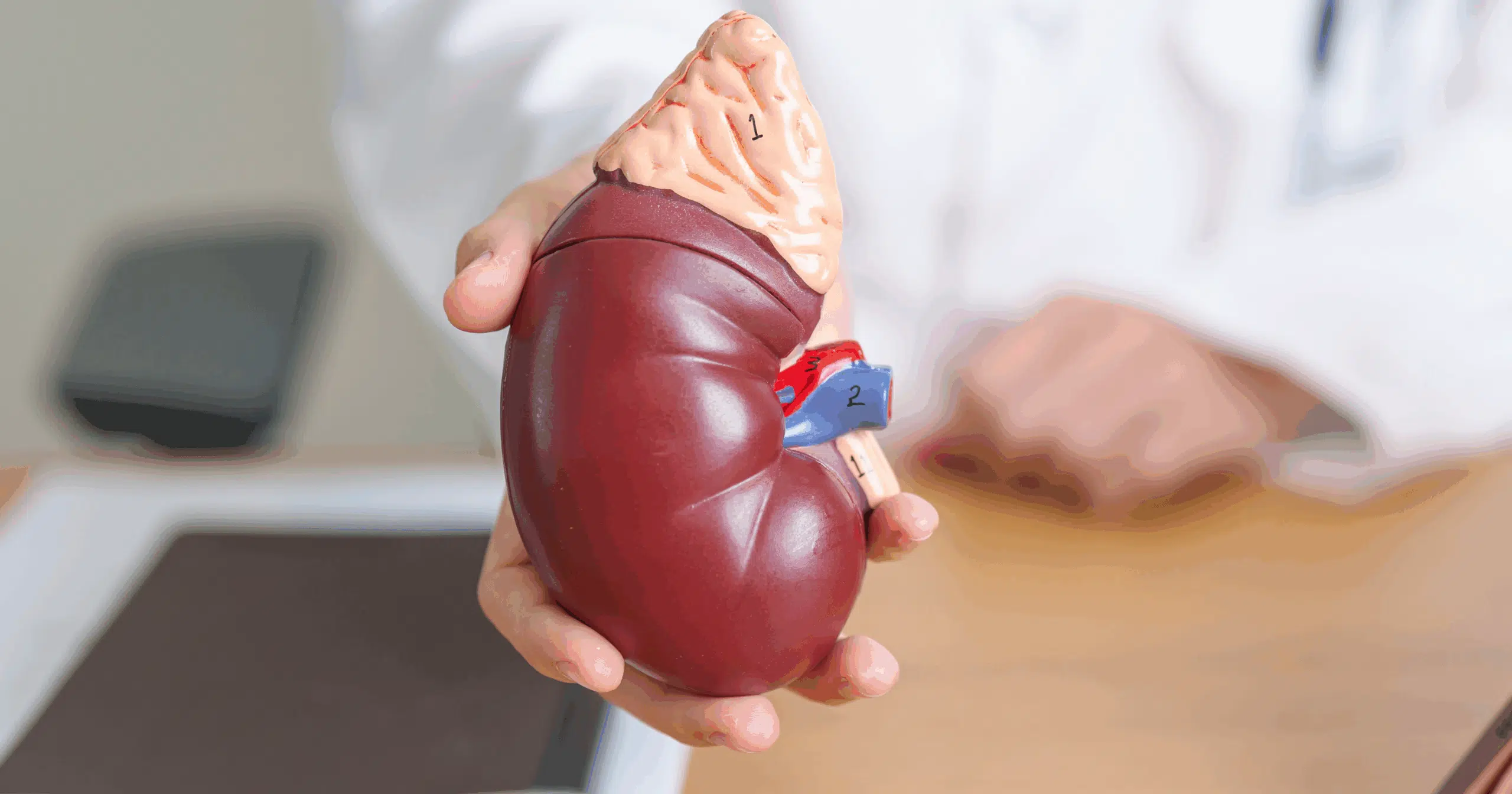
Key Takeaways
- Chinese medicine targets the root imbalance behind kidney stones by restoring kidney Qi, improving fluid flow, and preventing mineral buildup.
- Acupuncture promotes natural stone passage and relieves pain by stimulating key energy points that support urinary and kidney function.
- Herbal remedies like Jin Qian Cao and Hai Jin Sha work to dissolve stones, ease inflammation, and strengthen long-term kidney health.
- Diet and hydration play a crucial role in Chinese medicine by reducing internal heat and dampness that lead to stone formation.
- Mindful practices such as Qi Gong and meditation help manage stress, support kidney energy, and lower the risk of recurrence naturally.
Understanding Kidney Stones: Causes, Symptoms, and Conventional Treatments
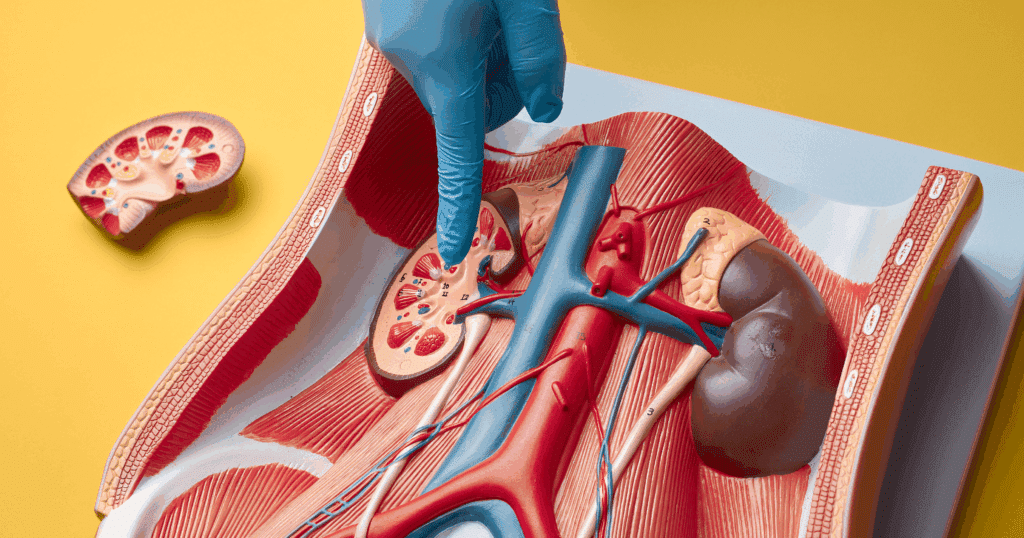
Kidney stones are solid crystalline formations that develop in the urinary tract when minerals like calcium, oxalate, or uric acid accumulate and crystallize. These stones can vary in size and shape, sometimes causing no symptoms and other times triggering excruciating pain as they pass through narrow urinary pathways.
Common Causes and Risk Factors
Kidney stone development often appears in patients who experience chronic dehydration, follow diets high in sodium or oxalates, or have underlying conditions that disrupt mineral balance. These reflect the primary causes of stone formation, including concentrated urine, excessive mineral buildup, and metabolic issues that allow crystals to form and grow.
Common risk factors include:
- Low fluid intake, which concentrates minerals and encourages crystal formation.
- High‑salt or high‑oxalate diets, often seen in cases where processed foods or spinach, nuts, and tea are consumed excessively.
- Family history, since genetics can increase the likelihood of recurrence.
- Medical conditions such as gout, hyperparathyroidism, or metabolic disorders that alter calcium and uric acid levels.
- Certain medications, including diuretics or supplements that increase calcium or uric acid levels.
Understanding how these causes and risk factors show up in real cases helps guide prevention. For example, individuals with recurring stones often report long periods of inadequate water intake or diets heavy in salty snacks and fast food, which amplify their risk. Recognizing these links is essential for long‑term kidney health.
Typical Symptoms of Kidney Stones
Symptoms can appear suddenly and vary in intensity, often disrupting daily routines and signaling that the body is under significant strain. They highlight not only the need for immediate care but also reveal patterns that may point toward deeper lifestyle factors.
Common symptoms include:
- Severe abdominal or back pain, often described as one of the most intense forms of pain.
- Blood in the urine, indicating irritation or injury within the urinary tract.
- Frequent or urgent urination, sometimes accompanied by discomfort.
- Nausea or vomiting, triggered by the body’s response to extreme pain.
Recognizing these symptoms early provides an opportunity to seek timely treatment and begin evaluating underlying habits that may increase the likelihood of stone formation.
Overview of Conventional Treatment Options
Conventional approaches include pain management, medications to facilitate stone passage, and procedures like shock wave lithotripsy or surgery. These methods can be effective for immediate relief, helping patients manage acute discomfort. However, they sometimes overlook holistic prevention and can entail risks and side effects.
Limitations and Side Effects of Conventional Approaches
Many patients experience side effects such as discomfort from medication, risks associated with surgery, and the frustration of recurrence. These challenges often leave individuals searching for safer and more sustainable solutions. This highlights the need for integrative therapies that support long‑term kidney health beyond symptomatic treatment.
Traditional Chinese Medicine (TCM) and Kidney Stones: An Ancient Healing Perspective
TCM views kidney stones as manifestations of underlying imbalances in the body’s energy flow, specifically disruptions in kidney Qi, blood, and fluid metabolism. These disruptions can create the internal conditions that allow stones to form and cause symptoms. The kidneys are more than organs; they are the seat of vital energy that governs water metabolism and bone health, and they connect deeply with emotional well-being.
How TCM Explains the Formation of Kidney Stones
Stones arise when dampness, heat, and stagnation obstruct the pathways through which fluids normally flow. These blockages may develop due to factors such as poor diet, chronic stress, or environmental influences that disrupt fluid metabolism. TCM aims to clear these obstructions and restore the natural flow of Qi and fluids by addressing both the root imbalance and its physical manifestations.
The Role of Qi, Blood, and Kidney Energy in Stone Formation
Adequate Qi ensures smooth flow and transformation of fluids, while blood nourishes tissues and strong kidney energy supports detoxification. When any of these functions weaken or become stagnant, the body struggles to regulate fluids properly.
How imbalances contribute to stone formation:
- Weak Qi slows fluid movement, allowing minerals to settle.
- Insufficient blood nourishment disrupts tissue health and fluid metabolism.
- Kidney energy deficiency limits detoxification and filtration capacity.
- Stagnation creates the internal environment where crystals can form and harden into stones.
Comparing Western and TCM Views on Kidney Stones
While Western medicine focuses on the physical stone itself, TCM provides a fuller picture emphasizing systemic balance, prevention, and individualized treatment to promote lasting kidney function and overall health.
| Approach | Focus | Strengths |
| Western Medicine | Physical removal or breakdown of stones | Fast relief, effective for acute cases |
| TCM | Systemic balance, Qi flow, prevention | Holistic care, long‑term kidney support, individualized treatment |
Natural Chinese Medicine Treatments for Kidney Stones
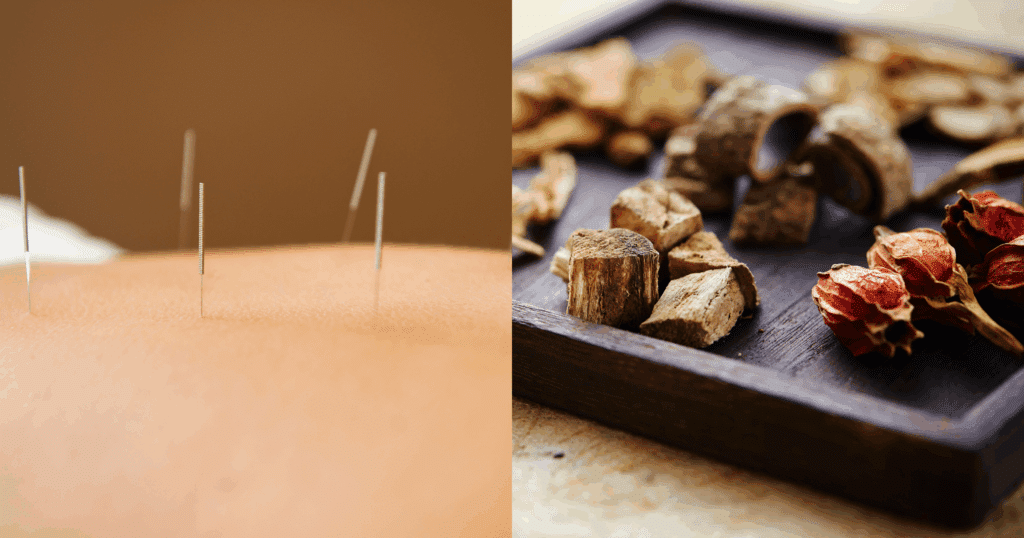
Acupuncture for Kidney Stone Pain Relief and Stone Expulsion
Acupuncture stimulates specific points to relieve pain, reduce inflammation, and enhance the body’s natural ability to move stones out through urinary pathways. This gentle approach supports the kidneys by improving energy flow and easing tension in the surrounding areas.
Key benefits of acupuncture for kidney stones:
- Pain reduction through calming the nervous system.
- Improved circulation to support stone movement.
- Reduced muscle spasms that contribute to discomfort.
- Enhanced kidney function through targeted point stimulation.
Common Acupuncture Points Used:
KI3, SP6, BL23, and others tailored according to individual assessment. These points are selected for their ability to support kidney function, regulate fluid metabolism, and ease tension in the lower back and abdomen.
How these points work:
- KI3 helps strengthen kidney Qi and improve overall vitality.
- SP6 harmonizes spleen, liver, and kidney pathways to reduce inflammation.
- BL23 supports lower‑back strength and enhances the kidney’s restorative functions.
- Additional points may be added depending on the practitioner’s assessment of Qi stagnation, heat, or deficiency patterns.
Each point targets a different aspect of the body’s energy system, allowing practitioners to customize treatment according to the patient’s unique imbalance.
Chinese Herbal Medicine for Dissolving and Preventing Kidney Stones
Herbal combinations such as Jin Qian Cao (Lysimachia), Hai Jin Sha (Lygodium spores), and Ba Zheng San formulations work synergistically to dissolve stones, calm inflammation, and facilitate urinary flow. These remedies are used to support the urinary system while easing discomfort naturally.
How these herbs help:
- Jin Qian Cao helps break down stone formations and promotes smoother passage.
- Hai Jin Sha reduces inflammation and clears damp‑heat from the urinary system.
- Ba Zheng San addresses stagnation and supports urination to flush out sediment.
Herbal Formulas to Support Kidney Health and Stone Prevention:
These formulas are personalized based on patterns such as damp‑heat accumulation or kidney Yang deficiency, allowing practitioners to match treatment with the patient’s internal imbalance.
Dietary Therapy in TCM for Kidney Stones
Nutrition in TCM serves as medicine to balance internal heat and dampness. It emphasizes foods and habits that support smooth fluid movement and prevent the accumulation of minerals that form stones.
Supportive foods for kidney health:
- Water-rich fruits to improve hydration
- Lotus seeds to calm internal heat
- Barley to reduce dampness and support digestion
Foods and habits to limit:
- Spicy and greasy meals that increase internal heat
- Excessively salty foods that strain the kidneys
- Poor eating routines that disrupt fluid balance
Hydration in TCM: Proper fluid intake is vital because it helps maintain smooth urine flow, flushes sediments, and prevents the environment in which stones can form.
Lifestyle and Preventive Practices in Chinese Medicine for Kidney Health

Qi Gong and Tai Chi for Supporting Kidney Function
Gentle movement practices improve circulation of Qi and fluids, helping the kidneys function more efficiently. These exercises strengthen kidney energy by supporting smoother flow throughout the body. They also reduce stress levels, which plays a crucial role in preventing stone formation and supporting recovery.
Stress Reduction Techniques to Balance Energy
Chronic stress disrupts kidney Qi by creating tension and stagnation in the body. Mindfulness, meditation, and breathing exercises calm the nervous system and replenish kidney vitality. These practices help maintain systemic balance, lowering the likelihood of future stone development.
Sleep and Rest: Importance of Circadian Rhythm
The kidneys naturally rest and regenerate between 5 and 7 pm according to TCM’s circadian clock. Prioritizing restorative sleep strengthens kidney repair processes and supports overall energy balance. Consistent rest prevents energy depletion, which can otherwise contribute to stone formation.
Research and Evidence on Chinese Medicine for Kidney Stones
Recent research highlights how traditional approaches may complement modern understanding of kidney stone management, particularly in areas related to urinary health and inflammation. A 2024 review by Chanchal, Dilip Kumar, and Satish Kumar Sharma explores the potential of Madhuca longifolia and notes that certain plant‑based compounds may offer supportive benefits within traditional therapeutic frameworks, while emphasizing that current findings are preliminary and require further validation.
Another study by Du et al. (2020) presents a protocol for systematically reviewing how traditional Chinese medicine may work alongside conventional treatments for kidney stones in women. Their work reflects growing scientific interest in integrative care models and underscores the need for cautious interpretation, as strong clinical evidence is still developing and outcomes may vary across individuals.
Embracing a Holistic, Natural Approach to Kidney Stone Relief and Prevention
Kidney stone management through Chinese medicine is not a quick fix but a journey toward restoring harmony within the body. We believe this path offers not only relief from painful episodes but also empowers individuals with preventative tools rooted in centuries of healing tradition. By embracing acupuncture, herbal therapy, tailored diet, and mindful lifestyle shifts, patients can find balance, resilience, and wellness. At ACA Acupuncture & Wellness, we are committed to supporting you through every step of this natural healing process for a healthier, freer life.
Sources:
Chanchal, Dilip Kumar, and Satish Kumar Sharma. “Exploring the Therapeutic Potential of Madhuca Longifolia in Traditional Chinese Medicine for the Management of Kidney Stones and Various Diseases: A Review.” Pharmacological Research – Modern Chinese Medicine, vol. 11, June 2024, p. 100452, https://doi.org/10.1016/j.prmcm.2024.100452.
Du, Hong, et al. “Traditional Chinese Medicine Combined with Conventional Therapy for Female Kidney Stone: A Protocol for Systematic Review.” Medicine, vol. 99, no. 13, 2020, p. e19611, journals.lww.com/md-journal/fulltext/2020/03270/traditional_chinese_medicine_combined_with.25.aspx, https://doi.org/10.1097/MD.0000000000019611.
Prevention focuses on maintaining adequate hydration to keep urine diluted and reduce mineral concentration. Dietary adjustments such as limiting salt, animal protein, and oxalate-rich foods help balance internal body fluids according to TCM principles. Regular use of targeted Chinese herbal formulas and lifestyle practices like Qi Gong support kidney function and reduce the likelihood of stone formation.
Paishi Decoction is a classic and widely used herbal formula in Chinese medicine that helps dissolve stones and relieve symptoms by promoting urinary flow and reducing inflammation. Other effective formulas may include Si Ni San and San Jin Pai Shi Tang, which address underlying energy imbalances and clear dampness and heat. These formulas are tailored to individual patterns and prescribed by licensed practitioners.
Ancient healers relied on empirical herbal remedies and acupuncture to alleviate pain, enhance the body’s natural elimination of stones, and restore energy balance. Diet and lifestyle were adjusted according to seasonal and constitutional needs to prevent recurrence. Their approach embraced a holistic view of kidney health, emphasizing prevention through maintaining harmony and proper fluid metabolism.
Jin Qian Cao, Hai Jin Sha, and Gou Qi Zi are herbs traditionally used to nourish kidney Qi and promote detoxification. Fu Ling and Ze Xie help remove excess dampness that contributes to stones. Madhuca longifolia offers additional nephroprotective benefits, supporting renal function and reducing damage associated with stones.
Supplements high in calcium or oxalate, such as excessive vitamin D, calcium citrate, or high-dose vitamin C, can exacerbate stone formation. Be cautious with herbal supplements not customized for kidney health, as some may contain ingredients that increase stone risk. Consulting a TCM practitioner ensures safe and appropriate herb and supplement use that supports your unique constitution.
In Chinese medicine, the kidneys are closely associated with fear and anxiety, which can disrupt kidney Qi and weaken its functions. Chronic stress and unresolved fear may contribute to imbalances that promote stone development. Cultivating emotional balance through meditation, Qi Gong, and lifestyle support is vital for holistic kidney health.
Testimonials

Cart (0)
Your cart is currently empty.


Cart (0)
Your cart is currently empty.