

Complementary and Alternative Cancer Treatments: 11 Options Patients Often Consider

The 11 complementary and alternative cancer treatments patients ask about most
You will see a mix of mind-body practices, physical therapies, and biologically active treatments. The key is not the label, but how each option is used, what symptom it targets, and whether it is coordinated with your oncology team.
1. Acupuncture and acupressure

Acupuncture uses very thin needles at specific points on the body. Acupressure uses finger pressure or small tools at the same points. In integrative oncology, these techniques are used to support symptom control, not to treat the cancer itself.
Large organizations now recognize acupuncture as a supportive therapy in cancer care. The National Comprehensive Cancer Network and integrative oncology guidelines highlight acupuncture as an option for:
- Chemotherapy-induced nausea and vomiting
- Cancer-related pain and joint pain
- Treatment-related hot flashes
- Fatigue and sleep disturbances
- Peripheral neuropathy symptoms in some patients
Experienced oncology acupuncturists carefully adapt treatments based on:
- Blood counts and bleeding risk
- Location of ports, catheters, and surgical scars
- Presence of lymphedema or risk in affected limbs
- Bone metastases and fracture risk
- Infection risk in severely immunocompromised states
Acupressure or auricular (ear) points may be used when needles are not appropriate. When fatigue limits tolerance for longer sessions, a brief sequence of calming points combined with slow, steady breathing can help settle the nervous system and ease tension.
2. Yoga, tai chi, and qigong
Yoga, tai chi, and qigong combine gentle movement, breath, and focused attention. In cancer care, these practices are adapted to be accessible even when energy is low or balance is limited.
Multiple trials and systematic reviews have found that yoga can reduce anxiety and depression and improve quality of life across the cancer treatment trajectory. Tai chi and qigong have shown benefits for fatigue, sleep, and balance in some survivor populations.
In many oncology and integrative settings:
- During active treatment, practitioners emphasize slow, supported postures and short sessions.
- For patients with neuropathy or balance issues, chair-based options and stable stances are prioritized.
- When there are bone metastases, high-impact or aggressive ranges of motion are avoided, and the oncologist is kept involved in decisions about weight bearing.
Done well, these practices become a way to rebuild trust in the body after months of feeling like it has been “under attack.”
3. Hypnosis, guided imagery, and relaxation training
Clinical hypnosis involves using focused attention and suggestion to change the way the brain processes pain, nausea, or anxiety. Guided imagery uses language to help you imagine calming scenes or healing processes.
Research in cancer care has shown that hypnosis and imagery can:
- Reduce procedure-related anxiety
- Ease chemotherapy-induced nausea and anticipatory nausea
- Improve sense of control in children and adults undergoing invasive procedures
If you are considering hypnosis, look for providers with clinical training, such as psychologists, physicians, or nurses who have completed accredited programs. Some integrative practitioners use shorter, informal imagery and progressive relaxation scripts alongside other treatments and refer out to psycho-oncology or clinical hypnosis when intensive help is needed.
4. Music therapy, art therapy, and expressive therapies
Music and art therapy are structured clinical services delivered by trained therapists, not just hobbies. They use sound, rhythm, drawing, or other mediums to help you express emotions, process trauma, and find meaning in your experience.
Studies have found that music therapy can:
- Reduce pain and anxiety
- Improve mood
- Lower perceived stress and, in some cases, reduce the need for sedative medications in hospital settings
Art therapy and expressive writing provide safe containers for grief, anger, and fear that may not be easy to talk about directly.
Some clinicians invite patients to use music or simple drawing exercises before or after treatment as an additional way to regulate the nervous system, especially when talking feels exhausting.
5. Meditation, mindfulness, and breathing practices

Meditation and mindfulness-based stress reduction teach you to notice thoughts and sensations without being swept away by them. Simple breathing practices can shift your nervous system from a constant “fight or flight” state toward more rest and repair.
Recent guidelines from the Society for Integrative Oncology and ASCO endorse mindfulness-based interventions as a first-line option for anxiety and depression in adults with cancer. Studies and meta-analyses have shown improvements in:
- Anxiety and depressive symptoms
- Perceived stress
- Sleep quality
- Overall quality of life
Many integrative clinicians pair acupuncture or other therapies with brief guided breathing or body-awareness exercises at the beginning of a session. Patients often describe feeling more grounded and less overwhelmed, even on days when their physical symptoms are unchanged.
Meditation is generally safe, but it can bring up difficult emotions. If there is a history of trauma, panic attacks, or severe depression, it is best to work with a therapist who is comfortable with both mindfulness and trauma-informed care.
6. Massage therapy and touch-based care
Having a body that feels sore, bruised, or unfamiliar is a common experience during cancer treatment. Massage and touch-based therapies can offer comfort when they are delivered with appropriate training and awareness of treatment-related changes in the body.
Gentle massage and therapeutic touch can:
- Ease muscle tension and generalized pain
- Lower anxiety and improve sleep
- Promote nervous system relaxation
- Provide supportive touch in a non-clinical environment
Not all techniques are suitable for every situation. Therapists trained to work with individuals undergoing or recovering from cancer treatment typically modify sessions to:
- Avoid deep pressure over tumors, ports, radiation sites, or recent surgical areas
- Adapt for low platelet counts or bleeding tendencies
- Adjust techniques for lymphedema and avoid triggering swelling
- Account for bone fragility, fatigue, and sensory changes
- Recognize red-flag symptoms (for example sharp chest pain or sudden shortness of breath) that require immediate medical attention
Several manual traditions can be adapted safely. Tuina massage, a traditional Chinese manual therapy involving rhythmic pressing, rolling, and stretching techniques, is sometimes used for muscle tightness, joint discomfort, or restricted mobility. In the context of cancer care, Tuina is typically modified to avoid forceful manipulations or high-intensity pressure, focusing instead on gentler rhythms that support circulation, relaxation, and body awareness.
When there is any uncertainty about technique intensity or safety, many people are guided toward gentler, non-compressive approaches and toward therapists who understand the unique physical changes associated with cancer and its treatments.
7. Chiropractic, osteopathic, and other manual therapies
Chiropractic and osteopathic manipulation involve hands-on adjustment of joints and soft tissues. For people without cancer, these can sometimes help with back pain or mobility. In cancer care, clinicians are much more cautious.
There are significant risks when:
- The cancer has spread to bones
- There is severe osteoporosis from treatment or hormone changes
- Platelet counts are low or there is bleeding risk
High-velocity spinal adjustments can increase fracture risk in weakened bones, so traditional chiropractic care is often avoided in patients with bone metastases or unclear bone status.
Gentle mobilization, soft tissue work, and certain osteopathic techniques may still be appropriate under specialist supervision. Many integrative teams prefer safer options such as tailored movement, acupuncture, and low-intensity manual work when there is any concern about bone health.
8. Nutrition counseling and whole-food dietary patterns

Food is one of the most emotionally charged topics in cancer care. People often receive conflicting advice about sugar, dairy, meat, or specific “superfoods,” and it is understandable to want a way of eating that feels both protective and nourishing.
From an evidence perspective, several points are clear:
- Maintaining adequate calories and protein supports strength, resilience, and energy.
- Plant-forward, Mediterranean-style patterns rich in vegetables, fruits, whole grains, legumes, nuts, and olive oil are associated with better overall health and may support long-term wellness in several cancers.
- Extreme diets that severely restrict entire food groups can lead to malnutrition, weakness, and interrupted daily functioning.
A supportive nutrition approach during and after treatment often focuses on:
- Symptom management (for example nausea, taste changes, diarrhea, constipation, or mouth sores)
- Stabilizing weight rather than drastic fluctuations
- Maintaining muscle mass and strength
- Supporting digestion and metabolism when appetite is low or variable
- Eating patterns that are enjoyable enough to sustain over time
Well-trained nutrition professionals generally avoid one-size-fits-all “anti-cancer diets.” Instead, they tailor guidance to individual needs, cultural preferences, symptoms, and long-term goals, choosing foods that support the body without creating fear, rigidity, or unnecessary restriction.
9. Dietary supplements and vitamins
Supplements are one of the most complex areas of integrative oncology. Surveys show that many patients with cancer use vitamins, minerals, or “natural” products, often without telling their oncologist.
It is important to separate three different categories:
Deficiency correction
- Replacing documented deficiencies (for example, vitamin D or B12) under medical supervision can be reasonable.
Physiologic-dose support
- Modest doses of certain nutrients may be appropriate for general health, but even then potential interactions should be reviewed.
High-dose or pharmacologic supplementation
- Large doses of antioxidants, herbs, or other compounds can alter how chemotherapy, targeted therapies, or immunotherapy are absorbed, metabolized, or excreted.
For example, some herbs and concentrated extracts:
- Induce or inhibit liver enzymes that handle drug metabolism
- Thin the blood and increase bleeding risk during surgery
- Compete with chemotherapy drugs for transport in and out of cells
A conservative approach is recommended:
- Bring all supplement bottles or a detailed list to medical appointments.
- Cross-check products against oncology guidance and reputable interaction databases.
- When in doubt, pause non-essential supplements during high-risk treatment periods and focus on food-based nutrition instead.
10. Herbal medicine and traditional medical systems
Herbal medicine can offer meaningful symptom support, but in cancer care it needs a disciplined and transparent approach.
Traditional Chinese Medicine, for example, uses herbal formulas to address patterns such as digestive weakness, insomnia, or depleted energy. Some medicinal mushrooms and plant compounds are being studied for immune modulation and symptom relief, but very few have robust data as cancer treatments in humans.
The main concerns are:
- Unregulated products with variable quality or contamination
- Herb–drug interactions with chemotherapy, hormone therapy, or blood thinners
- Self-prescribing based on online information or advice from non-clinical sources
Responsible practitioners:
- Confirm that the oncology team is aware and comfortable before prescribing herbs
- Use reputable suppliers with quality control and clear labeling
- Avoid herbs known to strongly affect liver enzymes or bleeding risk during active treatment or before surgery
- Decline to prescribe when safety cannot be assured
In many cases, clinicians choose to focus on acupuncture, diet, sleep, and stress support rather than herbs during chemotherapy and revisit herbal options in survivorship, when the risk profile may be lower.
11. Reiki, healing touch, and other energy-based therapies
Reiki and similar practices involve light touch or hands held just above the body with the intention of promoting relaxation and balance. These approaches are often used to create a calming environment and to support emotional and spiritual well-being during and after cancer treatment.
From an evidence perspective:
- Research trials are small and mechanisms are debated, yet many people report feeling calmer, more grounded, and less distressed after sessions.
- Physical risks are minimal when touch is gentle and sensitive to tender or healing areas of the body.
Energy-based therapies can be a meaningful component of emotional and spiritual support as long as:
- They are not presented as curative
- They are not used as a substitute for medical treatment
- They are understood as complementary comfort-based practices rather than disease-directed therapies
What “complementary and alternative” really means in cancer care
Before exploring specific therapies, it helps to have a shared vocabulary.
Conventional treatment refers to medically proven cancer treatments such as surgery, chemotherapy, radiation, immunotherapy, targeted therapy, and hormonal therapy.
Complementary medicine refers to therapies used alongside medical treatment to help manage symptoms or improve comfort, such as acupuncture, yoga, or guided imagery.
Alternative medicine refers to therapies used instead of medical treatment, which is not recommended because it increases the risk of disease progression and poorer outcomes.
Integrative care refers to combining evidence-supported complementary therapies with medical treatment to support whole-person well-being.
It is important to understand these definitions because they help clarify how different therapies are intended to be used. When something is described as integrative, it usually means there is at least some supporting evidence in people with cancer, clear safety considerations, and an expectation that it is combined with, rather than substituted for, established cancer treatments.
Which types of cancer patients often explore CAM, and why
Complementary and alternative medicine is widely used across many cancer types, especially when people are looking for symptom relief, emotional support, or a sense of active participation in their care. CAM use is commonly reported among individuals with:
- Breast cancer
- Prostate cancer
- Colorectal cancer
- Lung cancer
- Gynecologic cancers such as ovarian or uterine cancer
- Hematologic cancers such as lymphoma and leukemia
- Head and neck cancers
- Childhood cancers, often guided by family preferences
People pursue CAM for a variety of reasons, including:
- Managing symptoms such as fatigue, nausea, pain, neuropathy, hot flashes, or sleep disturbance
- Reducing anxiety, stress, or emotional burden
- Integrating cultural or traditional healing systems
- Seeking a gentler support approach that feels less invasive
- Improving daily function or long term wellness during and after treatment
CAM use is particularly common in breast cancer and prostate cancer, partly because these diagnoses often involve long survivorship phases where individuals have more time to explore supportive therapies for recovery, hormonal changes, and quality of life. People with hematologic or pediatric cancers may explore CAM for emotional grounding, comfort, or family driven cultural support.
Across cancer types, most CAM use centers on comfort, coping, and quality of life rather than attempts to replace medical treatment.
A Supportive Complement, Not a Substitute
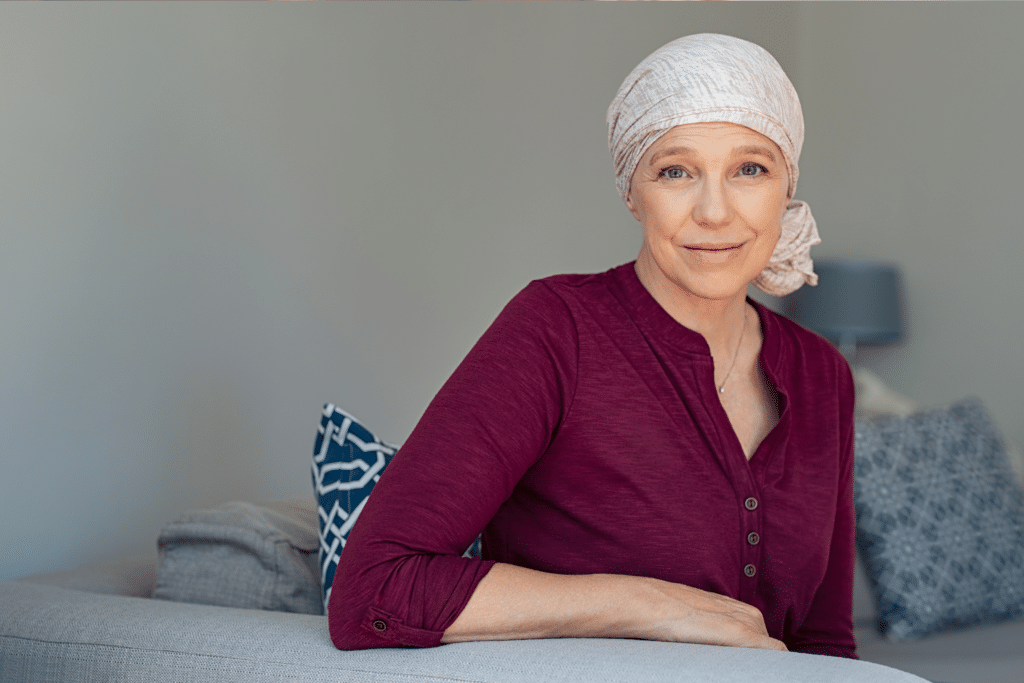
Complementary and alternative therapies continue to grow in relevance because they address needs that standard cancer treatments do not always fully meet. These needs often include pain, fatigue, emotional stress, hormonal changes, sleep disturbance, neuropathy, and spiritual concerns. CAM offers a broad range of tools that can be customized to personal values, cultural preferences, and evolving symptoms throughout the treatment and recovery process.
The key is to choose therapies that are safe, realistic, and grounded in evidence rather than hype or speculation. Most CAM use centers on quality of life rather than cure, and when framed that way it can be an empowering addition to the cancer journey. At ACA Acupuncture and Wellness, we support people through this process by offering acupuncture for nausea, pain, neuropathy, hot flashes, and stress, and by helping them integrate complementary options in a grounded and thoughtful way. With clear expectations and the right support, CAM can help many individuals feel more whole, more comfortable, and more capable of navigating the physical and emotional challenges that cancer brings.
Sources:
Jones, E., Nissen, L., McCarthy, A., Steadman, K., & Windsor, C. (2019). Exploring the use of complementary and alternative medicine in cancer patients [Retracted]. Integrative Cancer Therapies, 18, 1534735419854134.
Molassiotis, A., Fernandez‐Ortega, P., Pud, D., Ozden, G., Scott, J. A., Panteli, V., Margulies, A., Browall, M., Magri, M., Selvekerova, S., Madsen, E., Milovics, L., Bruyns, I., Gudmundsdottir, G., Hummerston, S., Ahmad, A. M. A., Platini, N., Kearney, N., & Patiraki, E. (2005). Use of complementary and alternative medicine in cancer patients: A European survey. Annals of Oncology, 16(4), 655–663.
Yes. Some biologically active treatments such as herbs, high-dose antioxidants, medicinal mushrooms, and supplements can alter how chemotherapy, hormone therapy, and targeted drugs are metabolized or cleared by the body. This can increase side effects or reduce the effectiveness of cancer medication. Safe integrative planning involves reviewing all supplements and alternative therapies with the oncology team before starting them so that potential interactions are identified and high-risk products are paused during critical treatment windows.
Several holistic therapies have research support for easing symptoms and improving quality of life during and after cancer treatment. Acupuncture can help reduce nausea, neuropathy, hot flashes, and joint pain in appropriate patients. Mind-body approaches such as yoga, tai chi, qigong, and mindfulness can improve anxiety, depression, fatigue, and sleep disturbances, and may help people feel more grounded during long treatment cycles. Nutrition counseling supports appetite, digestion, weight stability, and muscle strength, especially when taste changes and digestive side effects make eating difficult. These therapies are used alongside standard oncology care and are most effective when coordinated with the oncology team rather than replacing medical treatment.
Coverage varies substantially. Some insurers reimburse acupuncture, nutrition counseling, psychotherapy, or licensed massage therapy when documentation and diagnosis meet their requirements. Hospital-based integrative oncology programs may include certain services at reduced or no cost, particularly for psychosocial and spiritual support. Herbs, supplements, and many alternative treatments are usually paid for out of pocket. People often combine reimbursed supportive care with self-funded therapies to create a balanced and realistic integrative plan.
Holistic medicine cancer treatment options are not considered replacements for evidence-based oncology care. Their role is supportive: they help people manage nausea, fatigue, neuropathy, stress, and sleep disruption, and they can make it easier to tolerate treatment. Acupuncture, mindfulness, gentle movement, nutrition counseling, and psycho-oncology services are often used to support quality of life, while medical treatments remain the foundation of tumor control.
People may explore a cancer treatment alternative approach due to fear of side effects, distrust of medical systems, cultural influences, financial concerns, or a desire for more natural treatments. However, replacing medical care with unproven alternatives increases the risk of cancer progression and missed therapeutic windows. Most patients ultimately benefit more from integrative models that combine medical treatment with supportive complementary therapies.
Most complementary therapies influence symptoms, mood, functional capacity, and quality of life rather than tumor growth or recurrence risk. They should not be used as replacements for standard medical treatment. The strongest survivorship benefits come from evidence-based oncology care combined with healthy lifestyle patterns involving physical activity, balanced nutrition, stress management, and sleep support. Complementary therapies help many people participate in these behaviors more consistently by reducing fatigue, anxiety, and treatment-related side effects.
Timing depends on the therapy and the treatment goals. Acupuncture, mindfulness, movement practices, and nutrition support can be introduced during active treatment to help manage nausea, anxiety, hot flashes, neuropathy, and sleep disruption. Herbal medicine and nutritional supplements are often approached more cautiously during chemotherapy or surgery and may be revisited in survivorship when risks are lower. Emotional, spiritual, and community-based supports can be used throughout the entire cancer journey from diagnosis through recovery.
Testimonials

Cart (0)
Your cart is currently empty.


Cart (0)
Your cart is currently empty.