

Contraindications to Cupping Therapy: How Personalized Assessment Enhances Effectiveness
Key Takeaways
- Contraindications help determine when cupping should be avoided or modified, not dismissed.
- Absolute contraindications require avoiding cupping entirely.
- Relative contraindications require technique modification or avoiding specific body areas.
- A personalized assessment is the key to safe and effective cupping.
- Most patients remain good candidates once properly screened.
Understanding Contraindications: Absolute vs Relative
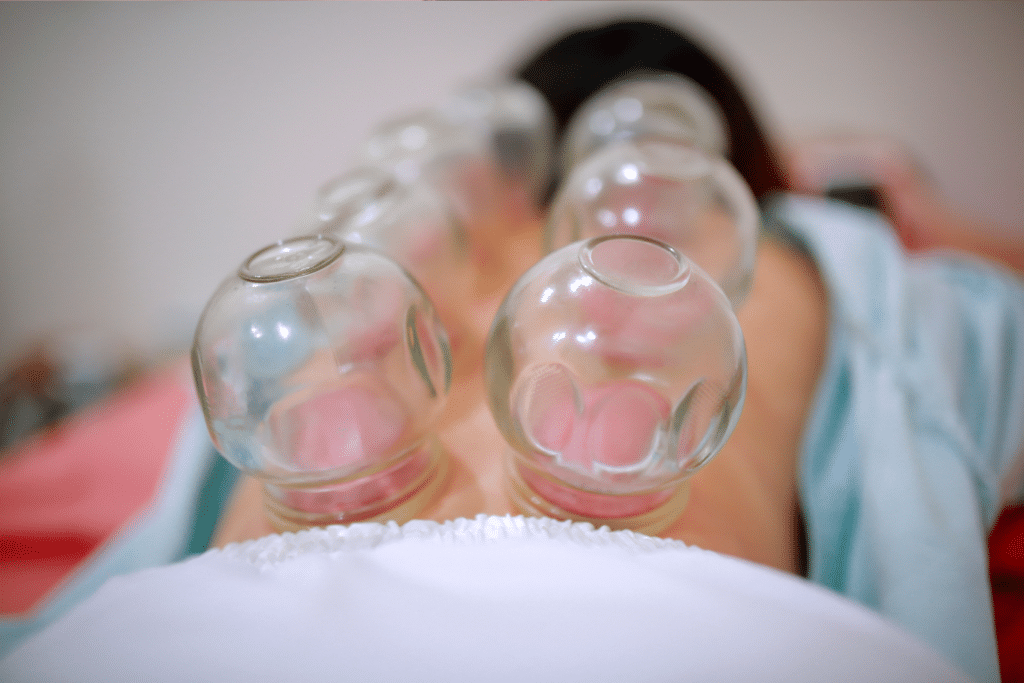
Contraindications for cupping therapy fall into two categories:
Absolute contraindications:
Patients should not receive cupping due to high risk of adverse effects or complications.
Relative or local contraindications:
Cupping may still be performed using caution, altered techniques, or by avoiding specific areas of the body.
Understanding this distinction is important because many people searching for cupping contraindications assume the presence of a condition means cupping is unsafe for everyone. In reality, most contraindications simply highlight the need for screening, timing, or adjustment.
Absolute Contraindications to Cupping Therapy
These conditions require avoiding cupping entirely due to significant medical risk:
1. Bleeding Disorders and Anticoagulant Medications
Patients with hemophilia, von Willebrand disease, severe thrombocytopenia, or those taking anticoagulants such as warfarin or direct oral anticoagulants face increased bleeding and bruising risk. Cupping increases local circulation and may prolong bleeding or cause hematoma formation. In these cases, avoiding cupping prevents unnecessary tissue trauma and reduces the likelihood of complications.
2. Active Cancer at the Treatment Site or Patients in Active Oncologic Care
Cupping over tumor sites or during active chemotherapy or radiation may increase circulation to compromised tissues. Oncologic clearance is required for case-by-case exceptions. Prioritizing oncologic treatment goals ensures that complementary therapies do not interfere with primary medical care.
3. Organ Failure (Heart, Renal, or Hepatic)
Patients with organ failure have increased metabolic stress and altered vascular responses. Cupping may increase strain or worsen systemic symptoms. Avoidance helps protect patients whose organ systems cannot tolerate additional physiological demand.
4. Deep Vein Thrombosis or History of Blood Clots
Suction may alter vascular dynamics and theoretically mobilize a thrombus. This category remains one of the most clearly contraindicated for cupping therapy. Screening for Deep Vein Thrombosis (DVT) protects against rare but serious vascular events.
5. Implanted Electronic Devices
Patients with pacemakers, neurostimulators, or insulin pumps should avoid cupping directly over implanted devices due to pressure interference and potential mechanical displacement. Preserving device integrity and function is the priority in this scenario.
6. Severe Cardiopulmonary Compromise
Patients with unstable heart or lung disease should avoid cupping due to circulatory and metabolic demands that may exceed tolerance. These patients benefit more from treatments that do not increase cardiovascular load.
7. Uncontrolled Bleeding or Severe Anemia
These conditions elevate the risk of adverse events and impair recovery from even minor bruising. Ensuring adequate blood parameters is essential before introducing therapies that affect microcirculation.
Relative and Local Contraindications (Use Caution or Modify Treatment)
These conditions do not necessarily exclude cupping but require thoughtful adaptation:
1. Skin Conditions
Avoid cupping directly over areas affected by skin conditions such as eczema, psoriasis, dermatitis, sunburn, fungal infection, bacterial skin infection, shingles, or ulcerations. These tissues are already inflamed or compromised and are more prone to injury or infection, so cupping is either deferred or redirected to unaffected areas.
2. Open Wounds, Surgical Sites, and Recent Burns
Cupping increases local mechanical stress and circulation, which may reopen wounds or interfere with healing. Practitioners typically wait until tissues have fully closed and stabilized before cupping is considered.
3. Bone Fractures or Orthopedic Injuries
Avoid cupping directly over fractures or unstable joints. Modified cupping can sometimes be used around supportive structures for pain reduction. This approach allows the benefits of circulation and pain relief without disrupting orthopedic recovery.
4. Varicose Veins and Superficial Blood Vessels
Sliding cupping is especially contraindicated over venous insufficiency due to risk of vessel injury. Static techniques away from affected veins may be considered when clinically appropriate.
5. Pregnancy
During pregnancy, practitioners avoid cupping over the lower back, abdomen, or pelvic region. Cupping for stress, tension, or upper back pain may still be appropriate with obstetric clearance. This respects anatomical and circulatory changes during pregnancy while still supporting comfort.
6. Thin or Fragile Skin
Thin or fragile skin is more common in elderly patients due to reduced dermal thickness and lower tissue resilience. Lower suction intensity is indicated. Gentle cupping preserves tissue integrity while still providing therapeutic benefit.
7. Sensitive Anatomical Sites
Practitioners avoid cupping directly over lymph nodes, major arteries, nerves, or body orifices. These structures require protection to prevent irritation or unintended pressure effects.
Why Understanding Contraindications Builds Trust and Better Outcomes
Interest in cupping therapy continues to grow among individuals seeking natural pain relief, stress reduction, improved circulation, and complementary therapy for musculoskeletal conditions. As demand increases, so does the need for transparent information about when cupping may not be suitable and why certain people require caution or temporary delay.
Cupping contraindications do not exist to discourage treatment. They exist to guide responsible, individualized care. By helping patients understand who should avoid cupping temporarily or permanently, clinicians can minimize risk, improve outcomes, and reinforce patient confidence in this highly effective therapy.
Conditions Where Cupping Should Be Temporarily Delayed
There are short periods when cupping is postponed so the body can recover or stabilize before receiving treatment. In these cases, cupping is not ruled out entirely but simply timed more appropriately for safety and comfort.
- acute febrile illness
- influenza or respiratory infection
- active skin flare-ups
- dehydration or heat exhaustion
- migraine during acute phase
- recent COVID infection recovery period
These are timing issues rather than full contraindications, and cupping can often resume once the underlying condition has resolved.
Why Contraindications Exist: Understanding Mechanisms Behind Risk
Contraindications are not designed to discourage cupping but to ensure that treatment is matched to a person’s physiological condition. Understanding the mechanisms behind these precautions helps clarify why certain conditions require avoidance or temporary delay rather than broad exclusion.
- bleeding and bruising
- tissue injury
- circulatory disruption
- delayed wound healing
- device interference
- infection risk
Transparency about these mechanisms supports informed decision making and promotes safer, more effective treatment planning.
Are Seniors Too Fragile for Cupping Therapy?
Age alone is not a contraindication. Elderly patients often benefit significantly from cupping for chronic pain, tension, or circulation support. Screening focuses on:
- Medications
- skin integrity
- Hydration
- vascular health
Adaptation rather than avoidance is usually the answer.
Children and Adolescents: Pediatric Considerations
Children can receive cupping with:
- shorter durations
- lighter suction
- clear communication
Parental consent and comfort are essential.
Pregnancy Considerations: What’s Safe and What’s Not
Pregnancy introduces positional and anatomical concerns, not rejection of cupping altogether. Many pregnant patients seek cupping for shoulder tension and stress. Avoiding the abdomen and lower back reduces theoretical risk related to uterine circulation and pressure changes.
A TCM Perspective on Contraindications
Traditional Chinese Medicine differentiates treatments based on patterns. In TCM, cupping is avoided or modified in cases of:
- severe Yin deficiency with heat signs
- extreme deficiency without stagnation
- excessive dryness or blood deficiency
- uncontrolled internal heat patterns
This is not jargon for patients. It simply means that cupping is most effective when there is tissue stagnation, cold, tension, or congestion. In deficiency or excessive heat patterns, other therapies may be more appropriate.
Personalized Assessment is the Key to Safe and Effective Cupping
Every patient should be evaluated for:
- medical history
- Medications
- skin integrity
- hydration status
- vascular health
- pregnancy status
- treatment goals
Personalization turns cupping from a generic spa service into a clinical therapy.
Modification Instead of Exclusion
Many relative contraindications can be successfully managed through:
- lighter suction
- shorter duration
- avoiding specific areas
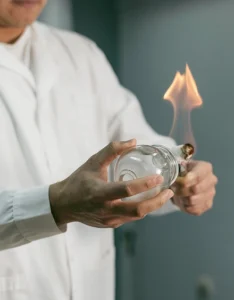
- switching from fire cups to gentle silicone cups
- replacing sliding cupping with static cups
This approach maintains therapeutic benefit while reducing risk.
Common Misconceptions About Cupping Contraindications
Misconception 1: Cupping causes blood clots
Cupping does not cause blood clots. DVT is a contraindication due to preexisting clot risk.
Misconception 2: If you bruise easily you cannot do cupping
Bruising tendency requires adjustment, not exclusion.
Misconception 3: Cupping is unsafe for seniors
Age is not a contraindication. Fragility and medications are screening factors.
When Medical Clearance May Be Appropriate
Clearance is recommended for patients under the care of:
- oncologists
- Cardiologists
- Dermatologists
- obstetricians
Collaborative care strengthens safety and outcomes.
Potential Adverse Effects: Mild vs Rare
Normal temporary effects:
- circular marks
- mild soreness
- warmth or tightness
Rare complications:
- skin blistering
- Infection
- prolonged bruising
These are uncommon when cupping is properly screened and administered.
When to Pause or Stop a Session
Cupping should be halted if a patient experiences:
- Dizziness
- Faintness
- sharp pain
- unusual bleeding
- skin breakdown
Active communication during treatment prevents escalation.
Personalized Treatment Enhances Safety and Effectiveness
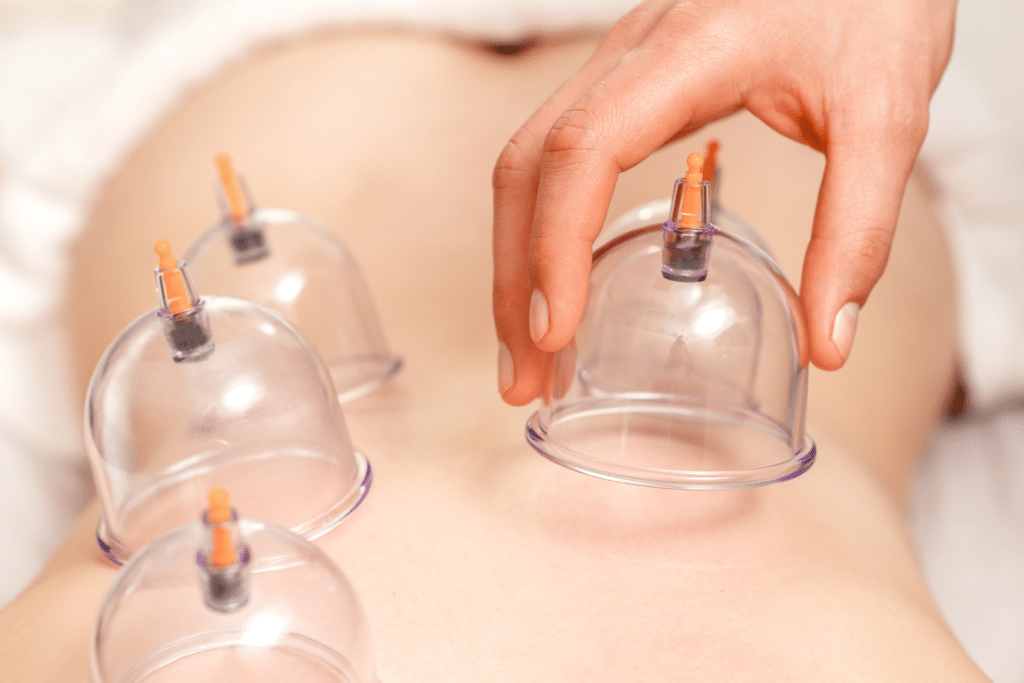
Most patients remain excellent candidates for cupping therapy once properly evaluated. Contraindications exist to ensure safety, not to discourage care. With thorough screening and thoughtful technique modification, cupping remains a highly effective therapy for pain relief, mobility support, stress reduction, and circulatory benefit.
At ACA Acupuncture and Wellness, our licensed acupuncturists perform individualized assessments to determine if cupping is suitable for your needs and can recommend alternative therapies when appropriate. We also provide holistic services such as acupuncture, moxibustion, herbal medicine, and Tuina bodywork to support healing through multiple pathways. To schedule an evaluation or learn more about your treatment options, contact us to book an appointment.
Sources:
Fuhrhad, S., Sina, R. E., & Bokhari, A. A. (2023, October 30). Cupping therapy. StatPearls. National Library of Medicine.
Aboushanab, T. S., & AlSanad, S. (2018). Cupping therapy: An overview from a modern medicine perspective. Journal of Acupuncture and Meridian Studies, 11(3), 83–87.
Screening for contraindications should be performed by a licensed practitioner trained in clinical assessment and Traditional Chinese Medicine. Massage therapists may identify visible or local issues such as skin irritation or open wounds, but they are not typically trained to evaluate systemic medical risk, medication interactions, oncologic status, vascular concerns, or cardiopulmonary conditions. When it is unclear whether cupping is appropriate, referral or co-management with an acupuncturist, physician, or specialist ensures safe decision making.
Blood thinners increase bruising and bleeding risk. Whether they create an absolute or relative contraindication depends on individual factors such as dosage, medical diagnosis, reason for anticoagulation, and treatment goals. If a patient is medically stable under physician supervision, modified cupping may be considered using lighter suction, shorter duration, and avoidance of sensitive body regions. In higher risk situations, practitioners often request clearance from the prescribing clinician.
Autoimmune conditions do not automatically exclude a patient from cupping therapy. The key considerations are disease activity, immune flare patterns, medication regimen, and tissue sensitivity. During active inflammatory flares, cupping may increase discomfort or immune reactivity and is typically postponed. During stable periods, gentle cupping may support pain relief, circulation, and muscle tension with appropriate modifications. Each case should be assessed individually due to variability across autoimmune disorders.
Cupping after surgery is delayed until the incision has fully closed, infection risk has resolved, and early scar tissue has had time to mature. Direct cupping over recent surgical sites is avoided because the area is more vulnerable to tissue disruption, fluid accumulation, and delayed wound healing. Many people wait several weeks to several months depending on the type of procedure and how quickly their body heals. Once the surgical site has stabilized, gentle cupping around the area may support scar mobility, pain reduction, and stiffness from altered posture or movement patterns.
Patients with diabetes or circulatory disorders require cautious assessment due to slower wound healing, reduced sensation, altered immune response, and higher infection risk. Cupping is typically avoided over areas affected by neuropathy, ulceration, or compromised vascular supply. When performed, suction intensity is reduced and skin integrity is monitored before and after treatment. Individuals with advanced vascular complications may require clearance or alternative therapies with lower mechanical stress.
Medical clearance is not required for every chronic condition. It becomes appropriate when the condition involves cardiovascular compromise, bleeding or clotting risk, implanted devices, oncology treatment, pregnancy, or unstable metabolic disease. Clearance helps align cupping with the patient’s broader medical care plan and reduces treatment conflicts. Collaborative communication between conventional and integrative providers improves safety and patient confidence.
Testimonials

Cart (0)
Your cart is currently empty.


Cart (0)
Your cart is currently empty.