

Cupping Therapy for Shoulder Impingement: Natural Relief for Pain and Restricted Movement
Key Takeaways
- Cupping therapy supports shoulder impingement recovery by improving circulation and reducing tissue compression.
- Pain relief from cupping is driven by nervous system modulation and improved tissue mobility.
- Cupping works best when combined with acupuncture, corrective exercise, and medical guidance.
- Temporary bruising is expected and is not a sign of tissue damage.
- Cupping therapy does not replace diagnosis or rehabilitation but enhances overall outcomes.
Understanding Shoulder Impingement
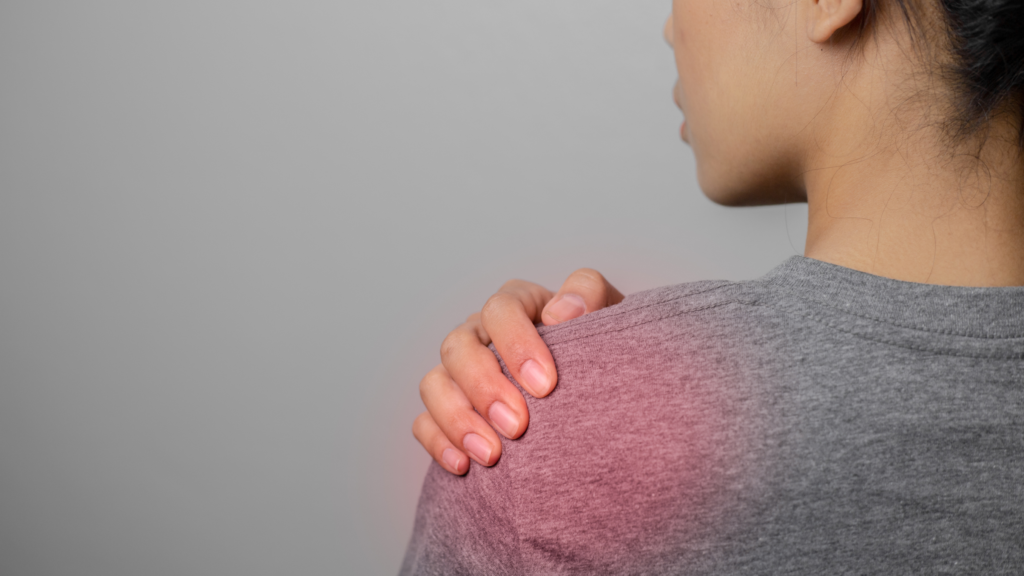
Shoulder impingement syndrome occurs when soft tissues within the shoulder become compressed during arm movement. The most commonly affected structures include the rotator cuff tendons and the subacromial bursa. As the arm lifts, these tissues are repeatedly irritated, leading to inflammation, pain, and mechanical restriction.
Over time, this compression alters shoulder mechanics and reinforces protective muscle guarding, which further limits movement and perpetuates discomfort.
Common Causes of Shoulder Impingement
Shoulder impingement usually develops from multiple overlapping factors, rather than a single injury. These contributors gradually reduce the space available for healthy shoulder movement.
- Repetitive overhead activity that continually stresses the rotator cuff
- Prolonged poor posture, especially rounded shoulders and forward head position
- Muscle imbalances between the shoulder stabilizers and larger mover muscles
- Fascial restriction that limits normal tissue glide
- Degenerative changes or prior shoulder injuries that narrow the subacromial space
Key Symptoms Patients Experience
Symptoms often appear gradually and worsen over time, especially with continued use of the shoulder.
- Pain during reaching, lifting, or dressing, particularly overhead
- Night pain, commonly when lying on the affected side
- Progressive weakness and stiffness in the shoulder
- Reduced range of motion with everyday activities
- Neck and upper back tension as the body compensates for limited shoulder movement
How Cupping Therapy Works: A Decompression-Based Approach to Healing
Suction vs. Compression-Based Therapies
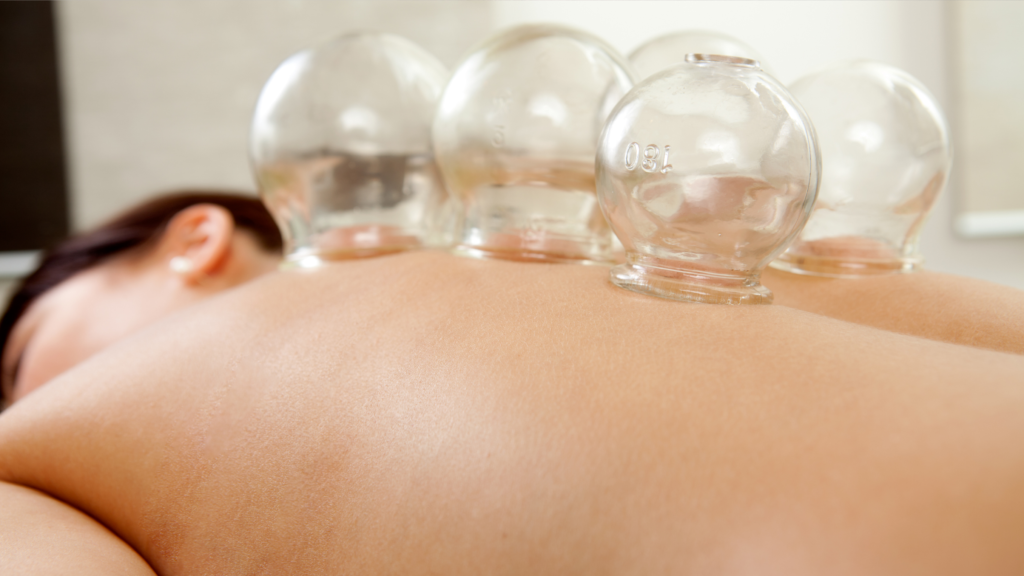
Unlike massage, which compresses tissue downward, cupping therapy creates suction that lifts the skin, fascia, and superficial muscle layers. This lifting effect separates adhered tissues and restores natural glide between layers that often become restricted in shoulder impingement. This difference is critical because impingement pain is often worsened by compression. Cupping reverses that mechanical stress.
Effects on Blood Flow and Tissue Oxygenation
The suction created during cupping expands local blood vessels and enhances microcirculation. Improved blood flow delivers oxygen and nutrients while assisting the removal of inflammatory byproducts. This environment supports tissue recovery and reduces pain sensitivity in chronically irritated areas.
Fascia, Myofascial Adhesions, and Shoulder Mechanics
Fascia plays a central role in shoulder movement. When fascial layers lose mobility, shoulder motion becomes inefficient and painful. Cupping therapy targets these restrictions by restoring fascial elasticity and improving coordination between muscles, tendons, and joints.
Benefits of Cupping Therapy for Shoulder Impingement

Pain Reduction and Nervous System Modulation
Cupping therapy stimulates sensory receptors in the skin and muscles, influencing how the nervous system processes pain. This input can reduce pain signaling and promote the release of natural pain-modulating chemicals, leading to noticeable relief after treatment.
Reduced Muscle Guarding and Tension
Chronic shoulder pain encourages protective muscle tightening, especially in the upper trapezius, rotator cuff stabilizers, and posterior shoulder muscles. Cupping helps release this guarding by reducing tissue density and encouraging relaxation without forceful manipulation.
Improved Range of Motion and Functional Movement
As muscle tension decreases and circulation improves, shoulder mobility often increases. Patients frequently report easier overhead reaching, smoother rotation, and improved comfort during daily activities such as dressing, driving, and work tasks.
Integrating Cupping Therapy Into a Complete Treatment Plan
Cupping Combined With Acupuncture
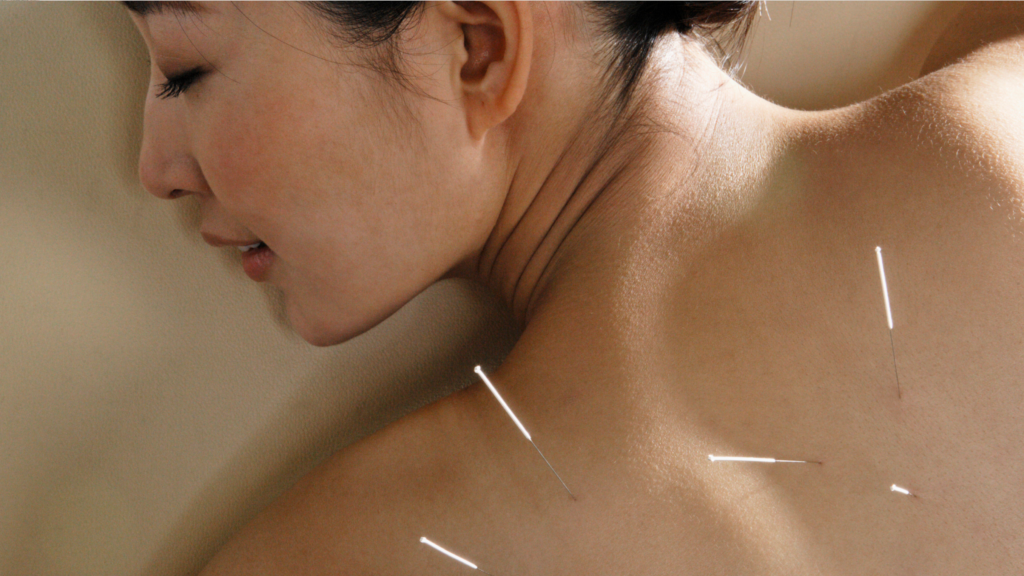
At our clinic, cupping therapy is often paired with acupuncture to address both local tissue dysfunction and nervous system regulation. Acupuncture supports pain modulation and muscle coordination, while cupping improves circulation and fascial movement.
Cupping and Corrective Exercise
Mobility must be restored before strength can be rebuilt. Cupping prepares tissues for corrective exercises by reducing stiffness and improving joint awareness. This sequencing improves exercise effectiveness and reduces the risk of re-irritation.
Collaboration With Physical Therapy and Medical Care
Cupping therapy works best when integrated with accurate diagnosis and coordinated care. Collaboration with physical therapists and medical providers ensures that underlying structural issues are identified and addressed appropriately.
What to Expect During a Cupping Session for Shoulder Impingement
Initial Evaluation and Movement Assessment
Each session begins with an assessment of posture, shoulder movement, and pain triggers. This allows treatment to be tailored to the specific mechanics contributing to impingement.
Cup Placement and Technique Selection
Depending on the presentation, static or moving cups may be used along the posterior shoulder, upper back, and scapular region. Pressure and duration are adjusted to individual tolerance and therapeutic goals.
Aftercare and Recovery Guidelines
Patients are advised to stay hydrated, avoid intense activity for a short period, and observe how the shoulder responds over the following days. These steps support recovery and prolong treatment benefits.
What Research and Clinical Experience Reveal About Cupping Therapy
Research on cupping therapy for musculoskeletal conditions continues to expand, particularly in the areas of pain reduction and improved range of motion. Clinical studies suggest that cupping may positively influence circulation, soft tissue mobility, and neuromuscular response, all of which are relevant in shoulder impingement cases where pain and movement restriction coexist. While cupping is not positioned as a standalone cure for structural causes of impingement, the growing body of evidence supports its role as a complementary therapy when used alongside conventional and rehabilitative care.
A 2020 systematic review and meta-analysis published in the Journal of Bodywork and Movement Therapies examined the effects of dry cupping on musculoskeletal pain and range of motion and found moderate evidence supporting its short-term benefits for pain relief and functional improvement. These findings align with what we observe in practice, where cupping helps reduce tissue sensitivity and improve movement quality when applied within a broader treatment plan.
Who Is a Good Candidate for Cupping Therapy for Shoulder Impingement

- Acute vs Chronic Shoulder Impingement: Cupping can benefit both acute and chronic cases by reducing inflammation early and addressing long-standing tissue restriction later in the condition’s progression.
- Athletes, Desk Workers, and Repetitive Strain Cases: Individuals with repetitive shoulder demands often experience cumulative tissue restriction. Cupping helps counteract these effects by restoring mobility and circulation.
- When to Consider Other Interventions First: Severe structural damage, progressive neurological symptoms, or acute trauma require medical evaluation before complementary therapies are introduced.
Supporting Shoulder Impingement Recovery Through Integrated, Natural Care
Shoulder impingement rarely improves through a single intervention. In our clinical experience, lasting relief comes from addressing pain, movement restriction, and tissue health together rather than treating symptoms in isolation. Cupping therapy plays a valuable role in this process by reducing soft tissue compression, improving circulation, and restoring mobility that allows the shoulder to move with less strain.
At ACA Acupuncture & Wellness, we view cupping therapy as part of a broader, evidence-informed approach to shoulder impingement. When combined with acupuncture, corrective movement strategies, and appropriate medical guidance, cupping helps create the conditions the body needs to heal more efficiently. Our goal is not just short-term pain relief, but improved function, confidence in movement, and long-term shoulder health.
Source:
Wood, S., Fryer, G., Tan, L. L. F., & Cleary, C. (2020). Dry cupping for musculoskeletal pain and range of motion: A systematic review and meta-analysis. Journal of Bodywork and Movement Therapies, 24(4), 503–518. https://doi.org/10.1016/j.jbmt.2020.06.024
Immediate relief for shoulder impingement pain often comes from resting the shoulder, avoiding painful movements, and applying ice to reduce inflammation. Gentle positioning, such as keeping the arm supported and avoiding overhead activity, can reduce compression. Short-term relief may also occur with manual therapies that reduce muscle guarding.
The most effective treatment for shoulder impingement is a combined approach that addresses pain, mobility, and movement mechanics. This often includes physical therapy, activity modification, and complementary therapies such as acupuncture or cupping. Treatment is most successful when guided by an accurate diagnosis and individualized care plan.
Cupping therapy may help with a pinched nerve in the shoulder by decreasing soft tissue tightness and improving local blood flow. These effects can reduce irritation around the nerve and improve comfort. Cupping does not correct structural compression but can support symptom relief during recovery.
Cups are commonly placed along the upper back, posterior shoulder, and around the shoulder blade where muscle tension and fascial restriction are present. Placement focuses on areas that influence shoulder movement rather than directly over joints. Proper placement should always be determined by a trained professional after assessment.
Avoid repetitive overhead movements, heavy lifting, and activities that provoke sharp or worsening pain. Ignoring symptoms or pushing through pain can increase inflammation and prolong recovery. Sudden return to intense activity without restoring mobility and strength should also be avoided.
Cupping therapy creates a pulling or tight sensation on the skin rather than sharp pain. Most patients describe the feeling as strong but comfortable, especially when pressure is adjusted appropriately. At our clinic, we always tailor the intensity to your comfort level to ensure a safe and effective treatment experience.
Testimonials

Cart (0)
Your cart is currently empty.


Cart (0)
Your cart is currently empty.