

Ear Seeds for Migraine: How Auricular Therapy Helps Reduce Migraine Discomfort

Key Takeaways
- Auricular therapy may reduce migraine severity by stimulating nerve points that influence pain perception in the brain.
- Targeting ear pressure points can calm migraine triggers such as stress, sensory overload, and muscle tension.
- Stimulating auricular points supports nervous system balance which may help prevent recurring migraine episodes.
- Ear seeds offer a non-drug migraine relief option that encourages natural healing responses through gentle pressure stimulation.
- Auricular therapy works best when personalized to each individual’s migraine pattern, triggers, and symptom profile.
How Auricular Therapy Relates to Migraine

What Is Auricular Therapy / Auriculotherapy?
Auricular therapy is a specialized acupuncture and acupressure technique focused exclusively on the ear. Using tiny seeds, needles, or magnets placed on designated ear points, it aims to stimulate the body’s healing responses. This method is grounded in the principle that the ear represents a microcosm of the entire body with mapped reflex points. Auriculotherapy is gentle and accessible, allowing for ongoing pain modulation without medication dependency.
The Ear–Brain Connection: Nerves, Pain Modulation, and the Trigeminal System
The ear’s rich innervation makes it a high-impact site for influencing brain activity. Nerves from the ear connect directly to the brainstem, including the trigeminal nerve, a key player in migraine pain pathways. Stimulating the ear activates nerve fibers that send calming signals to brain regions involved in pain perception and stress regulation. This connection helps reduce neuroinflammation and neuronal sensitization commonly experienced during migraine attacks.
Migraine Mechanisms and Why Ear Points May Influence Headache Pathways
Migraines involve complex brain network dysfunctions and abnormal communications between neurons. Auricular therapy may help rebalance these networks by modulating neurotransmitters and activating the parasympathetic nervous system through vagal nerve stimulation in the ear’s concha region. This dual nerve involvement could explain how auricular treatments reduce migraine frequency and intensity. The therapy supports both immediate pain relief and longer-term nervous system regulation.
Ear Pressure Points and Maps for Migraine Relief
Key Ear Pressure Points Used for Migraine and Headache
Ear Apex (Tip of the Auricle) and Its Role in Migraine
The ear apex, or the very tip of the ear, often corresponds to the head and scalp region on ear maps. Pressing here can help relieve the sharp pain and throbbing sensations typical of migraines. This point is frequently targeted to reduce tension and improve blood flow around the head.
Shen Men Point for Pain, Stress, and Migraine Triggers
Known as the “Spirit Gate,” Shen Men is a powerful ear point that helps regulate stress and anxiety, two common migraine triggers. Stimulating this area promotes relaxation and enhances overall mood, which can reduce the severity and frequency of migraine episodes.
Head, Temple, and Occiput Points on the Ear Map
These points specifically correspond to areas of the head affected by migraine pain. Applying pressure or ear seeds to these locations works to alleviate localized discomfort and supports muscle relaxation, addressing head and neck tension that often accompanies migraines.
Points for Nausea, Vertigo, and Light Sensitivity During Migraine
Migraines often come with unsettling symptoms such as nausea and dizziness. Certain auricular points target these peripheral symptoms, helping to calm the digestive system and vestibular balance. Light sensitivity, heavily linked to migraine pain, may also lessen through stimulating these key zones.
Other Common Auricular Points for Neck Tension and Jaw Clenching
Neck tightness and jaw clenching are frequent migraine accompaniments. Points related to muscle tension in these areas can be crucial for comprehensive relief. By targeting them through ear seeds or pressure, tension release improves overall comfort and potentially decreases migraine triggers.
Scientific Evidence: Do Ear Seeds and Auricular Therapy Help Migraines?
Recent research sheds encouraging light on the effectiveness of auricular therapy for migraine management. A 2024 review by Karen A. Williams in Current Pain and Headache Reports summarizes evidence that auricular therapies can reduce migraine frequency and improve quality of life. While research quality varies, several studies demonstrate reductions in pain intensity and medication use after auriculotherapy treatment.
One trial that applied semi-permanent needles over three sessions showed decreases in migraine days and severity along with lower usage of triptans and improved patient-reported outcomes. These findings highlight the potential of auricular therapy as a complementary option rather than a standalone cure. Continued rigorous studies are needed to refine protocols and confirm long-term benefits.
How to Use Ear Seeds for Migraine Relief (Step‑by‑Step)
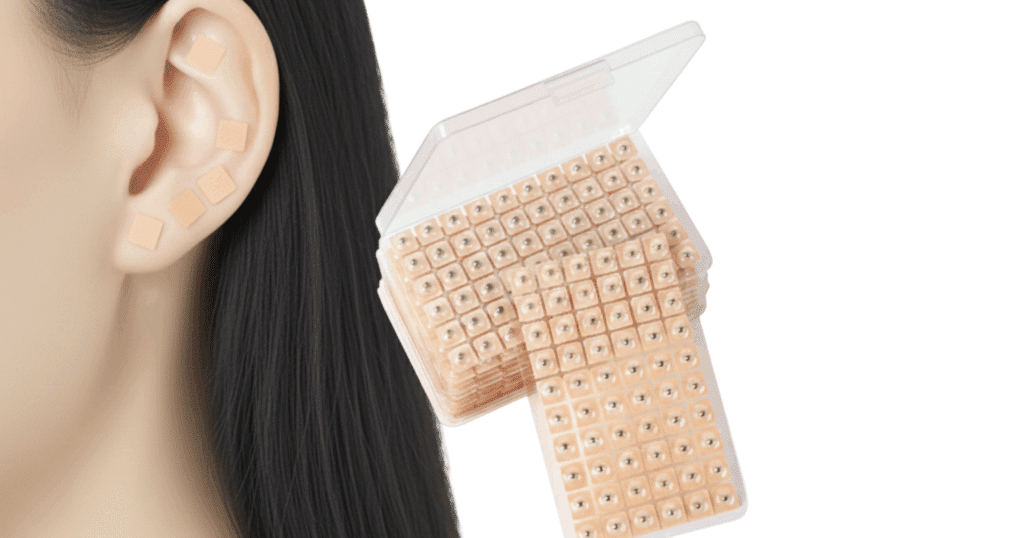
Preparing to Use Ear Seeds Safely
Before you start using ear seeds on your own, it is important to consult our licensed acupuncturist or auriculotherapy specialist. A professional can guide you in selecting the correct points and teach you safe application techniques. Using high-quality ear seed kits made from sterile materials helps minimize risks of infection or allergic reactions.
To prepare properly:
- Clean your ears thoroughly to reduce bacteria and prevent irritation.
- Check for any allergies to latex, adhesives, or metals used in the seeds or tape.
- Ensure your hands are clean and dry before handling the seeds.
Monitoring your skin is key; if you notice redness, itching, or discomfort, remove the seeds immediately and consult your practitioner for advice.
Step‑by‑Step Guide to Applying Ear Seeds
Start by locating the specific ear points related to migraine relief using detailed ear maps or mobile apps designed for auricular therapy. Precision is essential, so use tweezers to place the seeds carefully and symmetrically on clean, dry skin.
Once placed:
- Apply gentle pressure with your fingers to stimulate the seeds for 1 to 2 minutes, 2 to 3 times a day.
- Avoid pressing too hard to prevent soreness or injury.
- Keep the seeds in place for 3 to 5 days maximum, removing them sooner if irritation occurs.
Remember that ear seeds can lose adhesion due to moisture, so reapplying or replacing them may be necessary during that period to maintain consistent stimulation.
Practical Routines for Different Migraine Patterns
For those who experience aura before migraines, applying ear seeds at the earliest signs may help abort or reduce attack severity. Consistent daily auricular routines for chronic migraine sufferers focus on prevention by regularly stimulating specific points. Combining ear seed use with relaxation exercises, mindful breathing, and good sleep hygiene further enhances migraine control.
Integrating Ear Seeds Into a Comprehensive Migraine Plan
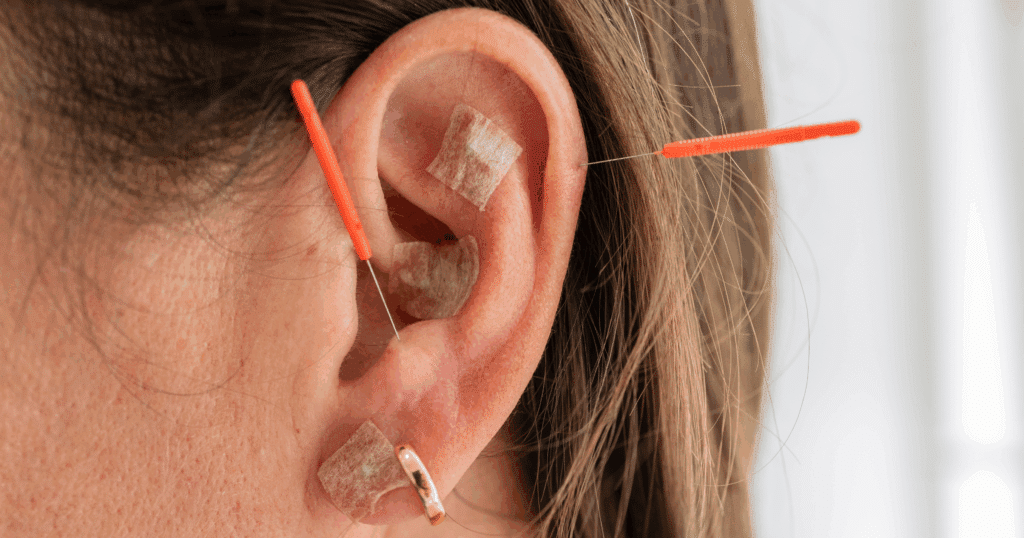
Combining Ear Seeds With Conventional Migraine Treatments
Ear seeds work best as part of a layered migraine strategy. They can complement medications like triptans or newer CGRP inhibitors by providing a non-pharmaceutical avenue for pain relief and stress reduction. Open communication with neurologists and headache specialists ensures all therapies harmonize safely without harmful interactions.
Pairing Ear Seeds With Other Complementary Migraine Strategies
Incorporating acupuncture, acupressure, or reflexology alongside ear seeds can deepen symptom relief. Lifestyle factors, adequate sleep, hydration, balanced nutrition, and regular exercise, play crucial roles in preventing migraines. Managing stress through yoga, meditation, or cognitive therapies further strengthens the body’s resilience.
Tracking Your Response to Ear Seeds
Keeping a migraine diary helps identify patterns between ear seed use and headache changes. Tracking pain scores, migraine days, and medication intake informs adjustments to treatment frequency and point selections. If ear seeds show limited benefit over time, consulting a specialist to explore alternative strategies is advisable.
Why Ear Seeds Could Be a Valuable Part of Your Migraine Toolkit
Ear seeds represent a simple, affordable, and drug-free method to engage directly with the body’s nervous system in migraine management. They offer more than placebo effect by activating specific nerve pathways that influence pain and inflammation. When combined with expert guidance and comprehensive care, ear seeds empower people experiencing migraines to reclaim their quality of life safely and naturally.
For those curious to explore this approach, we at ACA Acupuncture & Wellness are dedicated to providing personalized auricular therapy plans. Our team is passionate about helping clients discover new avenues for relief beyond medications alone. Together, we navigate migraine treatment with holistic care tailored to each person’s unique journey.
Source:
Williams, Karen A. “Auricular Therapy for Migraine.” Current Pain and Headache Reports, vol. 28, no. 8, 2 May 2024, pp. 835–841, https://doi.org/10.1007/s11916-024-01261-3.
Ear seeds may help reduce migraine pain by stimulating specific points on the ear related to headache relief. They work as a complementary therapy to ease symptoms and possibly reduce migraine frequency when used consistently. However, they are best combined with other treatments for optimal results.
Ear seeding offers a non-invasive and drug-free way to manage pain, stress, and other symptoms like nausea or anxiety. It promotes relaxation and stimulates the body’s natural pain relief through nerve activation. Many users report improved sleep and reduced headache intensity after regular use.
The auricular points for headache include the ear apex (tip of the ear), Shen Men, and areas corresponding to the temple, head, and occiput on the ear map. These points target pain pathways and stress triggers specific to migraine symptoms. Pressing these points can help alleviate both acute migraine pain and associated tension.
Ear seeds are typically left in place for 3 to 5 days to allow continuous stimulation of ear points. They should be removed if there is any irritation or discomfort. Reapplication can be done as needed, based on symptom relief and professional guidance.
Auricular therapy shows promise in reducing migraine frequency and pain severity by stimulating nerve pathways connected to the brain’s pain centers. Scientific studies support its use as a complementary treatment, though it is not a guaranteed cure. It works best when integrated into a comprehensive migraine management plan.
Traditional Chinese Medicine uses acupuncture, herbal formulas, auriculotherapy, and lifestyle adjustments to treat migraines, focusing on balancing energy flow and addressing underlying causes rather than just symptoms.
Testimonials

Cart (0)
Your cart is currently empty.


Cart (0)
Your cart is currently empty.