

Moxibustion for Breech Baby: How It Works and Safety Considerations

Key Takeaways
- Moxibustion targets BL67 on the outer edge of the pinky toe and is usually done daily for a short period.
- Research suggests it may reduce breech presentation when combined with standard care, though results vary.
- Possible side effects include burns, nausea, headache, contractions, and increased fetal movement.
- It is not suitable for all pregnancies and should only be used with medical guidance.
- If breech persists, ECV is the standard medical option around 36 to 37 weeks.
Breech Baby Basics: What “Breech” Means Clinically
Breech presentation means the baby’s buttocks or feet are positioned to come first instead of the head. Breech is common earlier in pregnancy because there is more space to move, but by the end of pregnancy, only a small minority remain breech. The Royal College of Obstetricians and Gynaecologists notes that by late pregnancy, roughly 3–4% of babies are breech.
Types of breech presentation
- Frank breech: bottom down, legs extended upward.
- Complete breech: bottom down, knees bent.
- Footling breech: one or both feet are below the bottom.
These distinctions matter because some breech types carry different labor risks, and they influence delivery planning.
Why a baby stays breech
There is usually no single “fault.” Common contributors include uterine shape differences, fibroids, placenta location (including low-lying placenta), amniotic fluid extremes, multiple pregnancy, and sometimes fetal or structural factors.
Why breech matters
If a baby is breech near term, your care team typically discusses three pathways: attempting to turn the baby, planning a cesarean, or planning a vaginal breech birth in a setting with trained staff. In the UK patient guidance, ECV is commonly described as the turning attempt offered around 36–37 weeks, and it is successful for about half of patients.
Understanding Moxibustion: A Non-Invasive Thermal Therapy
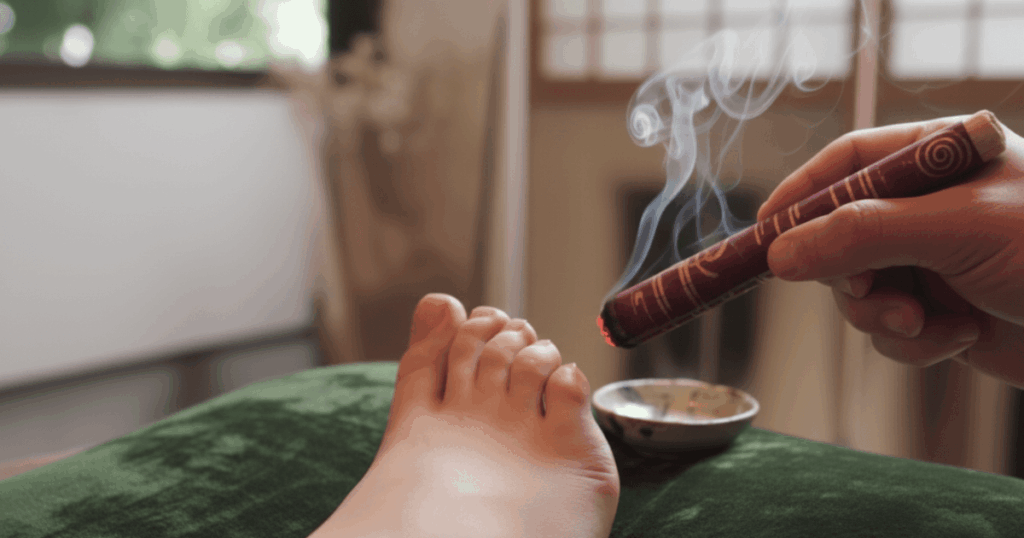
In Traditional Chinese Medicine (TCM), moxibustion is a heat-based therapy that uses dried mugwort (moxa) to warm specific acupuncture points. For many patients, using a moxa stick for pregnancy is their first introduction to this practice. The tool, a compressed, cigar-shaped roll of mugwort, serves as a portable, non-invasive heat source. In breech protocols, we use “indirect moxibustion,” meaning the glowing ember is held near the skin to provide penetrating warmth without direct contact or burning.
Targeting the Right Point: BL67
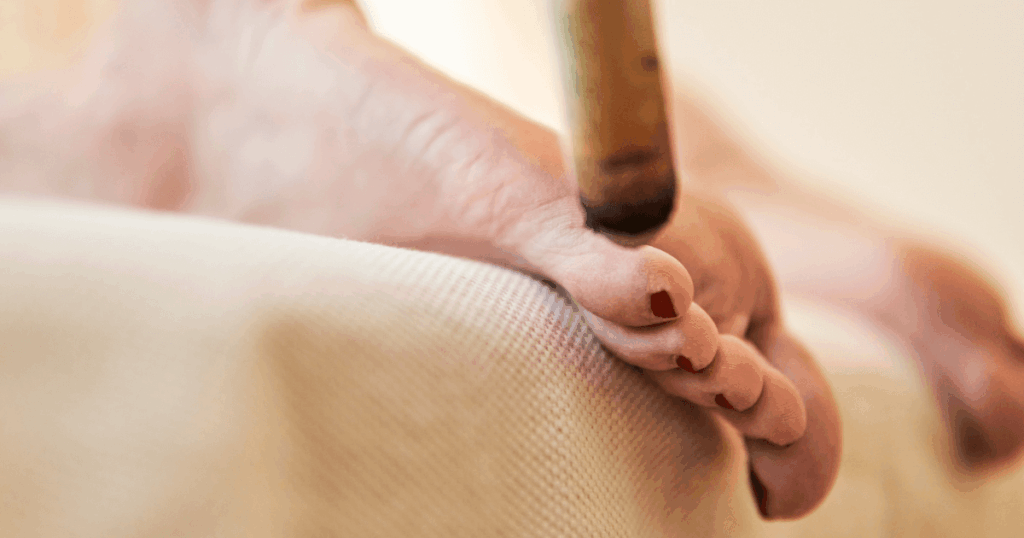
The primary focus of this therapy is the acupuncture point BL67 (Zhiyin), located beside the outer corner of the fifth toenail.
Precision here is vital. Some older medical handouts contain inconsistencies; for instance, a commonly cited UNM patient guide mistakenly mentions BL57 while describing the anatomy of the little toe. Anatomically, the little toe area is consistently BL67, and ensuring you are targeting this specific point is key to the protocol’s success.
Why It Is an Essential Part of Breech Protocols
In modern clinical settings, the moxa stick for pregnancy is utilized as a low-intervention strategy during the third trimester. Research suggests that when applied within the optimal gestational window (typically weeks 33–35), this targeted warmth may increase the likelihood of a baby turning to a head-down (cephalic) position compared to standard care alone.
Practical advantages include:
- External Application: No manual abdominal pressure is required, unlike an External Cephalic Version (ECV).
- Time-Limited: Sessions are short and performed daily for a defined period (usually 10 days).
- Accessible: It is a low-cost option that patients can safely continue at home after professional training.
- Integrated Care: It is fully compatible with ongoing obstetric monitoring and midwife-led care.
How Does Moxibustion Work for Breech Babies?
Moxibustion for breech is designed to apply steady warmth near BL67 on both feet to increase fetal activity and support spontaneous turning during a time window when the baby still has room to rotate. The most consistent short-term effect reported is increased fetal movement, which is one plausible pathway for a baby to shift position. The technique must be done with careful heat control to avoid skin burns and should be stopped if concerning symptoms occur.
A practical biomedical model
We should be careful not to overpromise mechanisms. What we can say cleanly is this:
- Heat near the skin provides a strong sensory stimulus.
- Many trials and reviews report increased fetal movement as a common observation and adverse event category.
- More fetal movement, in the right gestational window, can increase the chance of a spontaneous rotation simply because the baby is moving more.
The TCM model
In Traditional Chinese Medicine framing, BL67 is on the Bladder meridian and is classically used for disorders of positioning and movement. Moxibustion is used to “warm” and promote flow, with the goal of supporting coordinated movement patterns, including fetal activity.
What you might feel during a session
Most people feel a deep warmth near the toe and often notice the baby moving more during or after treatment. You should not feel sharp heat or pain at the skin surface. Sharp heat is a burn risk signal, not a “stronger treatment.”
Best Timing: When Moxibustion Is Most Likely to Help
Most clinical discussions place moxibustion in a window where the baby still has room to move but you are close enough to term that breech persistence becomes clinically important. RCOG guidance notes that most babies turn by 36–37 weeks, and moxibustion is described as having some evidence around 33–35 weeks under the direction of our registered practitioner.
An older UNM handout describes starting around 33–34 weeks and using it daily.
The Cochrane evidence summary focuses on trials in pregnancy for turning breech, and its conclusions emphasize moxibustion as an option used before term decision-making.
How long to try
A common real-world structure is:
- A daily course with consistent timing and careful technique
- A checkpoint ultrasound to confirm whether the baby turned
- A plan for what comes next if the baby remains breech
If the baby turns head-down, most protocols stop rather than continuing indefinitely.
What the Evidence Says About Effectiveness
Evidence summaries conclude that moxibustion plus usual care probably reduces the chance of non-cephalic presentation at birth compared with controls, but the size of benefit varies across trials. Evidence is less certain on downstream outcomes such as cesarean rate and the need for ECV, partly because protocols differ and some studies use different comparators. The most consistently reported side effects include increased fetal movement, uterine contractions, nausea, headache, and burns when the heat source is held too close.
The Cochrane evidence summary (updated 2023) reports moderate-certainty evidence that moxibustion plus usual care probably reduces non-cephalic presentation at birth compared with sham plus usual care in at least one included trial, while showing little to no effect on cesarean rate in that same comparison.
Step-by-Step: How Our Acupuncturists at ACA Teach Breech Moxibustion
A safe breech moxibustion session uses indirect heat near BL67 at the outer corner of the pinky toenail on both feet, keeping the warmth steady and comfortable without sharp heat. The point is treated in a timed session with constant micro-adjustments in distance to prevent burns. The first session should be supervised so you learn correct point location, safe distance, and stop rules tailored to your pregnancy.
The first-session rule
We strongly prefer the first session be supervised. It is the fastest way to:
- Confirm you are actually on BL67
- Teach safe distance and heat intensity
- Screen for “do not proceed” pregnancy factors
- Set expectations and a reassessment timeline
Supplies checklist
- Moxa stick (or a clinician-approved alternative)
- Lighter
- Timer
- Ash dish or sand container for extinguishing
- A bowl of water nearby for safety
- Good ventilation (open window, fan)
- A partner/helper if possible
Finding BL67 accurately
BL67 is described in medical literature as being beside the outer corner of the fifth toenail. This is why toe-based instructions in patient leaflets align with BL67 even when point labels are inconsistent.
Technique (the safety-first version)
- Get comfortable, feet supported, toes accessible.
- Light the moxa stick and wait for a steady ember.
- Hold it close enough to feel a deep warmth, but never close enough to feel sharp heat.
- Treat one foot, then the other, keeping timing consistent.
- Keep the stick moving slightly. Do not hover in one fixed spot.
- Stop early if you feel skin pain, dizziness, nausea spike, or cramping.
Burn prevention rules that actually work
- Warm is the goal. Hot is not the goal.
- If you cannot keep the heat comfortable, increase distance immediately.
- Never do this when sleepy. Never fall asleep during treatment.
- Check the skin after. Redness that fades is different from a burn.
What to track
Tracking makes your next medical decision easier:
- Date and duration
- How strong fetal movement felt
- Any contractions or cramping
- Any side effects (headache, nausea, dizziness)
- When you plan to confirm fetal position again
Moxibustion vs Other Breech Options: Where It Fits
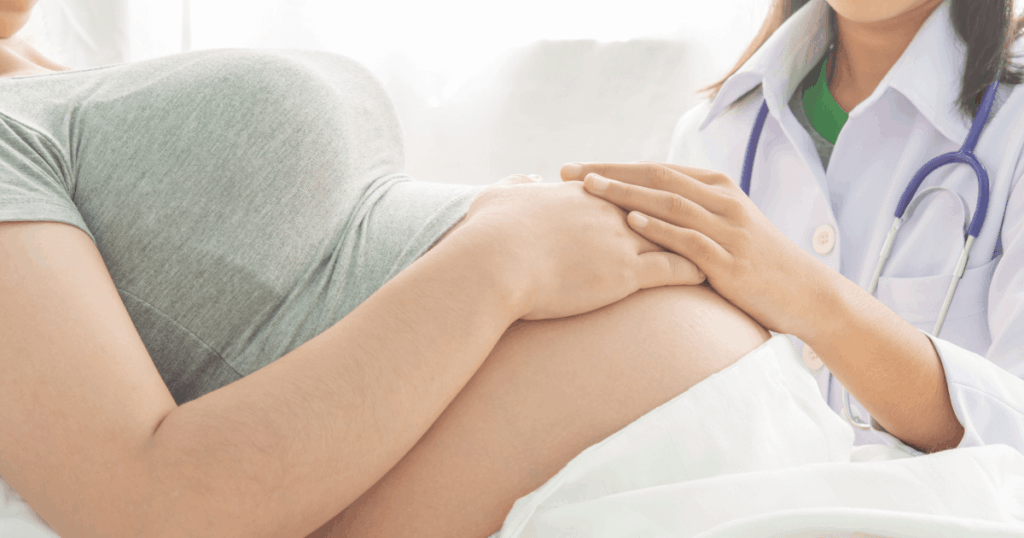
If your baby is breech at 36 weeks, the standard pathways include ECV, planned cesarean, or planned vaginal breech birth under the right conditions.
External Cephalic Version (ECV)
If moxibustion is unsuccessful or if you are first addressing a breech diagnosis later in the third trimester, your medical team will likely discuss External Cephalic Version (ECV). This is a medical procedure where a trained obstetrician applies firm, manual pressure on the abdomen to physically rotate the baby into a head-down position.
While moxibustion is typically started earlier, some patients still explore moxibustion for breech baby at 37 weeks as a complementary approach immediately leading up to an ECV appointment to encourage fetal buoyancy and movement.
Why moxibustion is often tried before ECV
Moxibustion is usually discussed earlier because:
- It is non-surgical and low-resource
- It can be done in a short daily course
- It may reduce the chance of still being breech at birth when combined with usual care
The key is not to let it delay obstetric planning. If you are approaching the ECV window, you want both plans in motion.
Next Steps: Is Moxibustion for Breech Baby Right for You?
Moxibustion for breech baby is best understood as a time-sensitive, heat-based stimulation technique centered on the BL67 acupuncture point that may improve the odds of a baby turning head-down when used alongside standard prenatal care. The safety principles are clear: the most avoidable risk is skin burns from improper heat distance, and treatment should always be coordinated with your midwife or OB, with immediate cessation if red-flag symptoms appear.
At ACA Acupuncture and Wellness, our acupuncturists position moxibustion as an early, supportive option within a broader breech management plan, not a substitute for medical decision-making. If the baby remains breech, the focus shifts promptly to shared planning around External Cephalic Version (ECV) and delivery options, ensuring no time is lost and care remains aligned, proactive, and evidence-aware.
Source:
Coyle ME, Smith C, Peat B. Cephalic version by moxibustion for breech presentation. Cochrane Database of Systematic Reviews 2023, Issue 5. Art. No.: CD003928. DOI: 10.1002/14651858.CD003928.pub4.
Moxibustion for breech babies is safest to provide after medical clearance from a licensed midwife or obstetric provider and before term delivery decisions are finalized. It should be offered with informed consent, documented instruction, and clear stop criteria to reduce medical and legal risk.
Moxibustion applies controlled heat near the BL67 acupuncture point on the outer corner of the pinky toenail to stimulate fetal movement. Increased fetal activity during an optimal gestational window can support spontaneous turning to a head-down position.
Moxibustion is generally considered low risk in uncomplicated pregnancies when taught by our trained practitioner and performed correctly. The most reported risks are minor burns, uterine contractions, nausea, or dizziness, which is why medical clearance is essential.
Natural approaches to encourage a breech baby to turn include moxibustion, postural positioning techniques, and movement-based exercises under medical guidance. These methods aim to increase fetal mobility before term but do not replace medical monitoring or ECV when indicated.
External Cephalic Version can cause significant discomfort or pain due to sustained abdominal pressure during the maneuver. Pain levels vary widely, and some patients require medication or discontinue the procedure early.
A baby may remain breech due to uterine shape, placental location, amniotic fluid levels, multiple pregnancy, or fetal positioning factors. In many cases, there is no single identifiable cause, and breech presentation occurs without underlying pathology.
Testimonials

Cart (0)
Your cart is currently empty.


Cart (0)
Your cart is currently empty.