

Natural Remedies for Herniated Disc Pain: How Acupuncture and Traditional Chinese Medicine Support Spinal Healing
Key Takeaways
- Acupuncture improves circulation and modulates nerve pain signaling
- TCM links spinal degeneration to Kidney Qi and Liver Blood deficiency
- Movement and walking promote disc nutrition and healing
- B vitamins and omega-3s may support nerve repair
- Combined acupuncture and exercise improve outcomes and reduce recurrence risk
What Is a Herniated Disc and Why Does It Cause Persistent Pain?
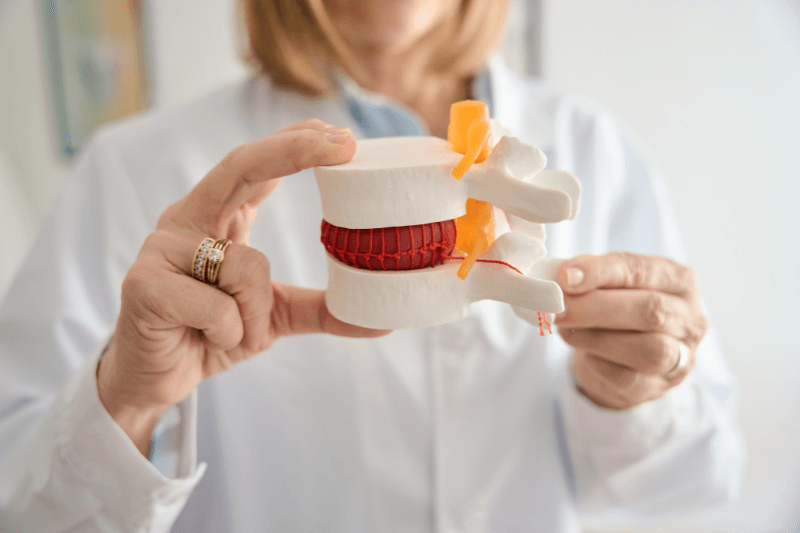
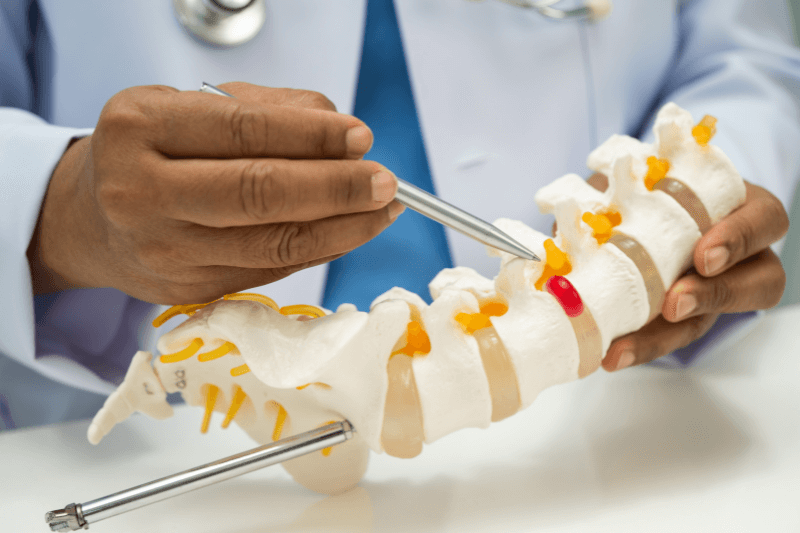
A herniated disc occurs when the nucleus pulposus protrudes through a weakened annulus fibrosus and irritates nearby nerve roots. However, persistent symptoms are often driven by inflammatory mediators such as interleukin-1 beta and TNF-alpha that sensitize surrounding nerves even when mechanical compression is minimal.
Over time, disc dehydration, reduced glycosaminoglycan turnover, and paraspinal muscle ischemia limit nutrient diffusion into the avascular intervertebral disc. Central sensitization may amplify pain signals beyond the original injury site, explaining why some patients continue to experience symptoms despite relatively mild imaging findings.
How Traditional Chinese Medicine Understands Herniated Disc Pathology
In TCM, lumbar strength is governed by Kidney Qi and Jing, which nourish bone and connective tissue. Chronic slipped disc conditions often correspond with Kidney deficiency patterns that weaken spinal support.
The Liver system is also involved in tendon and ligament nourishment. Liver Blood deficiency may contribute to connective tissue stiffness and reduced flexibility, increasing vulnerability to disc injury.
Pain arises when Qi and Blood stagnate along the Bladder meridian and Governing Vessel (Du Mai). Dampness may reflect inflammatory edema within tissues, while Cold-Damp obstruction can cause stiffness and restricted movement. Our acupuncturists at ACA frequently differentiate patterns such as Kidney deficiency, Liver Qi stagnation, or Blood stasis to guide individualized care.
How Acupuncture Relieves Herniated Disc Pain
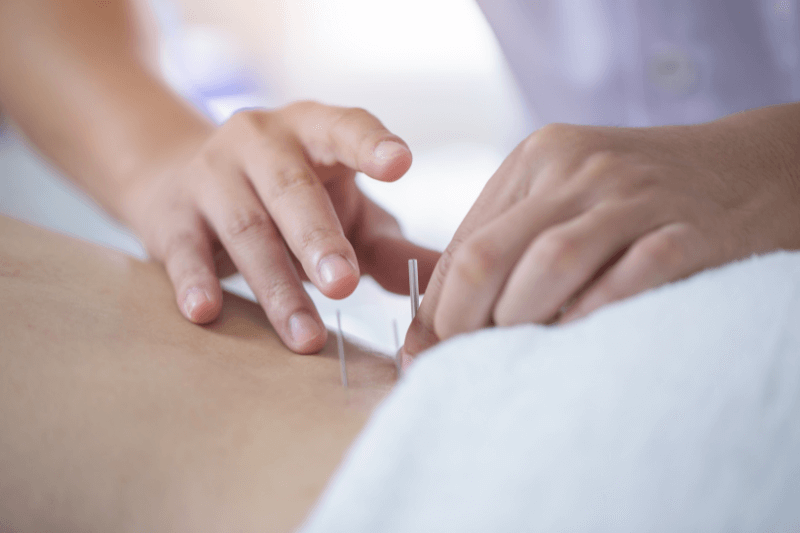
Acupuncture influences multiple neurophysiological pathways associated with pain modulation. Needle stimulation increases endorphin release and activates adenosine-mediated anti-inflammatory responses within affected dermatomes.
Improved microvascular perfusion enhances oxygen delivery to surrounding muscles and ligaments, which supports nutrient transport into disc tissue through diffusion. Needling myofascial trigger points also reduces involuntary guarding in lumbar stabilizers, allowing spinal mechanics to normalize and decreasing compressive stress on irritated nerve roots involved in sciatica.
Complementary TCM Therapies for Spinal Healing
Moxibustion applies localized heat using Artemisia vulgaris to promote circulation and improve connective tissue flexibility.
Tuina manual therapy integrates joint mobilization and myofascial release to reduce stiffness and improve mobility.
Chinese herbal formulas such as Xiaosui Huahe Decoction and Du Huo Ji Sheng Tang may support circulation and reduce inflammatory signaling.
Cupping therapy creates localized negative pressure that may improve lymphatic drainage and reduce soft tissue congestion.
Movement, Activity, and Natural Healing

Prolonged bed rest is no longer recommended for herniated disc recovery. Gentle movement, such as walking every few hours, may improve blood flow to spinal tissues and promote nutrient exchange into the disc.
Remaining active within pain-free limits helps prevent muscle deconditioning and reduces stiffness that may worsen nerve irritation. Breathing exercises and relaxation techniques can also reduce paraspinal muscle tension during daily activities.
Heat, Cold Therapy, and Sleep Positioning
Cold therapy may be helpful during the acute phase of a herniated disc to reduce localized inflammation, nerve irritation, and protective muscle spasms that develop around the lumbar spine. Applying an ice pack for short intervals may help limit swelling in surrounding soft tissue and temporarily decrease pain sensitivity in irritated nerve roots. As the condition progresses into the subacute or chronic stage, heat therapy may become more beneficial by promoting circulation to paraspinal muscles and connective tissue. Improved blood flow may enhance oxygen delivery and nutrient exchange to tissues that support the intervertebral disc, potentially improving flexibility and reducing stiffness.
Supportive sleep positioning is also an important but often overlooked component of spinal recovery. When lying on the back, placing a pillow under the knees may help maintain the natural curvature of the lumbar spine and reduce mechanical strain on affected discs. Side sleeping with a pillow placed between the knees can help align the pelvis and decrease rotational stress along the lower back. These simple positioning strategies may reduce overnight pressure on compressed nerve roots and improve overall comfort during the healing process.
Nutritional Support for Disc and Nerve Repair
Targeted nutritional support may complement acupuncture by helping regulate inflammation, support connective tissue repair, and improve nerve health during herniated disc recovery. Nutrients involved in collagen synthesis, nerve regeneration, and inflammatory control may contribute to the biological environment needed for disc stabilization and symptom improvement.
- Omega-3 fatty acids may assist with inflammatory modulation by reducing prostaglandin and cytokine activity associated with disc degeneration and nerve irritation, which can help decrease swelling around compressed nerve roots.
- Magnesium plays a role in neuromuscular relaxation and may help reduce involuntary muscle guarding around the lumbar spine that contributes to compressive stress and stiffness.
- Collagen peptides provide amino acids such as glycine and proline that are essential for connective tissue repair in spinal ligaments, tendons, and surrounding fascia.
- Glucosamine supports extracellular matrix integrity, which is important for maintaining disc hydration and structural resilience in the intervertebral space.
- Vitamin D contributes to disc cell metabolism and calcium regulation within vertebral structures, which may influence spinal stability.
- Vitamin B6 and B12 are involved in peripheral nerve regeneration and may support recovery from radicular symptoms such as tingling, numbness, or sciatica.
- Vitamin E provides antioxidant protection that may help limit oxidative stress and tissue breakdown in degenerative spinal conditions.
Treatment Frequency and Healing Timeline
Treatment frequency often varies depending on symptom severity, duration of nerve irritation, and the degree of disc protrusion. Acupuncture care is typically delivered in progressive phases that address inflammation early on, support tissue repair during recovery, and maintain spinal stability over time. Structuring treatment according to these phases allows care to target both short-term symptom relief and long-term functional improvement.
Acute Phase
- Frequency: 2 to 3 sessions per week
- Duration: Approximately 2 to 4 weeks
- Rationale: Focuses on reducing localized inflammation, calming nerve root sensitivity, and relieving protective muscle spasms that increase pressure on affected discs
Aims to decrease mechanical stress on the lumbar spine and restore basic mobility
Subacute Phase
- Frequency: 1 to 2 sessions per week
- Duration: 4 to 12 weeks depending on recovery progress
- Rationale: Supports tissue remodeling, improves neuromuscular coordination, and encourages gradual resorption of displaced disc material
Disc bulges may show improvement within approximately six months as inflammation resolves
Chronic or Advanced Cases
- Frequency: Weekly or biweekly sessions
- Duration: Several months based on severity
Rationale: Larger herniations may take up to twelve months for natural resorption and stabilization, particularly when spinal instability or movement dysfunction is present
Continued care may help manage connective tissue stiffness and nerve sensitivity
Maintenance Phase
- Frequency: Monthly or as needed
- Duration: Ongoing for prevention
- Rationale: Supports long-term spinal health by improving muscular balance, circulation, and posture
May help reduce recurrence risk by addressing tension patterns and biomechanical stressors that contribute to repeated flare-ups
Clinical Outcomes and Research Insights
Recent clinical studies published between 2023 and 2025 suggest that acupuncture combined with therapeutic exercise may lead to greater reductions in pain intensity and disability scores compared to standard care alone. Integrative treatment approaches that incorporate acupuncture, movement therapy, and heat-based modalities have been associated with improved functional outcomes in patients with lumbar disc herniation and radiculopathy.
Patients receiving combined care often report enhanced mobility, improved tolerance for daily activities, and decreased reliance on analgesic medications. Improvements in muscle flexibility and neuromuscular coordination may also contribute to reduced mechanical stress on affected spinal segments. When long-term spinal health strategies such as core stabilization, posture correction, and periodic maintenance care are implemented, recurrence rates may be lower compared to symptom-focused treatment alone.
Acupuncture may be a suitable supportive therapy for individuals experiencing spinal conditions associated with inflammation, nerve irritation, or muscular tension that contribute to disc-related pain. It is often considered by patients seeking non-pharmacological approaches to managing symptoms and improving functional mobility.
Acupuncture may benefit individuals experiencing:
- Bulging discs, where nerve irritation or localized inflammation may contribute to back pain or stiffness
- Lumbar radiculopathy, which may involve radiating pain, numbness, or tingling caused by nerve root compression
- Sciatica, including shooting pain that travels from the lower back into the hip or leg
- Degenerative disc disease, where gradual disc dehydration and structural changes affect spinal stability
- Persistent post-surgical pain, particularly when soft tissue tension or nerve sensitivity remains after spinal procedures
Individuals with chronic muscle guarding, reduced mobility, or recurring flare-ups related to disc pathology may also benefit from integrative care approaches that include acupuncture as part of a broader rehabilitation strategy.
Safety Considerations
Acupuncture should be avoided or appropriately modified in cases involving severe spinal instability, active infection, advanced osteoporosis, or pregnancy without prior medical clearance. Individuals with bleeding disorders or those taking anticoagulant medications may also require adjusted treatment techniques to minimize the risk of bruising or soft tissue irritation. In some cases, treatment intensity, needling depth, or point selection may need to be adapted based on spinal sensitivity or underlying medical conditions.
A thorough clinical assessment by a licensed practitioner is important to determine whether acupuncture is suitable based on the severity of disc herniation, the presence of neurological symptoms, and overall health status. Patients should also consult with their primary healthcare provider before beginning integrative therapies, particularly if they are undergoing concurrent medical treatment.
Integrating Acupuncture with Movement Therapy
Optimal recovery often occurs when acupuncture is combined with structured movement therapy aimed at improving spinal stability and reducing mechanical stress on affected discs. Core stabilization exercises may strengthen lumbar support muscles such as the transverse abdominis and multifidus, which help protect the spine during daily movement. Gentle mobility training can improve flexibility in surrounding tissues and reduce stiffness that may contribute to nerve irritation.
Heat therapy may further enhance circulation to paraspinal muscles and connective tissue, supporting tissue relaxation prior to exercise. Postural retraining, ergonomic adjustments, and safe lifting techniques may also help minimize repetitive strain during work or daily activities. Integrating these strategies may improve neuromuscular coordination and support long-term symptom management.
When to Seek Immediate Medical Evaluation
Urgent medical assessment is necessary if symptoms include progressive neurological deficits, saddle anesthesia, loss of bowel or bladder control, or significant motor weakness in the lower limbs. These signs may indicate serious nerve compression or conditions such as cauda equina syndrome, which require prompt medical attention to prevent permanent complications.
Sudden worsening of pain accompanied by numbness, difficulty walking, or loss of coordination should also be evaluated immediately. Early diagnosis and intervention may reduce the risk of long-term nerve damage and improve overall recovery outcomes.
Final Thoughts on Natural Spinal Healing Through TCM

Recovery from a herniated disc depends on restoring circulation, reducing inflammation, and improving neuromuscular coordination that supports spinal stability. While structural changes in the disc may take time to resolve, improving the biological environment around affected tissues can play a meaningful role in symptom management and functional recovery. Enhancing blood flow to paraspinal muscles and connective tissue may support nutrient diffusion into the intervertebral disc, while reducing chronic muscle guarding can help decrease ongoing mechanical stress on irritated nerve roots.
By addressing both structural and systemic contributors to pain, acupuncture and Traditional Chinese Medicine offer a comprehensive pathway toward long-term spinal resilience without reliance on surgery or prolonged medication use. Integrative approaches that combine acupuncture, movement therapy, nutritional support, and lifestyle adjustments may help patients improve mobility, reduce flare-ups, and maintain better spinal health over time.
If you want a holistic approach designed around your symptoms and goals, contact ACA Acupuncture & Wellness and book a consultation with our acupuncturist.
Sources:
Yan, L., Zhang, J., Wang, X., Zhou, Q., Wen, J., Zhao, H., Guo, K., & Zeng, J. (2023). Efficacy of acupuncture for lumbar disc herniation: Changes in paravertebral muscle and fat infiltration – A multicenter retrospective cohort study. Journal of Orthopaedic Surgery and Research, 18(1), Article 620.
Vickers, A. J., Cronin, A. M., Maschino, A. C., Lewith, G., MacPherson, H., Foster, N. E., Sherman, K. J., Witt, C. M., Linde, K., & Acupuncture Trialists’ Collaboration. (2012). Acupuncture for chronic pain: Individual patient data meta-analysis. Archives of Internal Medicine, 172(19), 1444–1453.
Lo, M.-Y., Ong, M. W., Chen, W.-Y., Sun, W.-Z., & Lin, J.-G. (2015). The effects of acupuncture on cerebral and muscular microcirculation: A systematic review of near-infrared spectroscopy studies. Evidence-Based Complementary and Alternative Medicine, 2015, Article 839470.
Traditional Chinese Medicine may help manage herniated disc symptoms by improving circulation, reducing inflammatory stagnation, and supporting connective tissue health associated with spinal stability. Therapies such as acupuncture, herbal medicine, Tuina, and moxibustion are commonly used to reduce pain, improve mobility, and promote long-term functional recovery.
Acupuncture may help relieve herniated disc-related pain by reducing inflammation, relaxing surrounding muscle tension, and improving blood flow to tissues near compressed spinal nerves. It may also modulate pain signaling pathways in the nervous system, which can help decrease nerve irritation and discomfort.
Herniated discs may heal naturally through the gradual breakdown and reabsorption of displaced disc material by immune cells. Reduced inflammation, improved spinal stability, and adequate nutrient exchange in surrounding tissues may also support the recovery process over time.
Acupuncture may help manage spinal nerve pain by influencing neurotransmitter release, improving muscle relaxation, and reducing pressure on irritated nerve roots. These effects may contribute to decreased radiating pain, numbness, or tingling associated with nerve compression.
Acupuncture does not mechanically reposition the disc, but it may support natural recovery by improving circulation, reducing inflammation, and decreasing muscle tension that places stress on affected spinal segments. Maintenance care may also help reduce the risk of recurrence when combined with posture correction and strengthening exercises.
Many patients notice improvement within four to six sessions, although treatment frequency may vary depending on severity. Acute conditions may initially require two to three sessions per week before transitioning to less frequent maintenance treatments as symptoms improve.
Testimonials

Cart (0)
Your cart is currently empty.


Cart (0)
Your cart is currently empty.