

Vastus Intermedius Trigger Points: Causes, Symptoms, and Acupuncture for Thigh Pain Relief
Key Takeaways
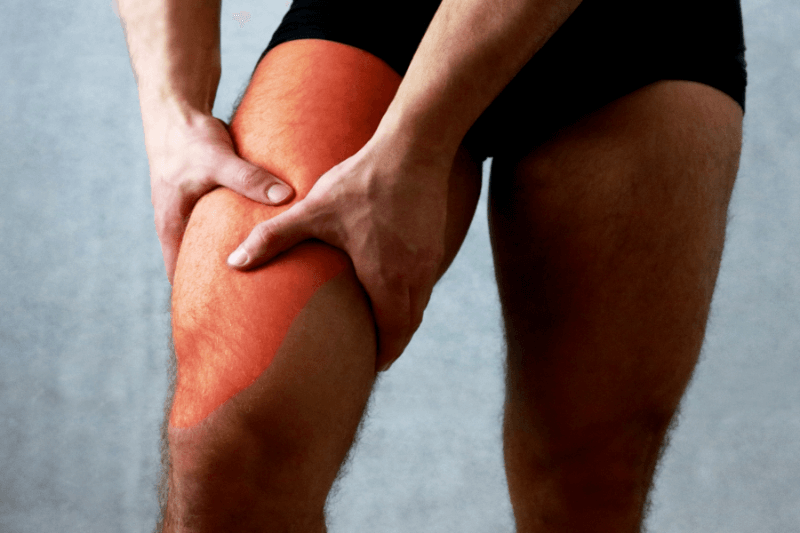
- Vastus intermedius trigger points tend to cause deep, hard-to-localize pain in the front of the thigh and can feel linked to the knee during stairs, squats, or prolonged sitting.
- The most common drivers are load spikes, under-recovery, prolonged hip-flexed sitting, and movement compensations after knee pain.
- Because the muscle is deep, “perfect self-diagnosis” is difficult; pattern recognition plus response to targeted care is often more useful than aggressive self-palpation.
- Acupuncture and dry needling can be helpful for myofascial pain and trigger-point symptoms, especially when paired with stretching and strengthening.
- Red-flag symptoms like one-sided swelling, warmth, redness, and severe tenderness require medical evaluation to rule out conditions like DVT.
Vastus Intermedius Trigger Points: Definition, Location, and Function
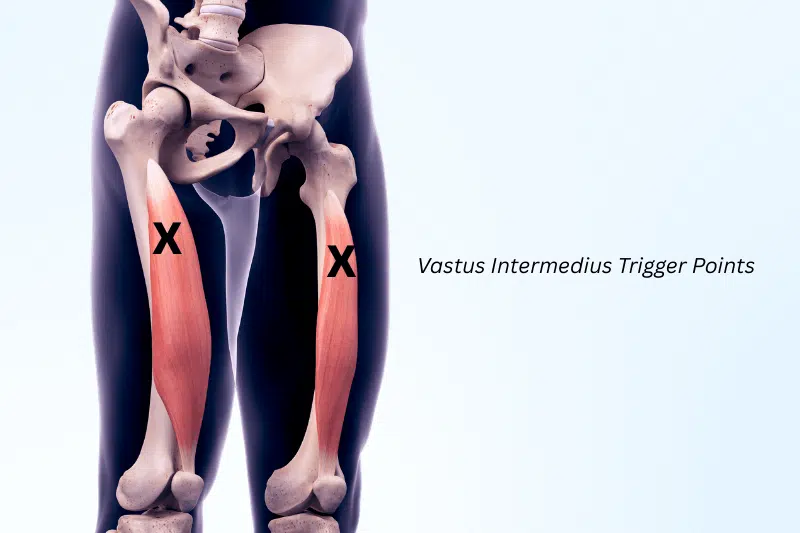
A vastus intermedius trigger point is a sensitive spot in a deep quadriceps muscle that becomes painful under pressure and can make the tissue behave like it is “stuck on.” In myofascial pain syndrome, trigger points are often described alongside taut bands, protective tightness, and referred pain patterns. In real terms, this usually shows up as a deep ache in the front of the thigh, tightness that does not fully resolve with stretching, and pain that flares with specific loads.
Vastus intermedius sits centrally in the front thigh and lies deep beneath the rectus femoris. Its primary role is knee extension, and it contributes to the quadriceps tendon mechanism that connects into the patella (kneecap) and down to the tibia via the patellar tendon and ligament. When this deep quad is irritable, knee motion can feel stiff or guarded because the system is protecting against pain, even if the knee joint itself is structurally fine.
Muscle Action (Vastus Intermedius)
- Knee Extension: Helps straighten the knee during everyday movement and training, including walking, stairs, running, and jumping.
- Knee Support Under Load: Works with the other quadriceps muscles to keep the knee steady and aligned when you squat, lunge, land, or change direction.
- Deceleration Control: Assists with controlling knee bend during lowering phases, such as going downstairs or absorbing impact, which is when front-thigh symptoms often flare.
The vastus intermedius is a deep powerhouse for knee straightening and stability, especially during repetitive, high-load leg activity.
Pain Pattern Explained: When Vastus Intermedius Overload Feels Like Knee Pain
Front thigh pain and anterior knee discomfort often travel together because the quadriceps is both a thigh muscle group and a major controller of the knee joint. When the quads are tight or painful, activities that load a bent knee (stairs, squats, getting up from a chair) can flare symptoms, which overlaps with common anterior knee pain patterns.
A practical way to think about it is load sharing. If your hip is not contributing well (glute weakness, poor pelvic control, limited hip extension from sitting), your quads take more demand. Over time, the deep quad can become a “silent workhorse” that gets overloaded, then starts producing protective tone and pain.
Common Symptoms of Vastus Intermedius Trigger Points
Vastus intermedius trigger-point presentations often include:
- Deep anterior thigh pain that feels buried, diffuse, or difficult to pinpoint with your fingers.
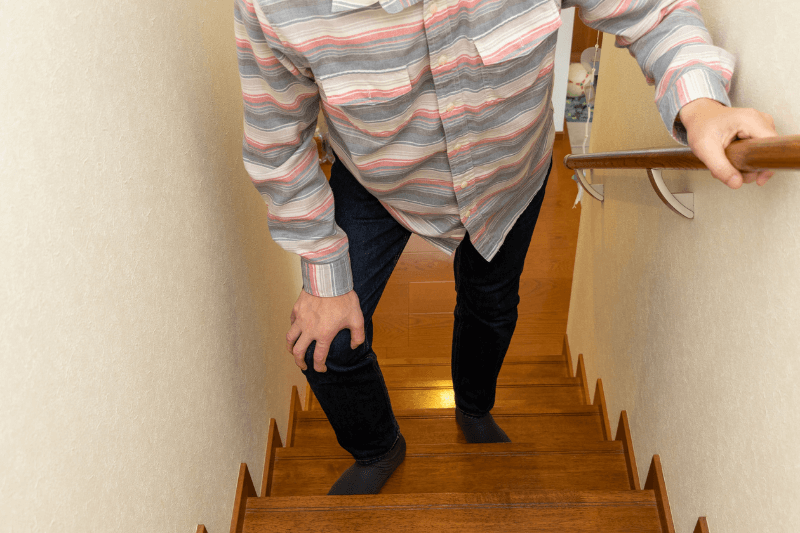
- Ache or sharpness during knee-loaded tasks, especially stairs, squats, lunges, cycling torque efforts, or hill running.
- A stiff-knee sensation, sometimes described as “hard to fully straighten” after sitting or after training.
- Reduced power or endurance, especially with eccentric control, like going downstairs or decelerating.
Soreness vs strain vs trigger-point pain
- Normal soreness (DOMS) peaks 24 to 72 hours after unusual training, feels tender across a broad area, then fades.
- Strain is more likely after a clear event (sprint, slip, sudden lunge), often with localized pain and weakness.
- Trigger-point-driven pain often feels repetitive and positional: it flares with the same tasks and returns quickly when you reload too soon.
If you are uncertain, that uncertainty is meaningful. Deep quad pain is one of the times when guessing wrong can lead to unhelpful self-treatment.
High-Risk Groups: When Training and Sitting Habits Overload the Deep Quad
- Runners adding speed work and hills too quickly.
- Cyclists doing high-torque blocks (big gear, low cadence) and long climbs.
- Gym-focused trainees increasing squat and lunge volume rapidly, especially with limited hip mobility.
- Desk workers training intensely in the evening after long sitting blocks.
- People returning from injury who have not rebuilt strength symmetry and control.
A broader context matters too: chronic pain is common, and in the U.S. an estimated 24.3% of adults reported chronic pain in 2023. The point is not that your thigh pain is “chronic pain,” but that pain sensitization and persistence are normal human biology, and treatment should address both tissue and nervous system factors.
How to Tell If It Is the Vastus Intermedius (And Not Something Else)
Because vastus intermedius is deep, self-testing is about probability, not certainty.
Signs that make it more likely
- Pain is centered in the front middle thigh and feels deep.
- Symptoms flare with stairs, squats, lunges, cycling resistance, and especially fatigue.
- Relief improves when you temporarily reduce knee-extension volume and add targeted soft-tissue work plus controlled strengthening.
Signs that make it less likely
- Pain is mainly at the hip crease (more consistent with hip flexor or rectus femoris involvement).
- Pain is sharp at the patellar tendon area with jumping (more consistent with patellar tendinopathy).
- Pain includes significant numbness, tingling, burning, or radiates below the knee in a nerve-like line (consider lumbar or femoral nerve irritation).
Common look-alikes
Vastus intermedius trigger points may be mistaken for:
- Hip flexor or iliopsoas strain/tendinopathy: front hip crease pain, worse with sprinting, high knees, or uphill running.
- Rectus femoris strain (more superficial quad): pain closer to the front of the hip and thigh, often felt during kicking or sprinting.
- Greater trochanteric pain / gluteal tendinopathy: lateral hip pain that changes gait and shifts load into the quads.
- IT band friction and lateral knee pain: pain on the outside of the knee, often worse after a few minutes of running.
- Referred pain from the lumbar spine (L2–L4): thigh pain with back stiffness, symptoms that vary with spine position, coughing, or prolonged sitting.
- Meralgia paresthetica (lateral femoral cutaneous nerve): burning, tingling, or numbness on the outer thigh rather than deep muscular ache.
- Femoral stress fracture (rare but important): deep thigh pain that worsens with impact, persists at rest, and may increase at night.
- Quadriceps contusion (direct blow): clear contact event, bruising, swelling, and pain with bending the knee.
When Thigh Pain Needs Medical Evaluation First
Do not try to self-manage if you have any of the following:
- One-sided swelling, warmth, redness, or tender veins, especially with throbbing pain when standing or walking. These can be signs of deep vein thrombosis (DVT) and need urgent assessment.
- Fever, unexplained severe night pain, rapidly worsening symptoms, or feeling systemically unwell.
- Major trauma, inability to bear weight, or a sudden loss of strength.
- Progressive numbness, weakness, or bowel and bladder changes.
Self-Relief Strategies That Won’t Make Symptoms Worse
Calm it down first
If your thigh is reactive, the first goal is to lower irritability. That means reducing the specific loads that spike symptoms for several days, not full bed rest.
Heat vs cold
- Cold can help after activity if symptoms feel hot, inflamed, or newly aggravated.
- Heat can help if the thigh feels chronically tight and guarded, especially before gentle mobility.
Gentle self-release, done safely
Foam rolling the front thigh can help, but more pressure is not better. Aim for a moderate, tolerable sensation and avoid prolonged crushing.
A simple approach:
- Roll slowly from upper thigh toward mid-thigh, avoiding the bony kneecap area.
- Pause briefly on tender spots, breathe, then move on.
- Keep it to 60 to 90 seconds per region, once daily for a week.
If rolling increases pain for hours afterward, reduce pressure and time, or switch to heat plus gentle movement instead.
Strength and Motor Control: The Missing Piece in Recurring Trigger Points
Trigger points often return when the muscle repeatedly faces the same overload problem. Your long-term win condition is higher capacity and better load distribution.
Phase 1: Isometrics for pain modulation
Wall sit variations or Spanish squat holds can reduce pain sensitivity and reintroduce quad load without excessive movement.
Phase 2: Controlled eccentrics
Step-downs, split squats, and slow lowering work build tolerance for stairs and downhill demands.
Phase 3: Return-to-run or return-to-sport rules
Reintroduce intensity last. Build volume first, then hills, then speed, while monitoring next-day symptoms.
Where Acupuncture Fits for Vastus Intermedius Trigger Points
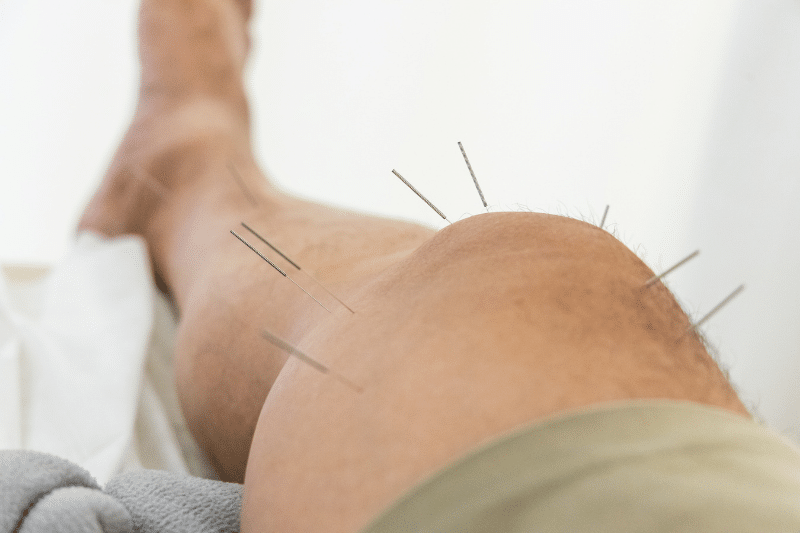
Acupuncture vs dry needling: similar tool, different framework
Both use thin filiform needles, but the clinical model differs.
- Dry needling commonly targets myofascial trigger points directly and is often delivered within physical therapy and sports rehab contexts.
- Acupuncture draws from East Asian medicine pattern diagnosis and can combine local and distal points to influence pain modulation and function. Research summaries from NCCIH note acupuncture may help several pain conditions, including knee pain associated with osteoarthritis and other musculoskeletal pain presentations.
What the evidence says
- A 2024 systematic review and meta-analysis reported acupuncture was associated with greater pain reduction than control comparators in myofascial pain syndrome trials (with typical limitations like heterogeneity across studies).
- Reviews of trigger-point theory and needling approaches describe local twitch responses and neuromodulatory effects as plausible contributors to symptom relief.
- A 2024 systematic review and meta-analysis found that adding deep dry needling to stretching may improve pain more than stretching alone for myofascial trigger points, supporting the idea that needling works best when paired with movement-based care.
Why this matters for a deep quad muscle
Vastus intermedius is not a “surface knot.” It is a deep stabilizer and force producer. Needling approaches may help reduce protective tone and pain sensitivity so that strengthening and gait retraining become more comfortable and effective.
What a High-Quality Treatment Plan Looks Like (Best-Practice Blend)
The most consistent results tend to come from combining:
- Load edits (remove the aggravator temporarily)
- Needling (acupuncture or dry needling based on provider scope and plan)
- Mobility that restores hip extension and quad length tolerance
- Progressive strengthening that rebuilds knee extension capacity and hip control
In other words, the needle can help open the door, but movement and load strategy keep it open.
What to Expect in an Acupuncture Session for Deep Quad Pain
A targeted session often includes:
- A focused history (training volume, sitting time, recent load spikes, prior knee pain)
- Movement checks (squat pattern, step-down tolerance, hip mobility, gait)
- Needle selection that may include local tender points and distal regulatory points
Some practitioners use electroacupuncture for stubborn muscle guarding, especially when pain is deep and persistent. Post-session soreness can happen, but serious adverse events are uncommon when sterile, single-use needles are used by trained practitioners.
How Many Sessions Does It Usually Take?
Many people look for two timelines:
- Early change: reduced pain reactivity and easier stairs within 1 to 3 sessions.
- Durable change: fewer flare-ups over 2 to 6 weeks when strength and load tolerance improve.
If there is no meaningful change after several sessions plus appropriate load edits, reassess. The issue may be a different structure, a different driver (hip, spine, tendon), or a systemic factor.
Prevention: Keep Vastus Intermedius Trigger Points From Coming Back

Load planning that actually works
- Avoid stacking hills, speed, and heavy leg day back-to-back.
- Increase weekly running volume gradually and keep at least one true easy day.
- For cyclists, balance torque blocks with cadence work and recovery rides.
Desk-worker countermeasures
- Break up sitting with short standing and walking bouts.
- Add hip extension exposure daily (half-kneeling stretch, short stride walks).
- Do a brief warm-up before training, even if the workout is short.
Strength maintenance
A minimum effective dose matters. Two short lower-body strength sessions per week often protects more than sporadic “hard weeks” followed by long gaps.
Get Thigh Pain Relief With a Holistic Treatment Plan
Vastus intermedius trigger points can make front thigh pain feel deep, stubborn, and sometimes connected to knee stiffness, especially after stairs, squats, hills, cycling resistance, or sudden training load spikes. Because this muscle sits deep in the quadriceps, lasting relief usually comes from combining symptom relief with smarter load management, mobility, and progressive strengthening.
At ACA Acupuncture and Wellness, we take a holistic approach to thigh pain. We use acupuncture to help reduce protective muscle tension and pain sensitivity, and when appropriate, we may pair it with supportive services like cupping for tight, restricted tissue and moxibustion to promote comfort and circulation. These therapies can work well together as part of a complete plan.
Contact us to book an appointment, and we will help you build a clear, step-by-step path to relief and long-term prevention.
Sources:
Velázquez-Saornil, J., Ruiz-Ruiz, B., Rodríguez-Sanz, D., Romero-Morales, C., López-López, D., & Calvo-Lobo, C. (2017). Efficacy of quadriceps vastus medialis dry needling in a rehabilitation protocol after surgical reconstruction of complete anterior cruciate ligament rupture. Medicine, 96(17), e6726.
Zuil-Escobar, J. C., Martínez-Cepa, C. B., Martín-Urrialde, J. A., & Gómez-Conesa, A. (2016). The prevalence of latent trigger points in lower limb muscles in asymptomatic subjects. PM&R, 8(11), 1055–1064.
Zhai, T., Jiang, F., Chen, Y., Wang, J., & Feng, W. (2024). Advancing musculoskeletal diagnosis and therapy: A comprehensive review of trigger point theory and muscle pain patterns. Frontiers in Medicine, 11, 1433070.
Yes. Deep quadriceps trigger points can feel worse at night if the muscle stays tense after a heavy day, if you sleep with the hip flexed and knee bent, or if you have lingering post-exercise sensitivity. Night pain that is severe, progressive, or paired with fever, swelling, or unexplained weight loss should be medically evaluated.
The fastest “calm-down” strategy is usually a short window of load reduction (avoid stairs, deep squats, hills), gentle heat for 10 to 15 minutes, then light movement such as easy walking or pain-free range-of-motion work. Aggressive stretching and hard foam rolling can make a flare-up more reactive.
Often, yes. Hip flexor tightness and prolonged sitting can limit hip extension and shift more demand into the quadriceps during walking, running, and squatting. When the hip is not contributing well, the deep quad can overwork and develop persistent tightness and trigger-point sensitivity.
Yes. Overstriding, excessive downhill running, high-impact braking, and weak hip control can increase eccentric quadriceps load, especially on the front thigh. Form changes alone are rarely the full fix, but they can reduce repeated overload when paired with strength and gradual progression.
Avoid maximal lifting, sprinting, or long hill sessions for 24 hours if the area feels sore or heavy. Light walking and gentle mobility are usually fine and can help. If you get unusual swelling, increasing redness, or symptoms that feel out of proportion, seek medical guidance.
Femoral nerve irritation is more likely if you have tingling, numbness, burning, or clear radiating symptoms, especially if pain tracks into the knee with sensory changes or noticeable weakness. Trigger-point pain is more often deep, achy, pressure-sensitive, and movement-load dependent without true neurological symptoms.
Testimonials

Cart (0)
Your cart is currently empty.


Cart (0)
Your cart is currently empty.