

Acupuncture for Depression

Acupuncture for Depression: A Natural Approach to Mental Health and Emotional Well-Being

Some days it’s hard to move. The weight of everything, thoughts, exhaustion, the dull ache in your chest, makes even the simplest moments feel distant. You go through the motions but nothing quite reaches you. The world keeps turning yet you’re stuck, drained by something that words can’t fully explain. Everything feels heavier than it should, as if your body and mind are carrying something too big to put down. What makes it even harder is that depression does not follow a pattern. It does not belong to one age group or one life experience. It can affect anyone, creeping in silently or crashing in all at once, making even the strongest feel lost in its grip.
Depression isn’t just sadness. It lingers in the way sleep never feels restful, in the way emotions dull until even joy feels out of reach. It makes hope feel fragile and distant. Finding a way through can seem impossible when nothing seems to help. Some treatments focus only on the mind while others overlook the deeper connection between emotional and physical well-being. A more holistic approach considers the body as part of the healing process, recognizing that relief can come from restoring balance. Acupuncture has been used for centuries to ease emotional distress, helping to regulate the nervous system, release tension, and create space for the body to heal in ways that go beyond words. Understanding how this practice works and why it may help can offer a new perspective for those searching for relief.
Key Takeaways
- Acupuncture can meaningfully reduce depressive symptoms, particularly in mild to moderate depression and as an adjunct to standard care.
- Treatments act on both TCM patterns and modern physiology, supporting Qi flow, calming the stress response, and modulating neurotransmitters such as serotonin, dopamine, and endorphins.
- People often notice improvements in sleep, energy, and physical symptoms such as headaches, muscle tension, digestive issues, and chronic pain, which indirectly improves mood.
- Best results come from a series of sessions, usually once or twice per week at the beginning, combined with counseling, medication when appropriate, and lifestyle support.
- Acupuncture is generally safe when provided by a licensed practitioner, but severe or suicidal depression always requires medical and psychiatric care in addition to any holistic therapy.
Does Acupuncture Help with Depression?
Research suggests that acupuncture can be as effective as antidepressant medication for some people with mild to moderate depression and can enhance the effects of medication and psychotherapy. It is best viewed as an evidence supported, integrative treatment rather than a stand alone cure for severe or crisis level depression.
Clinical trials and meta analyses have evaluated acupuncture for depression over the past two decades. Many studies compare acupuncture to antidepressants, sham acupuncture, or usual care. Overall, the evidence suggests that:
- Acupuncture can reduce depression scores on standardized scales.
- In some studies, acupuncture performs similarly to medication, with fewer side effects.
- When combined with antidepressants or psychotherapy, acupuncture often improves response rates and symptom reduction compared to standard care alone.
Most of this research focuses on mild to moderate major depressive disorder or chronic low mood, not severe, psychotic, or highly suicidal presentations. For those higher risk situations, acupuncture can be supportive but should not replace intensive psychiatric care.
In practice, acupuncturists often work as part of a wider team that includes primary care providers, psychiatrists, and therapists. This integrated approach is where acupuncture tends to deliver its strongest benefits.
How Depression Shows Up in the Body and Mind

Depression affects emotions, thinking, physical health, and behavior. It commonly causes low mood, loss of interest, fatigue, sleep changes, appetite shifts, pain, and withdrawal from daily activities, and may involve serious symptoms such as thoughts of self harm.
From a Western medical perspective, depression is a mood disorder that can take several forms, including:
- Major depressive disorder
- Persistent depressive disorder (dysthymia)
- Seasonal affective disorder
- Postpartum depression
These diagnoses differ in duration, pattern, and severity, but they share core features.
Common emotional symptoms
- Persistent sadness, emptiness, or tearfulness
- Loss of interest in previously enjoyable activities
- Feelings of guilt, worthlessness, or hopelessness
- Irritability or emotional numbness
Common cognitive symptoms
- Difficulty concentrating, remembering, or making decisions
- Negative thought patterns and self criticism
- Pessimistic outlook about the future
Common physical symptoms
- Low energy and persistent fatigue
- Sleep problems, including trouble falling asleep, early waking, or oversleeping
- Changes in appetite and weight
- Headaches, muscle tension, digestive upset, or unexplained aches
Common behavioral symptoms
- Social withdrawal or isolation
- Decline in work or school performance
- Reduced motivation for self care or daily tasks
When depression is an emergency
If depression includes thoughts of suicide, self harm, or harming others, or if someone is unable to care for basic needs, this is a medical and psychiatric emergency. In those situations, immediate help through emergency services, crisis hotlines, or urgent psychiatric care is essential. Acupuncture is not a replacement for emergency intervention but can become part of ongoing recovery once safety is established.
How Traditional Chinese Medicine Understands Depression
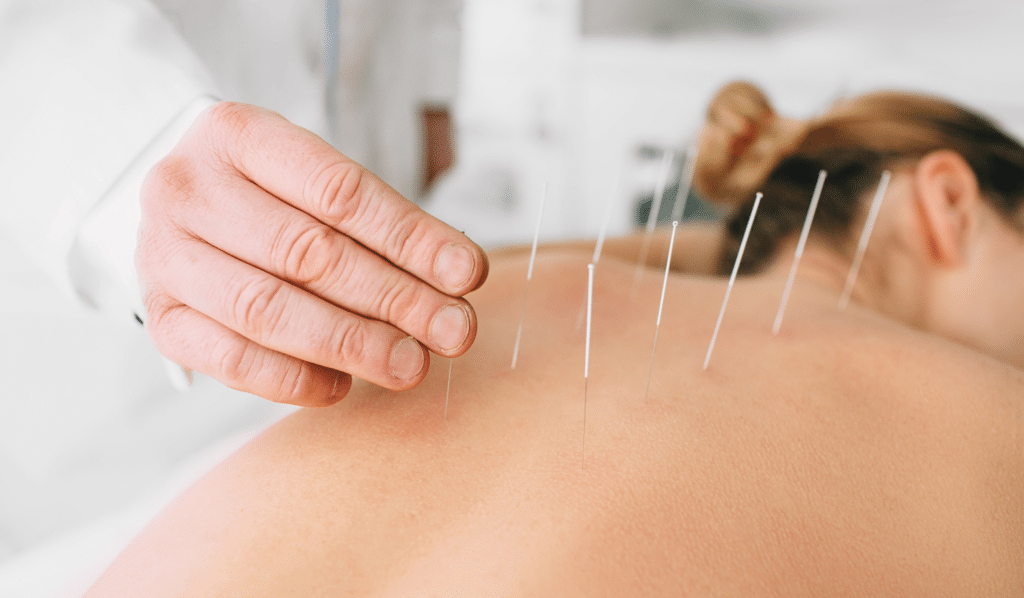
Traditional Chinese Medicine views depression as a disruption of Qi, Blood, and Shen across organ systems such as the Liver, Heart, Spleen, and Kidneys. Different symptom patterns reflect different imbalances, which guide individualized acupuncture and herbal treatment.
TCM does not see depression as a single, uniform condition. Instead, it interprets mood changes, sleep patterns, digestion, and physical symptoms as signs of how Qi and organ systems are functioning together.
Qi, Blood, Shen, and Jing in emotional health
- Qi is the vital energy that drives movement, transformation, and function.
- Blood nourishes tissues and helps anchor the mind.
- Shen refers to the spirit or consciousness that resides in the Heart and reflects mental clarity and emotional stability.
- Jing is the inherited essence stored in the Kidneys and relates to resilience, willpower, and long term vitality.
When these aspects are balanced, emotions move freely, sleep is restorative, and the body feels grounded. When they are disturbed, depression, anxiety, and other emotional symptoms can emerge.
Common TCM patterns in depression
One person may show more than one pattern at the same time. These are some of the most frequent presentations.
Liver Qi stagnation
- Emotional signs: feeling stuck, easily frustrated, mood swings, irritability.
- Physical signs: chest tightness, throat sensation, headaches, digestive discomfort, PMS.
Stress, emotional repression, and long term frustration often block Liver Qi. Acupuncture for this pattern focuses on moving and smoothing Qi.
Heart and Shen disturbance
- Emotional signs: persistent sadness, feeling disconnected, restlessness, emotional volatility.
- Physical signs: insomnia, palpitations, anxiety, vivid or disturbing dreams.
Overwork, grief, and chronic stress can weaken the Heart and disturb Shen. Treatment aims to calm and anchor the spirit.
Spleen Qi deficiency
- Emotional signs: worry, overthinking, mental fog, lack of motivation.
- Physical signs: bloating, loose stools, poor appetite, heavy limbs, fatigue.
Irregular eating, excessive mental work, and refined foods can weaken Spleen Qi. Treatment focuses on strengthening digestion and mental clarity.
Kidney deficiency and depletion
- Emotional signs: deep exhaustion, low resilience, fearfulness, loss of drive.
- Physical signs: low back or knee soreness, cold limbs, dizziness, low libido, chronic fatigue.
Long term stress, chronic illness, or repeated depressive episodes can deplete Kidney Jing. Treatment supports core vitality and recovery over time.
How pattern diagnosis guides treatment
During an assessment, an acupuncturist evaluates sleep, digestion, menstrual history, energy levels, emotional patterns, tongue, and pulse to determine which patterns are present. Treatment plans, including acupuncture points, herbal formulas, and lifestyle advice, are then tailored to these findings. This is why two people with the same Western diagnosis of depression can receive very different TCM treatments.
How Acupuncture Works for Depression: TCM and Biomedical Mechanisms
Acupuncture reduces depressive symptoms by calming the stress response, influencing brain chemistry, improving sleep and pain, and correcting TCM patterns such as Qi stagnation and deficiency. Its effects are mediated through both nervous system regulation and shifts in Qi flow.
Regulating the nervous system and stress response
Acupuncture has measurable effects on the autonomic nervous system. Studies suggest that it:
- Increases parasympathetic activity, which supports relaxation and recovery.
- Reduces sympathetic overdrive associated with chronic stress and hypervigilance.
- Modulates the hypothalamic pituitary adrenal (HPA) axis, lowering excessive cortisol levels.
This shift from a constant fight or flight state toward a more balanced nervous system can relieve anxiety, agitation, and physical tension that often accompany depression.
Modulating neurotransmitters and neuroplasticity
Research indicates that acupuncture can influence:
- Serotonin and dopamine, which are involved in mood regulation.
- Endorphins and enkephalins, which reduce pain and promote a sense of well being.
- Brain derived neurotrophic factor (BDNF) and other factors linked to neuroplasticity.
Functional imaging studies show changes in activity in brain regions associated with emotion, such as the limbic system and prefrontal cortex, after acupuncture. These biological shifts help explain why mood, motivation, and cognitive clarity may improve over a series of treatments.
Releasing Qi stagnation and supporting organ systems
From a TCM perspective, acupuncture needles act like tiny regulators that redirect and harmonize Qi. In depression:
- Points that move Liver Qi relieve constraint, irritability, and tension.
- Points that calm the Heart and Shen ease restlessness, insomnia, and emotional instability.
- Points that strengthen Spleen and Kidney Qi build resilience and support long term recovery.
The combined effect is a more coherent flow of energy throughout the system, which patients often experience as feeling lighter, clearer, and more grounded.
Improving sleep, energy, and physical symptoms
Depression rarely exists without sleep and physical complaints. By adjusting the nervous system and Qi patterns, acupuncture can:
- Improve sleep onset and continuity.
- Reduce headaches, muscle pain, and digestive discomfort.
- Increase daytime energy and lessen morning heaviness.
These changes may seem secondary, but better sleep, less pain, and more stable energy often form the foundation for emotional healing.
Key Acupuncture Points and Treatment Strategies for Depression
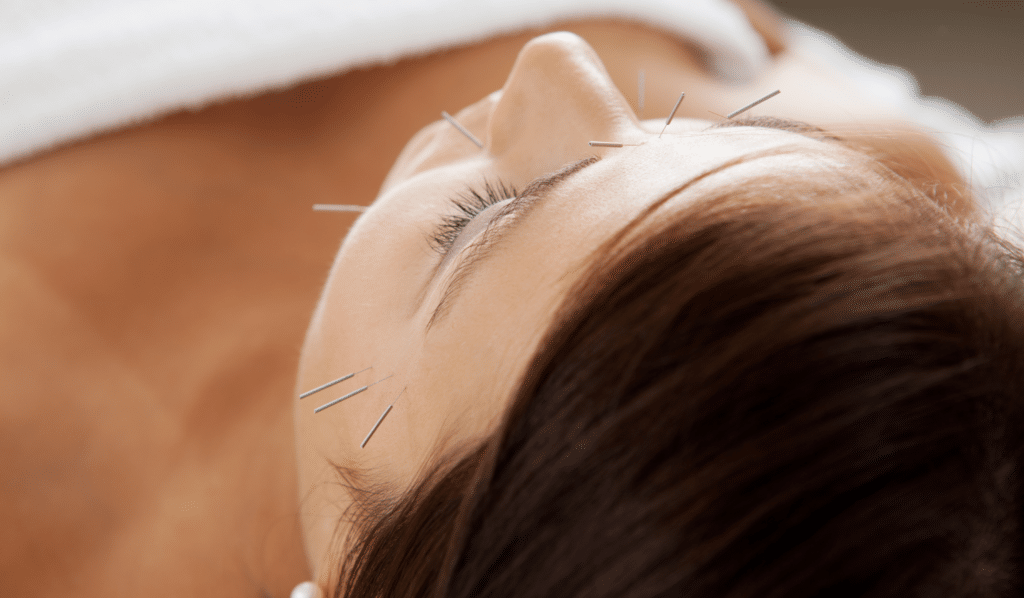
Acupuncturists use point combinations that calm the mind, move Liver Qi, strengthen Spleen and Kidney Qi, and relieve physical tension. Common points include Yintang, Baihui, Shenmen, Liver 3, Spleen 6, and others chosen according to each person’s pattern and symptoms.
Commonly used points for mood support
While treatments are individualized, certain points appear frequently in protocols for mood disorders:
- Yintang (EX HN3), between the eyebrows, quiets the mind and eases anxiety.
- Baihui (GV20), at the top of the head, lifts mood, clears the mind, and stabilizes Shen.
- Shenmen (HT7), near the wrist crease, calms the Heart, reduces palpitations, and supports sleep.
- Liver 3 (LV3), on the foot, moves Liver Qi, relieves frustration, and relaxes tension.
- Spleen 6 (SP6), above the inner ankle, nourishes Spleen, Liver, and Kidney, supporting digestion, hormones, and emotional resilience.
- Pericardium 6 (PC6), on the forearm, helps with chest tightness, nausea, and emotional distress.
An acupuncturist may also needle points on the back, abdomen, or lower limbs that relate to specific organ systems or areas of pain.
Pattern based point combinations
The exact point prescription changes as the person’s condition changes. For example:
- Liver Qi stagnation patterns often include LV3 combined with points such as GB34 or LI4.
- Heart and Shen disturbance patterns might emphasize HT7, PC6, and Anmian for sleep.
- Spleen Qi deficiency patterns frequently include ST36 and SP6 to support digestion and energy.
- Kidney deficiency patterns may use KI3, BL23, or Ren4 to reinforce core vitality.
This flexible, pattern based approach is one reason acupuncture is often well tolerated and adaptable in long term care.
Acupressure and at home support
Some points can be stimulated gently at home with acupressure to help between sessions. An acupuncturist may teach safe techniques for points like Yintang, Shenmen, or PC6. These practices are supportive, not a substitute for professional treatment, and should not delay seeking medical or psychiatric help when needed.
Who Is a Good Candidate for Acupuncture for Depression?

Acupuncture is well suited for people with mild to moderate depression, chronic low mood, or depression combined with anxiety, insomnia, or pain. It is also helpful for those who cannot tolerate medication side effects. Severe or suicidal depression requires medical and psychiatric care, with acupuncture as a complementary therapy only.
Mild to moderate depression and chronic low mood
People who feel persistently low, unmotivated, or emotionally flat, but who can still manage basic daily tasks, often respond well to acupuncture. It can be especially useful when symptoms have a strong physical component such as sleep disruption, digestive problems, or muscle pain.
Depression with anxiety, insomnia, or pain
Many patients experience overlapping mood and anxiety symptoms, or depression intertwined with:
- Generalized anxiety or panic
- Chronic headaches, migraines, or musculoskeletal pain
- Irritable bowel syndrome or other digestive disorders
- Insomnia or non restorative sleep
Because acupuncture addresses both the emotional and physical dimensions, it fits naturally into care for these complex presentations.
When acupuncture should be part of a broader plan
Anyone with:
- Severe depressive symptoms
- Thoughts of self harm or suicide
- Psychotic features or mania
- Inability to function at work, school, or home
needs medical and psychiatric evaluation. In these cases, acupuncture can still play a supportive role, but only as part of a comprehensive treatment plan that may include medication, psychotherapy, and close follow up.
Benefits You Can Expect from Acupuncture for Depression
Across a series of treatments, acupuncture can improve mood, reduce anxiety, deepen sleep, ease pain, and enhance overall resilience. Many people report feeling calmer, clearer, and less weighed down, even before their mood fully normalizes.
Short term changes vs cumulative effects
Some people feel relaxed or lighter after the first few sessions. Early benefits often include:
- Reduced muscle tension
- Temporary improvement in sleep quality
- A sense of mental quiet or spaciousness
More lasting changes usually develop over several weeks of consistent treatment. As sessions accumulate, many patients notice:
- Fewer depressive episodes or shorter duration
- Greater emotional stability and stress tolerance
- Better energy and motivation to engage in therapy, exercise, and daily life
Impact on mood, function, and quality of life
When depression improves, small shifts often show up first in daily routines:
- Getting out of bed with less resistance
- Resuming hobbies or social contact
- Feeling more hopeful about the future
- Having the bandwidth to address underlying issues in therapy
Acupuncture does not overwrite life circumstances, but by changing how the nervous system and Qi patterns respond, it can make other forms of healing more accessible.
Is Acupuncture Safe for Treating Depression?
Acupuncture is generally safe when provided by a licensed practitioner using sterile, single use needles. Common side effects are mild and temporary, and the treatment can usually be combined safely with antidepressants and psychotherapy.
Common side effects
Most people tolerate acupuncture well. Possible short term effects include:
- Mild soreness, bruising, or a heavy sensation at needle sites
- Temporary fatigue or lightheadedness after a session
- Occasional emotional release such as unexpected tears or vivid dreams
These reactions typically resolve quickly and are discussed with the practitioner so the treatment plan can be adjusted if needed.
Who needs extra caution or medical clearance
Additional care is taken with:
- People on blood thinners or with bleeding disorders
- Patients who are very frail or have serious cardiovascular disease
- Pregnant patients, where point selection is more limited
- Individuals with complex psychiatric conditions such as psychosis or bipolar disorder
In these situations, communication with the person’s medical team is important. Acupuncturists may modify point choices and treatment intensity to ensure safety.
Working alongside medications and therapy
Acupuncture does not interfere with antidepressants or psychotherapy. It often:
- Supports people who have only partial response to medication
- Helps those who experience side effects such as insomnia, digestive upset, or pain
- Creates a physiological environment that can make psychotherapy more effective
Medication decisions always belong with the prescribing clinician. Patients should never stop or change psychiatric medication without medical guidance, even if they feel better after acupuncture.
Acupuncture vs Medications and Therapy: How Do They Fit Together?
Acupuncture is not a replacement for evidence based treatments such as antidepressants and psychotherapy, but it can significantly enhance results and improve tolerability. For many people, the most effective approach is a combination plan tailored to symptom severity and personal preference.
Comparing treatment options
|
Treatment Approach |
Main Benefits |
Limitations or Considerations |
|
Acupuncture |
Holistic, low side effect profile, improves mood, sleep, pain, and stress tolerance |
Requires multiple sessions; effects build gradually |
|
Antidepressant medication |
Strong evidence base for moderate to severe depression; convenient daily dosing |
Possible side effects, delayed onset, variable response |
|
Psychotherapy (e.g., CBT) |
Addresses thought patterns, behavior, and coping skills |
Requires time, emotional engagement, and consistency |
|
Lifestyle changes |
Improve long term brain and body health, prevent relapse |
Need motivation and support to maintain changes |
Rather than thinking in terms of choosing only one, most patients do best with a thoughtful combination. For example, medication and CBT plus acupuncture may address chemistry, cognition, and embodiment together.
Beyond Acupuncture: Other TCM Approaches for Depression
In TCM, acupuncture is often combined with herbal medicine, movement practices, bodywork, and dietary guidance to support mood. These therapies are selected based on pattern diagnosis and personal needs.
Chinese herbal medicine
Chinese herbal formulas can:
- Move constrained Liver Qi
- Nourish Blood and Yin
- Strengthen Spleen and Kidney Qi
These formulas are individualized and should only be prescribed by a qualified practitioner, especially for patients taking psychiatric medication, since herb drug interactions must be considered.
Movement and breath practices: Qi Gong and Tai Chi
Gentle movement systems such as Qi Gong and Tai Chi:
- Regulate breathing and posture
- Encourage body awareness and grounding
- Reduce stress and mild anxiety
- Improve sleep and physical balance
They are especially helpful between acupuncture sessions and in relapse prevention.
Bodywork, cupping, and Tuina
Techniques such as cupping and Tuina massage:
- Release muscle tension and fascial restriction
- Improve local circulation
- Provide a sense of physical relief and warmth
For people whose depression is intertwined with chronic pain, these therapies can reduce symptom load and indirectly improve mood.
Dietary and lifestyle support
TCM dietary recommendations focus on:
- Warm, cooked, easy to digest foods to support Spleen Qi
- Regular meal timing
- Avoiding excessive sugar, alcohol, and very cold foods
Lifestyle guidance may cover sleep hygiene, pacing, and creating routines that match energy levels. These seemingly small adjustments can reinforce the benefits of acupuncture over time.
What the Research Says About Acupuncture for Depression

Systematic reviews and meta analyses indicate that acupuncture can significantly reduce depression severity, sometimes matching antidepressant medications in effect size with fewer adverse effects. Studies suggest it acts through neurotransmitter regulation, neuroendocrine changes, and anti inflammatory pathways.
Overview of clinical evidence
Across multiple randomized controlled trials:
- Acupuncture has shown greater symptom reduction than no treatment or usual care alone.
- In some comparisons with antidepressants, acupuncture produced similar improvements with fewer side effects.
- Combination treatment, where patients received both medication and acupuncture, often yielded better outcomes than medication alone.
While results are encouraging, studies vary in quality, design, and sample size. This means acupuncture should be considered a strong complementary therapy, rather than a wholesale replacement for standard treatments.
Mechanisms highlighted in modern studies
Research exploring how acupuncture may work has identified several mechanisms:
- Regulation of the HPA axis and cortisol secretion
- Modulation of monoamine neurotransmitters such as serotonin and dopamine
- Increases in neurotrophic factors related to neuroplasticity
- Reductions in inflammatory markers associated with mood disorders
These findings align well with both TCM observations and patient reports of improved mood, sleep, and resilience.
Limitations and ongoing questions
There is still more to learn. Open questions include:
- Which specific protocols are most effective for different types of depression
- How acupuncture interacts with different classes of antidepressants
- Optimal treatment frequency and maintenance schedules
Even with these gaps, the current evidence base supports acupuncture as a reasonable option within integrative mental health care.
What to Expect During Treatment at ACA Acupuncture and Wellness

At ACA Acupuncture and Wellness, treatment for depression begins with a detailed consultation, followed by gentle acupuncture sessions tailored to your symptoms and TCM pattern. Most patients attend weekly or twice weekly at first, then taper as mood and resilience improve.
Initial consultation and pattern diagnosis
Your first visit includes:
- A discussion of your mood, sleep, energy, medical history, and current treatments
- Review of medications, supplements, and previous mental health care
- Tongue and pulse assessment to clarify TCM patterns
This information allows our acupuncturists to design a treatment plan that respects both your Western diagnosis and your TCM pattern.
What happens in a typical session
During acupuncture:
- You rest on a treatment table in a quiet room.
- Very thin, sterile, single use needles are placed at selected points on the body.
- Most people feel only minimal sensation, often described as a dull ache, warmth, or gentle heaviness.
- You then rest with the needles in place, usually for 20 to 30 minutes.
Many patients feel calm or lightly drowsy afterward, similar to the sensation after meditation or deep relaxation.
Frequency, treatment course, and follow up
For depression, our practitioners often recommend:
- Weekly or twice weekly treatments for the first 4 to 6 weeks
- Reassessment of mood, sleep, and physical symptoms at regular intervals
- Gradual spacing of sessions as improvements stabilize
Some patients continue with monthly maintenance to support long term balance, particularly if they have recurrent depression or high ongoing stress.
Integrating acupuncture with your mental health team
Our goal is to provide you with personalized, patient-centered treatment that supports both your physical and emotional well-being. If you are experiencing conditions such as anxiety or depression, we can work alongside your existing providers rather than replace them. With your permission, our licensed acupuncturists can coordinate with your therapist, psychiatrist, or primary care physician so that everyone involved in your care has a unified understanding of your progress and treatment plan.
If you would like to explore whether acupuncture is appropriate for your situation, you may contact our clinic to schedule a consultation and discuss the next steps.
Sources:
Smith, C. A., Armour, M., Lee, M. S., Wang, L.-Q., & Hay, P. J. (2018). Acupuncture for depression. Cochrane Database of Systematic Reviews, (3), Article CD004046.
Chen, B., Wang, C. C., Lee, K. H., Xia, J. C., & Luo, Z. (2022). Efficacy and safety of acupuncture for depression: A systematic review and meta-analysis. Research in Nursing & Health, 46(1), 48–67.
Sun, B., Cao, X., Xin, M., & Guan, R. (2024). Treatment of depression with acupuncture based on pathophysiological mechanism. International Journal of General Medicine, 17, 347–357.
Mayer, D. (n.d.). Why psychiatrists are recommending acupuncture to their patients. National University of Health Sciences.
Zhang, Y., Cai, J., Zhang, Y., Ren, Y., & Zhao, M. (2024). Efficacy of acupuncture for depression: A systematic review and meta-analysis. Frontiers in Neuroscience, 18, Article 1347651.
The number of sessions varies based on individual needs. Some people notice improvements after just a few treatments, while others may require 6-12 sessions for significant changes. Chronic or severe depression may benefit from ongoing sessions over several months, with maintenance treatments as needed.
Acupuncture is generally safe when performed by a licensed practitioner. The most common side effects include minor bruising, slight soreness at needle insertion points, and temporary fatigue or dizziness. Serious complications are rare when proper hygiene and sterilization protocols are followed.
Acupuncture has been studied as a complementary approach for individuals with treatment-resistant depression. Research suggests it may help regulate neurotransmitters, reduce stress, and support emotional stability in cases where medication alone is not effective. It offers a holistic alternative that can be tailored to the individual’s needs.
Yes, acupuncture works best when combined with healthy lifestyle habits. Regular exercise, a nutrient-rich diet, mindfulness practices, and stress management techniques can enhance its effectiveness. Traditional Chinese Medicine (TCM) also recommends balancing Qi through movement practices like Tai Chi or Qi Gong.
Yes, acupuncture can be an effective treatment for postpartum depression. It is commonly used to support postpartum recovery by balancing hormones, improving mood, and reducing anxiety. Many new mothers find acupuncture beneficial for alleviating emotional distress and restoring energy levels after childbirth. Additionally, acupuncture is used during pregnancy to support fertility treatments, promote a healthy pregnancy, and even help naturally induce labor when the body is ready.
At ACA Acupuncture and Wellness, our practitioners provide personalized acupuncture treatments to support women through every stage of pregnancy and postpartum recovery. Always consult a healthcare provider before starting any treatment during the postpartum period.
Before a session, it’s recommended to eat a light meal, stay hydrated, and wear comfortable clothing. Avoid caffeine or alcohol, as they can interfere with relaxation. After treatment, rest if needed, drink water, and avoid intense physical activity to allow the body to integrate the effects of acupuncture.
Acupuncture has been used to help manage side effects of antidepressants, including nausea, fatigue, and sleep disturbances. By regulating the nervous system and supporting overall balance, it may help patients tolerate their medications more comfortably.
Some individuals experience immediate relaxation or mood improvement after their first session, while others notice gradual changes over several treatments. Consistency is key, as acupuncture works by restoring balance over time.
Acupuncture can offer lasting benefits, particularly when used as part of a holistic approach that includes lifestyle adjustments and mental health support. Regular sessions help maintain emotional balance and prevent relapse.
Depression often depletes energy, leaving individuals feeling fatigued or sluggish. Acupuncture works to restore Qi flow, improving circulation and promoting a natural increase in vitality. Many patients report feeling more energized and mentally clear after treatment.
Testimonials

Cart (0)
Your cart is currently empty.



Cart (0)
Your cart is currently empty.