

Acupuncture for Stress
Acupuncture for Stress Relief: How It Helps Your Body and Mind
Acupuncture calms the nervous system, lowers stress hormones, and relaxes tight muscles so your body can move out of survival mode. It helps you sleep better, think more clearly, and feel more emotionally steady, even when life stays busy. For many people, acupuncture for stress relief becomes a reliable way to reset and recover each week.
Stress is no longer just an occasional rush before a deadline. For most people, it shows up every day as worry, tension, poor sleep, and low energy. Over time, that constant strain affects digestion, hormones, immunity, and mood.
Acupuncture gives the body a structured break from that cycle. By working through specific points on the body, it sends “calm” signals to the brain and helps the whole system reset.
Key Takeaways
- Acupuncture helps the body shift out of fight-or-flight and into rest-and-digest, which reduces anxiety, muscle tension, and stress-related pain.
- Treatment supports healthier cortisol rhythms, better sleep, and more stable mood, making daily stress easier to handle.
- Sessions are tailored to your symptoms: worry, insomnia, digestive upset, pain, skin flare ups, or trauma-related stress.
- Acupuncture works well alongside therapy, medication when needed, breathwork, and lifestyle changes.
- When done regularly by a licensed practitioner, it is a safe, gentle way to build long-term resilience to stress.
What Stress Does to Your Body
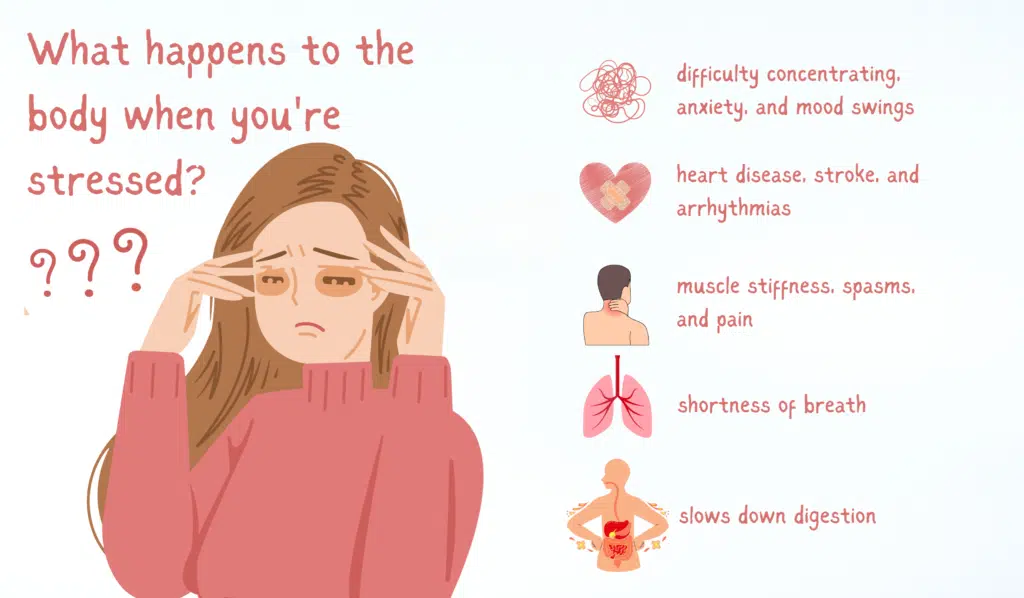
When you feel stressed, your brain tells your body to prepare for danger. The stress response triggers release of hormones such as cortisol and adrenaline, which increase heart rate, tighten muscles, and redirect blood flow away from digestion toward the brain and limbs.
Short bursts of stress are normal. The problem is when the body never fully returns to baseline. Persistent stress activates the hypothalamic–pituitary–adrenal (HPA) axis, keeps the sympathetic nervous system dominant, and disrupts normal recovery functions regulated by the parasympathetic system.
Over time, long-term stress can:
- Keep muscles tight, especially in the neck, shoulders, and jaw
- Disturb digestion through the gut–brain axis, causing bloating, reflux, or changes in bowel habits
- Disrupt sleep and circadian rhythm, creating a tired but wired feeling
- Elevate pro-inflammatory cytokines that increase pain and immune system burden
- Alter neurotransmitters involved in mood and focus, including serotonin, dopamine, and norepinephrine
- Contribute to HPA axis dysregulation and cortisol rhythm changes
- Sensitize the limbic system, making anxiety, irritability, or emotional reactivity more intense
This pattern is commonly referred to as autonomic imbalance. The body stays in survival mode instead of shifting back into rest and digest. People often notice they are more reactive, more fatigued, and slower to recover after a stressful week. This indicates that the stress response is stuck in an activated state instead of cycling normally.
The Four Types of Stress and How Acupuncture Helps
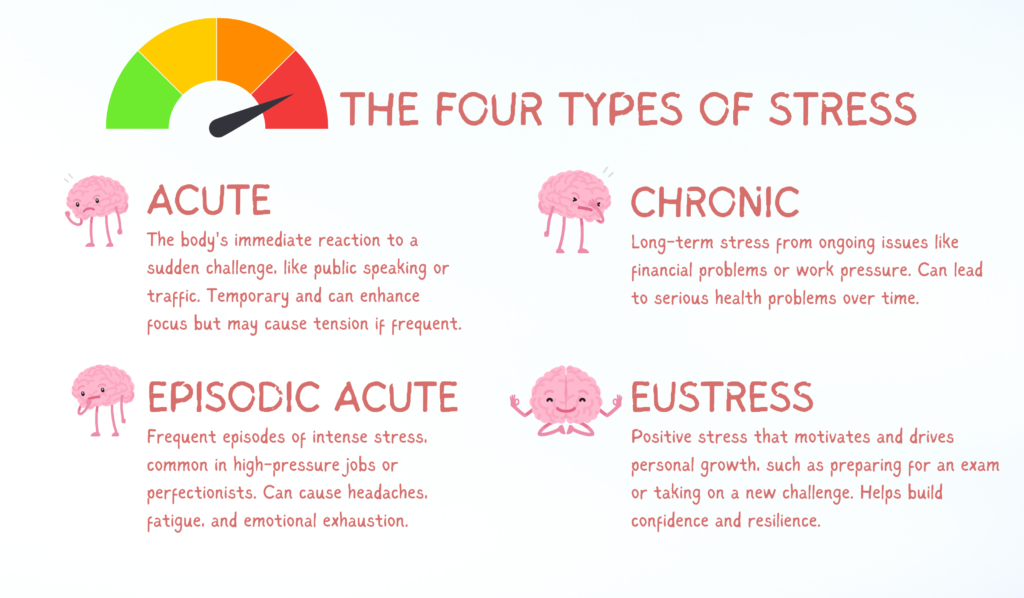
Not all stress is the same. Some forms sharpen focus, while others wear down sleep, digestion, immunity, and mood. Understanding the different types helps determine who benefits most from acupuncture and why.
Acute Stress
Short-term stress triggered by sudden challenges such as public speaking or tight deadlines. The sympathetic nervous system increases heart rate and adrenaline to prepare for action, then returns to baseline once the event passes.
Why Acupuncture Helps: accelerates autonomic recovery, supports vagal tone, reduces sympathetic overactivation
Who Presents This Way: tension headaches, jaw clenching, palpitations, difficulty unwinding
TCM View: Liver Qi constraint with short-term Shen agitation
Chronic Stress
Develops when stressors persist for weeks or months. Continuous activation of the stress response disrupts the HPA axis and alters digestion, immunity, sleep, and mood.
Why Acupuncture Helps: modulates HPA activity, regulates neurotransmitters, improves sleep architecture, reduces muscle tension
Who Presents This Way: fatigue, insomnia, digestive upset, weakened immunity, burnout
TCM View: Liver Qi stagnation with Spleen deficiency and Shen disturbance
Episodic Acute Stress
Repeated bursts of high-intensity stress without adequate recovery. Seen in high-pressure jobs or perfectionistic personalities. The limbic system remains reactive and the body spends long periods in fight-or-flight mode.
Why Acupuncture Helps: reduces limbic hyper-reactivity, improves emotional regulation, stabilizes digestion and sleep
Who Presents This Way: migraines, IBS-like symptoms, anxiety, restless sleep, sensory overload
TCM View: Liver Qi stagnation with underlying Blood deficiency affecting Shen stability
Eustress
Positive, performance-oriented stress that enhances focus and motivation. Appears during competitions, exams, creative deadlines, or ambitious goals.
Why Acupuncture Helps: supports recovery, reduces inflammation, improves sleep quality, maintains performance capacity
Who Presents This Way: delayed recovery, muscle tightness, overstimulation, post-event fatigue
TCM View: Qi and Blood consumption with temporary Shen taxation
Which Types Benefit Most from Acupuncture
Acupuncture can support all four types of stress, though the patterns differ:
- Acute stress benefits from faster autonomic recovery
- Chronic stress benefits from HPA and sleep regulation
- Episodic stress benefits from limbic calming and emotional regulation
- Eustress benefits from recovery enhancement and resilience building
Understanding the pattern helps practitioners tailor treatment frequency, point selection, and adjunct therapies such as herbs or lifestyle recommendations.
Symptoms of Stress and Why They Happen
Stress can affect multiple systems at once because the stress response involves the nervous, endocrine, immune, and digestive systems. When activation becomes prolonged, symptoms can appear across the body, mind, and behavior.
Physical symptoms may include headaches, jaw or shoulder tension, chest tightness, heart palpitations, disrupted digestion, weakened immunity, sleep disturbance, skin flare ups, and fatigue. These changes occur because sympathetic activity increases muscle tone, diverts blood from digestion, alters cortisol rhythms, and elevates inflammatory cytokines that affect pain and immunity.
Psychological symptoms often involve anxiety, irritability, low mood, overwhelm, difficulty focusing, sensory sensitivity, or emotional exhaustion. These patterns relate to changes in limbic activity and neurotransmitters involved in mood, attention, and emotional regulation.
Behavioral symptoms may include changes in appetite or substance use, procrastination or avoidance, social withdrawal, sleep pattern changes, bruxism or jaw clenching, and reduced motivation or productivity. These behaviors are attempts to cope with prolonged activation of stress circuits when recovery is limited.
Patients frequently ask why stress affects digestion, sleep, or immunity. The answer lies in the pathways connecting the HPA axis, autonomic nervous system, gut–brain axis, and immune signaling. Because acupuncture influences these same pathways, it can reduce both the symptoms of stress and the physiological strain that produces them.
How Acupuncture Helps the Body De-Stress
Acupuncture reduces stress by calming the nervous system, lowering stress hormones, and easing physical tension. It helps your body remember how to relax.
Very thin, sterile needles are placed at specific points. These points lie along networks that connect to your nerves, spinal cord, and brain. When stimulated, they send signals that:
- Reduce fight-or-flight activity
- Increase rest-and-digest activity
- Release natural pain-relieving chemicals
- Support more balanced mood chemistry
- Improve blood flow and relax tight muscles
Patients often notice a heavy, relaxed feeling during the session, followed by clearer thinking, lighter mood, and better sleep afterward. Over time, acupuncture for stress reduction makes it easier for your system to move back into a calm, stable baseline.
Because it acts on both body and mind, many people think of acupuncture therapy for stress relief as a whole-person approach rather than just a quick fix.
Request an Appointment
If you are looking for a natural and holistic way to manage stress, acupuncture offers both immediate relief and long-term support for resilience and emotional balance. You can request an appointment to begin treatment.
Acupuncture for Stress Relief: How Acupuncture Reduces Stress in the Body and Brain
Acupuncture reduces stress by calming the nervous system, modulating the HPA axis, and improving communication between the brain, endocrine system, immune system, and gut. These effects support vagal tone, reduce neuroinflammation, rebalance stress hormones, and lower allostatic load, which together ease both physical and emotional symptoms of stress.
Autonomic Nervous System Regulation
Needle stimulation sends signals to the spinal cord and brainstem, influencing the hypothalamus and limbic system. This decreases sympathetic activity and increases parasympathetic tone through vagal pathways, allowing heart rate, breathing, digestion, and muscle tension to normalize.
Cortisol and HPA Axis Modulation
Acupuncture can reduce elevated cortisol and improve cortisol rhythm, reflecting modulation of the HPA axis and neuroendocrine stress circuits. Healthier hormone patterns support sleep, metabolism, immune function, and mood stability.
Neurotransmitters and Emotional Circuits
Acupuncture influences neurotransmitters such as serotonin, dopamine, norepinephrine, and endogenous opioids. This improves emotional regulation and cognitive clarity by reducing limbic reactivity and supporting neuroplasticity in mood-related circuits.
Sleep and Circadian Rhythm Support
Acupuncture improves sleep efficiency and reduces nighttime awakenings by quieting sympathetic activity and stabilizing circadian timing. Better sleep enhances memory, mood, immunity, and daytime resilience.
Immune and Inflammatory Modulation
Chronic stress elevates inflammatory cytokines. Acupuncture can reduce neuroinflammation and modulate immune signaling, helping improve stress-related headaches, digestive symptoms, menstrual discomfort, and chronic pain.
Gut–Brain Axis Benefits
Stress alters digestive motility and microbiome balance. Acupuncture supports the gut–brain axis, improving symptoms such as reflux, bloating, and appetite changes during stress.
Traditional Chinese Medicine View of Stress and Emotional Imbalance

In Traditional Chinese Medicine (TCM), stress is seen as a disruption of Qi, Blood, and Shen within key organ systems, especially the Liver, Heart, and Spleen. These systems explain how emotional strain becomes physical symptoms, and why two people under similar stress may react very differently.
Liver Qi Stagnation
A common pattern in stress is Liver Qi stagnation. When the Liver system cannot move Qi smoothly, people feel stuck, tense, irritable, or easily frustrated. Physical signs may include tight shoulders, tension headaches, PMS, or digestive bloating. Treatment focuses on moving Liver Qi so mood and physical tension can ease.
Heart and Shen Disturbance
The Heart houses the Shen, which relates to clarity, spirit, and emotional stability. Prolonged stress can agitate the Shen, leading to palpitations, anxiety, restless sleep, and racing thoughts. Acupuncture helps calm the Heart, nourish Blood, and settle the Shen for deeper sleep and steadier mood.
Spleen and Digestive Stress
The Spleen system governs digestion and mental focus. Overthinking, worry, and long work hours weaken this system, causing fatigue, poor appetite, loose stools, and a tendency to ruminate. Supporting the Spleen helps restore stamina and reduces stress-triggered digestive upset.
Pattern Differentiation
A TCM evaluation uses tongue, pulse, symptom history, and emotional patterns to determine a primary stress pattern. Points and techniques are then selected specifically for that pattern, rather than applying a generic anti-stress formula.
Acupuncture for Different Stress Profiles
Acupuncture is flexible enough to address different stress presentations, whether someone struggles more with anxiety, insomnia, digestive symptoms, pain, skin issues, or trauma related reactions. The root mechanisms overlap, but treatment strategies and point selections are customized to each profile.
Most people do not experience stress in only one way. Even so, certain patterns tend to dominate.
| Stress Presentation | Common Symptoms & Patterns | How Acupuncture Helps |
| Stress and Anxiety | Worry, restlessness, irritability, tight chest, palpitations | Calms Shen, regulates Heart & Liver systems, rebalances autonomic nervous system |
| Stress and Insomnia | Trouble falling asleep, waking often, light/non-restorative sleep | Reduces nighttime sympathetic activity, settles the mind, supports deeper sleep |
| Digestive Stress | Bloating, cramping, reflux, IBS-type changes, appetite swings | Harmonizes Spleen & Stomach, regulates peristalsis, soothes gut-brain axis |
| Muscle Tension & Headaches | Neck/shoulder tension, jaw tightness, migraines, tension headaches | Releases local muscle tightness, improves circulation, quiets nervous system |
| Skin Reactions / “Stress Rash” | Hives, eczema flares, redness, itching, heat sensation | Modulates immune response, clears heat patterns, supports skin healing (often with herbs) |
| Stress, Trauma & PTSD | Hyper-vigilance, sleep disturbance, startle response, emotional reactivity | Grounds nervous system, calms limbic activity, complements psychotherapy; may support acupuncture for post traumatic stress disorder in integrative care |
Acupuncturists select specific points to calm the mind, relax muscles, and regulate organ systems that respond to stress. The most effective treatments use combinations of head, chest, wrist, leg, and ear points that together influence both the nervous system and internal organs.
The exact combination of points depends on the pattern diagnosis, but several areas are frequently used for stress focused care.
Head and Facial Points
- Yintang, located between the eyebrows, is often used to quiet mental chatter, reduce worry, and relieve frontal headaches.
- Baihui (GV20) at the crown of the head helps clear fogginess, lift mood, and create a sense of mental space and perspective.
Wrist and Forearm Points
- Shenmen (Heart 7) near the wrist crease calms the Heart, settles the Shen, and is often chosen for palpitations, anxiety, and insomnia.
- Neiguan (Pericardium 6) on the inner forearm regulates the chest and emotional center, and is useful for anxiety, nausea, and stress related digestive discomfort.
Leg and Foot Points
- Taichong (Liver 3) on the foot helps move constrained Liver Qi, easing irritability, tension headaches, and PMS related stress.
- Sanyinjiao (Spleen 6) on the lower leg harmonizes the Spleen, Liver, and Kidney systems, supporting digestion, hormonal balance, and sleep.
- Zusanli (Stomach 36) below the knee builds Qi, strengthens immunity, and improves resilience during ongoing stress.
Auricular Points and Micro-Systems
Ear acupuncture uses a microsystem of points that correspond to the nervous system, organs, and emotional regulation. Auricular Shenmen and points associated with the sympathetic and parasympathetic systems are commonly selected in stress based protocols.
In everyday language, patients sometimes refer to these as acupuncture for stress points, although practitioners always choose them as part of a larger, individualized plan that accounts for pattern, symptoms, and health history. More specific educational content may describe acupuncture points for stress and anxiety as combinations of body and ear points that influence both emotional and physical tension.
How Acupuncture Compares with Other Stress Management Options
Acupuncture does not replace every stress treatment, but it fills a unique role by directly calming the nervous system, improving sleep, and easing physical symptoms. It often works best alongside therapy, medication when appropriate, and lifestyle changes for more sustainable long-term results.
Medication
Anti-anxiety or sleep medications can work quickly but may bring side effects or tolerance issues. Acupuncture does not create dependency and may help some patients, with their doctor’s guidance, reduce the need for medication over time.
Psychotherapy
Therapy helps people process thoughts, emotions, and experiences that drive stress. Acupuncture supports this by calming the body, making emotional work feel less overwhelming and more productive.
Meditation, Mindfulness, Yoga
These practices improve attention and breath regulation, but can be hard to access when stress is high. Acupuncture often acts as a bridge by settling the nervous system enough that mindfulness becomes easier to maintain.
Massage and Bodywork
Massage relieves local muscle tension. Acupuncture reaches deeper stress pathways involving the autonomic nervous system and hormones. Many patients benefit from combining both.
Herbal Medicine and Supplements
Adaptogens and calming herbs can support energy, mood, and sleep between sessions. When prescribed appropriately, they extend and reinforce acupuncture’s effects.
In an integrative approach, acupuncture for stress management often becomes the central physical tool, while therapy, breathwork, movement, and nutrition provide wider support.
Treatment Frequency, Timeline, and What to Expect
Most patients start with weekly acupuncture sessions for several weeks, then gradually space out visits as symptoms improve. Many notice better sleep, less tension, and improved mood within the first few treatments, especially when stress has been high for a long time.
First Visit
Your initial session includes a review of your health history, stress patterns, sleep, digestion, and emotional symptoms. Tongue and pulse assessment help identify your TCM pattern, and treatment usually begins the same day.
Recommended Schedules
For chronic stress, anxiety, or insomnia, weekly sessions for four to eight weeks are common. In more intense cases, twice-weekly sessions may be used briefly to help the nervous system shift faster. After stabilization, visits are spaced to every two weeks, then monthly or seasonally for maintenance.
How Long Results Last
Deep relaxation or better sleep can appear early. More durable improvements in resilience, mood, and physical symptoms build over time as your nervous system recalibrates. Many patients maintain balance with occasional “tune-up” sessions throughout the year.
Safety, Contraindications, and Choosing a Qualified Practitioner
Acupuncture is considered a safe, low-risk treatment when performed by a licensed practitioner using sterile, single-use needles. Most side effects are mild and short lived, and serious complications are rare.
Common short-term effects may include:
- Mild soreness at needle sites
- Small bruising
- Temporary fatigue or relaxation “drop”
- Lightheadedness immediately after treatment (uncommon and brief)
Extra caution is appropriate for individuals with:
- Bleeding disorders
- Anticoagulant medication use
- Uncontrolled medical conditions
- Implanted medical devices (such as pacemakers)
In these situations, practitioners adjust needle selection and technique and may coordinate care with other clinicians.
Pregnancy Considerations
- Acupuncture can be helpful during pregnancy for stress, nausea, or pain
- Some points are avoided due to their potential to stimulate uterine activity
- It is best to choose a practitioner experienced in prenatal care
Choosing a Qualified Practitioner
Look for someone who provides:
- Proper licensure and training
- Clear communication about treatment goals and expectations
- A clean, calm, professional clinic environment
- Willingness to collaborate with your other providers when needed
Who Benefits Most from Stress-Focused Acupuncture
Anyone living with chronic stress can benefit from acupuncture, but certain groups tend to see particularly strong improvements. These include people with high pressure jobs, caregivers, those with anxiety or insomnia, and individuals recovering from trauma.
High demand professionals often arrive with long work hours, constant digital connection, and a baseline of muscle tension and mental overdrive. Acupuncture gives their nervous system a scheduled opportunity to reset, which improves performance as well as health.
Caregivers and healthcare workers experience both emotional and physical strain. Regular treatment helps replenish energy, regulate sleep, and reduce the risk of burnout.
People with long term anxiety, recurrent insomnia, or trauma related symptoms gain a body based method that does not rely solely on willpower or cognitive effort. In large cities like New York, where noise, commuting, and crowded spaces add to daily load, acupuncture offers a rare pocket of stillness that trains the body to remember what calm feels like.
Integrating Acupuncture into a Long-Term Stress Management Plan
Acupuncture works best as part of a comprehensive plan that also includes healthy sleep, nutrition, movement, and emotional support. Over time, this combination not only reduces current symptoms, it also builds a more resilient response to future stress.
Simple practices such as consistent bedtimes, morning light exposure, and moderate movement help stabilize circadian rhythm. Gentle forms of exercise, including walking, yoga, or tai chi, complement acupuncture by continuing to move Qi and circulate blood between sessions.
Breathwork and mindfulness teach the nervous system to shift state using internal tools. Therapy, coaching, or peer support groups provide structured spaces to work with the stories, patterns, and relationships that shape stress.
Nutritional and herbal support can further stabilize blood sugar, hormones, and immune response. In many integrative clinics, acupuncturists collaborate with other practitioners to build a coherent, realistic plan for each patient rather than relying on isolated tactics.
Finding Relief at ACA Acupuncture and Wellness in New York City
At ACA Acupuncture and Wellness, our practitioners combine Traditional Chinese Medicine pattern diagnosis with modern understanding of stress physiology. Each treatment plan is tailored to your symptoms, lifestyle, and goals, whether you are dealing with work related burnout, persistent anxiety, insomnia, digestive upset, or recovery after a difficult life event.
Sessions take place in a quiet, supportive environment where your nervous system is given time and space to shift into a more restful state. Over time, this becomes more than a temporary break. It becomes training for your body and mind to remember how to relax, recover, and respond to stress with greater stability.
If you are ready to explore a structured, evidence informed approach to stress relief, you can schedule an appointment at ACA Acupuncture and Wellness and begin building a calmer, more resilient foundation for your health.
Sources:
Wild, B., Brenner, J., Joos, S., Samstag, Y., Buckert, M., & Valentini, J. (2020). Acupuncture in persons with an increased stress level—Results from a randomized-controlled pilot trial. PLOS ONE, 15(7), e0236004.
Cleveland Clinic. (n.d.). Stress: What it is, symptoms, management & prevention.
Yes, acupuncture directly influences the nervous system, hormone regulation, and inflammatory pathways that drive stress related symptoms. Many clinical studies show decreased stress scores and improved sleep, mood, and physical comfort after treatment, and patients often report feeling calmer and more resilient in daily life.
Patients with chronic worry, restlessness, and physical tension often respond particularly well to treatment that calms the Shen, regulates Heart and Liver systems, and increases parasympathetic activity, which together reduce both mental and bodily anxiety.
Acupuncture and therapy pair well. Therapy provides insight and coping tools, while acupuncture helps quiet the physiological alarm system. Many people find that when their body feels calmer, their therapeutic work becomes easier and more effective.
Mild or short term stress may improve significantly within four to six weekly sessions. Chronic stress, long standing insomnia, or complex medical histories may require a longer course, often followed by maintenance visits spaced further apart.
Immediate relaxation can appear after each session, while deeper changes build cumulatively. With consistent treatment and lifestyle support, many patients notice that their baseline stress level drops and that they recover more quickly from new challenges.
Acupuncture for stress anxiety depression is usually part of a broader plan that also involves medical and psychological care. It can support mood, sleep, and nervous system regulation in people living with these conditions, although it is not a stand alone cure.
In a city with constant noise, deadlines, and crowded commutes, regular sessions serve as a structured pause that trains the nervous system to shift out of high alert. Many New Yorkers use acupuncture as a core tool for long term stress management and mental clarity.
Yes, acupuncture is commonly integrated with medication, therapy, and wellness practices. Your acupuncturist will review your current treatments and coordinate with your healthcare team when needed.
Testimonials

Cart (0)
Your cart is currently empty.



Cart (0)
Your cart is currently empty.